Ataşehir Mah. Feza Sk. No:3 İstanbul / Türkiye
 French
  English
  German
  Spanish
The first days following a hair restoration procedure are often filled with questions and anticipation. Many patients closely monitor progress during this early healing phase. Reaching 10 days after hair transplant surgery marks an important milestone in recovery. By this point, visible healing has usually progressed significantly. Understanding what typically happens during this stage helps patients feel reassured. It also supports proper care and realistic expectations. This article explains the recovery timeline, common changes, and what patients usually experience around this time.
What Makes the First 10 Days After Hair Transplant Important
The initial recovery period sets the foundation for long-term results. During the first days, the scalp adjusts to the newly implanted grafts. Healing processes begin immediately and continue steadily. By 10 days after hair transplant surgery, many early symptoms have eased. This stage often represents a transition from active healing to stabilisation. The grafts become more secure within the scalp. Patients usually feel more comfortable performing daily routines. Understanding this phase helps prevent unnecessary concern. The focus shifts from immediate care to gradual normalisation.
The First Few Days After the Procedure
Immediately after the procedure, the scalp is sensitive. Small scabs form around implanted grafts. Mild swelling or redness may be present initially. Patients are given clear aftercare instructions to follow. During these early days, rest is encouraged. Head positioning and gentle movement are important. Washing routines are introduced carefully. This initial phase protects grafts while healing begins. These steps prepare the scalp for the progress seen 10 days after hair transplant treatment.
10 Days After Hair Transplant Scab Formation and Natural Shedding
Scab formation is a normal part of the healing process. These small crusts protect the grafts as the skin repairs itself. Over time, scabs begin to loosen naturally. 10 days post-hair transplant surgery, many scabs have fallen away. Patients are advised not to pick at scabs. Gentle washing supports their natural removal. Once scabs clear, the scalp appears smoother. This stage often brings relief and reassurance. It signals that surface healing is progressing well.
10 Days After Hair Transplant Changes in Redness and Sensitivity
Redness is common after hair restoration procedures. It varies depending on skin type and individual healing response. In the first week, redness may be more noticeable. Sensitivity can also occur. By 10 days after hair transplant surgery, redness often fades significantly. Some patients may still notice mild pinkness. Sensitivity usually decreases during this period. The scalp feels more settled. These changes reflect ongoing healing beneath the surface.
Washing and Scalp Care at This Stage
Washing routines typically become more relaxed by this point. Patients are often allowed to wash more normally. Gentle shampooing supports scalp cleanliness. Careful technique remains important. At 10 days after hair transplant surgery, grafts are generally more secure. This allows slightly increased water pressure during washing. However, harsh rubbing is still avoided. Cleanliness supports comfort and confidence and proper care continues to protect healing areas.
10 Days After Hair Transplant Appearance
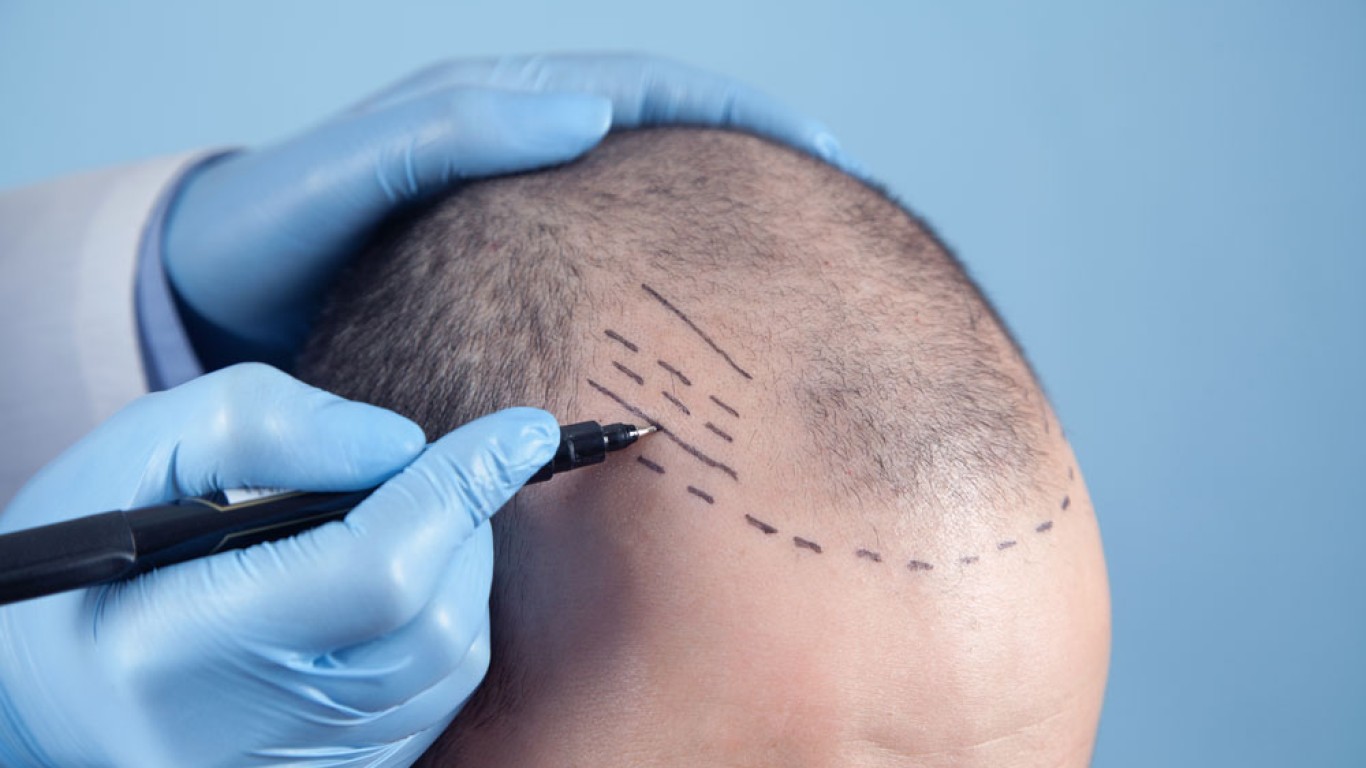
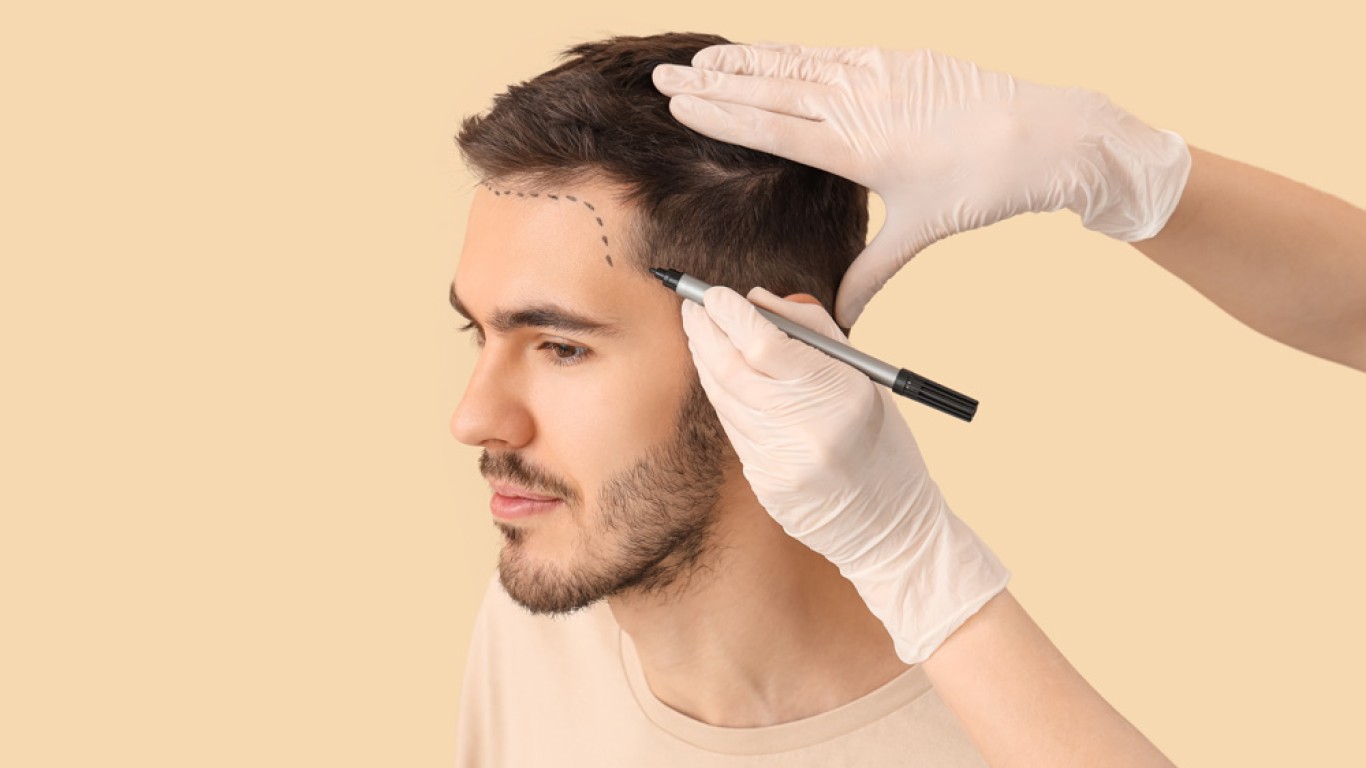
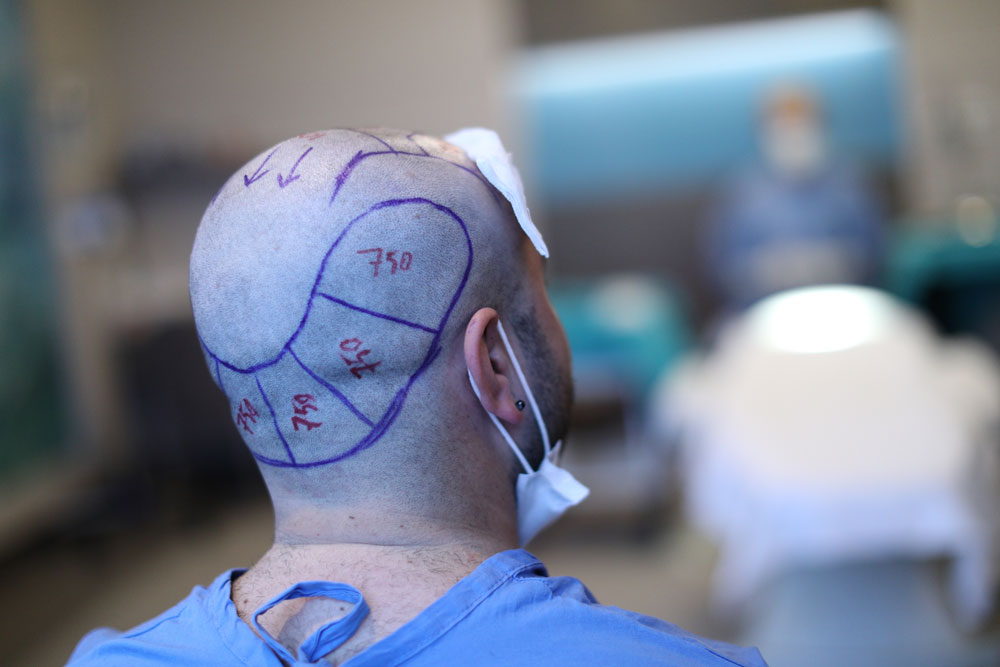
Many patients closely observe the appearance of the treated area. Once scabs fall away, implanted hairs become more visible. The hairline shape is clearer at this stage. This can be an encouraging moment. However, it is important to remember that this appearance is temporary. The scalp may still look different from final results. By 10 days after the surgery, the area often looks cleaner and calmer. Understanding temporary changes prevents unrealistic expectations.
The Donor Area Recovery Timeline
The donor area also undergoes healing during this period. Small extraction points close gradually. Mild tightness or sensitivity may be present initially. Proper care supports recovery. 10 days after the hair transplant surgery, the donor area usually looks less noticeable. Short hair can conceal extraction sites easily. Discomfort continues to decrease. The area feels more normal. Healing progresses quietly in the background.
10 Days After Hair Transplant: Activity Levels and Daily Routines
Patients often wonder when normal routines can resume. Light daily activities are usually possible within days. Strenuous exercise is typically limited early on. This protects healing tissues. Around 10 days after hair transplant surgery, many patients feel ready for more movement. Walking and gentle routines feel comfortable. Guidance from the clinic remains important. Gradual return to activity supports steady recovery. Listening to the body is essential.
10 Days After Hair Transplant Sleeping Comfort and Positioning
Sleeping position is carefully managed during early recovery. Elevation may be recommended initially. This supports comfort and reduces swelling. Over time, restrictions ease. 10 days after the hair transplant surgery, many patients sleep more normally. Comfort improves significantly. Some still prefer gentle positioning. Improved sleep supports overall recovery. Rest remains an important healing factor.
Emotional Response During Early Recovery
The early recovery period can involve emotional ups and downs. Patients may feel excited or uncertain. Changes in appearance can affect confidence temporarily. Understanding normal recovery helps. Reaching 10 days post-hair transplant surgery often brings reassurance. Visible healing reduces anxiety. Patients feel more confident about progress. Education supports emotional balance.
Understanding Shock Loss and Early Shedding
Some patients experience temporary shedding after the procedure. This is known as shock loss. It can affect transplanted hairs or surrounding native hair. This phase varies between individuals. By 10 days after hair transplant surgery, shedding may begin or occur later. This is a normal part of the growth cycle. New hair growth develops months later. Understanding this prevents unnecessary concern.
Hair Growth Expectations Beyond Day 10
Although early healing progresses quickly, hair growth takes time. Implanted hairs enter a resting phase initially. New growth typically begins later. This timeline is important to understand. At 10 days post-hair transplant surgery, growth has not yet started. The focus remains on healing rather than results. Clinics explain this clearly. Long-term progress develops gradually.
Follow-Up Appointments and Ongoing Support
Many clinics schedule follow-up communication around this time. Patients may share photos or attend check-ins. This allows professionals to assess healing. Questions are addressed promptly. By 10 days after hair transplant surgery, follow-up reassurance is valuable. Clinics provide guidance on next steps. Ongoing support builds confidence. Communication continues throughout recovery. This relationship supports long-term success.
When Patients Start Feeling “Normal” Again
A common question involves when life feels normal again. For many, this happens gradually during the second week. Visible signs reduce. Comfort improves steadily. Reaching 10 days after transplant often marks this shift. Patients feel more at ease socially. Daily routines feel manageable. While recovery continues, confidence grows.
The Importance of Continued Care Beyond Day 10
Although early healing progresses, care does not end at day ten. Ongoing scalp care supports healthy growth. Sun protection and gentle routines remain important. Clinics provide long-term guidance. Understanding that recovery is a journey helps maintain realistic expectations. By 10 days after hair transplant surgery, progress is visible but incomplete. Continued attention supports optimal outcomes.
Social Confidence and Public Appearance at Day Ten
Many patients begin feeling more comfortable appearing in public around this stage. Once scabs have cleared, the scalp usually looks cleaner and calmer. Mild redness may remain but is often less noticeable. Hairlines appear more defined, even if density is temporary. At 10 days after the hair transplant surgery, some patients choose to return to work. Hairstyles can be adjusted carefully to improve confidence. Loose-fitting hats may be permitted if advised and social comfort improves steadily.
Haircare Products and Styling Guidance
Patients often ask about using styling products at this point. Most clinics recommend keeping products minimal initially. Gentle shampoos remain the priority. Harsh chemicals are avoided. Around 10 days after the transplant surgery, light styling may be introduced cautiously. Products should not irritate the scalp. Heat styling is usually postponed. Guidance from the clinic remains important.
Monitoring Progress Without Overchecking
It is common for patients to check progress frequently. However, excessive inspection can increase anxiety. Healing occurs gradually and quietly. Daily changes may be subtle. Clinics encourage patients to focus on care routines instead. Photographic tracking may be suggested weekly instead of daily. At 10 days after hair transplant surgery, trust in the process is important.
Conclusion
Reaching 10 days after the hair transplant surgery is a significant recovery milestone. By this stage, scabs usually clear and comfort improves noticeably. The scalp appears calmer and more settled. While visible hair growth has not yet begun, healing is well underway. Understanding what to expect during this period helps patients stay confident and patient. Proper care and realistic expectations support long-term success. Early progress sets the foundation for future results.
For more information on this procedure and for consultation, please visit the ACIBADEM Beauty Center Hair Transplant webpage.
Frequently Asked Questions
Yes, mild redness can persist and usually fades gradually.
Most patients can wash more normally, following clinic guidance.
Grafts are generally more stable but still require gentle care.
Temporary shedding is common and part of the normal cycle.
New growth typically starts several months after the procedure.