Ataşehir Mah. Feza Sk. No:3 İstanbul / Türkiye
 French
  English
  German
  Spanish
Introduction
Eye bags are a common aesthetic concern that affect facial appearance and under-eye balance at many life stages. They appear as swelling, puffiness or fullness beneath the lower eyelids, often becoming more visible over time. While usually harmless, eye bags can change how rested the face appears. Understanding their causes helps determine which solutions are most effective. This guide explains why they form and which treatments help reduce them.
What Are Eye Bags?
Eye bags describe visible swelling or protrusion beneath the eyes, usually involving fat, fluid or loose skin. The lower eyelid area contains delicate tissue, making even small changes more noticeable. Bags can fluctuate during the day depending on fluid movement and circulation patterns. Their appearance varies widely between individuals.
Why Eye Bags Develop Over Time
Ageing plays a significant role in the development of bags for many people. Muscles supporting the lower eyelid gradually weaken. Fat pads that once sat deeper can shift forward. Skin also loses elasticity over time, allowing swelling to appear more prominent beneath the eyes.
Genetic Factors Impacting Eye Bags
Genetics strongly influence whether eye bags appear early in life. Some people inherit lower eyelid fat placement that creates persistent fullness. In these cases, bags develop regardless of sleep quality or lifestyle habits. Structural bags often remain consistent throughout adulthood.
Fluid Retention and Temporary Eye Bags
Fluid retention commonly causes morning under-eye puffiness. Lying flat overnight allows fluid to collect beneath the eyes. This type of bag usually improves as circulation increases during the day. Temporary puffiness often responds well to simple management techniques.
Lifestyle Habits That Affect Eye Bags
Several daily habits can make bags more noticeable:
- High salt intake increases fluid retention
- Inadequate sleep disrupts drainage
- Alcohol consumption worsens swelling
- Dehydration reduces skin resilience
- Prolonged screen use strains the eye area
Adjusting these habits supports improved under-eye appearance.
Skin Quality and the Lower Eyelids
The skin beneath the eyes is thinner than most facial areas. At the same time, collagen loss reduces firmness and support. As the skin weakens, underlying fat and fluid become more visible. Improving skin quality helps reduce the prominence of eye bags.
Eye Bags vs Dark Circles
Eye bags involve volume or swelling, while dark circles relate to pigmentation or shadowing. Many people experience both simultaneously, although treating colour alone will not reduce puffiness. Correct identification ensures appropriate treatment planning.
At-Home Methods for Managing Eye Bags
Mild bags may improve with consistent daily care:
- Cold compresses constrict blood vessels
- Chilled eye products reduce swelling
- Proper hydration supports circulation
- Elevating the head during sleep limits fluid pooling
These methods offer temporary but noticeable improvement.
Skincare Ingredients That Support
Certain ingredients help improve the under-eye area when used consistently. Caffeine reduces visible swelling by improving circulation. Peptides support firmness and skin structure. Hyaluronic acid improves hydration, while niacinamide strengthens the skin barrier around eye bags.
Why Application Technique Matters
Gentle application prevents unnecessary skin stretching - pressing products lightly supports lymphatic drainage. Applying from the inner corner outward encourages fluid movement. Proper technique enhances the effectiveness of eye products.
Non-Surgical Medical Treatments
Professional treatments offer stronger improvement for mild to moderate bags. These options include skin boosters, laser treatments and radiofrequency tightening. These approaches improve skin texture and firmness, and work best when excess fat is not the primary cause.
Injectable Treatments and Under-Eye Contours
Injectables may smooth the transition between the lower eyelid and cheek. This reduces shadowing that exaggerates bags. Careful placement is essential to avoid additional swelling. These treatments support contour rather than remove volume.
When Surgery Is the Most Effective Option
Surgery is recommended when eye bags result from fat protrusion or loose skin. Non-surgical methods cannot reposition fat effectively. Surgical treatment provides structural correction and long-term improvement for pronounced bags.
Lower Blepharoplasty Explained
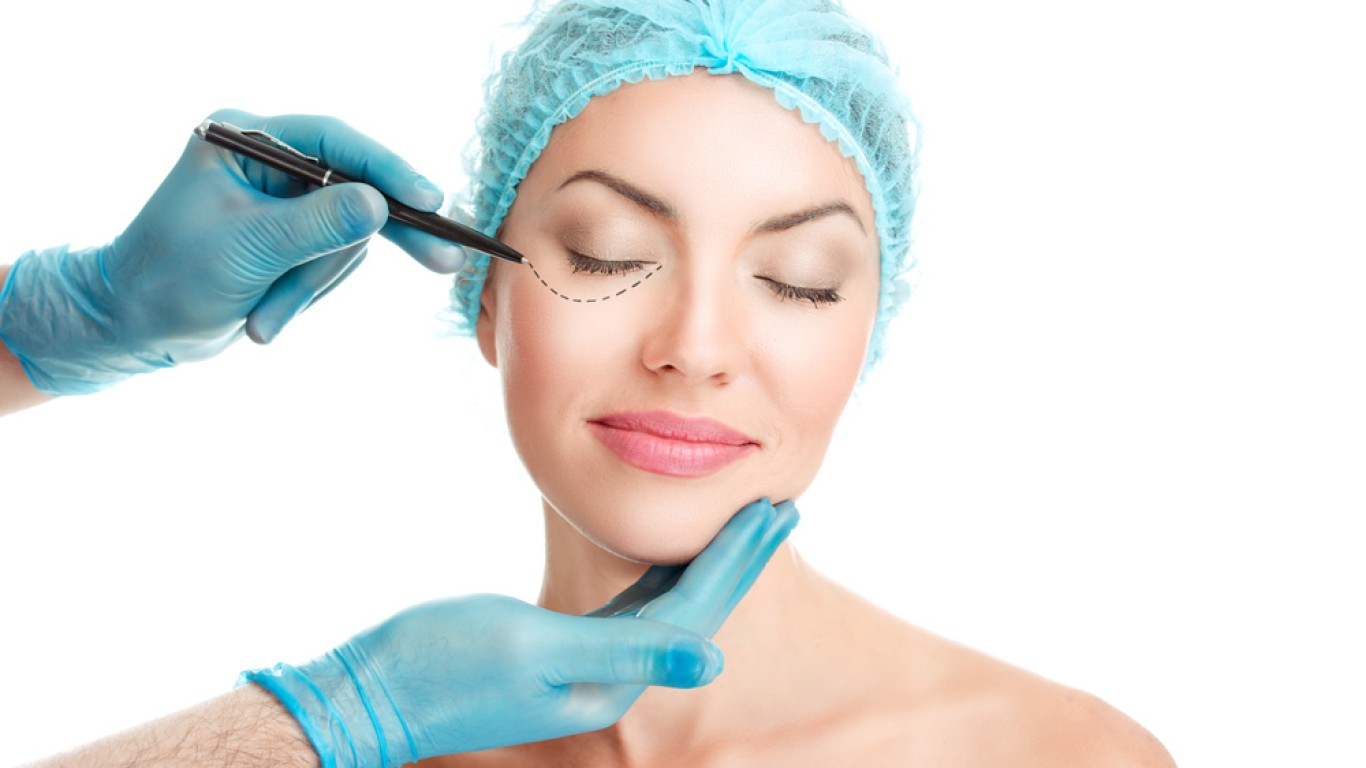
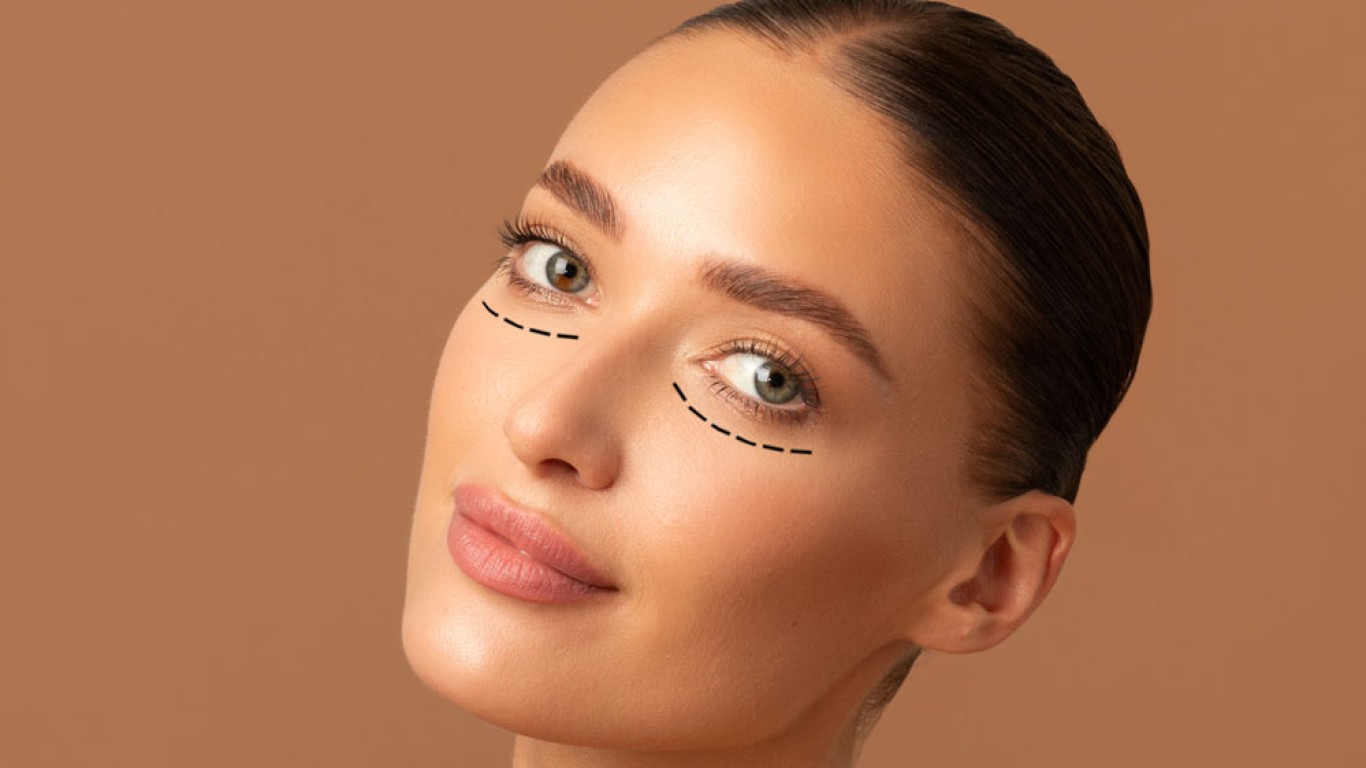
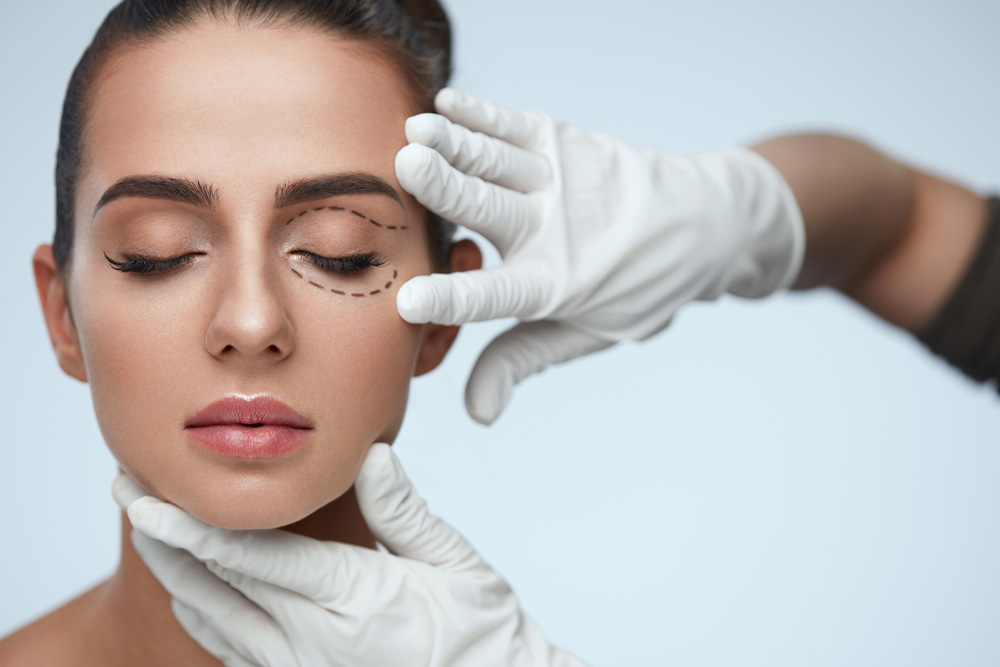
Lower blepharoplasty addresses bags by removing or repositioning fat pads. Incisions are placed discreetly to minimise visible scarring. Skin tightening may also be performed when necessary. The goal is a smoother under-eye contour.
Recovery After Eye Bag Surgery
Recovery from lower blepharoplasty involves gradual reduction of swelling and bruising. Most people resume daily routines within several weeks. Final results appear as tissues settle into their new position. Surgical correction offers lasting improvement for structural eye bags.
Age and Treatment Selection
Younger individuals often benefit from non-surgical treatments due to better skin elasticity. Older individuals may require surgery to address laxity and fat displacement. Treatment choice depends on anatomy rather than age alone.
Preventing Eye Bags from Worsening
Consistent habits help control eye bags long term:
- Daily sun protection
- Balanced hydration
- Gentle skincare routines
- Managing salt consumption
These steps support under-eye skin stability.
Sleep Position and Eye Bags
Sleeping flat encourages fluid accumulation beneath the eyes. Elevating the head improves drainage overnight. Side sleeping may also reduce morning puffiness. Small adjustments support better under-eye appearance.
Seasonal Triggers and Eye Bags
Allergies can worsen eye bags through inflammation and rubbing. Managing seasonal triggers helps control swelling. Adjusting skincare during allergy seasons supports comfort and appearance.
When Eye Bags Do Not Improve
Persistent eye bags often indicate a structural cause. Skin care alone rarely resolves these cases - professional assessment can identify whether fat, skin or fluid contributes most. This ensures targeted and effective treatment planning.
Conclusion
Eye bags develop due to genetics, ageing, fluid retention and skin changes. Mild cases can respond to lifestyle adjustments and skincare. Structural bags often require medical or surgical treatment. Accurate assessment ensures the most effective solution for long-term improvement.
If you want to speak to someone about the best solution, visit the ACIBADEM Beauty Center website.
Frequently Asked Questions
Some are temporary, while others result from anatomy.
They help mild puffiness but not fat-related bags.
Yes, dehydration can worsen swelling.
It is most effective for structural eye bags.
When eye bags persist despite consistent care.