Ataşehir Mah. Feza Sk. No:3 İstanbul / Türkiye
 French
  English
  German
  Spanish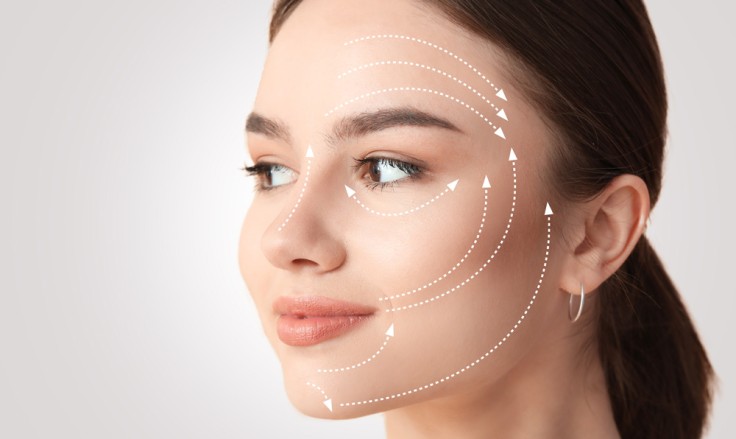
Introduction
Facial liposuction has evolved significantly over the past two decades. Patients now have access to refined techniques that prioritise precision and natural definition. As a result, many people compare modern facial liposuction with traditional face liposuction when exploring facial contouring options. While both aim to reduce unwanted facial fat, they differ in approach and outcome. Understanding these differences helps patients make informed choices. Technique selection often depends on anatomy, goals, and expectations.
What Traditional Face Liposuction Involves
Traditional face liposuction focuses on removing excess fat from areas such as the chin, jawline, and lower cheeks. The technique relies on manual cannulas to suction fat through small incisions. Surgeons work carefully to avoid uneven removal. The approach has been used successfully for many years. Results from traditional face liposuction can be effective for suitable candidates. However, contouring relies heavily on surgeon skill. Fat removal tends to be broader rather than highly targeted and swelling can temporarily obscure results. The final shape appears gradually as tissues settle.
What Defines Modern Facial Liposuction?
Modern facial liposuction uses advanced tools and refined methods to enhance precision. Smaller cannulas allow more controlled fat removal and energy-assisted techniques may be incorporated to improve tissue response. The goal is subtle sculpting rather than bulk reduction. With modern facial liposuction, surgeons focus on facial harmony. Fat is removed selectively to enhance natural contours. Jawline definition and facial balance are prioritised. This approach supports smoother transitions between treated and untreated areas. Results often appear more refined.
Traditional vs Modern Facial Liposuction: Key Technique Differences
The main difference lies in control and precision. Traditional methods depend on manual movement alone while modern techniques integrate technology to guide fat removal. This reduces trauma to surrounding tissues. Modern facial liposuction allows surgeons to work in smaller layers, supporting even contouring. Traditional liposuction may require broader strokes. Both methods require expertise, but newer tools enhance predictability. Technique choice influences outcome quality.
Traditional vs Modern Facial Liposuction: Impact on Facial Contours
Facial contours respond differently depending on technique. Traditional liposuction can reduce fullness effectively. However, achieving sharp definition may be challenging in delicate areas. Results depend on skin elasticity. Modern liposuction is designed for contour enhancement, emphasising jawline clarity and cheek definition. Subtle shaping creates a natural appearance and facial proportions remain balanced. This refined approach suits patients seeking definition rather than volume reduction alone.
Traditional vs Modern Facial Liposuction: Skin Adaptation and Tightening
Skin response is an important consideration. Traditional face liposuction relies on natural skin retraction and elasticity helps determine final appearance. Younger patients often experience better tightening. Modern facial liposuction may incorporate methods that support skin adaptation. Energy-based assistance can encourage smoother retraction which helps the skin conform to new contours. Skin quality still matters, but outcomes often appear more uniform.

Influence of Facial Ageing Patterns on Technique Choice
Ageing patterns influence which technique is most suitable. Younger patients often present with firmer skin and isolated fat pockets. Traditional face liposuction may address these concerns effectively. Skin retraction tends to be more predictable. As faces mature, fat distribution becomes more complex. Skin elasticity may vary across regions. Modern facial liposuction allows selective removal while preserving support. This reduces the risk of an over-hollowed appearance. Technique choice must reflect ageing patterns carefully.
Managing Facial Symmetry and Proportion
Facial symmetry is central to aesthetic success. Traditional techniques can reduce fullness but may struggle with micro-adjustments. Achieving perfect balance requires experience and careful assessment. Minor asymmetries may remain noticeable. Modern facial liposuction focuses on proportional shaping rather than volume reduction alone. Surgeons assess both sides of the face continuously during treatment. Small adjustments help maintain harmony. This approach prioritises balance across the lower face. Symmetry becomes a guiding principle rather than a by-product.
Recovery Experience and Comfort
Recovery experiences differ slightly. Traditional liposuction may involve more swelling due to tissue manipulation. Bruising can persist for several weeks and compression is commonly used. Modern liposuction tends to cause less disruption. Reduced trauma supports smoother recovery. Swelling may resolve more quickly and patients often return to routines sooner. Comfort levels vary individually.
Precision in Delicate Facial Areas
The face requires careful handling due to visible structures. Traditional liposuction can address larger fat pockets effectively, however, precision is limited in very small areas. Modern facial liposuction excels in delicate zones. Under the chin and along the jawline benefit from controlled sculpting. Fine adjustments enhance symmetry and this precision supports natural-looking outcomes. Facial harmony remains intact.
Role of Cannula Design in Facial Precision
Cannula design plays a critical role in facial liposuction outcomes. Traditional face liposuction often uses slightly larger, straight cannulas designed for broader fat removal. While effective, this design can limit finesse in narrow facial zones. Precision depends heavily on surgeon control. Modern facial liposuction typically uses thinner, specialised cannulas. These allow for controlled movement in small areas like the jawline and submental region. Fine cannulas support gradual fat removal rather than bulk suction. This contributes to smoother transitions and refined facial contours. Tool evolution directly affects result quality.
Suitability for Different Patients
Not every patient requires advanced techniques. Traditional face liposuction may suit those with straightforward fat deposits. However, it’s important to remember that strong skin elasticity supports good results. Modern facial liposuction suits patients seeking refined contouring. Those with mild to moderate fat and good skin tone benefit most. Personal goals influence suitability and consultation helps determine the best approach. Individual anatomy guides recommendations.
Combining Facial Liposuction with Adjacent Treatments
Facial liposuction is sometimes combined with complementary procedures. Traditional methods may be paired with skin tightening approaches when elasticity is limited. Planning must consider cumulative effects on facial balance. Modern facial liposuction integrates more seamlessly with adjunct treatments. Precision fat removal supports harmonious results when combined with chin enhancement or skin-focused therapies. Strategic sequencing matters. Combined planning enhances overall facial definition. Coordination supports natural-looking outcomes.
Long-Term Results and Stability
Both methods remove fat cells permanently. Long-term results depend on weight stability - facial fat distribution will remain consistent with healthy habits. Modern facial liposuction often produces longer-lasting contour clarity because precision shaping maintains definition over time. Traditional methods also deliver durable results when performed well. Maintenance relies on lifestyle consistency.
Modern Facial Liposuction in Turkey
Turkey continues to attract patients seeking specialised facial contouring procedures. Clinics offering facial liposuction emphasise precision techniques tailored to delicate facial anatomy. Treatment plans are developed with attention to balance, proportion, and long-term refinement. Clear pre-treatment discussions help patients understand the intended outcome. Leading healthcare providers place strong emphasis on individual facial assessment. Planning considers bone structure, fat distribution and natural expression. International patients often appreciate the coordinated care process and specialist expertise. This approach supports smooth treatment experiences and refined aesthetic results.
Surgeon Feedback and Intraoperative Control
Intraoperative feedback differs between techniques. Traditional face liposuction relies on tactile sensation and visual judgement - surgeons must interpret resistance and tissue response manually. Experience plays a central role. Modern facial liposuction provides enhanced control through refined tools. Surgeons can respond to subtle tissue changes more effectively, which improves consistency across treated areas. Greater control reduces variability. The procedure becomes more adaptive and responsive.
Patient Expectations and Outcome Satisfaction
Patient expectations strongly influence satisfaction. Those choosing traditional methods may prioritise fat reduction over definition. Those selecting modern facial liposuction often expect refined contouring, focusing on jawline clarity and facial balance. Subtle improvement rather than dramatic change is valued. Technique choice should reflect desired refinement level.
Conclusion
Modern facial liposuction represents an evolution in facial contouring techniques. While traditional face liposuction remains effective, newer methods offer enhanced precision and refinement. Understanding how each approach works helps patients choose wisely. Both techniques can improve facial definition when matched appropriately, but careful planning and expert execution remain essential.
For more information about facial liposuction, and to book a consultation, visit the ACIBADEM Beauty Center liposuction page.
Frequently Asked Questions
Yes, modern techniques allow more controlled fat removal.
Modern methods often support smoother recovery experiences.
Yes, removed fat cells do not return if weight remains stable.
Common areas include the chin, jawline, and lower cheeks.
Consultation and facial analysis guide the decision.