Ataşehir Mah. Feza Sk. No:3 İstanbul / Türkiye
 French
  English
  German
  Spanish
Introduction
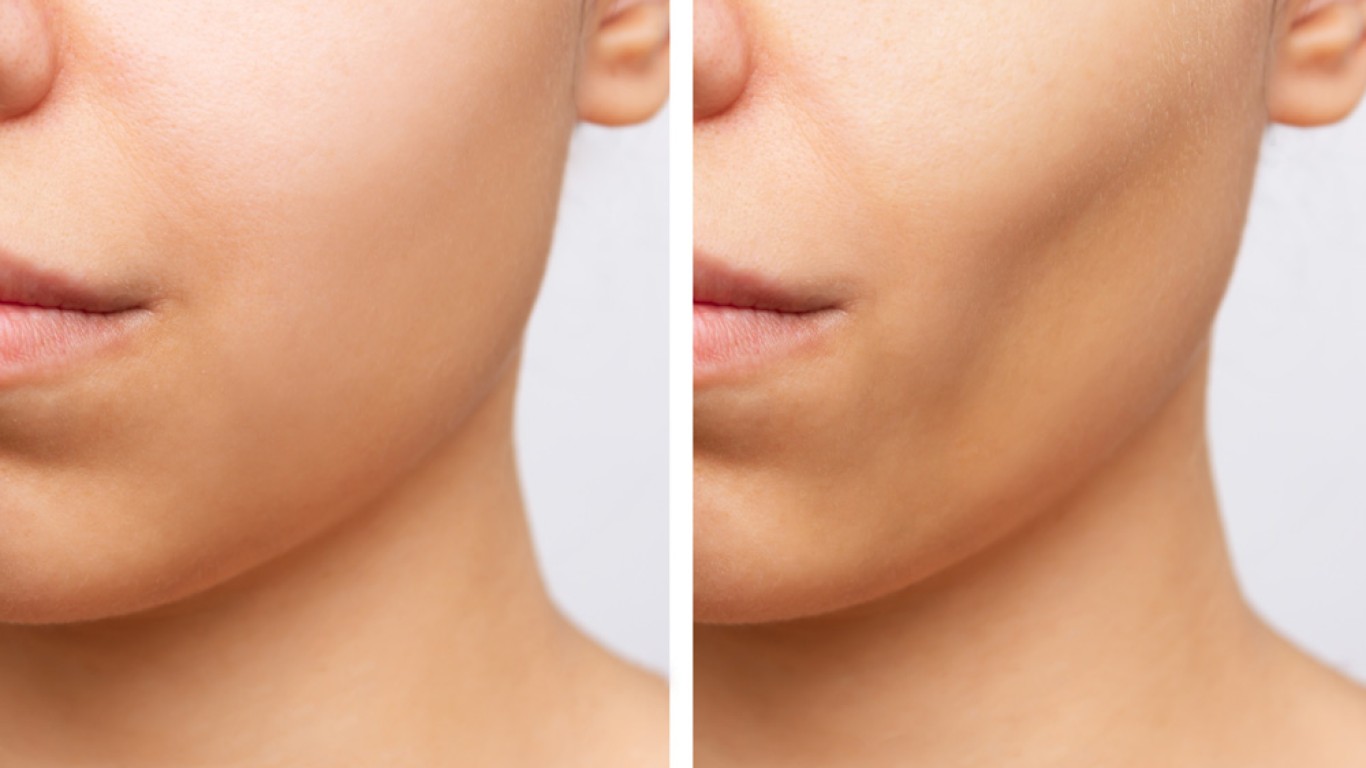
A defined jawline is often linked with facial balance, confidence, and youthful structure. Accordingly, many people ask how to get rid of face fat when facial fullness softens their profile. Face fat can remain even when body weight is stable. Genetics, ageing, and lifestyle all influence facial contours. Consequently, achieving a sharper jawline usually requires more than one approach. Some people prefer natural methods, while others explore aesthetic treatments. Understanding options helps set realistic expectations. This article explains how to get rid of face fat and improve jawline definition.
Understanding Face Fat and Facial Anatomy
Face fat exists within specific compartments across the cheeks, jawline, and chin. Bone structure determines how this fat appears externally. Some people naturally store more fat in the lower face naturally. Even with low body fat, facial fullness may persist. This explains why spot reduction is difficult. Understanding anatomy clarifies how to get rid of face fat realistically. Jawline visibility depends on both fat distribution and skeletal structure. Facial anatomy always guides achievable outcomes.
Why Face Fat Develops
Several factors contribute to facial fat accumulation. Genetics strongly influence fat storage patterns. Weight gain can increase facial fullness. Hormonal changes may alter fat distribution. Ageing causes fat pads to shift downward gradually. Fluid retention can also exaggerate facial roundness. Facial fullness is rarely caused by one factor alone.
Can Face Fat Be Targeted Directly
Targeting face fat alone is challenging. The body loses fat systemically rather than locally. Weight loss may reduce facial fullness gradually. However, results vary widely. Some people notice facial slimming early. Others retain fullness despite weight changes. This unpredictability leads many to research how to get rid of face fat. Professional guidance often becomes important.
Lifestyle Changes That Influence Face Fat
Lifestyle habits affect facial appearance significantly. High salt intake can increase facial puffiness. Alcohol may cause fluid retention in the face. Poor sleep disrupts hormonal balance. Chronic stress influences cortisol levels and fat storage. Improving these habits may reduce facial fullness slightly. Lifestyle optimisation supports overall facial health. These changes form the foundation of how to get rid of face fat naturally.
Hydration and Facial Fullness
Hydration plays an important role in facial appearance. Dehydration encourages fluid retention. This often appears as facial puffiness. Drinking adequate water supports lymphatic drainage. Reduced puffiness may reveal better jawline definition. Hydration alone will not remove fat. However, it supports efforts to understand how to get rid of face fat more effectively.

Facial Exercises and Jawline Shape
Facial exercises are frequently promoted online. These exercises aim to strengthen facial muscles. Stronger muscles may improve tone and posture. However, exercises do not remove fat directly. Some people notice improved jaw awareness. Results vary between individuals.
Weight Loss and Face Fat Reduction
Overall weight loss can reduce facial fat for some individuals. Calorie balance influences fat storage. However, facial response differs genetically. Rapid weight loss may affect skin elasticity. Gradual, sustainable weight loss supports better facial outcomes. Jawline definition may improve as body fat decreases. Weight management often contributes to how to get rid of face fat.
The Role of Genetics in Jawline Definition
Genetics play a major role in jawline shape. Bone structure determines angles and projection. Some people naturally have sharper jawlines. Others retain softer contours regardless of weight. Genetics explain why similar lifestyles produce different results. Understanding this prevents unrealistic expectations when learning how to get rid of face fat.
Ageing and Loss of Jawline Clarity
Ageing affects facial fat distribution and skin elasticity. Fat pads may descend with time. Skin becomes less firm gradually. These changes blur jawline definition. Even lean individuals experience this process. Early intervention may slow visible changes.
Non Surgical Treatments for Facial Contouring
Non surgical treatments can help refine facial contours. These treatments focus on fat reduction or skin tightening. Results are usually subtle and gradual. Non invasive options appeal to those avoiding surgery. Treatment choice depends on anatomy and goals. Professional assessment is essential. Non surgical methods often support how to get rid of face fat safely.
Injectable Treatments and Jawline Enhancement
Injectable treatments can enhance jawline structure. These treatments may add definition or improve balance. They do not remove significant fat deposits. Instead, they enhance contour appearance. Skilled placement is essential for natural results. Injectables may complement other methods for how to get rid of face fat effectively.
Fat Reducing Treatments for the Face
Certain treatments target small facial fat pockets. These methods focus on localised fat reduction. Results develop gradually over weeks. Suitability depends on fat thickness and skin quality. These treatments work best for mild fullness. Consultation determines whether they suit how to get rid of face fat goals.
Skin Tightening and Jawline Appearance
Skin laxity can obscure jawline definition. Skin tightening treatments improve firmness. Tighter skin reveals underlying structure more clearly. These treatments do not remove fat directly. However, they enhance contour clarity. Skin quality is essential when considering how to remove facial fat comprehensively.
Surgical Options for Face Fat Reduction
Surgical procedures provide more definitive results. These options remove or reposition fat directly. They are chosen when fullness is significant. Surgical planning focuses on proportion and balance. Recovery varies depending on procedure type. Surgery offers long term contour change, representing a direct approach to removing facial fat.
Buccal Fat Removal and Facial Slimming
Buccal fat removal targets fat pads in the mid face. It reduces cheek fullness specifically. This creates a slimmer facial appearance. The procedure does not directly sculpt the jawline. However, overall slimming may improve jawline visibility. Suitability requires careful assessment. Buccal fat removal is one option when exploring how to remove facial fat.
Submental Liposuction and Jawline Definition
Submental liposuction removes fat beneath the chin. This area strongly affects jawline clarity. Reducing submental fat often sharpens neck angles. The procedure targets stubborn fat effectively. Results support improved jawline definition. Submental liposuction plays a role in how to get rid of face fat for many patients.
Combining Approaches for Best Results
Many people combine multiple strategies for optimal outcomes. Lifestyle changes support treatment results. Non surgical treatments may complement surgical options. Combination planning focuses on balance rather than excess. Professional guidance ensures treatments work together. A combined strategy often defines how to get rid of face fat successfully.
How Long Results Take to Appear
Results timelines depend on the chosen method. Lifestyle changes show gradual improvement. Non surgical treatments develop over weeks or months. Surgical results refine as swelling resolves. Patience is essential throughout the process. Understanding timelines supports realistic expectations when learning how to get rid of face fat.
Managing Expectations Around Facial Slimming
Facial slimming rarely creates instant transformation. Results depend on anatomy and age. Overly aggressive expectations may lead to dissatisfaction. Education supports realistic planning. Subtle improvements often appear most natural. Managing expectations improves satisfaction with face fat removal outcomes.
Psychological Impact of Jawline Definition
Jawline definition influences self perception strongly. Improved contours may boost confidence. Many people feel more comfortable in photographs. Facial balance affects perceived expressions. Psychological benefits contribute to satisfaction. Emotional wellbeing matters when considering how to remove facial fat.
Professional Guidance for Face Fat Reduction
Professional assessment clarifies which approach suits each face. Specialists evaluate fat distribution and skin quality. Bone structure guides treatment selection. Personalised plans reduce unnecessary procedures. Expert guidance ensures safe outcomes. Professional input is central to how to get rid of face fat effectively.
Face Fat Reduction Treatments in Turkey
Turkey has become a destination for facial aesthetic treatments. Clinics offer experienced specialists and modern techniques. Patients benefit from structured consultations. Comprehensive care models support personalised planning. International interest continues growing. Education remains essential when choosing how to get rid of face fat treatments.
Conclusion
Understanding how to get rid of face fat requires knowledge of anatomy, lifestyle, and treatment options. Facial fullness develops for many reasons beyond weight alone. Lifestyle optimisation supports subtle improvement. Non surgical and surgical treatments offer further refinement. Professional guidance ensures natural, balanced results. Patience and realistic expectations remain essential.
For more information and to book a consultation visit the ACIBADEM Beauty Center.
Frequently Asked Questions
Lifestyle changes may reduce puffiness, but genetics influence fat storage strongly.
They improve muscle awareness but do not directly remove fat.
This depends on whether fat, skin laxity, or structure is the main concern.
Removed fat does not return, though ageing and weight changes still affect appearance.
A qualified aesthetic professional should guide treatment planning.