Ataşehir Mah. Feza Sk. No:3 İstanbul / Türkiye
 English
  German
  Spanish
Introduction
Swelling is the body's natural response to surgery. Every cosmetic procedure produces it. The degree varies. Facial procedures swell visibly. Body contouring creates significant fluid accumulation. Understanding how to reduce swelling helps patients recover faster and see their results sooner. Effective swelling management also improves comfort during the recovery period. This article provides practical, evidence-based strategies to reduce swelling after surgery at every stage of healing.
Why Swelling Occurs After Surgery
Surgery creates controlled trauma to the body. Tissues are cut, repositioned and sutured. The body responds with an inflammatory cascade. Blood flow to the area increases. Fluid accumulates in the tissue spaces. This is swelling. It serves a biological purpose. Inflammatory cells arrive to begin repair. Growth factors are delivered. Healing begins. To reduce swelling, patients must work with this natural process rather than against it. The goal is managing excessive swelling while allowing the healing response to function. Swelling peaks at forty-eight to seventy-two hours after most procedures. It reduces gradually over weeks to months depending on the procedure. Complete swelling resolution takes three to six months for body procedures and up to twelve months for rhinoplasty. Understanding this timeline helps patients maintain patience during recovery.
How to Reduce Swelling After Surgery: Cold Therapy
Cold application is the first intervention. To reduce swelling during the initial forty-eight hours, cold compresses are essential. Cold constricts blood vessels. This limits fluid accumulation in the tissue. Apply cold packs wrapped in a cloth for twenty minutes on, twenty minutes off. Do not apply ice directly to the skin. Frostbite risk exists on post-operative tissue. To reduce swelling with cold therapy, begin immediately after arriving home. Continue throughout the first two days. Cold is most effective during this window. After forty-eight hours, the benefit diminishes. Heat should be avoided during the first week. It dilates blood vessels and worsens swelling. No hot baths, saunas or heating pads during the early recovery period. To reduce swelling, cold is the priority for the first two days.
How to Reduce Swelling After Surgery: Elevation
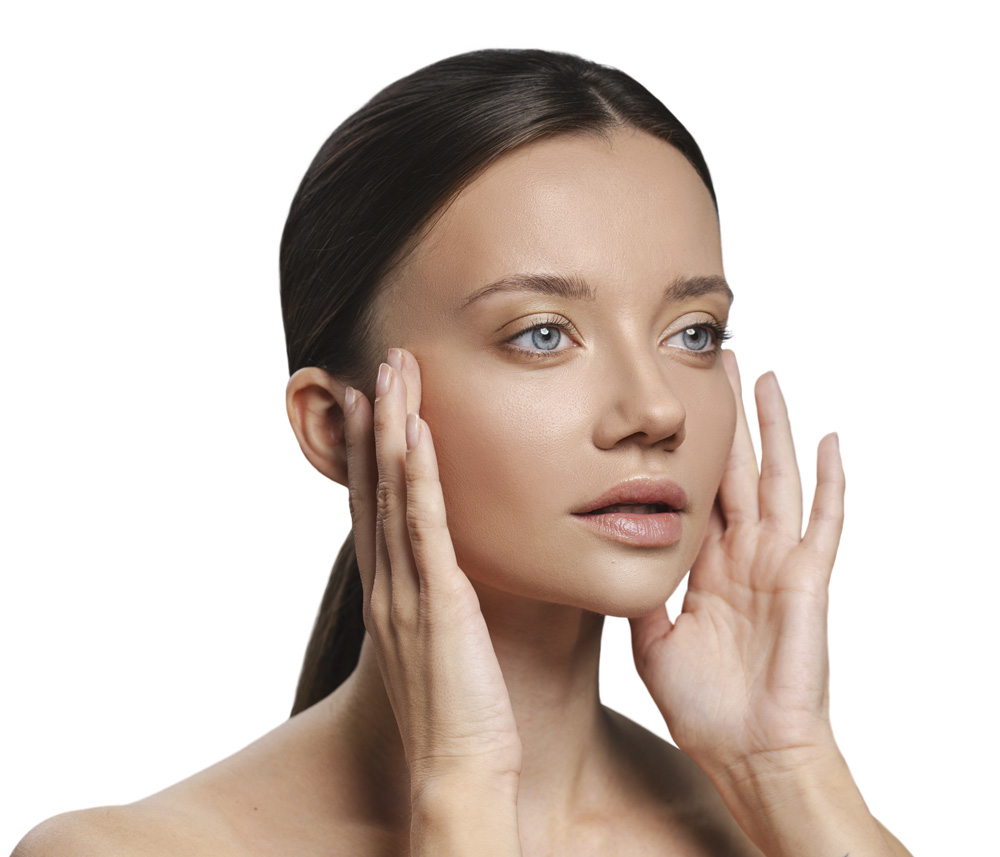
Gravity assists fluid drainage. To reduce swelling on the face, keep the head elevated. Sleep with two to three pillows. The inclined position encourages fluid to drain away from the surgical site. Facial swelling reduces more quickly with consistent elevation. To reduce swelling on the body, elevate the treated area when possible. Leg procedures benefit from elevation above heart level. Abdominal procedures benefit from a slightly reclined position. To reduce swelling through elevation, maintain the elevated position during sleep for at least one to two weeks. Daytime elevation whenever resting further supports drainage. Patients who commit to consistent elevation notice faster swelling resolution than those who sleep flat. The difference is meaningful. Elevation is one of the simplest and most effective strategies to reduce swelling after surgery.
How to Reduce Swelling After Surgery: Compression
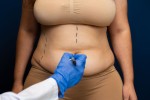
Compression garments are essential for body procedures. To reduce swelling involving liposuction, tummy tuck, breast surgery or body lift, the compression garment must be worn as directed. Typically four to six weeks of continuous wear is recommended. Compression applies steady external pressure. This limits the space available for fluid accumulation. To reduce swelling with compression, the garment must fit correctly. Too loose provides insufficient pressure. Too tight restricts circulation. The surgeon or nursing team fits the garment appropriately. To reduce swelling, compression compliance is one of the most impactful factors. Patients who wear their garment consistently achieve smoother contours and faster swelling resolution. Those who remove the garment prematurely or wear it intermittently see slower improvement. Facial procedures may use a head wrap or chin strap for the same purpose.
How to Reduce Swelling After Surgery: Nutrition and Hydration
| Strategy | When to Apply |
| Cold compresses | First forty-eight hours |
| Head/body elevation | First one to two weeks (especially sleeping) |
| Compression garments | Four to six weeks continuously |
| Lymphatic drainage massage | From week two onwards |
| Low-sodium diet | Throughout recovery |
| Hydration | Throughout recovery |
| Light walking | From day one |
Diet significantly affects swelling. To reduce swelling, limit sodium intake throughout the recovery period. Sodium promotes fluid retention. High-salt foods worsen swelling. Processed foods, restaurant meals and snack foods are the most common sodium sources. To reduce swelling through diet, focus on whole foods prepared at home with minimal salt. Anti-inflammatory foods support recovery. Pineapple contains bromelain, a natural anti-inflammatory enzyme. Leafy greens provide antioxidants. Protein supports tissue repair. To reduce swelling after surgery, prioritise lean protein, vegetables and fruit at every meal. Hydration is counterintuitive but critical. To reduce swelling, drink more water rather than less. Adequate hydration helps the body process and eliminate excess fluid. Dehydration causes the body to retain fluid. Aim for two to three litres of water daily. Avoid alcohol during recovery. It promotes dehydration and inflammation.
How to Reduce Swelling After Surgery: Lymphatic Drainage Massage
Professional lymphatic drainage supports faster fluid clearance. To reduce swelling, manual lymphatic drainage massage encourages the lymphatic system to process accumulated fluid. The technique uses gentle, rhythmic pressure along lymphatic pathways. Fluid is directed toward lymph nodes for processing. To reduce swelling after surgery with massage, begin approximately two weeks after the procedure. Earlier massage risks disrupting healing tissue. The surgeon confirms when massage can safely begin. Two to three sessions per week during the active swelling phase produces the most noticeable benefit. To reduce swelling, lymphatic drainage is particularly valuable after liposuction and tummy tuck. These procedures produce the most significant fluid accumulation. Massage accelerates the resolution.
How to Reduce Swelling After Surgery: Activity and Movement
Light movement supports circulation. To reduce swelling, begin gentle walking from day one. Short walks around the home promote blood and lymph circulation. Stagnant fluid accumulates when the body is completely immobile. Movement encourages fluid processing. To reduce swelling after surgery, increase walking duration gradually over the first two weeks. By week two, twenty to thirty minute walks are appropriate. The movement should be comfortable. Pushing into discomfort is counterproductive. To reduce swelling after surgery, avoid strenuous exercise during the early weeks. Elevated heart rate increases blood flow to the surgical site. This can worsen swelling. Light walking is the appropriate activity level. The surgeon clears more vigorous exercise when healing allows. To reduce swelling after surgery, the balance is gentle movement that promotes circulation without stimulating additional inflammation.
Conclusion
Swelling is a normal part of cosmetic surgery recovery. It peaks at forty-eight to seventy-two hours and resolves over weeks to months. Cold therapy during the first two days limits accumulation. Elevation encourages drainage. Compression garments are essential for body procedures. Low-sodium nutrition, adequate hydration and anti-inflammatory foods support resolution. Lymphatic drainage massage accelerates fluid clearance. Light walking promotes circulation. Avoiding alcohol, smoking, heat and excessive salt prevents worsening. Following these strategies helps reduce swelling after surgery effectively and supports the fastest possible recovery.
For more information about swelling and to book a consultation visit the ACIBADEM Beauty Center Aesthetics page.
Frequently Asked Questions
Forty-eight to seventy-two hours. It reduces gradually over the following weeks.
Three to six months for body procedures. Up to twelve months for rhinoplasty.
Yes. Adequate hydration helps the body process and eliminate excess fluid.
Approximately two weeks after surgery with surgeon clearance.
Significantly. Consistent garment wear is one of the most impactful swelling management strategies.