Ataşehir Mah. Feza Sk. No:3 İstanbul / Türkiye
 French
  English
  German
  Spanish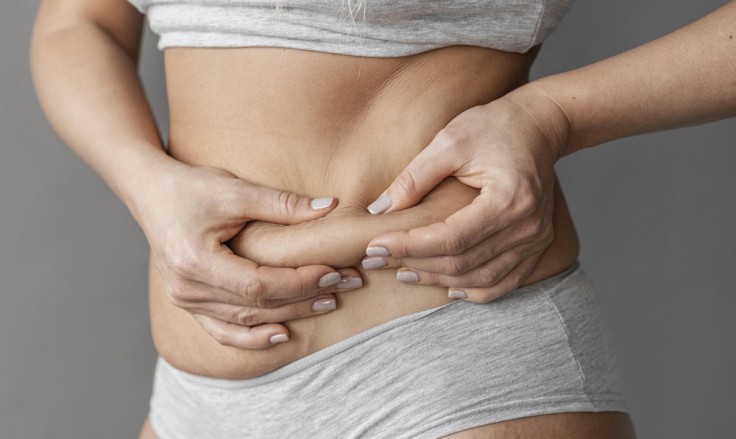
Introduction
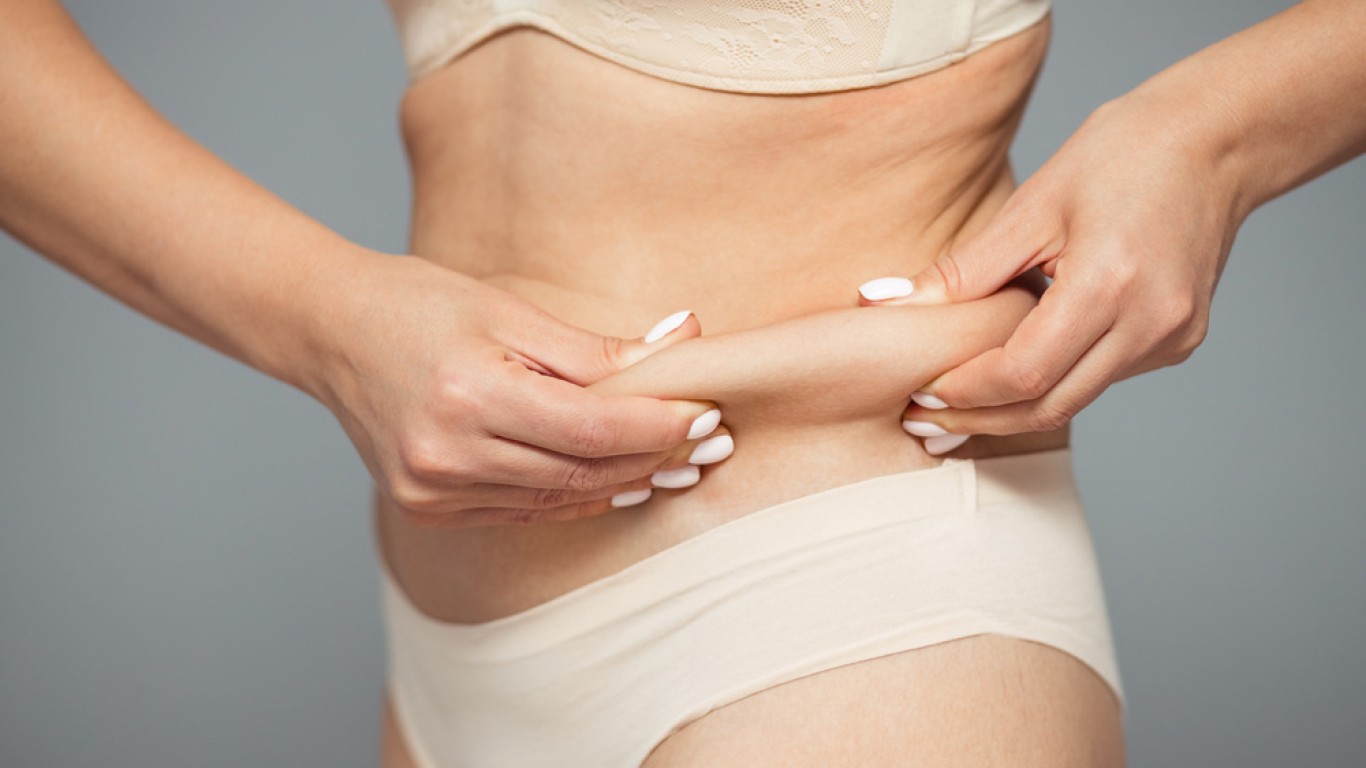
Many people follow balanced diets and consistent exercise routines yet still struggle with stubborn belly fat. This area often responds differently compared to other parts of the body, even when overall fitness improves. Even with noticeable weight loss in the face, arms or legs, the abdomen may retain localised fullness. Genetics, hormones and fat cell distribution all influence this pattern of storage. Stress levels and sleep quality can also contribute to central fat accumulation. Understanding why stubborn belly fat persists helps determine the most appropriate treatment approach. Modern contouring techniques now offer targeted solutions beyond lifestyle adjustments alone, especially when efforts have plateaued.
Why Stubborn Belly Fat Can Be Resistant
The abdominal region contains both subcutaneous and visceral fat. Subcutaneous fat sits directly beneath the skin and is usually the focus of contouring treatments. Visceral fat lies deeper around internal organs and responds primarily to overall weight management and metabolic health. Stubborn belly fat often refers to the superficial layer that remains despite calorie control and exercise. Hormonal fluctuations, stress and age can influence fat storage in this region. Cortisol, for example, is associated with central fat accumulation. Some individuals are genetically predisposed to accumulate fat centrally, regardless of activity level. This explains why abdominal contour may not match efforts made elsewhere on the body.
Hormonal Influence on Abdominal Fat Storage
Hormones play a significant role in where the body stores fat. In both men and women, changes in insulin sensitivity can encourage accumulation around the midsection. Elevated cortisol levels, often linked to stress, are also associated with increased central fat storage. In women, fluctuations in oestrogen during perimenopause and menopause can shift fat distribution toward the abdomen. In men, gradual reductions in testosterone may contribute to similar patterns. These hormonal shifts explain why some individuals develop abdominal fullness despite maintaining previous lifestyle habits. Recognising this biological influence helps patients understand that stubborn belly fat is not always a reflection of effort or discipline.
Differences Between Upper and Lower Abdominal Fat
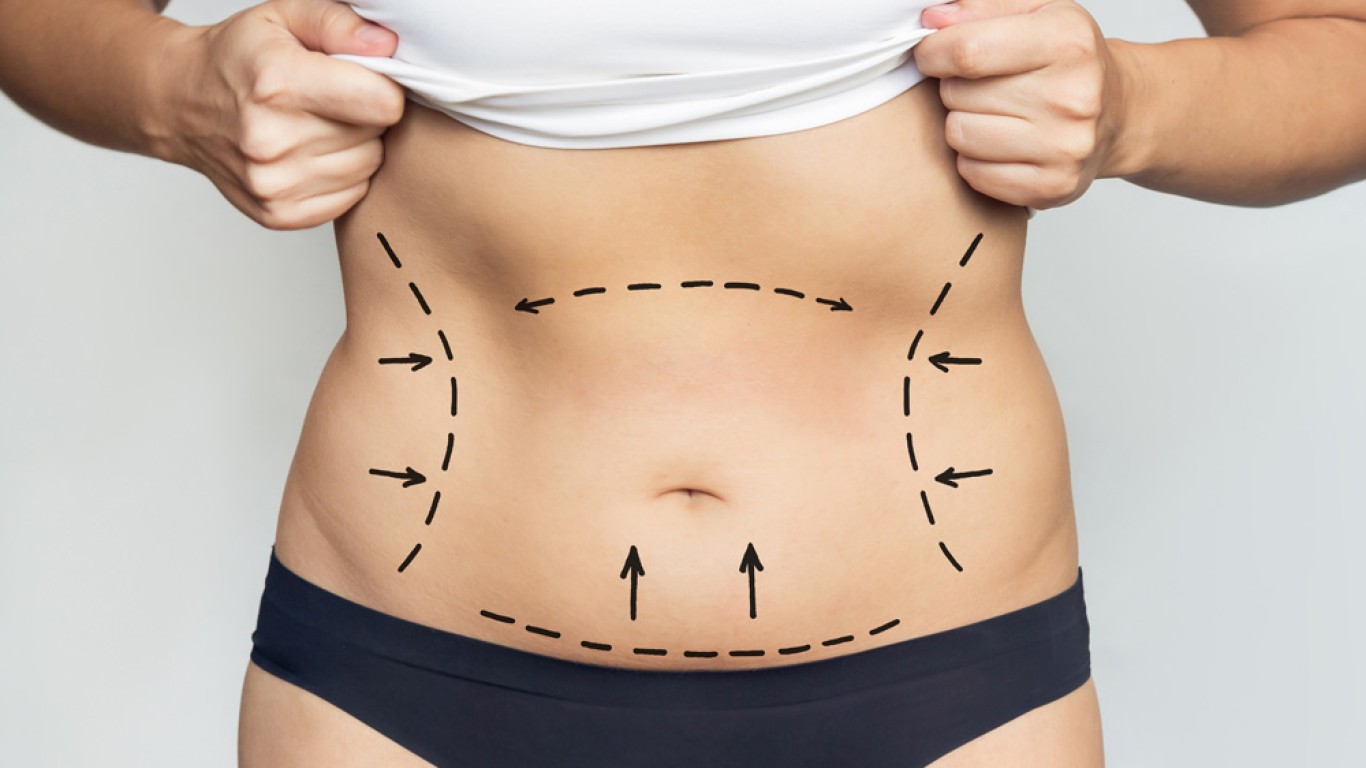
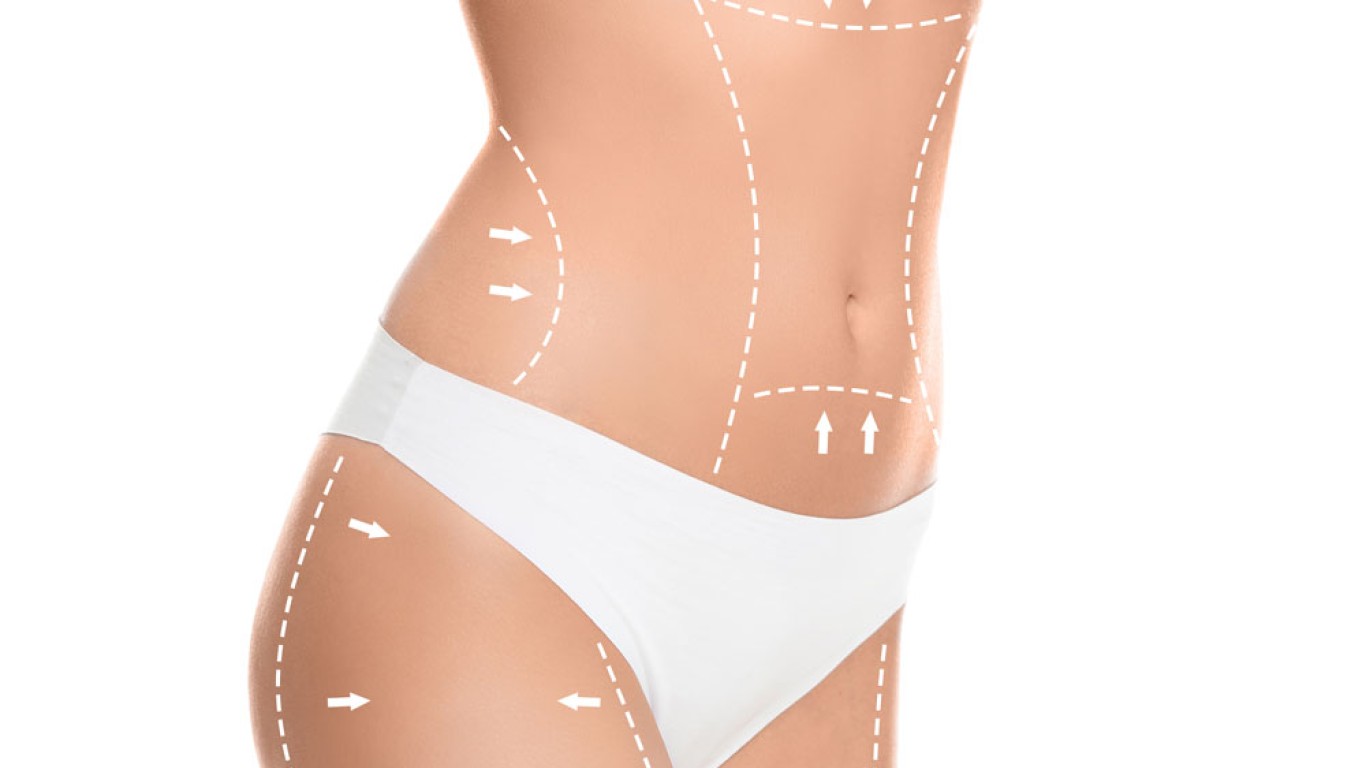
The abdomen is not a uniform area. Upper abdominal fullness often differs in texture and distribution compared to the lower abdomen. Lower abdominal fat can be more resistant due to reduced circulation and hormonal influence. Treatment planning takes these differences into account. Some patients require focused reduction in the lower region to achieve balanced contour. Addressing only one section may leave visible disproportion. A customised approach ensures smoother transitions across the entire abdominal surface.
The Role of Core Strength Versus Fat Reduction
Strengthening the abdominal muscles improves tone and posture but does not directly eliminate fat cells. Core exercises enhance muscle definition beneath the surface. However, if a layer of fat remains above the muscle, visible contour may still appear soft. Understanding this distinction prevents frustration. Many patients with strong core muscles still struggle with stubborn belly fat. In such cases, targeted contouring works alongside fitness efforts. Muscle tone provides a foundation, while fat reduction refines the visible outline. Combining both strategies supports more defined and proportionate abdominal appearance over time.
Post-Pregnancy Abdominal Changes
After pregnancy, many women notice that abdominal contour doesn’t fully return to its pre-pregnancy state. The skin and connective tissue stretch significantly during gestation. Even with weight loss, residual fat pockets may persist in the lower abdomen. Hormonal changes during pregnancy can also alter fat distribution patterns. For some women, stubborn belly fat remains despite exercise and targeted core strengthening. In these cases, medical contouring may address localised fullness that doesn’t respond to traditional methods. Careful assessment ensures that treatment focuses on fat rather than underlying muscle separation, which requires a different approach.

Lifestyle Optimisation Before Medical Treatment
Before considering medical intervention, lifestyle factors should be reviewed carefully. A balanced diet rich in protein and fibre supports metabolic stability and satiety. Reducing processed carbohydrates may help regulate insulin response. Strength training helps maintain lean muscle mass, which contributes to fat metabolism and improved body composition. However, even with optimal habits, stubborn belly fat may remain. This is particularly common after pregnancy, hormonal shifts or significant weight fluctuation. Age-related metabolic changes may also slow fat redistribution. When lifestyle measures plateau despite disciplined effort, medical contouring options may be considered for refinement rather than overall weight reduction.
Non-Surgical Options for Stubborn Belly Fat
Non-surgical treatments can reduce localised abdominal fullness without incisions or general anaesthesia. Technologies such as cryolipolysis, radiofrequency and ultrasound selectively target fat cells while protecting surrounding tissue. These methods disrupt fat cells, which are then processed by the body’s natural metabolic pathways. Stubborn belly fat treated through non-invasive methods typically reduces gradually over several weeks. Multiple sessions might be recommended depending on fat thickness and desired refinement. These treatments are best suited for mild to moderate deposits rather than large volume reduction. They are particularly attractive to individuals seeking minimal downtime.
Stubborn Belly Fat: Cryolipolysis for Localised Fat Reduction
Cryolipolysis uses controlled cooling to affect fat cells selectively. Fat tissue is more sensitive to cold temperatures than surrounding structures such as skin or muscle. When exposed to precise cooling, fat cells crystallise and gradually break down over time. This method is commonly used for stubborn belly fat in patients with pinchable deposits that can be drawn into the applicator. The treatment is performed ‘in clinic’ and typically requires no recovery time. Results appear progressively over several weeks as the body eliminates treated cells naturally.
Stubborn Belly Fat: Radiofrequency and Ultrasound Technology
Energy-based systems use heat or sound waves to target fat layers beneath the skin. These technologies can also stimulate collagen production in the surrounding tissue. This dual effect may improve mild skin laxity while reducing volume in the treated area. For patients concerned about both fullness and slight looseness of the abdominal skin, these options can provide balanced improvement. Sessions are typically brief and well tolerated. The outcome is subtle refinement rather than dramatic reshaping, making it suitable for incremental improvement.
Surgical Treatment: Abdominal Liposuction
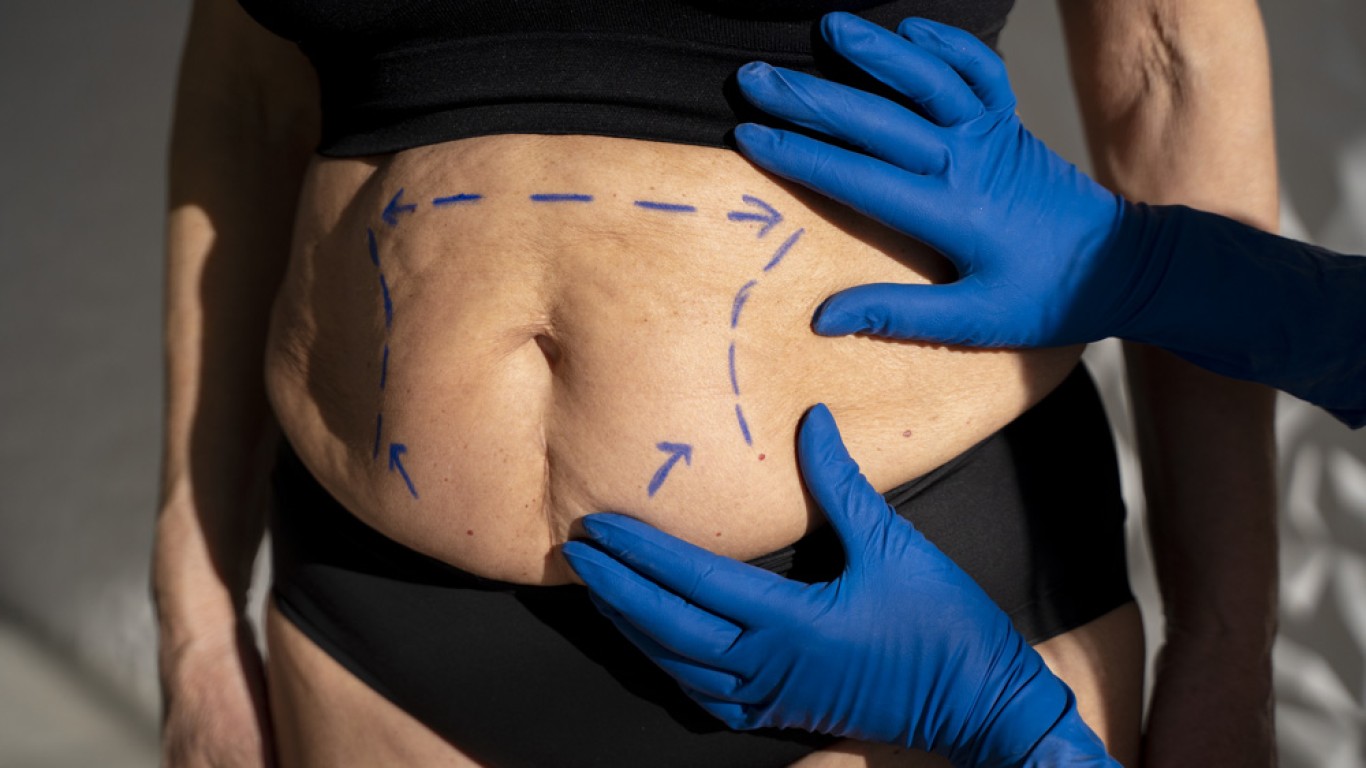
When stubborn belly fat is more significant or resistant, surgical removal may be appropriate. Liposuction physically removes fat cells through small, strategically placed incisions. A fine cannula is used to suction targeted deposits carefully and evenly. This approach offers more immediate and noticeable contour change compared to non-invasive methods. Surgeons focus on maintaining smooth transitions and natural abdominal curves. Recovery involves temporary swelling and compression garment use. With proper technique and aftercare, results appear smooth and proportionate once healing progresses.
Skin Tightening Considerations for Stubborn Belly Fat
Fat removal doesn’t automatically tighten loose skin. Skin elasticity determines how well the abdomen adapts to reduced volume. Younger patients with firm skin typically experience smoother contraction and more defined results. When mild laxity is present, energy-based tightening treatments may complement contouring procedures. In cases of significant skin excess, surgical lifting techniques may be discussed. Evaluation of skin quality is essential before selecting the most suitable treatment pathway.
Maintaining Results Long Term
Treated fat cells do not regenerate in the same area. However, remaining fat cells can enlarge if weight increases significantly. Maintaining stable body weight supports lasting abdominal contour and definition. Balanced nutrition, regular physical activity and adequate sleep remain essential after treatment. Medical contouring refines shape but does not replace healthy habits. Consistency ensures long term stability and satisfaction with the improved silhouette.
Why Many Patients Choose Turkey for Tackling Stubborn Belly Fat
Turkey has become a leading destination for body contouring procedures due to advanced facilities and experienced specialists. Clinics combine modern technology with structured assessment protocols. Treatments for stubborn belly fat in Turkey are often supported by personalised consultation and tailored planning. Patients value comprehensive evaluation, detailed explanation and refined technique focused on proportion and natural contour.
Conclusion
Stubborn belly fat can persist in spite of disciplined diet and exercise efforts. When lifestyle optimisation reaches its limits, targeted medical treatments offer effective refinement. Non-surgical options provide gradual improvement, while liposuction delivers more immediate contour change for suitable candidates. Selecting the appropriate approach depends on fat thickness, skin quality and personal goals. With careful planning and professional guidance, abdominal contour can be enhanced safely and proportionately.
If you’re interested in speaking to someone about abdominal contouring, book a consultation via the ACIBADEM Beauty Center website.
Frequently Asked Questions
Genetics, hormones and stress levels often influence abdominal fat storage patterns.
Exercise supports overall fat loss but may not target localised abdominal deposits.
Treated fat cells are eliminated, but maintaining stable weight is important.
When performed by qualified surgeons, it is a well-established and precise procedure.
Non-surgical changes appear gradually, while surgical results refine over several weeks.