Ataşehir Mah. Feza Sk. No:3 İstanbul / Türkiye
 French
  English
  German
  Spanish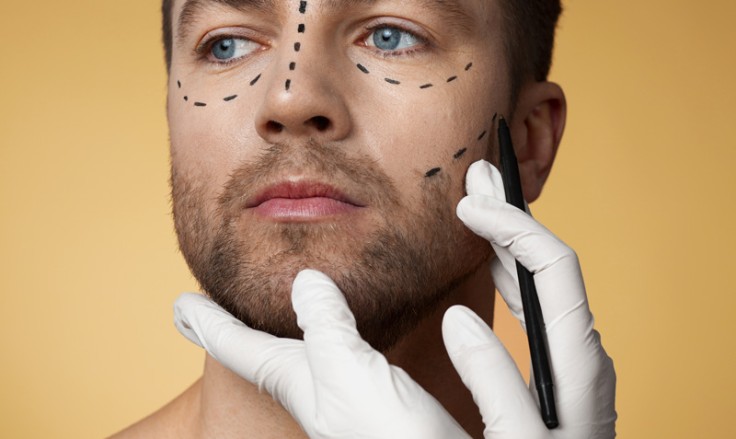
Introduction
Facial ageing affects men and women differently due to variations in skin thickness, bone structure and fat distribution. In men, volume loss and skin laxity often alter jawline definition. Cheek structure and neck contour also are altered more noticeably in the lower face. Many male patients seek refinement without appearing overcorrected or artificially tightened. Male facelift techniques are designed specifically to preserve masculine structure while restoring firmness. The goal is not dramatic change but subtle rejuvenation that enhances existing features. Understanding how these techniques differ ensures more natural, proportionate and age appropriate outcomes.
How Male Ageing Patterns Differ
Male skin is generally thicker and contains more collagen than female skin. This can delay early signs of ageing. However, men often experience more pronounced heaviness in the lower face once laxity begins. The jawline may lose definition, and the neck may appear fuller or less structured. Techniques for male facelifts account for these anatomical differences. Rather than softening angles or narrowing facial width, surgeons aim to preserve strong, defined contours. Masculine facial lines are maintained while sagging tissue is repositioned carefully. Respecting male facial anatomy is essential to achieving results that look refreshed yet authentic.
Traditional Versus Deep Plane Approaches
Several surgical approaches exist within facelift techniques for males. Traditional methods focus on tightening the superficial muscular layer and removing excess skin. These approaches can improve mild to moderate laxity effectively while maintaining natural movement. The deep plane technique repositions deeper facial structures instead of relying solely on surface tension. This allows more comprehensive lifting of the midface and jawline. For male patients, deep repositioning supports natural expression. It avoids an overly tight or stretched surface. Selecting the appropriate method depends on age, skin quality and desired degree of correction.
Male Facelift Techniques: Preserving a Masculine Jawline
Jawline definition plays a central role in male facial aesthetics. Excessive skin removal or overcorrection can distort natural angles and reduce perceived strength. Male techniques for facelifts prioritise sculpting along the mandible without narrowing the lower face. Strategic repositioning enhances definition while maintaining width and structural integrity. The aim is refined contour that appears consistent with masculine features rather than softened.
Male Facelift Techniques: Addressing Neck Laxity in Men
Neck ageing is often more visible in men. This is due to thicker tissue and beard growth patterns that draw attention to contour. Loose skin and muscle banding can obscure profile definition and create a heavier appearance. Male facelift techniques frequently include neck contouring to restore a sharper cervicomental angle. Tightening underlying muscle layers improves both frontal and side profile balance. Natural results depend on conservative adjustment that enhances structure without creating artificial tightness.
Male Facelift Techniques:Incision Placement and Scar Considerations
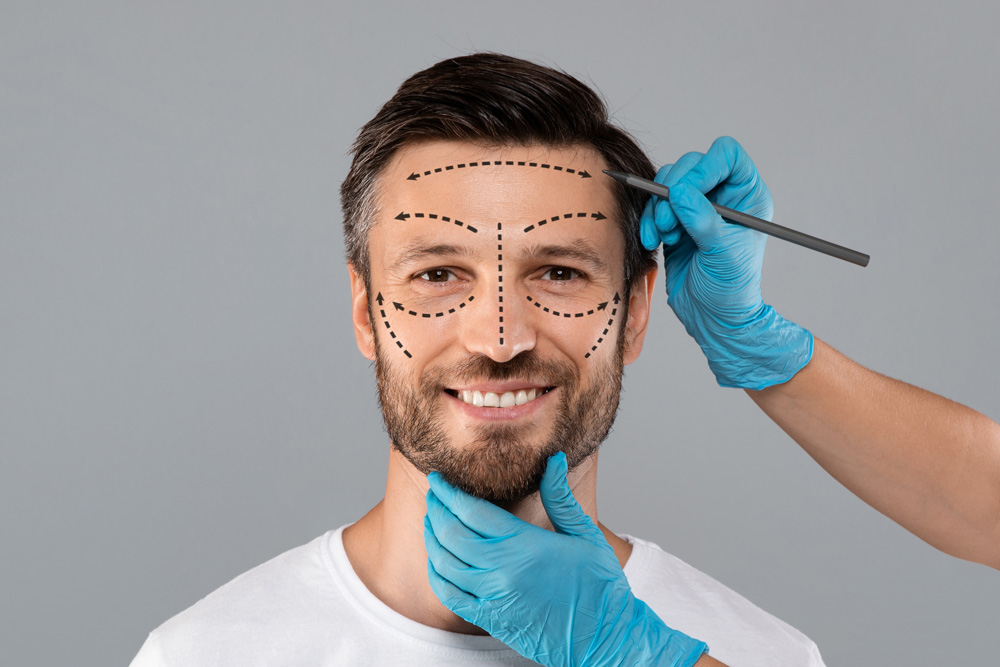
Incisions in male procedures require particularly careful planning. Hairline position, sideburn alignment and facial hair patterns influence placement strategy significantly. Techniques for male facelifts position incisions to avoid visible shifts in beard growth. Or, distortion of natural hair patterns. Scars are typically concealed around the ear and within natural creases. Proper placement supports discreet healing and seamless integration into surrounding skin.
Male Facelift Techniques: Recovery and Healing Expectations
Recovery from a male facelift follows a similar timeline to other facial procedures. Swelling and mild bruising are common during the first weeks, gradually improving over time. Techniques for male facelifts aim to minimise excessive skin tension. This supports smoother healing and reduced visible tightness. Most patients return to social activities within a few weeks, although subtle swelling may persist. Final contour becomes clearer as tissues settle and adapt gradually.
Male Facelift Techniques: Avoiding an Overdone Appearance
A common concern among male patients is looking unnatural or obviously altered. Over-tightening can create a pulled look that appears inconsistent with masculine identity. Male facelift techniques emphasise balanced repositioning rather than dramatic surface tightening. Subtle elevation of sagging areas maintains authenticity and preserves facial character. Careful surgical planning ensures that results appear refreshed, rested and proportionate rather than transformed.
Combining with Complementary Treatments
Some patients benefit from combining surgery with non surgical treatments. For example, skin resurfacing or volume enhancement. These additions can improve skin quality and restore subtle midface fullness. Male facelift techniques can be integrated into broader facial rejuvenation strategies tailored specifically for men. Combination approaches are designed to enhance contour while maintaining masculine features and natural movement.
Why Many Men Choose Turkey for Facelift Procedures
Turkey has developed significant expertise in facial aesthetic surgery, including procedures tailored to male anatomy. Clinics offer personalised consultations that focus on structure, proportion and realistic goals. Techniques for male facelifts performed in experienced centres emphasise subtle enhancement and careful incision placement. Patients value advanced planning, modern surgical methods and structured aftercare that supports predictable, natural outcomes.
Male Facelift Techniques and the Importance of Masculine Facial Identity
One of the most important aspects of male facelift planning is preserving identity. Men rarely want to look “lifted.” Instead, they want to look less tired and more structured. Techniques for male facelifts focus on restoring definition without altering core facial characteristics. The brow should not appear overly elevated, and the jawline should retain its natural width. Maintaining masculine identity is essential to achieving believable results. Subtle repositioning rather than dramatic tightening allows faces to appear refreshed rather than surgically altered.
Balancing Lift With Natural Skin Tension
Over-tightening remains one of the biggest concerns for male patients. Excessive tension can create a pulled appearance that looks unnatural. Male facelift techniques distribute tension within deeper layers rather than relying on skin stretching. This approach prevents distortion around the mouth and ears. Balanced lifting ensures the face moves naturally during expression. The objective is smooth contour without visible tightness. When tension is managed carefully, healing appears more refined and scars remain less noticeable.
The Role of Neck Definition in Male Rejuvenation
For many men, the neck defines overall ageing more than the midface. Loss of definition beneath the chin can blur profile structure. Male facelift techniques often prioritise improving the cervicomental angle to restore a sharper outline. Repositioning deeper tissues beneath the jaw supports this refinement. Conservative tightening prevents an artificial appearance. Restoring a clean transition between chin and neck enhances masculine proportions significantly. Even modest improvement in this region can transform profile balance.
Strategic Volume Preservation in Male Faces
Unlike female rejuvenation, male procedures rarely emphasise volume enhancement. Overfilling the midface can soften angular structure. Male facelift techniques focus primarily on lifting descended tissue rather than adding fullness. Preserving lean definition supports natural masculinity. When volume correction is needed, it is performed conservatively. The goal is structure rather than softness. Careful restraint ensures results appear authentic rather than cosmetically enhanced.
Customising Results Based on Lifestyle
Men often seek procedures that fit within professional responsibilities. Downtime planning plays a significant role in decision making. Male facelift techniques are structured to minimise excessive bruising and tension where possible. Many patients prefer subtle outcomes that do not prompt obvious questions. Returning to work looking refreshed rather than transformed is often the priority. Tailoring technique to lifestyle supports long term satisfaction.
Long-Term Aesthetic Planning for Men
Facial ageing continues gradually after surgery. A well executed facelift should age naturally over time. Male facelift techniques are designed to create a strong structural foundation. Maintaining skin quality through sun protection and healthy habits supports longevity. Some patients later combine non surgical treatments to maintain refinement. Planning for gradual ageing rather than dramatic reversal ensures balanced outcomes. The aim is sustained proportion rather than temporary perfection.
Why Subtlety Defines Success in Male Procedures
The most successful outcomes are often the least obvious. Friends and colleagues may notice a healthier appearance without identifying surgery. Male facelift techniques rely on controlled, conservative adjustment. Respecting natural facial lines preserves authenticity. When proportions are restored rather than reshaped, results feel credible. Subtlety ultimately defines the difference between enhancement and alteration.
Conclusion
Male facelift techniques are specifically designed to preserve masculine structure while addressing visible ageing. By respecting natural angles and avoiding excessive tension, surgeons achieve balanced and authentic results. Careful incision placement, deep tissue repositioning and personalised planning all contribute to discreet healing and natural appearance. With appropriate technique and experienced guidance, men can achieve rejuvenation that looks subtle, proportionate and consistent with their identity.
For more information and to book a consultation visit the ACIBADEM Beauty Center Facelift webpage.
Frequently Asked Questions
Yes, they focus on preserving masculine angles and structure.
When performed properly, results appear natural and subtle.
Most swelling improves within a few weeks.
Incisions are carefully placed to minimise visibility.
Yes, neck tightening is often included for balanced results.