Ataşehir Mah. Feza Sk. No:3 İstanbul / Türkiye
 English
  German
  Spanish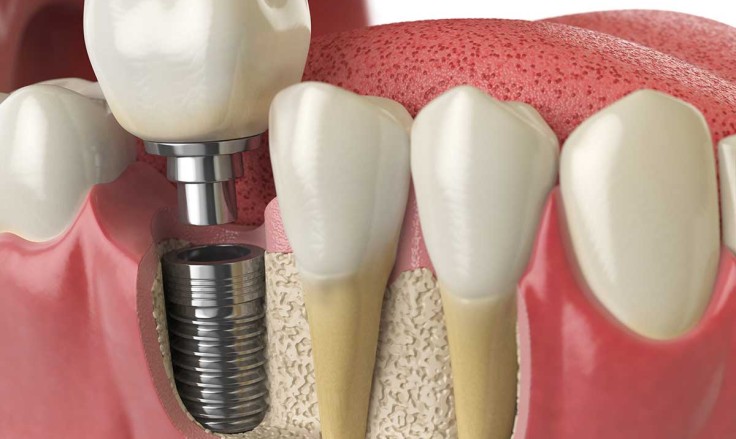
Introduction
Dental implants are the gold standard for replacing missing teeth. They provide a permanent, natural-looking and fully functional restoration. The dental implant process involves several stages over several months. Understanding each step helps patients prepare with confidence. Many patients feel uncertain about what the procedure involves. This article explains the complete dental implant process from initial consultation through to the final crown. It covers what happens at each stage and what patients can expect.
What Is a Dental Implant?
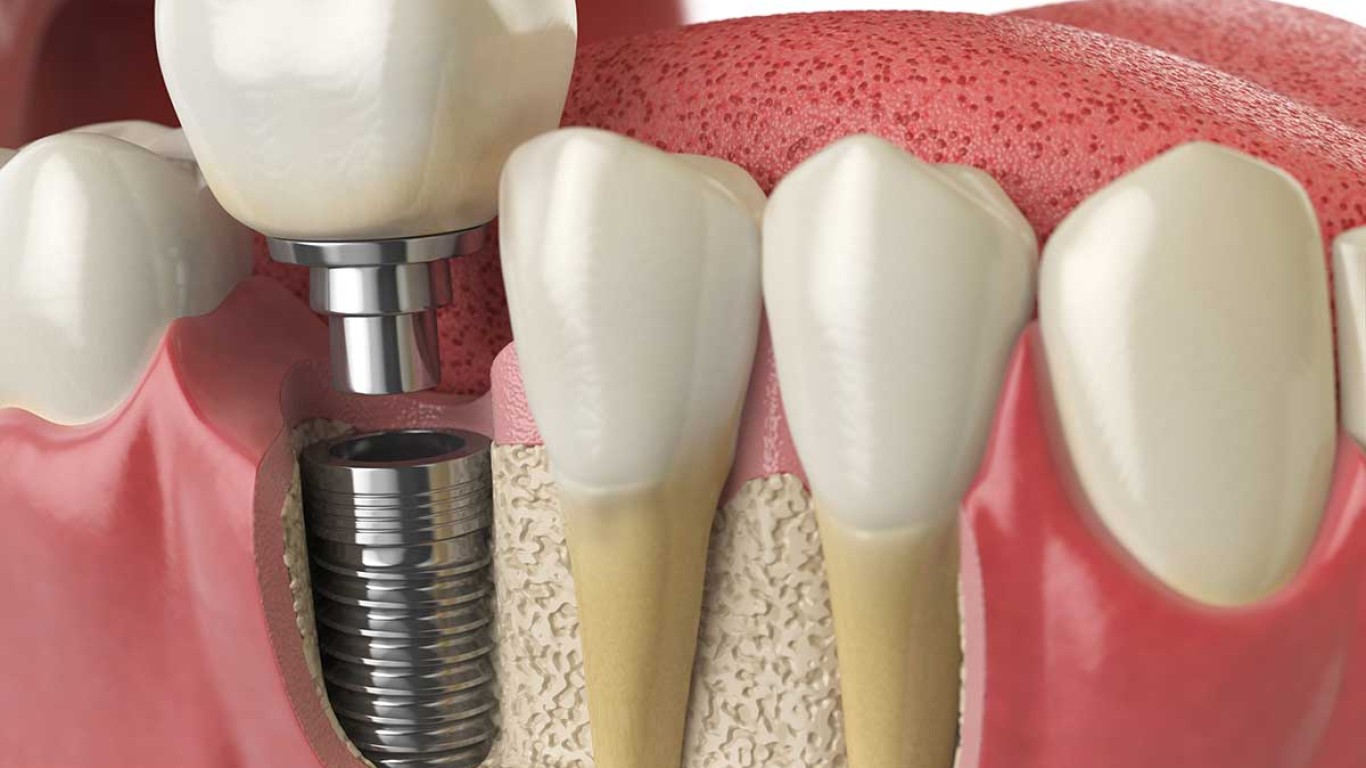
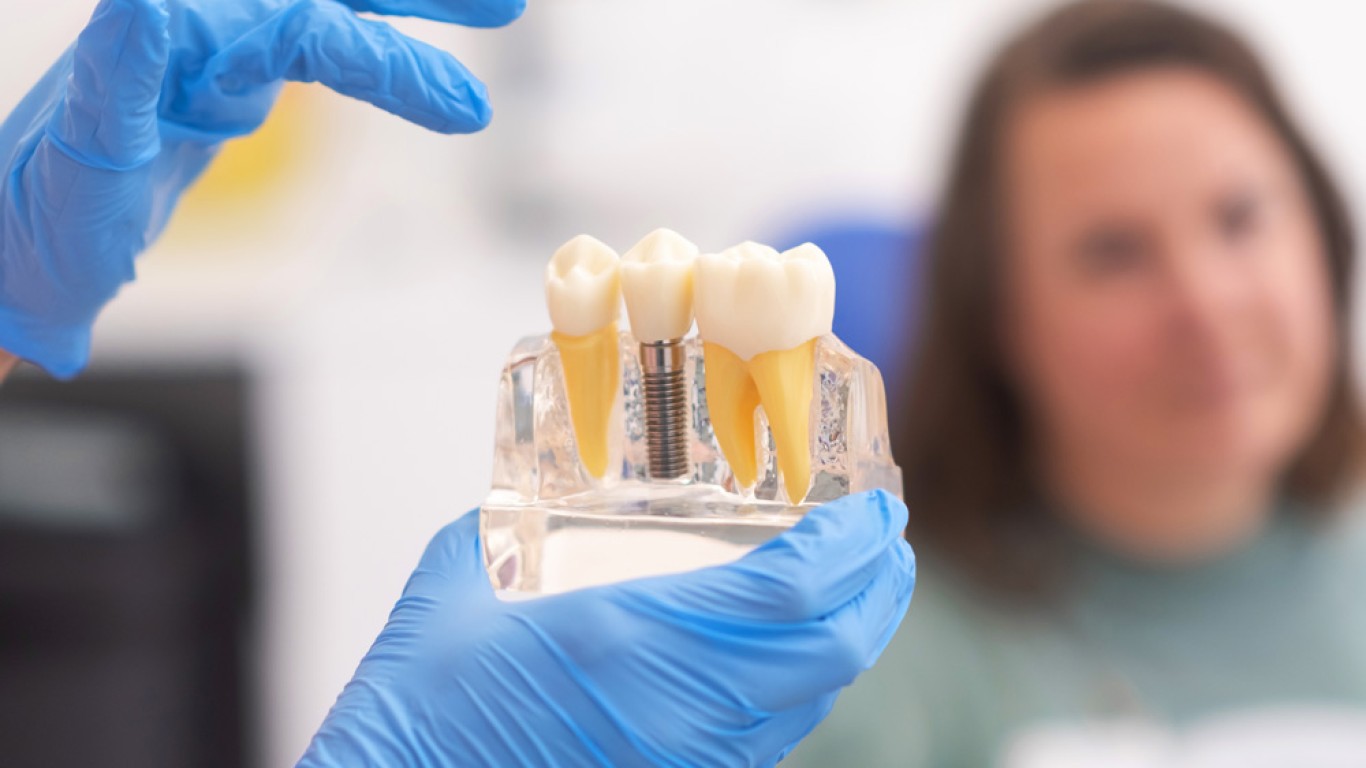
A dental implant is a titanium post placed into the jawbone. It acts as an artificial tooth root. The implant bonds with the bone through a process called osseointegration. Once integrated, it provides a stable foundation for a replacement tooth. The dental implant process creates a restoration that looks, feels and functions like a natural tooth. The implant itself sits within the bone. An abutment connects the implant to the visible crown. The crown is the tooth-shaped restoration that sits above the gum line. Dental implants can replace single teeth, multiple teeth or full arches. They are the most durable and natural-feeling tooth replacement option available. The process has been refined over decades and has a success rate exceeding ninety-five percent.
Dental Implant Process: Consultation and Planning
The dental implant process begins with a thorough consultation. The dentist examines the mouth, teeth and gums. X-rays and CT scans assess bone density and volume. Sufficient bone is essential for implant stability. The dental implant process planning stage identifies whether bone grafting is needed. The number of implants required is determined. Treatment options are discussed and single implants replace individual teeth. Implant-supported bridges replace several adjacent teeth. All-on-four or All-on-six systems replace full arches. The process timeline is mapped out. Pricing and package inclusions are confirmed. Digital planning tools allow precise implant positioning before surgery. Patients should use this appointment to ask questions about every stage. Understanding the full process before committing reduces uncertainty.
The Dental Implant Process: Bone Grafting
Not every patient needs bone grafting. It is required when the jawbone lacks sufficient volume or density. Tooth loss causes bone resorption over time. The longer a tooth has been missing, the more bone is typically lost. The dental implant process includes bone grafting when the existing bone cannot support an implant securely. Grafting material is placed at the deficient site. The body integrates this material over three to six months. New bone forms around and within the graft. The dental implant process then continues with implant placement once the bone has healed adequately. Sinus lifting is a specific type of grafting for the upper jaw. It creates bone height beneath the sinus cavity. Not every patient requires grafting. Those with adequate bone proceed directly to implant placement. The dentist determines this during the planning stage.

The Dental Implant Process: Implant Placement Surgery
Implant placement is the surgical stage of the dental implant process. The procedure is performed under local anaesthesia. Sedation is available for anxious patients. The dentist makes a small incision in the gum tissue. A precise hole is drilled into the jawbone at the planned position. The titanium implant post is placed into this site. The process at this stage takes approximately thirty to sixty minutes per implant. Multiple implants can be placed during the same session. The gum tissue is closed over the implant and a healing cap may be placed. The process then enters the osseointegration phase. Most patients experience mild discomfort for a few days after surgery. Pain is well managed with standard medication. Swelling subsides within a week. Most patients return to normal activities within one to two days.
The Dental Implant Process: Osseointegration
Osseointegration is the most important phase of the dental implant process. The titanium implant fuses with the surrounding jawbone. This biological bonding creates exceptional stability. The process relies entirely on successful osseointegration. Without it, the implant cannot support a crown. Osseointegration takes three to six months. The lower jaw typically integrates faster than the upper jaw. During this period, the implant is beneath the gum surface. Patients may wear a temporary restoration for aesthetics. The process requires patience during this healing phase. The implant must not be loaded with excessive force. Normal eating continues with care around the surgical site. The dentist monitors progress through the osseointegration period. Follow-up appointments confirm that integration is proceeding normally.
The Dental Implant Process: Abutment and Crown
Once osseointegration is confirmed, the final stages begin. The abutment is a connector piece. It is attached to the integrated implant. A small procedure opens the gum tissue to access the implant. The abutment is secured and the gum then heals around it over one to two weeks. The dental implant process then moves to crown fabrication. Impressions or digital scans capture precise measurements. The crown is crafted to match the patient's natural teeth. Shade, shape and size are customised. The process concludes with crown placement. The crown is fitted onto the abutment. Dentist checks the bite and adjusts as needed. The crown is secured permanently. The process is now complete. Patient has a fully functional, natural-looking replacement tooth. Most patients cannot distinguish the implant from their natural teeth.
The Dental Implant Process: Timeline Summary
| Stage | Timeline |
| Consultation and planning | Before surgery |
| Bone grafting (if needed) | Three to six months before implant |
| Implant placement | Day of surgery |
| Osseointegration | Three to six months |
| Abutment placement | After osseointegration |
| Crown fitting | Two to four weeks after abutment |
The total process takes four to nine months from start to finish. Patients requiring bone grafting face a longer timeline. Those with adequate bone proceed more quickly. The process timeline varies between individual patients. The dentist provides a personalised schedule during the planning consultation. International patients travelling to Turkey typically require two visits separated by the osseointegration healing period.
Aftercare and Maintenance
Aftercare supports long-term implant success. The dental implant process does not end at crown placement. Ongoing maintenance is essential. Brush twice daily with a soft-bristled toothbrush. Floss daily around the implant crown. Use an interdental brush to clean beneath the restoration. The process aftercare includes regular dental check-ups every six months. Professional cleaning removes plaque that home care may miss. The implant itself cannot develop decay. However, the surrounding gum tissue can become inflamed. Peri-implantitis is the implant equivalent of gum disease. It can cause bone loss around the implant over time. The process investment is protected through consistent oral hygiene and professional monitoring. Most implants last a lifetime with proper care. The crown may need replacement after fifteen to twenty years. The implant post itself remains permanently integrated.
Dental Implant Process in Turkey
Turkey offers the complete dental implant process at competitive pricing. All-inclusive packages cover consultation, imaging, surgery, healing components and final crown. Turkish dental clinics use premium implant brands including Straumann and Nobel Biocare. Experienced implantologists perform the procedure at high volume. JCI-accredited facilities meet international standards. Process in Turkey requires two visits for standard cases. The first visit covers planning and implant placement over three to five days. The second visit for crown fitting takes three to five days after the healing period. Remote consultation before travel allows thorough assessment and planning. The pricing advantage of Turkey makes high-quality dental implants accessible to more patients.
Conclusion
The dental implant process follows a structured pathway from consultation through to final crown placement. Each stage serves a specific purpose. Planning ensures precise positioning. Surgery places the titanium post. Osseointegration creates a permanent bond with bone. The crown completes the natural-looking restoration. The dental implant process takes four to nine months in total. Success rates exceed ninety-five percent. Lifelong maintenance supports the investment. Professional consultation ensures personalised treatment planning. Turkey offers the complete process at competitive pricing with experienced specialists.
Are you interested in exploring whether dental implants are right for you? Visit the ACIBADEM Beauty Center Dental Treatments page.
Frequently Asked Questions
Four to nine months from consultation to final crown depending on whether bone grafting is needed.
Mild discomfort for a few days. Pain is well managed with standard medication.
The implant post can last a lifetime. Crowns may need replacement after fifteen to twenty years.
Only if jawbone volume is insufficient. The dentist determines this during the planning stage.
Typically two visits separated by the three to six month healing period.