Ataşehir Mah. Feza Sk. No:3 İstanbul / Türkiye
 French
  English
  German
  Spanish
Introduction
Nose shape plays a central role in overall facial balance and proportion. Accordingly, many people seek information about correcting an upturned nose when it feels overly prominent. An elevated nasal tip can expose the nostrils excessively. This feature may draw attention away from other facial elements. While some people embrace this look, others prefer a softer profile. Understanding why an upturned nose develops helps clarify suitable correction options. Modern aesthetic medicine offers both surgical and non surgical approaches. This article explains causes, assessment, and available treatments in detail.
What Is an Upturned Nose?
An upturned nose is characterised by an elevated nasal tip and increased nostril visibility. The angle between the nose and upper lip is usually more pronounced. This shape may appear delicate or overly rotated depending on severity. The nasal tip often lacks downward projection. In some cases, the nostrils appear larger from the front. Understanding this anatomy helps guide correction planning. Not all cases require intervention, but thorough assessment is key.
Why an Upturned Nose Develops
Several factors contribute to an upturned nose shape.
- Genetics play a significant role in nasal structure inheritance.
- Cartilage development during growth affects tip rotation.
- Some people are born with shorter nasal cartilage. Others develop an upturned appearance after previous surgery.
- Ageing may also alter nasal support over time.
These factors influence whether correction is appropriate.
How Facial Balance Is Affected by an Upturned Nose
Facial harmony depends on proportion between features. An upturned nose can shift visual focus upward - this may affect how the lips and chin appear. Excessive tip rotation can shorten perceived nose length. Even subtle changes influence overall balance. Correction aims to restore proportional flow rather than create dramatic change. Harmony remains the primary goal.
When an Upturned Nose Becomes a Concern
Not everyone with an upturned nose seeks correction. Concern usually arises when nostril exposure feels excessive. Some individuals feel the nose appears too short while others dislike the profile view. Personal preference plays a major role. Consultation helps determine whether concerns are aesthetic or functional. Understanding personal motivation supports appropriate planning.
Assessment During Consultation
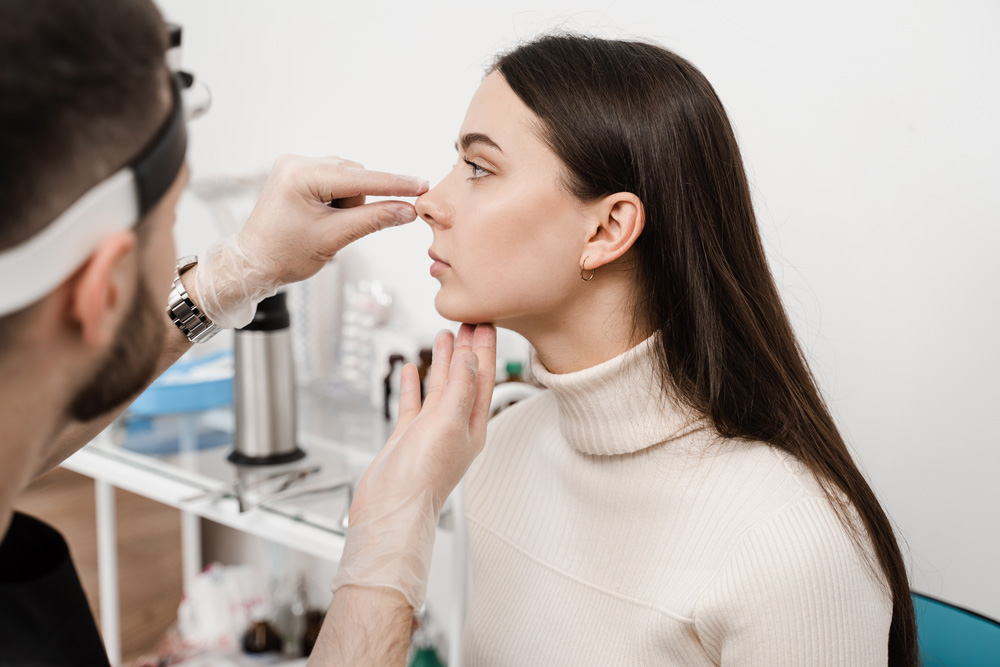
Consultation is essential when considering surgical or non-surgical correction. Surgeons evaluate nasal tip rotation carefully. Skin thickness and cartilage strength are assessed. Facial proportions are reviewed from multiple angles and photographic analysis supports planning. The degree of the upward rotation determines suitable techniques. Analysis of individual anatomy guides every recommendation.
Surgical Correction Options Explainedfor an Upturned Nose
Surgical correction offers permanent structural change. Rhinoplasty techniques adjust cartilage support and tip position and surgeons may lengthen the nose subtly. Tip rotation can also be reduced carefully. Structural grafts may be used when needed. Surgery provides precise control for successful correction. Planning focuses on subtle refinement rather than drastic alteration.
Tip Rotation Adjustment in Rhinoplasty
Tip rotation refers to the angle of the nasal tip. Reducing this rotation lowers the tip slightly. Surgeons adjust cartilage positioning during surgery while support structures are reinforced carefully. This technique improves balance and profile harmony. Tip rotation adjustment is central to upturned nose correction and precision ensures natural results.
Cartilage Grafting and Structural Support
Cartilage grafts provide additional support when needed and help stabilise the nasal tip position. Grafts may be taken from the septum or ear. Proper support prevents recurrence over time - this approach is common in significant cases. Structural integrity is essential for long term outcomes.
Revision Rhinoplasty and Upturned Nose Correction
An upturned nose may develop after previous rhinoplasty because over resection of cartilage can cause excessive rotation. Revision surgery addresses these changes carefully, though scar tissue and altered anatomy require advanced skill. Revision planning is more complex than primary surgery so expertise is crucial in these cases.
Cultural Perceptions of the Upturned Nose Shape
Perception of an upturned nose varies across cultures and time periods. In some regions, a lifted nasal tip is associated with youthfulness or delicacy. In others, it may be viewed as overly prominent. Beauty standards shift frequently, influencing how individuals feel about their features. Social media exposure has intensified these comparisons globally. As a result, personal preference now plays a stronger role than cultural norms alone. Understanding these influences helps patients separate external pressure from genuine personal desire. This awareness supports more confident and considered decision making.
How Ageing Can Change an Upturned Nose Over Time
Ageing can subtly alter how an upturned nose appears over the years. Nasal cartilage weakens gradually, and tip support may change. Skin elasticity also decreases, which affects nasal definition. In some cases, an upturned appearance may soften naturally with age. In others, imbalance can become more noticeable. Surgeons consider age-related changes carefully during their assessment. Planning correction with long term ageing in mind helps ensure results remain balanced. This forward thinking approach supports outcomes that continue to look natural over time.
Non-Surgical Options and Their Limitations
Non surgical treatments cannot offer full correction. Injectable fillers may improve profile balance temporarily because they can add projection to adjacent areas. However, they do not lower the nasal tip. Results are subtle and temporary. Because of this, non-surgical options suit mild concerns only.
Managing Expectations With Non-Surgical Treatments
Patients should understand realistic outcomes related to non-surgical options. Fillers camouflage rather than correct structure and will require maintenance over time. Subtle improvement may be achieved in selected cases. Proper counselling prevents disappointment. Non-surgical approaches are limited for true long-term correction.
Recovery After Surgical Correction
Recovery after rhinoplasty occurs gradually. Swelling affects tip appearance initially, though bruising usually subsides within weeks. Nasal splints are worn temporarily and the final shape develops over several months. Patience is essential during the healing process. Recovery timelines influence satisfaction with upturned nose correction.
When Final Results Become Visible
Initial improvement appears once swelling reduces, however tip refinement continues over time. Skin thickness affects visibility of changes and final results may take up to a year. Understanding this process supports realistic expectations. And remember, gradual refinement produces natural outcomes.
Skin Thickness and Tip Definition
Skin thickness influences surgical planning because thick skin may limit definition visibility. Thin skin reveals subtle changes clearly. Surgeons adapt techniques accordingly. This factor affects how final correction will appear and individual variation is always considered.
The Psychological Impact of Nose Shape
Nose shape strongly influences self perception and correction can boost confidence significantly. Many patients feel more comfortable socially. Improved balance affects facial expression perception while the emotional benefits often extend beyond appearance. Psychological readiness supports positive outcomes.
Upturned Nose Correction in Turkey
Turkey is a popular destination for rhinoplasty procedures. Surgeons perform high volumes of nasal surgery each year and this experience supports refined technique. Also, clinics offer structured consultation models and international patients value comprehensive care pathways. Turkey attracts those seeking true expertise.
Long Term Stability of Results
Well planned correction provides lasting results and structural support prevents the need for future changes. Ageing continues naturally but shape remains stable. Proper technique reduces the risk of revisions needing to be made. Long term satisfaction ultimately depends on thorough, planning alonside experts. Stability is a key goal in upturned nose surgery.
Combining Nose Correction With Other Facial Procedures
Some patients choose to combine nose surgery with chin procedures to help further improve facial balance. Combined planning requires careful coordination and you should remember that recovery timelines may overlap. Combined approaches aim for true harmony and decisions are always individual.
Why Conservative Correction Is Often Preferred
Over correction can disrupt facial character. Conservative adjustment preserves individuality while subtle changes age better over time. Experienced surgeons prioritise refinement rather than trend-driven results. Conservative planning supports natural beauty.
Suitability and Candidate Selection
Not everyone is suitable for surgery. Health status and expectations are both assessed carefully, and candidates should understand the limitations. Setting realistic goals helps support long-term satisfaction. Surgeon guidance ensures appropriate selection. Safety and balance remain priorities.
Conclusion
An upturned nose can affect facial balance depending on severity and personal preference. Understanding causes helps clarify correction options. Surgical techniques offer permanent structural improvement while non-surgical approaches provide limited, temporary enhancement. Careful assessment ensures natural outcomes. Choosing experienced care supports long term satisfaction.
If you’d like to find out more about how to alter an upturned nose, visit the ACIBADEM Beauty Center website.
Frequently Asked Questions
It often results from genetics, cartilage structure, or previous surgery.
Non surgical options offer limited camouflage but not full correction.
Yes, structural correction provides lasting results.
Initial healing takes weeks, while refinement continues for months.
Those with realistic expectations and suitable anatomy are ideal candidates.