Ataşehir Mah. Feza Sk. No:3 İstanbul / Türkiye
 French
  English
  German
  Spanish
Introduction
Dehydration lines on forehead are often mistaken for permanent wrinkles. However, these lines usually develop when the skin lacks sufficient moisture. The forehead is especially vulnerable because it moves frequently and has thinner skin. Understanding how dehydration affects skin structure helps explain why these lines appear and how they can be addressed effectively. This article explores the causes, visible signs, and practical solutions for restoring a smoother forehead.
What Are Dehydration Lines on the Forehead?
Dehydration lines are fine, shallow creases caused by reduced water content in the skin. Unlike fixed wrinkles, they often appear suddenly and fluctuate throughout the day. The skin looks tight, dull, or slightly rough. Dehydration lines on forehead usually soften once hydration levels improve.
How Skin Hydration Works
Healthy skin retains water within the upper layers. Natural lipids and the skin barrier prevent moisture loss. When this barrier weakens, water escapes more easily. As hydration drops, skin loses flexibility. This causes surface lines to appear, especially in high-movement areas like the forehead.
Why the Forehead Shows Dehydration First
The forehead contains active muscles used for expression. Repeated movement stresses the skin surface. When hydration is low, the skin cannot rebound smoothly. This leads to visible creasing. Dehydration lines on forehead often appear before similar lines elsewhere on the face.
Common Causes of Forehead Dehydration
Several factors contribute to moisture loss:
- Inadequate water intake
- Dry indoor air
- Excessive sun exposure
- Harsh skin care products
- Over-cleansing
- Frequent exfoliation
Each factor weakens the skin barrier, allowing moisture to escape more easily.
Dehydration vs Age-Related Forehead Wrinkles
Dehydration lines differ from structural wrinkles. Wrinkles form due to collagen loss and repeated muscle movement over time. Dehydration lines are superficial and reversible. They often disappear after hydration improves. Identifying the difference helps guide the correct treatment approach.
Early Signs of Dehydration on the Forehead
Early signs include:
- Tight sensation after cleansing
- Makeup settling into fine lines
- Dull or uneven texture
- Increased sensitivity
Addressing these signs early helps prevent lines from becoming more pronounced.
How Lifestyle Habits Affect Forehead Hydration
Daily habits strongly influence skin hydration. Low fluid intake reduces water availability for skin cells. High caffeine or alcohol consumption increases fluid loss. Long exposure to air conditioning dries the skin surface. Improving these habits supports better moisture balance and reduces dehydration lines on forehead.
The Role of Skin Care in Preventing Dehydration Lines
Skin care plays a central role. Gentle cleansers preserve natural oils. Hydrating serums attract water into the skin. Moisturisers seal hydration within the surface layers. Using appropriate products consistently helps smooth dehydration-related lines.
Ingredients That Help Restore Forehead Hydration
Key ingredients include:
- Hyaluronic acid
- Glycerin
- Ceramides
- Panthenol
- Squalane
These ingredients attract and retain moisture, improving skin flexibility and surface smoothness.
Why Over-Exfoliation Worsens Dehydration Lines
Excessive exfoliation damages the skin barrier. This accelerates moisture loss and increases sensitivity. The forehead then appears more lined and rough. Limiting exfoliation helps maintain hydration and supports smoother texture.
Professional Treatments That Address Dehydration Lines
Professional treatments support hydration at deeper levels. Options may include hydrating facials, skin boosters, or gentle resurfacing. These treatments improve water retention and surface texture. They help soften dehydration lines on forehead without altering facial movement.
Injectable Skin Boosters and Hydration
Skin boosters deliver hydrating substances directly into the skin. They improve elasticity and moisture levels gradually. The forehead becomes smoother as hydration stabilises. These treatments support skin quality rather than volume.
Laser and Light-Based Treatments for Texture Support
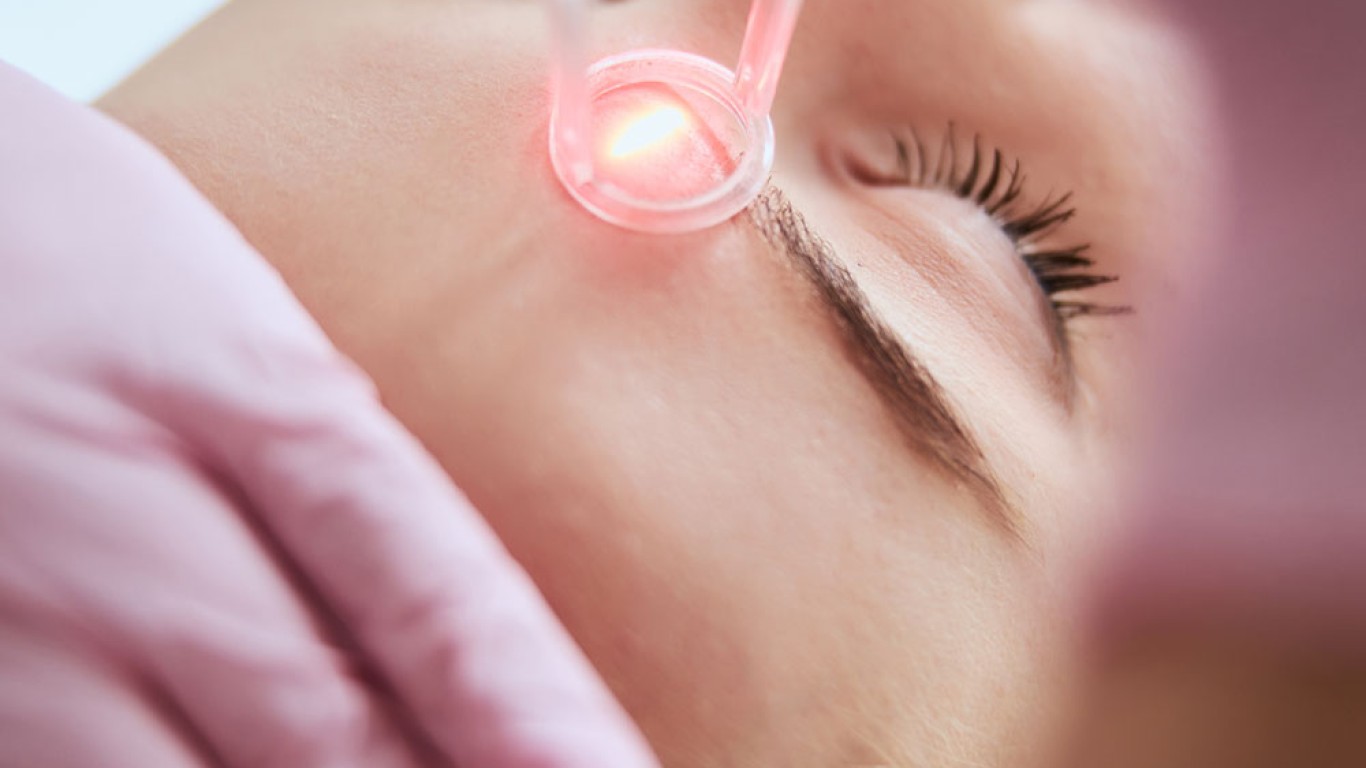
Some laser or light-based treatments stimulate collagen and improve skin texture. While not targeting dehydration directly, they enhance overall skin quality. Improved structure helps the skin retain moisture more effectively.
Daily Habits That Support Forehead Hydration
Simple habits make a difference:
- Drinking water regularly
- Using SPF daily
- Applying moisturiser on damp skin
- Avoiding very hot water
- Using humidifiers indoors
These steps reduce moisture loss and help prevent recurring dehydration lines.
Seasonal Changes and Forehead Dehydration
Cold weather and indoor heating increase dehydration risk. Summer sun exposure also dries the skin. Adjusting skin care seasonally helps maintain hydration. Heavier moisturisers suit colder months, while lightweight hydrating layers suit warmer conditions.
How Long Does It Take to Improve Dehydration Lines?
Improvement often appears within days after restoring hydration. Consistent care produces steadier results over weeks. Dehydration lines on forehead respond faster than structural wrinkles when addressed correctly.
When Dehydration Lines Become Persistent
If lines remain despite good hydration, other factors may contribute. Reduced collagen or repetitive movement may play a role. Professional assessment helps determine whether additional treatments are appropriate.
Preventing Dehydration Lines Long Term
Long-term prevention relies on barrier protection and hydration consistency. Gentle skin care, sun protection, and lifestyle balance help maintain smooth forehead texture. Ongoing care prevents temporary lines from becoming permanent.
How Skin Care Application Technique Affects Forehead Dehydration
How products are applied influences hydration retention. Applying serums to slightly damp skin helps trap moisture. Pressing products gently rather than rubbing supports the skin barrier. Layering lightweight hydrators before moisturiser improves absorption. These techniques help reduce dehydration lines on forehead by supporting consistent moisture levels throughout the day.
Conclusion
Dehydration lines on forehead develop when the skin lacks sufficient moisture and barrier support. They differ from permanent wrinkles and respond well to hydration-focused care. With correct skin care, supportive habits, and professional guidance, the forehead regains smoother texture and balanced hydration.
For more information and to book a consultation visit the ACIBADEM Beauty Center skin treatments page.
Frequently Asked Questions
No, they usually improve with proper hydration.
It helps, but topical hydration is also necessary.
Yes, dryness makes lines more noticeable.
Improvement often appears within days.
No, but limit frequency and choose gentle formulas.