Ataşehir Mah. Feza Sk. No:3 İstanbul / Türkiye
 French
  English
  German
  Spanish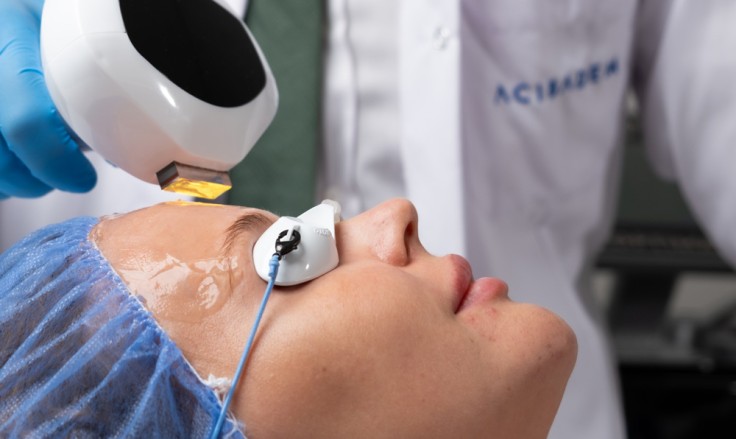
Introduction
Visible signs of ageing such as fine lines, uneven texture and reduced firmness affect many individuals over time. Modern aesthetic medicine offers a range of solutions designed to address these concerns without invasive surgery. Skin rejuvenation treatments have advanced significantly in recent years. New technologies and refined techniques allow practitioners to target multiple signs of ageing in a single treatment plan. These treatments focus on improving tone, texture and overall skin quality through clinically supported methods. Understanding which skin rejuvenation treatments are most effective in 2026 helps patients make informed decisions about their skincare approach and long-term facial maintenance.
What Are Skin Rejuvenation Treatments?
Skin rejuvenation treatments refer to procedures designed to improve the appearance and health of the skin. These treatments target concerns such as wrinkles, pigmentation, dullness and loss of firmness. Some work by stimulating collagen production within the deeper skin layers. Others resurface the skin to promote smoother and more even texture. These treatments can be surgical or non-surgical depending on the concern. Non-surgical options are particularly popular because they involve minimal downtime. The goal is to restore a fresher, more youthful complexion while maintaining a natural appearance.
Radiofrequency Treatments
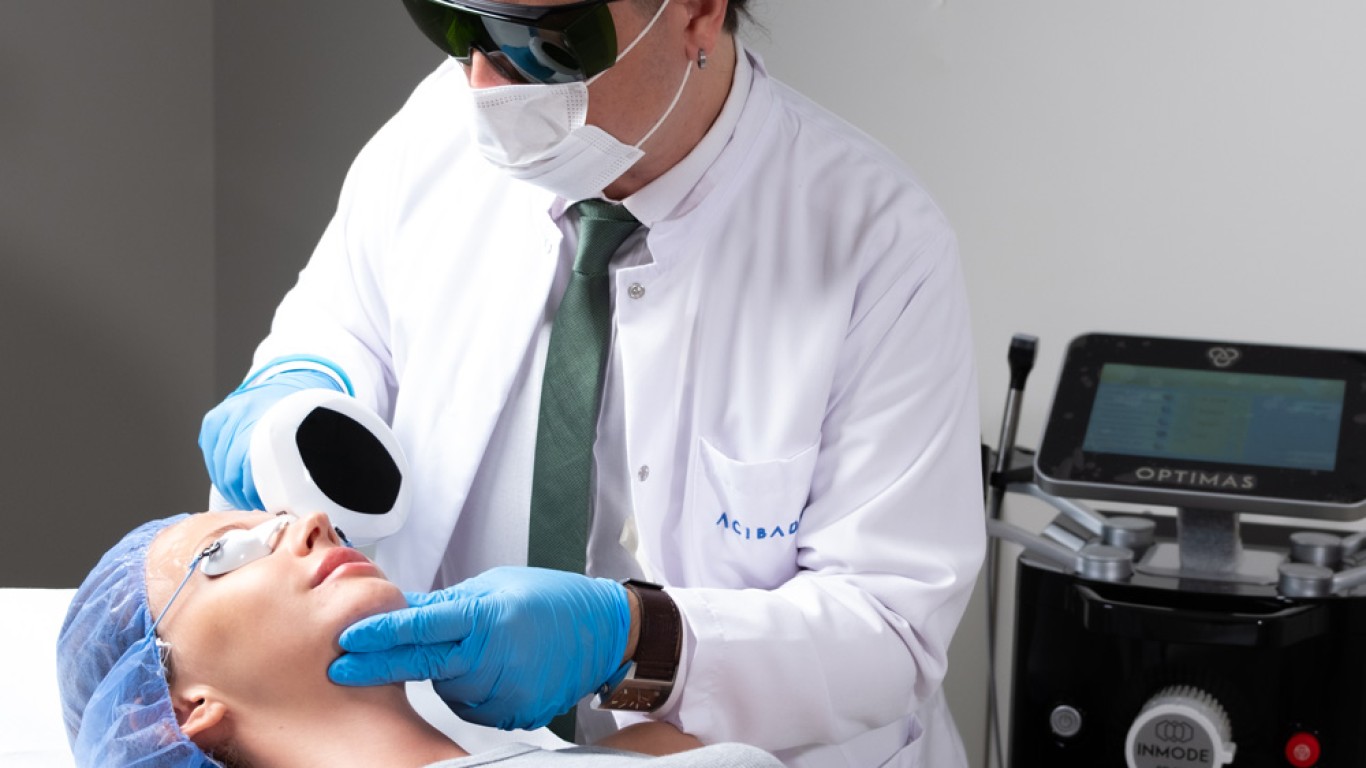
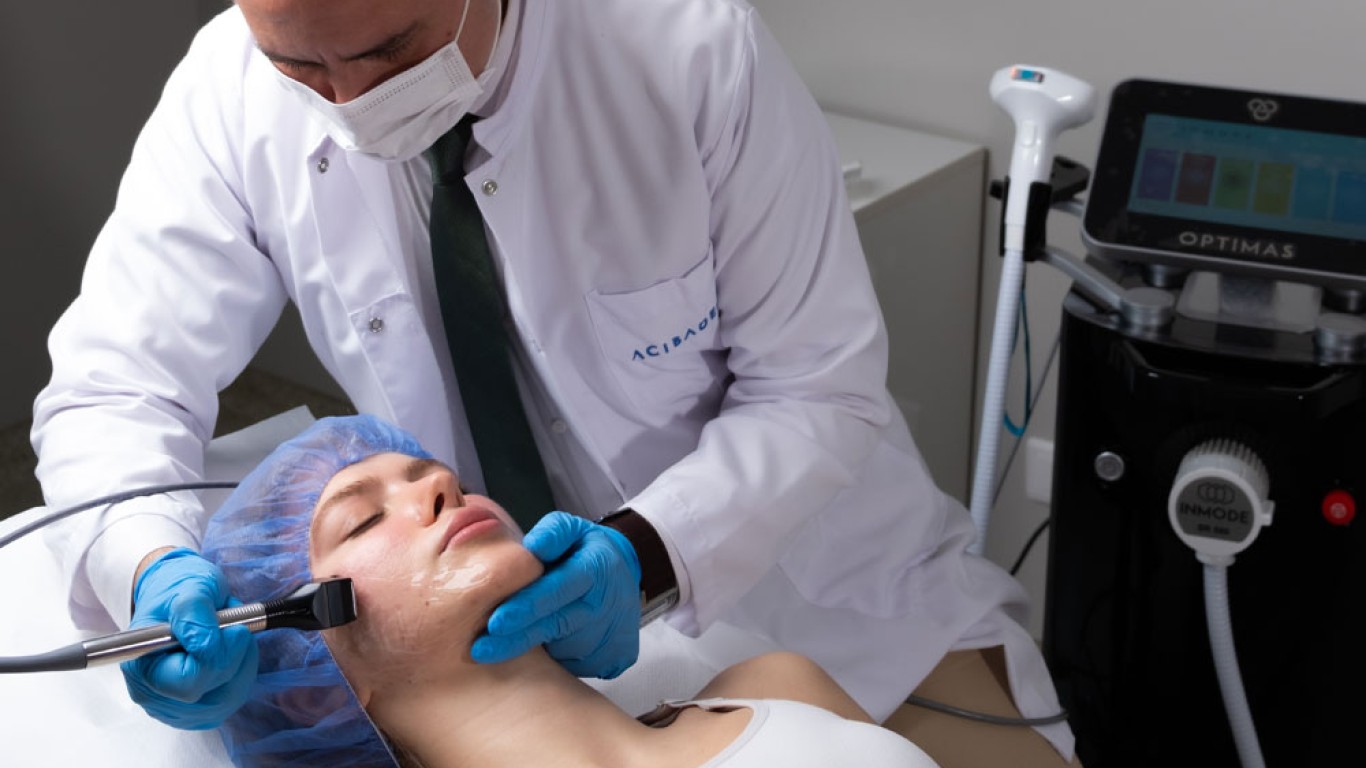
Radiofrequency technology delivers controlled heat energy into the deeper skin layers. This stimulates collagen production and tightens existing collagen fibres. Radiofrequency treatments improve firmness and reduce fine lines over time. The treatment feels like a warm sensation during the session. Multiple sessions are usually recommended for cumulative results. Improvements develop gradually as new collagen forms beneath the surface. Radiofrequency is popular because it suits many skin types. It can be applied to the face, neck and other areas showing early signs of ageing.
Laser-Based Treatments
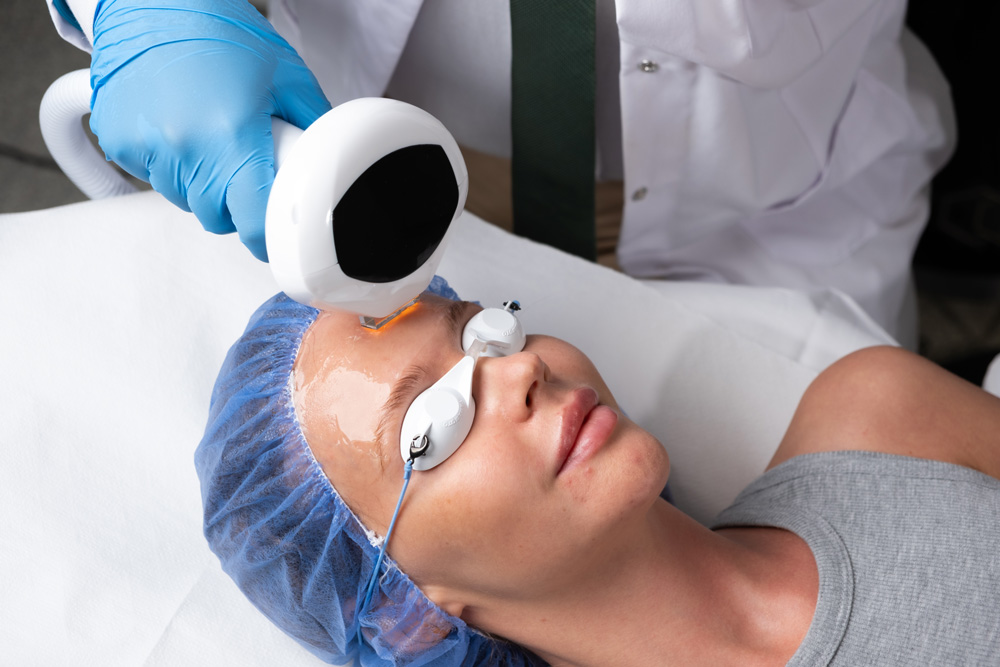
Laser treatments remain among the most effective skin rejuvenation treatments available today. Fractional lasers create controlled micro-injuries in the skin to trigger the natural healing response. This process stimulates collagen renewal and improves skin texture significantly. Ablative lasers remove thin layers of damaged skin to reveal smoother tissue beneath. Non-ablative lasers work beneath the surface. They do not damage the outer layer. Laser treatments effectively address wrinkles, pigmentation and scarring. Recovery depends on the laser type. Many patients achieve visible improvements after one or two sessions.
Microneedling as a Skin Rejuvenation Treatment
Microneedling uses fine needles to create tiny punctures in the skin surface. These micro-injuries stimulate the body's natural collagen and elastin production. Microneedling treatments improve texture, tone and firmness over time. The procedure can be combined with serums or growth factors to enhance results. Multiple sessions spaced several weeks apart are typically recommended. Downtime is minimal and most patients resume daily activities quickly. Microneedling suits a wide range of skin types and ages. It is frequently used to address fine lines, enlarged pores and mild scarring.
Chemical Peels for Skin Renewal
Chemical peels remove the outer layer of damaged skin using controlled chemical solutions. This reveals fresher and smoother skin beneath. Light peels address surface concerns like dullness and mild pigmentation. Medium peels target deeper wrinkles and uneven tone. Chemical peels promote cell turnover and collagen activity. Recovery varies depending on the depth of the peel applied. Superficial peels require minimal downtime. Deeper peels may involve several days of healing. Regular treatments can maintain improved texture and brightness over time.
Injectable Skin Rejuvenation Treatments
Injectable treatments play an important role in facial rejuvenation for many patients. Dermal fillers restore lost volume and smooth deeper lines in the mid-face, lips and jawline. Skin boosters deliver hyaluronic acid directly into the skin to improve hydration and radiance from within. Injectable treatments provide subtle and natural-looking enhancement. Results are typically visible immediately or within a few days. These treatments require maintenance sessions to sustain their effects over time. Injectable options complement other skin rejuvenation treatments effectively when used as part of a broader plan.
Ultrasound-Based Skin Tightening
Focused ultrasound technology targets deeper tissue layers to stimulate collagen production and structural support. This approach lifts and tightens the skin without surgery. Ultrasound treatments are particularly effective for mild to moderate laxity along the jawline and neck. The treatment delivers energy at precise depths beneath the surface. Results develop gradually over two to three months as collagen remodelling occurs. Ultrasound treatments appeal to patients seeking firming without incisions. A single session can often produce noticeable improvement in overall skin tightness.
The Role of Professional Skincare
Professional skin care supports and extends the results of clinical treatments. Medical-grade products contain higher concentrations of active ingredients than over-the-counter alternatives. Retinoids, vitamin C and peptides are commonly recommended for ageing skin. Skin rejuvenation treatments are most effective when combined with a consistent home skincare routine. Sun protection is essential for preventing further damage. Daily sunscreen use helps maintain treatment results and protect against premature ageing. A personalised skincare plan developed with a specialist supports long-term skin health and complements clinical procedures.
Choosing the Right Skin Rejuvenation Treatments
Selecting the most appropriate treatment depends on individual concerns and skin condition. A professional consultation helps determine which skin rejuvenation treatments are most suitable. Specialists assess skin type, elasticity, pigmentation and specific areas of concern during this assessment. Some patients benefit from a single targeted treatment. Others may require a combination approach for comprehensive improvement. Treatment plans are personalised to address individual goals. Realistic expectations support higher satisfaction with outcomes. Open communication during consultation ensures patients receive tailored guidance.
What to Expect During and After Treatment
Most non-surgical skin rejuvenation treatments are performed in clinical settings with minimal preparation required. Sessions typically last between thirty minutes and one hour depending on the procedure selected. Mild redness or sensitivity may occur after treatment. These effects usually resolve within hours or days. Results from collagen-stimulating treatments develop gradually over the following weeks and months as the body produces new collagen. Patients are advised to follow post-treatment skincare instructions carefully for the best results. Avoiding sun exposure and using recommended products supports optimal healing.
How Skin Quality Changes with Age
Understanding how ageing affects skin helps patients select the most appropriate treatments. Collagen production begins to decline from the mid-twenties onwards, gradually reducing firmness and elasticity across the face. Fine lines typically appear first around the eyes and forehead. Deeper wrinkles and volume loss develop later as structural support diminishes beneath the skin surface. Pigmentation changes become more prominent with cumulative sun exposure. Skin rejuvenation treatments target these specific changes at different depths. Addressing multiple signs of ageing through a combination approach often produces the most comprehensive and natural-looking improvement.
Preventative Skin Rejuvenation Treatments
Many patients now seek skin rejuvenation treatments as a preventative strategy rather than a corrective one. Starting treatments earlier helps maintain firmness. This prevents significant ageing signs from developing. Regular sessions support the skin's natural repair processes and slow the visible progression of ageing. Preventative approaches often involve lighter treatments with shorter recovery times. This proactive strategy helps patients maintain a fresh appearance year after year. Combining professional treatments with daily sunscreen use and quality skincare products forms a strong foundation for long-term skin health and resilience.
Long-Term Benefits of Skin Rejuvenation Treatments
Consistent treatment can produce meaningful and lasting improvements in skin quality. Collagen stimulation helps maintain firmness and elasticity over time. Regular sessions prevent the accumulation of visible ageing signs. Skin rejuvenation treatments support a proactive approach to facial maintenance rather than a reactive one. Many patients find that ongoing treatment helps them maintain a fresher appearance year after year. Combining professional treatments with daily skincare creates a comprehensive anti-ageing strategy. These long-term habits support healthier, smoother and more radiant skin as patients age.
Conclusion
Skin rejuvenation treatments in 2026 offer a wide range of effective options for addressing ageing skin. From radiofrequency and laser therapies to microneedling and injectable treatments, modern approaches target multiple signs of ageing. As technologies continue to evolve, patients can expect even more precise, personalised and minimally invasive solutions, making skin rejuvenation increasingly accessible while maintaining safe, evidence-based standards of care. Professional consultation ensures each treatment plan is tailored to individual needs. When combined with consistent skincare habits, these treatments support long-term improvements in tone, texture and firmness. Understanding available options helps patients take a proactive and informed approach to skin health.
For more information and to book a consultation visit the ACIBADEM Beauty Center Skin Treatments webpage.
Frequently Asked Questions
They are procedures designed to improve skin texture, tone and firmness.
Many treatments can be adapted for different skin types.
This depends on the treatment type and individual concerns.
Most non-surgical options involve minimal recovery time.
Yes, combining approaches often produces more comprehensive results.