Ataşehir Mah. Feza Sk. No:3 İstanbul / Türkiye
 French
  English
  German
  Spanish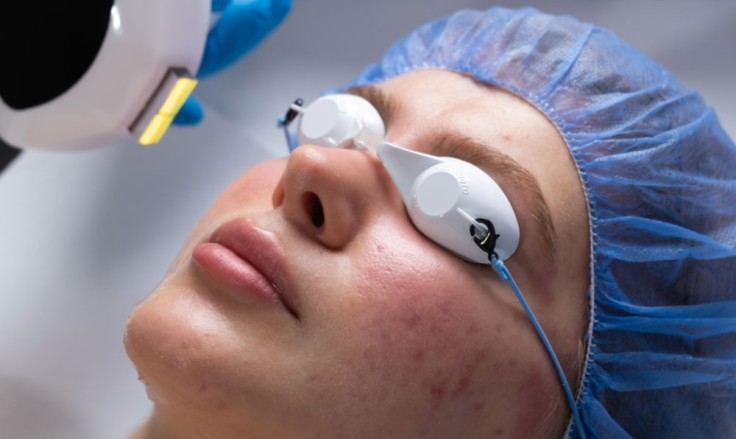
Introduction
Skin renewal treatments continue to grow in popularity as people look for clearer, smoother, and brighter skin. Two of the most trusted options are chemical peels and laser skin resurfacing. Both methods support fresh skin, yet each works differently. Understanding how these treatments refresh the skin helps individuals choose the option that suits them. This guide explains each method. Outlines key differences, and shows how both contribute to healthier skin texture.
How Chemical Peels Refresh the Skin
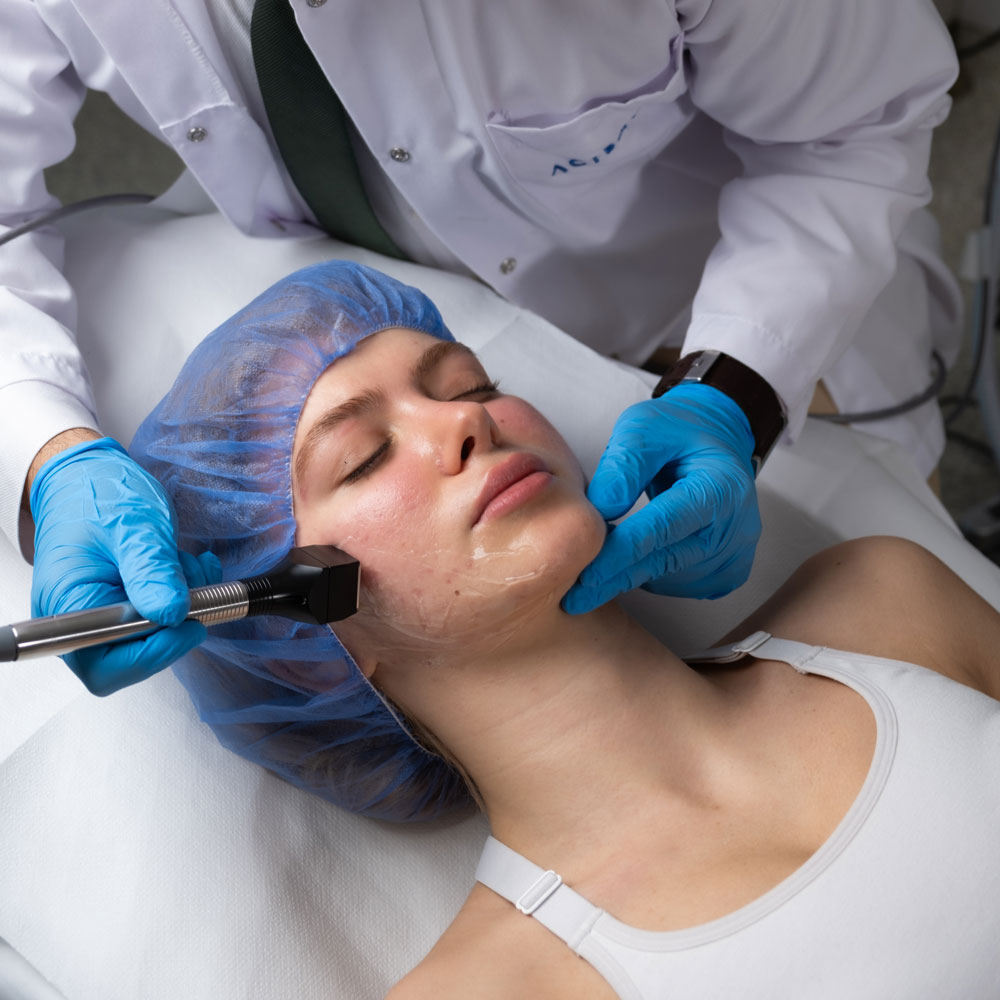
Chemical peels use controlled exfoliation to remove dull surface layers. The solution encourages fresh skin to appear, resulting in smoother texture. Lighter peels provide gentle renewal, while stronger peels reach deeper layers. These treatments help brighten tone and support balanced clarity. Many individuals choose chemical peels when they want steady improvement with a structured approach. Chemical exfoliation remains predictable and suitable for many skin types.
How Laser Skin Resurfacing Refreshes the Skin
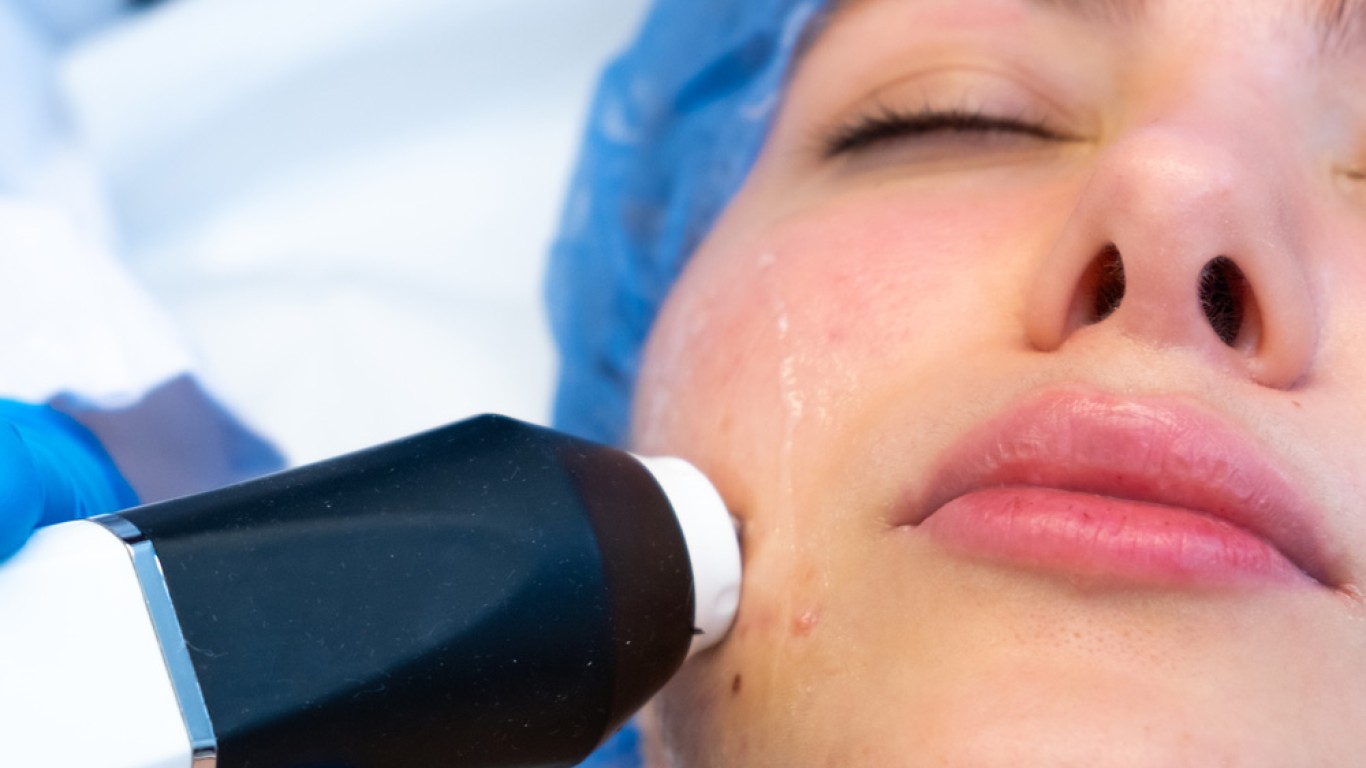
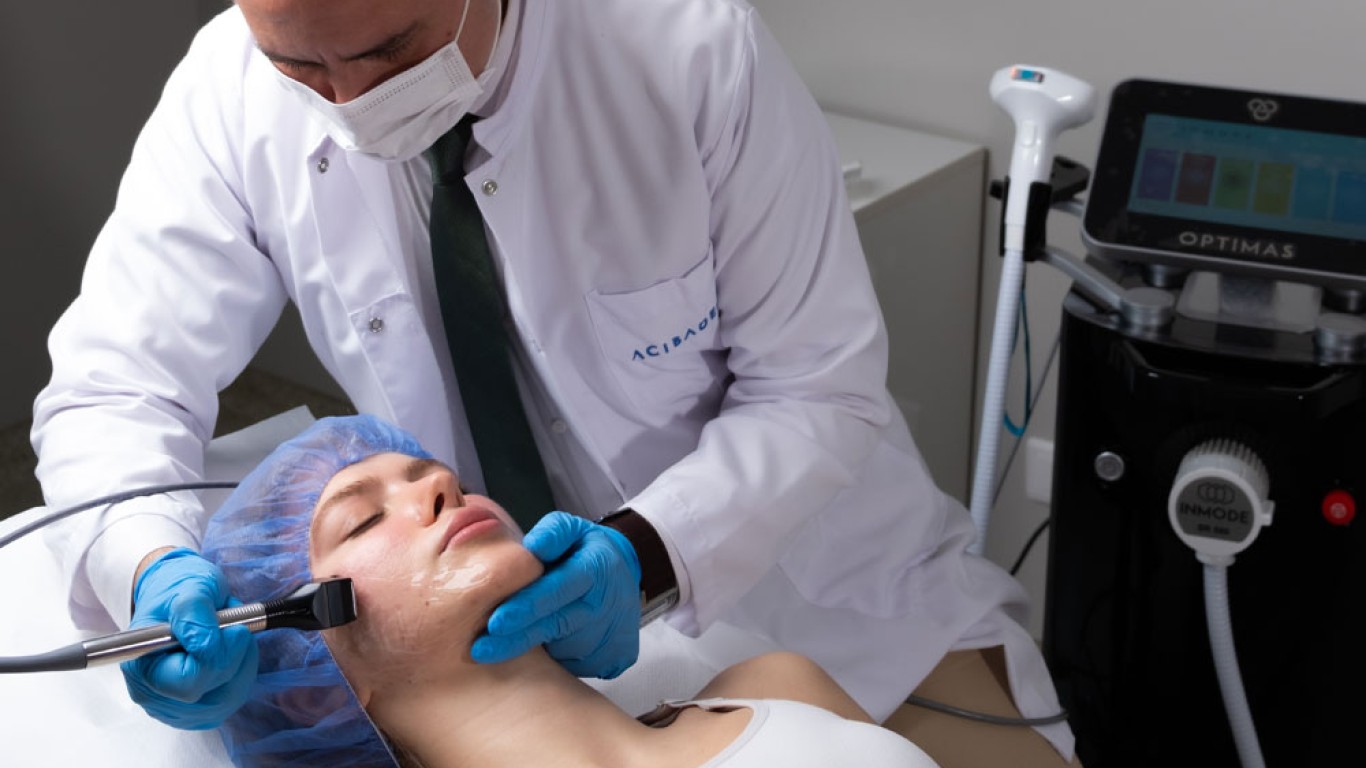
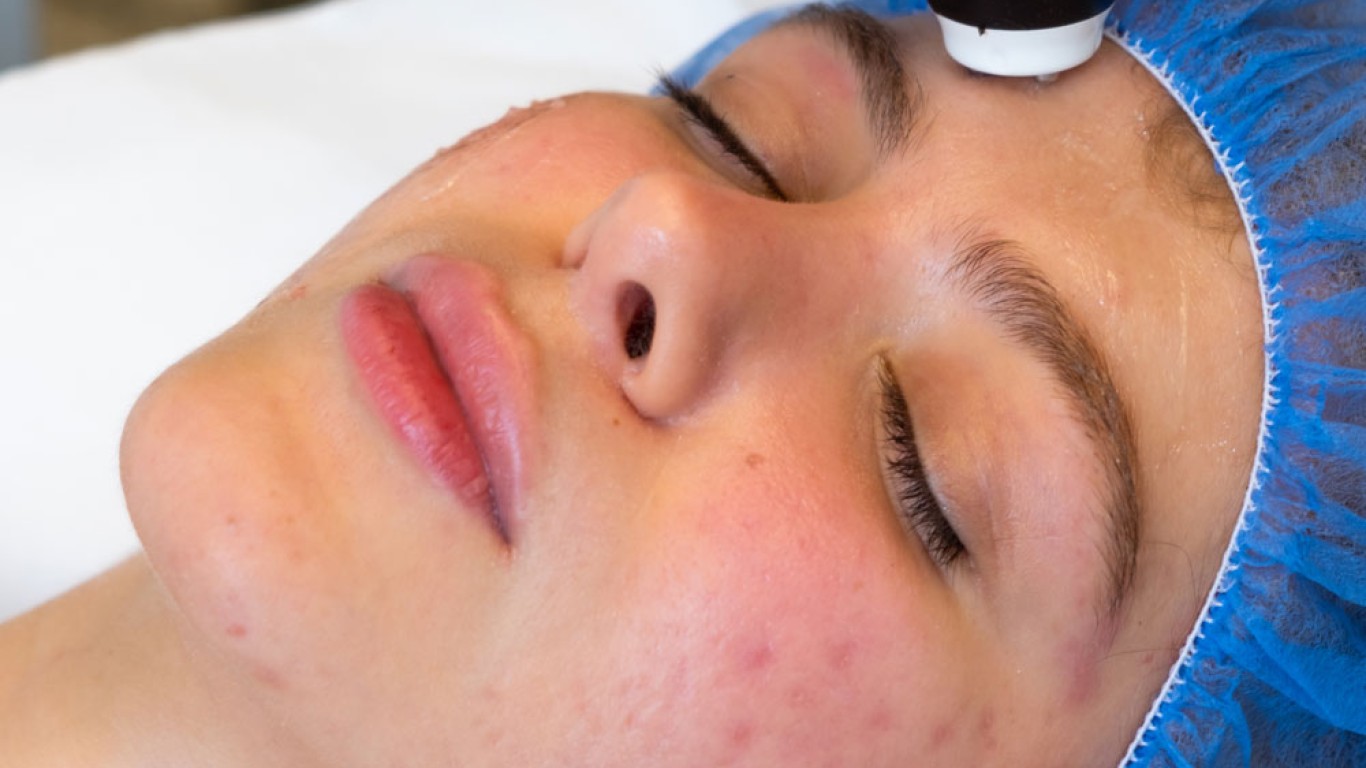
Laser skin resurfacing uses concentrated light to remove old skin and encourage renewal. The laser targets shallow and deeper layers while keeping the surrounding tissue supported. This method helps refine texture, improve tone, and support clearer skin. Many individuals choose laser skin resurfacing because it offers controlled precision. It refreshes the skin through measured energy rather than topical solutions. This creates a balanced outcome suited to several goals.
Differences in Treatment Method
Chemical peels rely on topical solutions applied to the skin. They vary in strength and depth depending on the ingredients used. Laser skin resurfacing uses energy to target specific layers. This difference affects how each treatment feels. How quickly results appear, and how tailored the approach can be. People often choose based on desired intensity and the areas needing attention.
Which Treatment Brightens Skin Faster?
Chemical peels brighten skin by removing surface cells. Lighter peels offer quick results with minimal change to daily routines. Laser skin resurfacing provides deeper renewal and can show stronger results in fewer sessions. Because each person has unique needs, the best option depends on how much brightness and clarity they want to see.
How Each Method Smooths Texture
Texture changes often require attention to deeper layers. Chemical peels help soften roughness through steady exfoliation. Stronger peels reach beyond the surface for clearer smoothing. Laser skin resurfacing targets texture with greater depth. It supports smoother skin through controlled energy that reaches deeper structures. Individuals wanting noticeable refinement often choose the laser approach.
Suitability for Different Skin Types
Chemical peels suit a wide range of skin tones when chosen carefully. Gentler solutions work well for sensitive skin. Stronger peels suit those needing deeper support. Laser skin resurfacing also supports many skin types. Although the approach must be planned with care. A specialist evaluates tone, sensitivity, and goals to ensure the correct method is chosen.
How Long Results Normally Last
Both treatments offer long-lasting improvement when paired with good skin care. Chemical peel results build with repeated sessions. Many individuals complete several treatments for a steady glow. Laser skin resurfacing often produces longer-lasting changes because it stimulates deeper renewal. People enjoy refined skin for months with proper care. Sunscreen and consistent routines play an important role in maintaining outcomes.
Which Works Better for Uneven Tone?
Chemical peels help lift surface pigmentation and brighten dull areas. They work well for mild tone irregularities. Laser skin resurfacing reaches deeper layers and supports more focused correction. Many individuals choose the laser approach when uneven tone appears in several layers. The choice depends on pigment depth and comfort level with each technique.
How Recovery Differs Between Options
Recovery varies depending on treatment depth. Lighter chemical peels require minimal downtime. Stronger peels may need several days of careful aftercare. Laser skin resurfacing recovery depends on the energy level used. Lighter laser sessions allow quicker return to daily routines. Deeper sessions may require more structured aftercare. Both methods aim for comfort and predictability.
Treatment Frequency and Planning
Chemical peels are often scheduled in a series for steady progress. Many people plan sessions a few weeks apart. Laser skin resurfacing may require fewer sessions because each treatment offers stronger renewal. Specialists create treatment plans that fit personal goals and lifestyle. This helps individuals maintain consistency without overwhelming routines.
Which Treatment Offers Clearer Definition?
People wanting surface refinement often choose chemical peels. They suit those seeking mild, gradual clarity. Laser skin resurfacing supports clearer definition because it reaches deeper layers. It clarifies texture and tone together. This structured approach often appeals to individuals wanting broad improvement.
Combining Both Methods for Stronger Results
Some individuals use both treatments at different stages of their care. Chemical peels help maintain clarity between laser sessions. Laser skin resurfacing offers deeper renewal, while peels support ongoing brightness. This combined approach keeps the skin refreshed over time. Specialists adjust the schedule so the treatments work together effectively.
Choosing the Best Method for Your Needs
Choosing between chemical peels and laser skin resurfacing depends on personal goals. Chemical peels help with gentle brightening and surface renewal. Laser treatment suits those wanting deeper change and stronger smoothing. Both provide effective results with structured planning. A consultation helps confirm which method supports your overall aims.
Conclusion
Chemical peels and laser skin resurfacing both refresh the skin in different ways. Chemical peels brighten and smooth through steady exfoliation. Laser treatments refine deeper layers for stronger renewal. Each method supports clearer, healthier skin when matched to the right goals.
For more information and to book a consultation visit the ACIBADEM Beauty Center web page.
Frequently Asked Questions
Laser sessions often show quicker improvement.
Yes, many peels offer mild and steady renewal.
Intervals depend on treatment strength.
Yes, many people use both for balanced results.
Both offer lasting improvement with good skincare.