Ataşehir Mah. Feza Sk. No:3 İstanbul / Türkiye
 English

Introduction
Finding the right sun-damaged skin treatment is a priority for many patients. Years of sun exposure can cause noticeable changes to the skin. Sun damage affects adults of all ages and across all skin types worldwide. Ultraviolet radiation causes cumulative damage that may take years or decades to become visible. Common effects include hyperpigmentation, rough texture, fine lines, reduced elasticity and uneven skin tone. In some cases, sun damage also increases the risk of precancerous skin changes. These changes require medical monitoring. Fortunately, modern dermatology and aesthetic medicine offer many effective treatments for sun-damaged skin. This article explores professional treatments, skincare strategies and prevention measures for managing and reversing sun damage. It also explains how different treatments work and which concerns they address most effectively.
How the Sun Damages Skin
Understanding sun damage helps patients appreciate the importance of effective sun-damaged skin treatment. Ultraviolet A radiation penetrates deep into the dermis. Here, it breaks down collagen and elastin fibres that provide structural support. This process, called photoageing, causes reduced firmness, wrinkles and premature sagging over time. Ultraviolet B radiation primarily affects the epidermis. It causes sunburn, pigmentation changes and DNA damage to skin cells. Both types of UV radiation contribute to dark spots, also called sunspots or solar lentigines.
These flat, brown patches appear on areas frequently exposed to sunlight. Common locations include the face, hands, chest and shoulders. Sun damage also creates rough, uneven skin texture by disrupting normal cell turnover. Broken capillaries and diffuse facial redness can develop following chronic exposure and repeated UV-induced inflammation. Sun damage is cumulative, meaning even moderate exposure contributes to long-term changes without protection. People exposed to significant sunlight during childhood and adolescence may notice changes decades later. Visible effects often emerge during their thirties and forties.
Professional Sun-Damaged Skin Treatments
| Treatment | Primary Targets | Expected Results |
| Chemical peels | Pigmentation, rough texture, fine lines | Smoother, brighter skin over a series of treatments; mild to deep options available |
| Laser skin resurfacing | Wrinkles, pigmentation, texture, scars | Significant improvement in skin quality; requires recovery time depending on depth |
| Intense pulsed light (IPL) | Pigmentation, redness, broken capillaries | Even skin tone over three to six sessions; minimal downtime per session |
| Microneedling | Fine lines, texture, collagen loss | Improved firmness and texture over multiple sessions; stimulates natural collagen |
| Fractional laser | Deep wrinkles, advanced texture damage, pigmentation | Dramatic improvement with controlled healing zones; longer recovery period |
| Photodynamic therapy | Precancerous lesions, diffuse sun damage | Treats both cosmetic and medical sun damage; may involve light sensitivity afterwards |
Chemical Peels for Sun-Damaged Skin
Chemical peels offer accessible, versatile options for sun-damaged skin treatment across different severity levels. A chemical solution produces controlled exfoliation and removes damaged outer skin layers. Superficial peels using glycolic or lactic acid address mild pigmentation, dullness and rough texture. These treatments generally require minimal downtime. Medium-depth peels containing trichloroacetic acid penetrate further into the skin. They target moderate sun damage, fine lines and more pronounced pigmentation. Deep peels address severe photoageing but require longer recovery and careful aftercare. The peeling process reveals fresher, less damaged skin over the following days. Several superficial peels may produce results comparable to a single deeper treatment. These sessions are often spaced two to four weeks apart. Chemical peels can also improve the absorption and effectiveness of topical skincare products.

Laser and Light-Based Treatments
Laser and light-based procedures offer powerful options for professional sun-damaged skin treatment. Ablative lasers include carbon dioxide and erbium systems. They remove thin layers of damaged skin and stimulate healthier tissue growth underneath. These treatments can produce dramatic improvements but require recovery. Healing commonly takes one to two weeks as the skin regenerates. Non-ablative lasers stimulate collagen production beneath the skin without removing surface tissue. Consequently, they generally require less downtime. Fractional laser technology treats microscopic columns while leaving surrounding tissue intact. This helps accelerate healing compared with traditional full-surface ablative treatments. The approach can deliver significant improvement with a shorter recovery period. Intense pulsed light uses broad-spectrum light to target pigmented and vascular lesions. It treats these concerns without damaging surrounding tissue. IPL particularly helps address sunspots, redness and broken capillaries.
Microneedling for Sun Damage
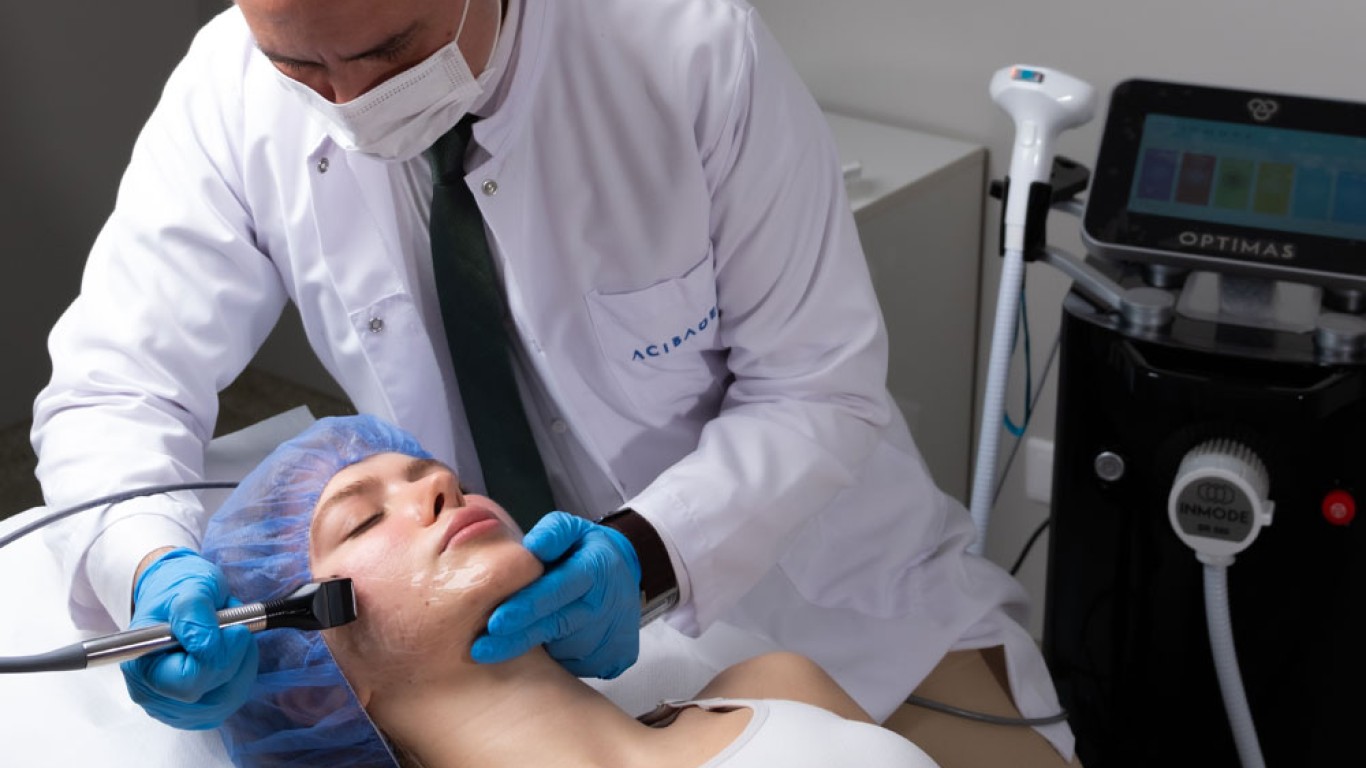
Microneedling provides effective sun-damaged skin treatment by stimulating natural repair mechanisms. A specialised device uses tiny needles to create controlled micro-injuries within the skin. These injuries activate the body's healing response and stimulate collagen and elastin production. Over subsequent weeks, the skin gradually becomes firmer, smoother and more even. Microneedling addresses fine lines, rough texture, mild scarring and deteriorating skin quality. Practitioners adjust needle depth according to treatment area and damage severity. Deeper settings target more significant concerns but may require additional recovery time. Combining microneedling with topical serums may enhance treatment results. Examples include hyaluronic acid and vitamin C. These ingredients can penetrate more deeply following treatment.
Skincare Ingredients That Treat Sun Damage
Effective skincare supports professional procedures within a comprehensive sun-damaged skin treatment plan. Retinoids are considered the gold standard topical ingredients for treating photoageing. They stimulate cell turnover and encourage collagen production. Prescription retinoids provide stronger results, while over-the-counter retinol offers a gentler introduction. Vitamin C is a powerful antioxidant that brightens skin and reduces hyperpigmentation. It also helps protect against further UV-induced damage. Niacinamide strengthens the skin barrier, reduces blotchiness and improves uneven tone. Alpha hydroxy acids include glycolic and lactic acid. They gently exfoliate the skin surface, improving texture and radiance over time. Azelaic acid reduces pigmentation and inflammation. It suits patients experiencing sensitive skin or rosacea alongside sun damage. Tranexamic acid is increasingly recognised for addressing stubborn pigmentation. It may help when other topical treatments provide insufficient improvement. Consistent ingredient use produces cumulative improvements over several months.
Conclusion
Effective sun-damaged skin treatment combines professional procedures, targeted skincare ingredients and consistent daily sun protection. Chemical peels, lasers, IPL and microneedling address different aspects of sun damage. Personalised treatment plans help practitioners select appropriate options for individual concerns. Daily broad-spectrum sunscreen protects existing skin and supports the results of professional procedures. Combining treatments over a planned course can deliver significant, lasting improvements. Professional consultation helps patients develop personalised strategies for reversing and managing sun damage.
To find out more information about sun-damaged skin treatment and to book a consultation visit the ACIBADEM Beauty Center Skin Treatments webpage.
Frequently Asked Questions
Professional treatments can provide significant improvement, but complete reversal of all damage remains unlikely. Consistent treatment and sun protection support the best long-term results.
Intense pulsed light and chemical peels are among the most effective treatments for facial sunspots. These approaches can also be combined for optimal results.
Most patients require three to six sessions of their chosen treatment. Sessions are usually spaced several weeks apart to achieve meaningful improvement.
Yes. Cumulative sun damage increases the risk of developing skin cancer. Regular skin checks and daily sun protection are essential preventive measures.
Treatment can begin at any age once sun damage becomes visible. Many patients begin during their thirties or forties when signs first appear.