Ataşehir Mah. Feza Sk. No:3 İstanbul / Türkiye
 English
  German
  Spanish
Introduction
Nasolabial folds are the lines running from each side of the nose to the corners of the mouth. They deepen with age as facial volume depletes and skin loses elasticity. Deep nasolabial folds create a tired or aged appearance. They are one of the most common concerns patients bring to aesthetic clinics. Nasolabial fold treatment ranges from injectable fillers to surgical correction. Understanding the available options helps patients choose the most effective approach. This article compares fillers, surgery and combination strategies for nasolabial fold treatment at different severity levels.
What Causes Nasolabial Folds to Deepen?
Understanding the cause guides effective nasolabial fold treatment. Several age-related changes contribute. Midface volume loss is the primary factor. Fat pads in the cheeks descend and deflate over time - this removes the support that keeps the fold shallow. The skin above the fold slides downward. Collagen and elastin decline reduces skin firmness and the skin folds more easily along established crease lines. Gravity compounds these changes year after year. Bone resorption in the upper jaw reduces structural support. Repeated facial expressions deepen the fold further and smoking accelerates collagen breakdown. Sun damage weakens the dermal structure. Treatment must address volume loss and tissue descent to be effective. Treating the crease alone without addressing the underlying cause produces limited results.
Nasolabial Fold Treatment with Dermal Fillers
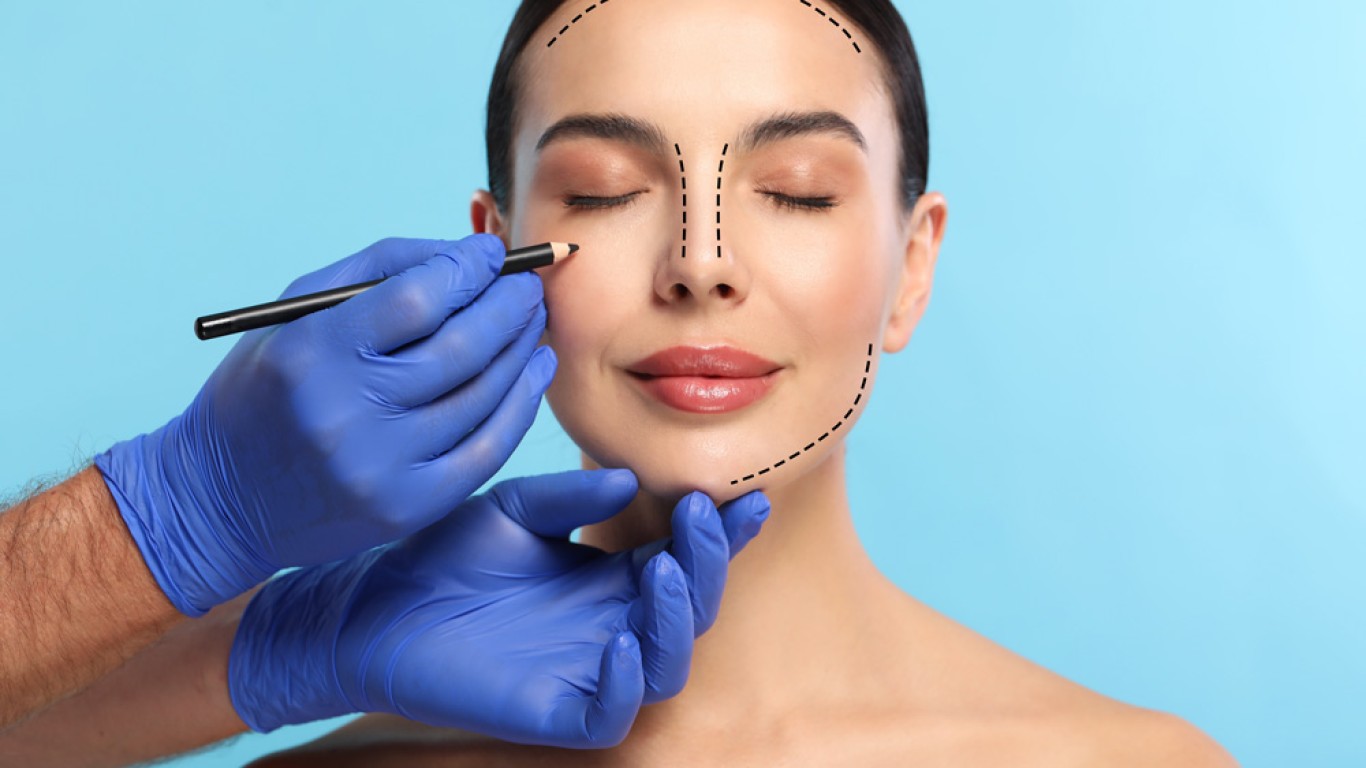
Dermal filler is the most common nasolabial fold treatment. Hyaluronic acid filler is injected directly into the fold. The product lifts the crease from beneath. The fold appears softer and shallower immediately. Treatment with filler takes fifteen to thirty minutes and no downtime is required. Results are visible from the first day. Most patients need one to two millilitres across both folds. The practitioner may also place filler in the cheeks above the folds. This restores midface volume and supports the tissue that has descended. Cheek filler reduces the fold indirectly by lifting the tissue that creates it. Treatment combining cheek and fold filler produces the most natural result. Treating the fold alone addresses the symptom and treating the cheeks addresses the cause. The combination delivers superior outcomes for most patients.
Types of Filler for Nasolabial Fold Treatment
Several filler products suit nasolabial fold treatment. Hyaluronic acid fillers are the most widely used - these are safe, effective and fully reversible. Different viscosities suit different fold depths. Softer fillers suit fine lines. Thicker fillers suit deeper folds. Treatment with calcium hydroxylapatite filler provides longer-lasting results. This product stimulates collagen production alongside providing volume. Results last twelve to twenty-four months. However, it is not reversible like hyaluronic acid. Poly-L-lactic acid is a collagen stimulator rather than a traditional filler. It builds volume gradually over several sessions. Treatment with this product suits patients wanting progressive improvement. Each product has advantages. The practitioner recommends the most appropriate option based on fold depth, skin quality and the patient's preference for longevity versus reversibility.

Nasolabial Fold Treatment: Surgical Options
Surgery addresses nasolabial folds by lifting and repositioning descended tissue. A facelift is the most comprehensive surgical nasolabial fold treatment. It lifts the midface and tightens the underlying muscle layer. The fold reduces as the tissue is repositioned upward. Results are dramatic and long lasting, typically for around eight to twelve years. Thread lifts offer a less invasive alternative. Dissolvable threads are inserted beneath the skin - they lift the tissue and stimulate collagen production. Treatment with threads produces moderate improvement and results last twelve to eighteen months. Thread lifts suit patients with mild to moderate laxity who want improvement without major surgery. Fat transfer is another option. The patient's own fat is harvested, processed and injected into the fold and cheek area. Treatment with fat transfer provides natural volume that can last several years. Not all transferred fat survives. Results are somewhat less predictable than filler.
Nasolabial Fold Treatment Options Compared
| Treatment | Duration of Results | Best For |
| Hyaluronic acid filler | Six to eighteen months | Most patients; quick, reversible |
| Calcium hydroxylapatite filler | Twelve to twenty-four months | Deeper folds; longer lasting |
| Thread lift | Twelve to eighteen months | Mild laxity with fold depth |
| Facelift surgery | Eight to twelve years | Significant laxity; permanent change |
| Fat transfer | Several years (variable) | Natural volume; longer lasting |
Nasolabial fold treatment choice depends on fold depth, laxity severity and patient preferences. Mild folds respond well to filler alone. Moderate folds benefit from combined cheek and fold filler or thread lift. Severe folds with significant facial descent may require surgical correction for meaningful improvement. Many patients start with filler and progress to other options as their needs change over time.
Combining Fillers and Surgery for Nasolabial Fold Treatment
Some patients benefit from combining approaches. A facelift addresses tissue descent and laxity while filler addresses residual fold depth after surgical healing. Treatment using both produces the most comprehensive correction. Surgery lifts the foundation. Filler fine-tunes the remaining crease. This combination is particularly effective for patients with deep folds and significant midface descent. Thread lifts can also be combined with filler. The threads provide structural lift and filler adds volume where needed. Treatment combinations should be planned by experienced practitioners. The sequence and timing of each component matters. Filler placed too soon after surgery may shift during healing. Most practitioners recommend waiting three to six months between surgical correction and filler refinement. Professional guidance ensures the most effective treatment plan.
Nasolabial Fold Treatment: What Results to Expect
Results vary by treatment type. Filler produces immediate improvement. The fold appears softer and shallower from day one. Mild swelling settles within a few days. The final filler result is visible at two weeks. Nasolabial fold treatment with filler looks most natural when conservative amounts are used. Over-filling the fold creates an unnatural puffy appearance. Surgery produces more dramatic improvement. However, swelling obscures the result for several weeks. Facelift results develop over three to six months. Thread lift results are visible within one to two weeks. Treatment expectations should be realistic at every level. Complete fold elimination is not achievable or desirable. Some depth is natural. The goal is to soften the fold rather than erase it entirely. Maintaining some natural contour looks more authentic than a completely smooth surface.
Conclusion
Nasolabial fold treatment ranges from injectable fillers to surgical correction. Fillers provide quick, reversible improvement for mild to moderate folds. Thread lifts offer moderate lifting with collagen stimulation. Facelift surgery delivers the most dramatic and lasting results. Combining approaches produces the most comprehensive correction. Treatment choice depends on severity, anatomy and patient preferences. Professional consultation ensures personalised planning. Turkey offers all nasolabial fold treatment options at competitive pricing with experienced aesthetic practitioners.
Would you like to speak to a medical professional about nasolabial fold treatment? Book a consultation via the ACIBADEM Beauty Center Aesthetics page.
Frequently Asked Questions
Filler suits most patients. Severe folds with laxity may benefit from surgery.
Six to eighteen months depending on the product used.
They can be softened significantly. Complete elimination is neither achievable nor natural-looking.
Filler involves mild discomfort. Numbing cream or anaesthetic within the product ensures comfort.
Often yes. Cheek filler addresses the volume loss that causes the fold to deepen.