Ataşehir Mah. Feza Sk. No:3 İstanbul / Türkiye
 French
  English
  German
  Spanish
Introduction
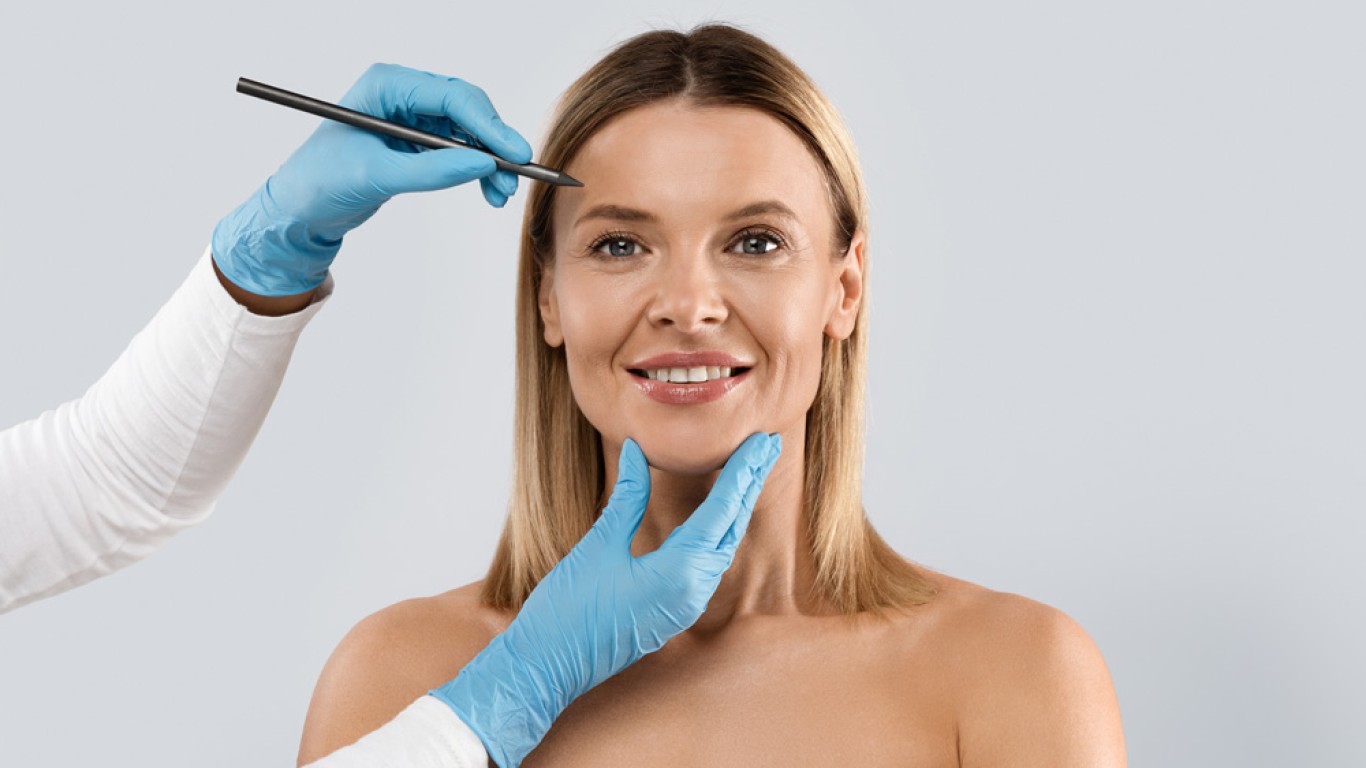
Many people explore upper-face treatments that create a lifted, refreshed look. Two popular options include a brow lift and a Botox brow. Both enhance the eye area, yet they work in different ways. Understanding each method helps people choose the most suitable approach. This guide explains how each treatment shapes the brow. Discover what individuals can expect from each of these choices.
What a Brow Lift Means
This lifts the brow by adjusting the underlying structures. This raises the brow into a more open and defined position. Many individuals choose this method for longer-term improvement. Specialists study brow height, forehead movement and overall facial balance before recommending this option. These assessments ensure results suit natural features.
What a Botox Brow Lift Does
A Botox brow lift raises the brow using strategic injections. Small doses relax selected muscles, allowing the brow tail to lift slightly. This creates gentle elevation without structural repositioning. Many people prefer this treatment when they want subtle refinement. The change develops gradually and offers controlled shaping.
Creating Shape: Brow Lift vs Botox Brow
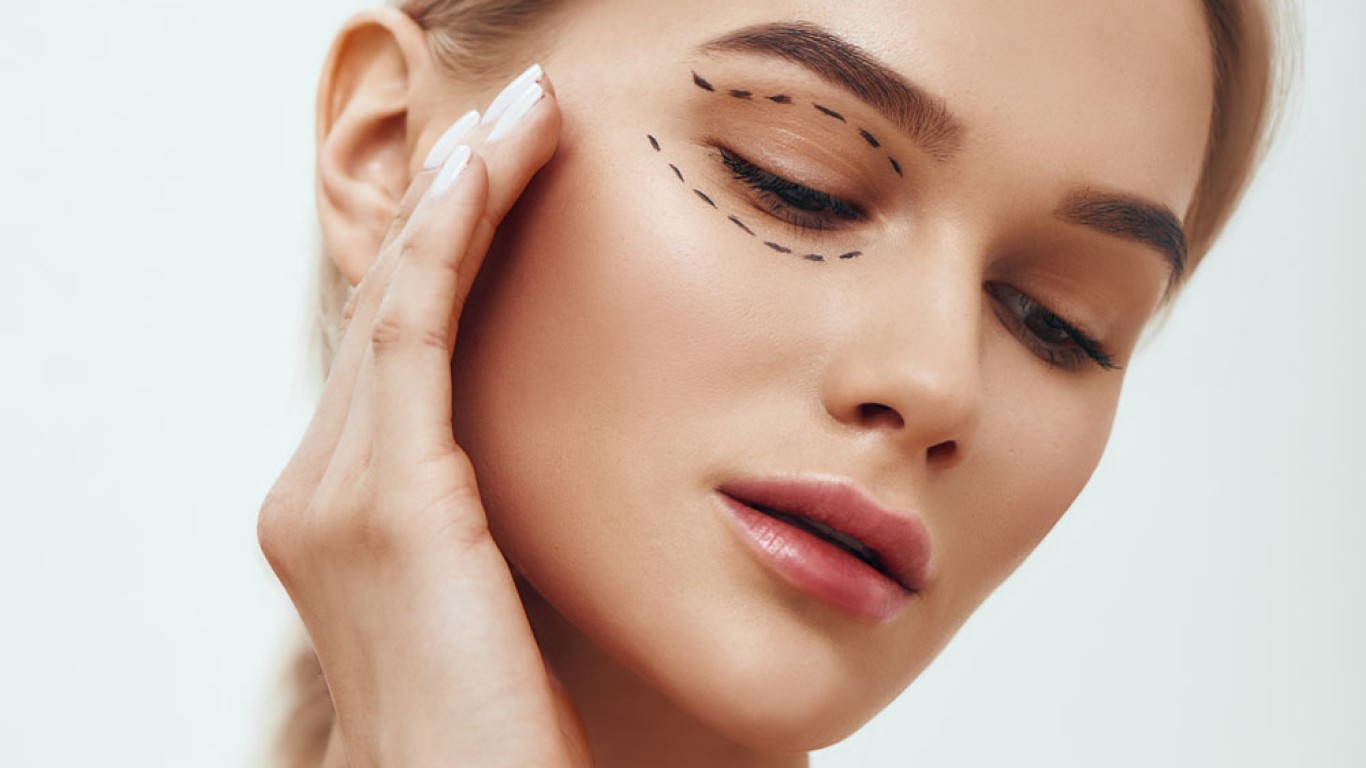
A lift repositions the brow to improve upper-face contour. It opens the eye area and reduces heaviness across the brow. Specialists plan the lift based on forehead shape and brow position. This step helps ensure natural alignment. Because brows affect expression, careful planning supports balanced outcomes. Botox lifts the brow by easing downward-pulling muscles. This allows the brow tail to rise. It offers a softer effect than a traditional lift. Many individuals appreciate the light, refreshed look. Because the technique focuses on small adjustments, it suits people seeking subtle yet effective change.
Which Treatment Lasts Longer?
A brow lift offers longer-lasting improvement because it adjusts deeper support. A Botox brow lasts a shorter period because it relies on muscle relaxation. Both options deliver clear enhancement. The ideal choice depends on how long someone wants the lifted look to remain.

Which Option Gives More Dramatic Change?
Those seeking a more noticeable lift usually prefer a brow lift. It reshapes the entire brow area. A Botox brow provides a lighter effect and suits people who want a softer change. This difference helps guide decisions during consultation.
Suitability for a Brow Lift vs Botox Brow
A brow lift suits individuals with significant brow descent or noticeable heaviness. Specialists check brow shape, forehead structure and facial proportions before recommending this option. Those seeking stronger improvement often benefit from this approach. Suitability also depends on personal goals and preferred longevity.
A Botox brow suits individuals with mild heaviness or early brow descent. It works well for those wanting a gentle lift. Specialists assess expression lines, muscle activity and natural brow movement. This helps determine whether a subtle injection-based lift offers the desired result.
How Each Option Refreshes the Eye Area
This lifts offers noticeable improvement by raising the brow and opening the eyes. It helps restore definition across the upper face. A Botox brow improves openness more gently. It adds lift to the brow tail and softens heaviness. Both approaches enhance the eye area in different ways.
Differences in Maintenance and Upkeep
A brow lift requires minimal maintenance due to its longer-lasting nature. Botox brow lifts require repeat sessions to maintain lift over time. This difference influences long-term planning. Many individuals choose based on how often they prefer to schedule treatments.
Combining a Brow Lift and Botox
Both treatments can complement each other in selected cases. This lifts raises the brow structurally, while Botox refines expression lines. This combination helps maintain smoothness and balance. Specialists plan the sequence to ensure natural alignment. Combined treatment often benefits those seeking both lift and refinement.
Choosing the Right Brow Shape
Selecting the ideal style depends on personal goals. Some prefer a sharper, lifted look. Others want a softer, more delicate change. Specialists examine brow shape, eye openness and forehead movement. These features help guide the final recommendation. Understanding these options supports confident decision-making.
Why People Compare Both Treatments
People compare these treatments because they offer different strengths. A brow lift provides longer-term structure, while Botox offers flexibility and control. This comparison helps individuals select a method matching their expectations. It also helps them understand what type of lift suits their preferred style.
Supporting Natural Expression Over Time
Many individuals also consider how each option supports natural expression over time. A brow lift offers stable positioning, which maintains a consistent look. A Botox brow lift allows gradual adjustments during routine appointments. This flexibility helps people shape their upper face in stages. Some prefer slow, controlled changes, while others want longer-lasting structure. Both treatments offer clear benefits for different preferences. Understanding personal style helps guide the final decision. Clear communication with a specialist ensures your chosen lift matches your goals. This thoughtful approach supports balanced outcomes, while helping create a refreshed upper-face appearance.
Conclusion
Both a brow lift and a Botox brow lift provide effective upper-face enhancement. A brow lift reshapes structure for longer-lasting lift, while Botox offers gentle and adjustable elevation. Understanding the differences helps individuals choose the approach that suits their goals and facial proportions.
For more information and to book a consultation visit the ACIBADEM Beauty Center Aesthetics webpage.
Frequently Asked Questions
It raises the brow and opens up the upper face.
It lifts the brow tail using targeted injections.
A Brow Lift usually lasts longer than Botox.
Yes, they work well together for balanced refinement.
Your goals, brow shape, and natural movement guide the decision.