Ataşehir Mah. Feza Sk. No:3 İstanbul / Türkiye
 English
  German
  Spanish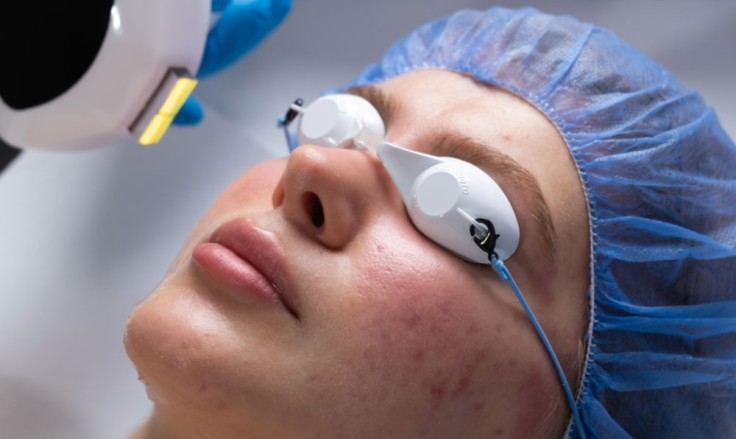
Introduction
CO2 laser resurfacing is one of the most powerful skin rejuvenation treatments available. It addresses wrinkles, sun damage, scarring and uneven texture. The treatment removes damaged surface layers and stimulates deep collagen production. Laser resurfacing produces more dramatic results than most non-surgical alternatives. However, it involves a longer recovery. Understanding both the results and the recovery helps patients decide whether the treatment suits their goals. This article explains how laser resurfacing works, what results to expect and what recovery involves at each stage.
What Is CO2 Laser Resurfacing?
CO2 laser resurfacing uses carbon dioxide laser energy to remove damaged skin. The laser vaporises tissue in a controlled manner. Modern fractional CO2 lasers treat a fraction of the skin surface at a time. Tiny columns of tissue are removed. The surrounding untreated skin supports faster healing. Laser resurfacing stimulates a powerful collagen remodelling response. The body produces new collagen as the treated tissue heals. This new collagen tightens and smooths the skin over the following months. The treatment has been used in dermatology for decades. Fractional technology has improved safety and reduced recovery time compared with older full-surface ablation. Laser resurfacing remains the gold standard for skin resurfacing when maximum improvement is the goal.
What Does CO2 Laser Resurfacing Treat?
The treatment addresses a wide range of skin concerns. Fine lines and wrinkles respond well. Deep wrinkles around the mouth and eyes improve significantly. Laser resurfacing treats sun damage including pigmentation and textural roughness. Acne scarring improves through collagen remodelling beneath the scar tissue. Surgical scars become smoother and less visible. Enlarged pores reduce as the surrounding skin tightens. Laser resurfacing also improves overall skin tone and radiance. Crepey skin quality improves as new collagen develops. The treatment addresses multiple concerns simultaneously. This comprehensive improvement is what distinguishes laser resurfacing from milder alternatives. Patients wanting significant visible change rather than subtle refreshment find it the most effective single-treatment option.
The CO2 Laser Resurfacing Procedure
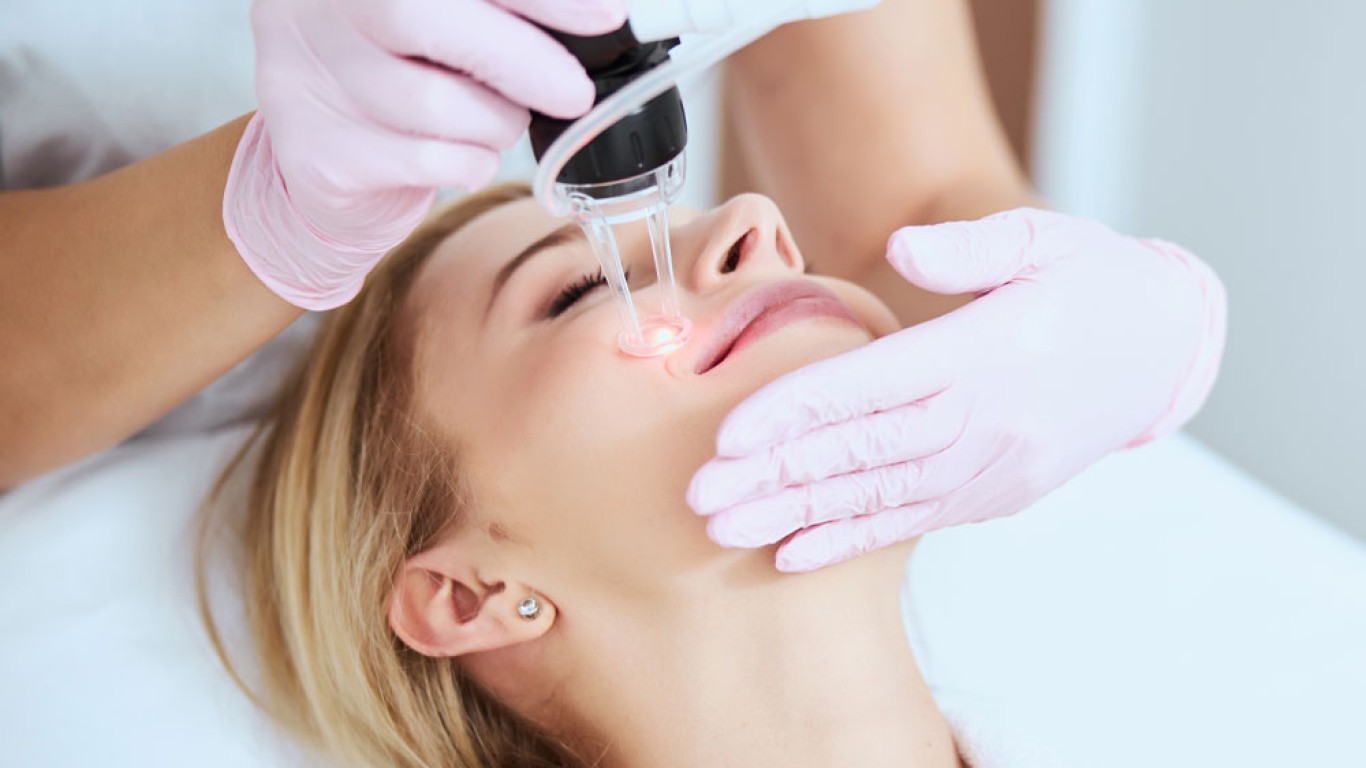
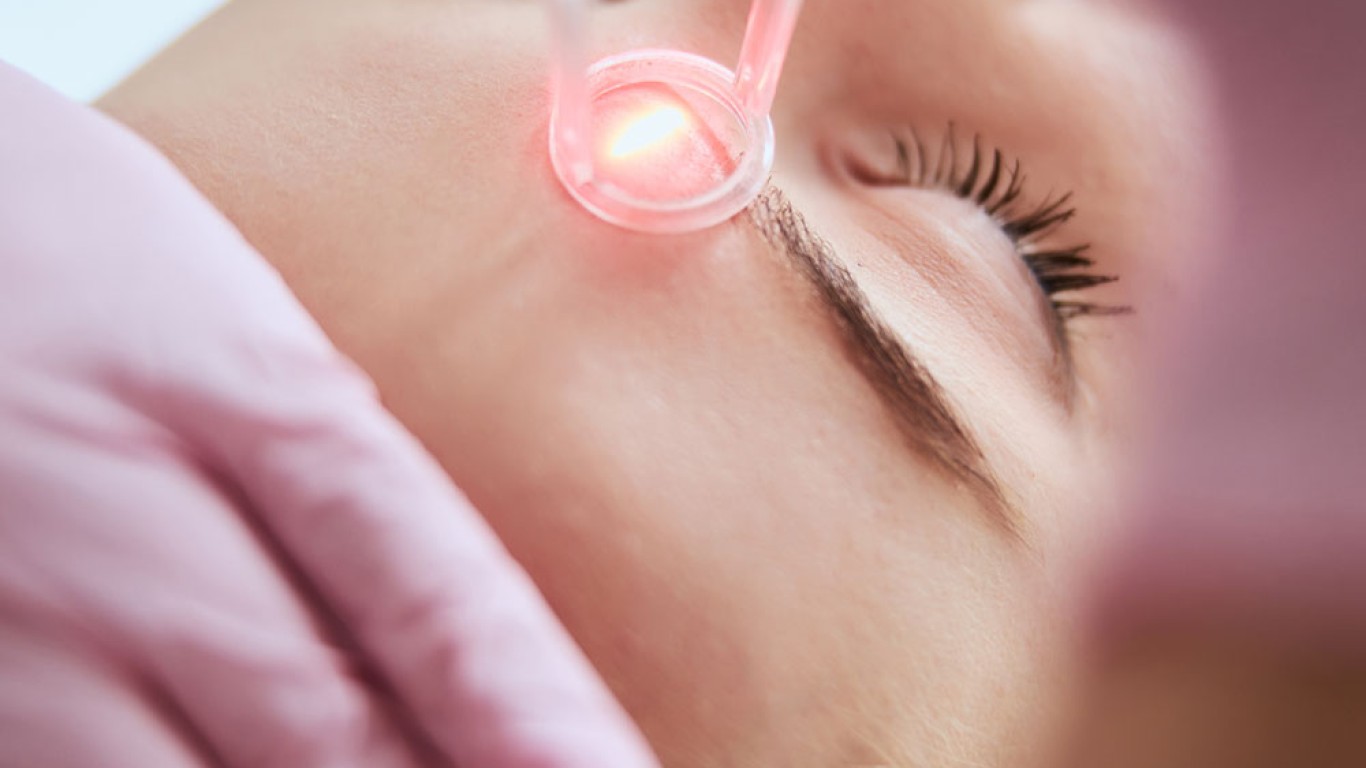
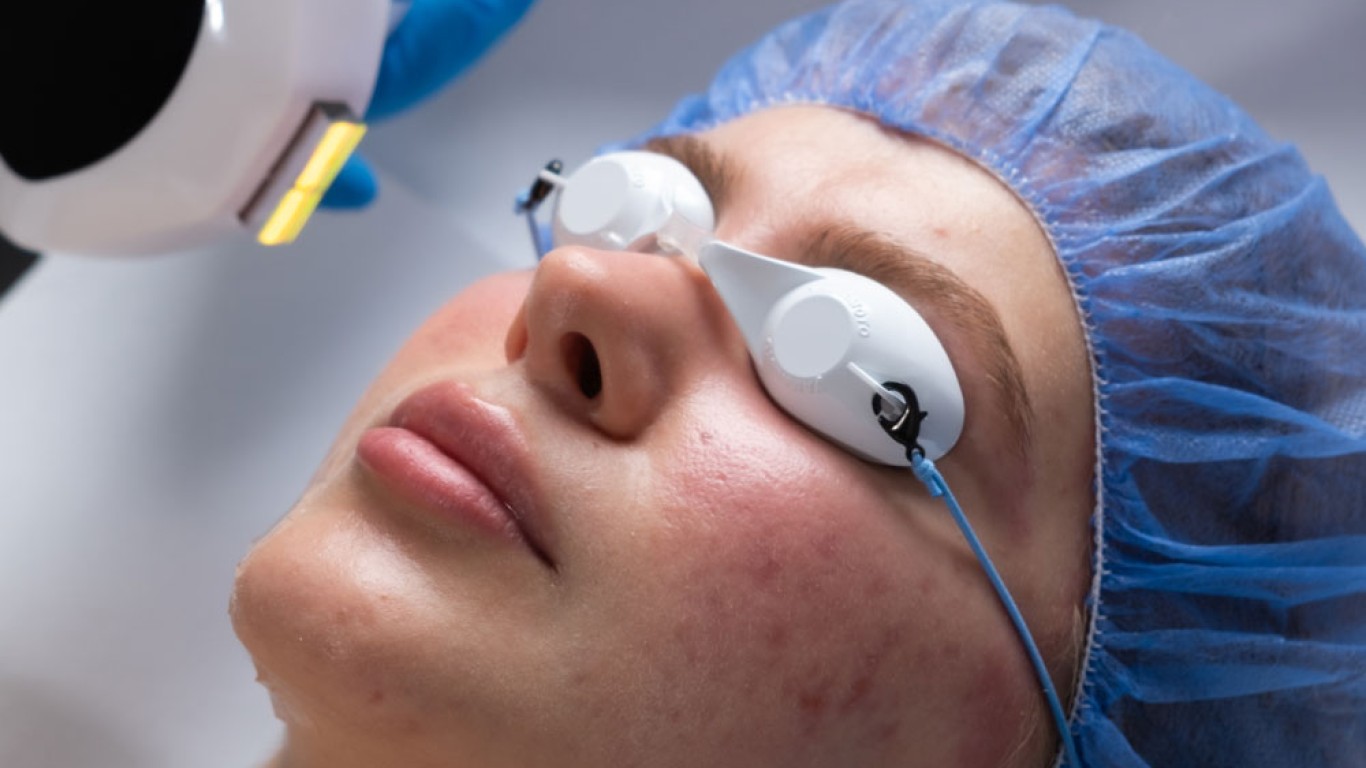
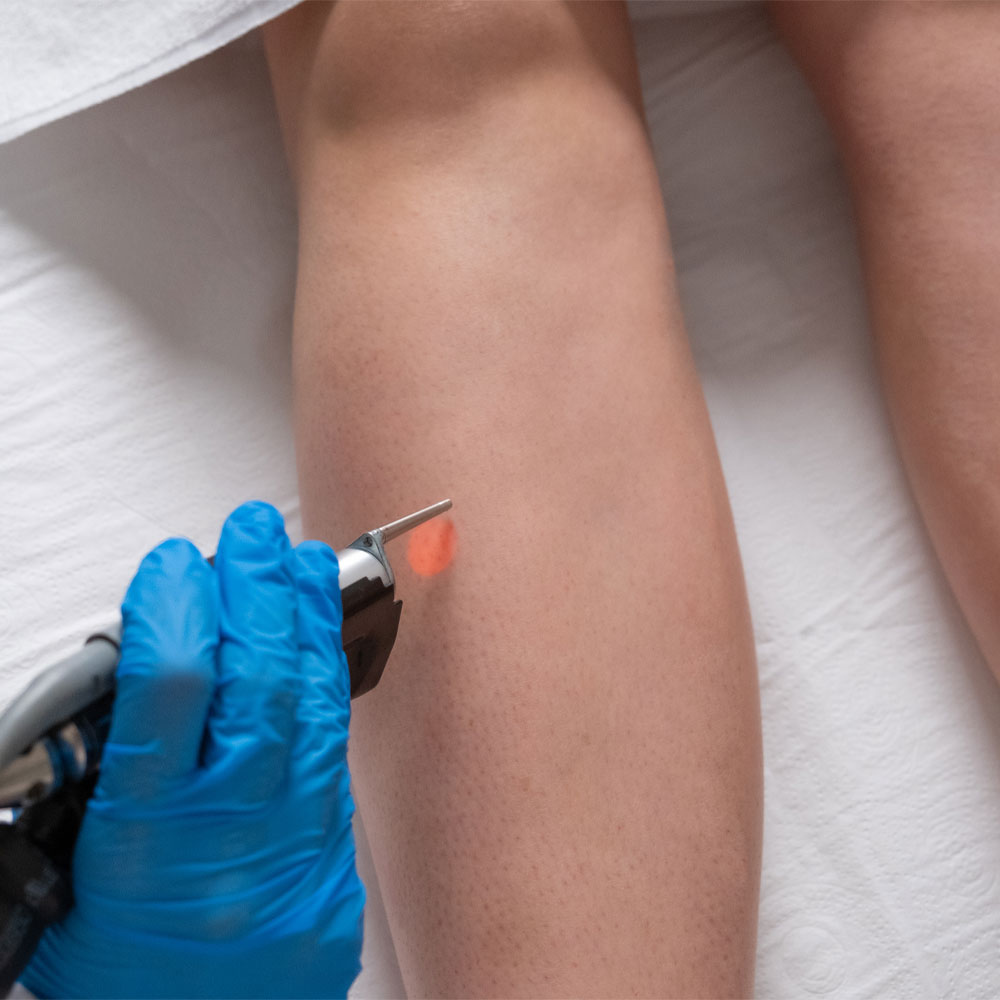
The procedure takes thirty to ninety minutes depending on the treatment area. Face is the most commonly treated zone. Local anaesthesia with sedation is standard. Some patients choose general anaesthesia for full-face treatment. The skin is cleansed thoroughly. CO2 laser resurfacing is performed using a handheld laser device. The practitioner passes the laser across the treatment area in a systematic pattern. Energy settings are adjusted for different facial zones. Delicate areas around the eyes receive lower energy. Thicker skin on the forehead tolerates higher settings. Laser resurfacing produces an immediate visible effect. The surface layers are vaporised. The skin appears raw and pink beneath. Ointment is applied immediately. The treated area requires careful wound management during the first week. The intensity of the treatment determines the recovery duration.
CO2 Laser Resurfacing Results
Results are among the most dramatic achievable without surgery. Laser resurfacing produces visible improvement in texture, tone and tightness. Wrinkles reduce significantly. Fine lines around the mouth soften dramatically. Sun damage pigmentation clears. Acne scars become smoother. The skin appears fresher and more youthful. Laser resurfacing results develop in two phases. The immediate effect comes from surface renewal. Old, damaged skin is replaced by fresh tissue within two weeks. The longer-term effect comes from collagen remodelling. This continues for three to six months after treatment. The skin tightens progressively. Pore size reduces. Texture continues improving. Laser resurfacing results are long lasting. The new collagen persists for years. Sun protection and good skincare maintain the improvement. Many patients describe the results as taking years off their appearance.
CO2 Laser Resurfacing Recovery Timeline
| Timeline | Recovery Status |
| Days one to three | Intense redness, oozing, swelling |
| Days four to seven | Peeling begins, redness continues |
| Weeks one to two | Peeling completes, pink skin beneath |
| Weeks two to four | Pinkness fading, makeup can conceal |
| Months one to three | Residual pinkness resolves gradually |
| Months three to six | Collagen remodelling continues, skin refining |
CO2 laser resurfacing recovery is more intensive than milder laser treatments. The first week requires dedicated wound care. The skin oozes and crusts as the surface heals. Petroleum-based ointment keeps the wound moist. Cool compresses reduce discomfort. Most patients take seven to fourteen days off work. Social downtime depends on the treatment intensity. Lighter treatments recover faster. More aggressive treatments produce stronger results but longer recovery. Laser resurfacing recovery requires commitment. Patients who follow wound care instructions precisely achieve the best outcomes. Picking at peeling skin delays healing and risks scarring.
CO2 Laser Resurfacing: Sun Protection During Recovery
Sun protection is critical after treatment. The new skin beneath is extremely vulnerable to UV damage. Laser resurfacing recovery demands strict sun avoidance for the first two to four weeks. Once the skin has fully re-epithelialised, SPF fifty must be applied daily. Reapplication every two hours during outdoor time is essential. Sun exposure during laser resurfacing recovery can cause permanent hyperpigmentation. This is particularly important for patients with medium to darker skin tones. Post-inflammatory hyperpigmentation risk is higher in these groups. Wide-brimmed hats provide additional physical protection. Laser resurfacing results are protected by ongoing sun care for at least six months. Many practitioners recommend twelve months of vigilant SPF use. The investment in recovery is wasted if UV damage is allowed to reverse the improvement.
Who Suits CO2 Laser Resurfacing?
The treatment suits patients wanting significant skin improvement. Those with moderate to severe sun damage benefit most. Deep wrinkles and established acne scarring respond well. Laser resurfacing suits patients willing to accept the recovery commitment. It is not suitable for patients wanting no-downtime treatment. Lighter skin tones respond most predictably. Fitzpatrick skin types one to three are ideal. Laser resurfacing on darker skin types carries higher pigmentation risk. Careful patient selection and conservative settings reduce this concern. An experienced practitioner evaluates individual suitability during consultation. Patients must be able to commit to wound care and sun protection. Active skin infections and certain medications may delay suitability. Isotretinoin use requires a waiting period of six to twelve months before CO2 laser resurfacing.
Conclusion
CO2 laser resurfacing is the most powerful non-surgical skin rejuvenation treatment available. It addresses wrinkles, sun damage, acne scarring and texture comprehensively. Results develop through surface renewal and deep collagen remodelling. Recovery takes one to three weeks for social comfort. Results continue improving for three to six months. CO2 laser resurfacing suits patients wanting dramatic improvement and accepting the recovery commitment. Sun protection is essential throughout healing. Professional consultation ensures the treatment is appropriate for individual skin type and concerns. Turkey offers CO2 laser resurfacing at competitive pricing with experienced practitioners. Following aftercare instructions carefully maximises long-term results and minimises complications. Choosing an experienced practitioner supports safe treatment and natural-looking skin rejuvenation.
To find out more information about laser resurfacing and to book a consultation visit the ACIBADEM Beauty Center Skin Treatments page.
Frequently Asked Questions
Seven to fourteen days for social recovery. Full healing takes two to three months.
Among the most dramatic non-surgical skin improvements available. Wrinkles and scarring improve significantly.
Higher pigmentation risk exists. Conservative settings and experienced practitioners reduce this concern.
Years. New collagen persists long term. Sun protection maintains the improvement.
One session produces significant results. Some patients choose a second session for additional improvement.