Ataşehir Mah. Feza Sk. No:3 İstanbul / Türkiye
 French
  English
  German
  Spanish
A balanced facial profile can make a remarkable difference to overall appearance. For many, the nose plays a central role in defining harmony and confidence. Cosmetic rhinoplasty offers a way to refine shape, symmetry, and proportion without losing individuality. Advances in surgical technique now make results more natural, predictable, and tailored than ever before. This article explores how cosmetic rhinoplasty transforms facial profiles, from surgical planning to aesthetic outcome.
What Is Cosmetic Rhinoplasty?
Cosmetic rhinoplasty is a surgical procedure designed to enhance the nose’s appearance and alignment. Unlike functional rhinoplasty, which focuses on breathing, this version primarily addresses aesthetic goals. It can reduce humps, lift tips, narrow bridges, and refine nostril shape. The surgery involves reshaping bone, cartilage, and soft tissue with precision tools. Modern approaches, including ultrasonic and closed methods, minimise trauma while maintaining natural features. The goal is balance - creating a nose that complements surrounding facial contours seamlessly.
How Cosmetic Rhinoplasty Transforms Facial Profiles
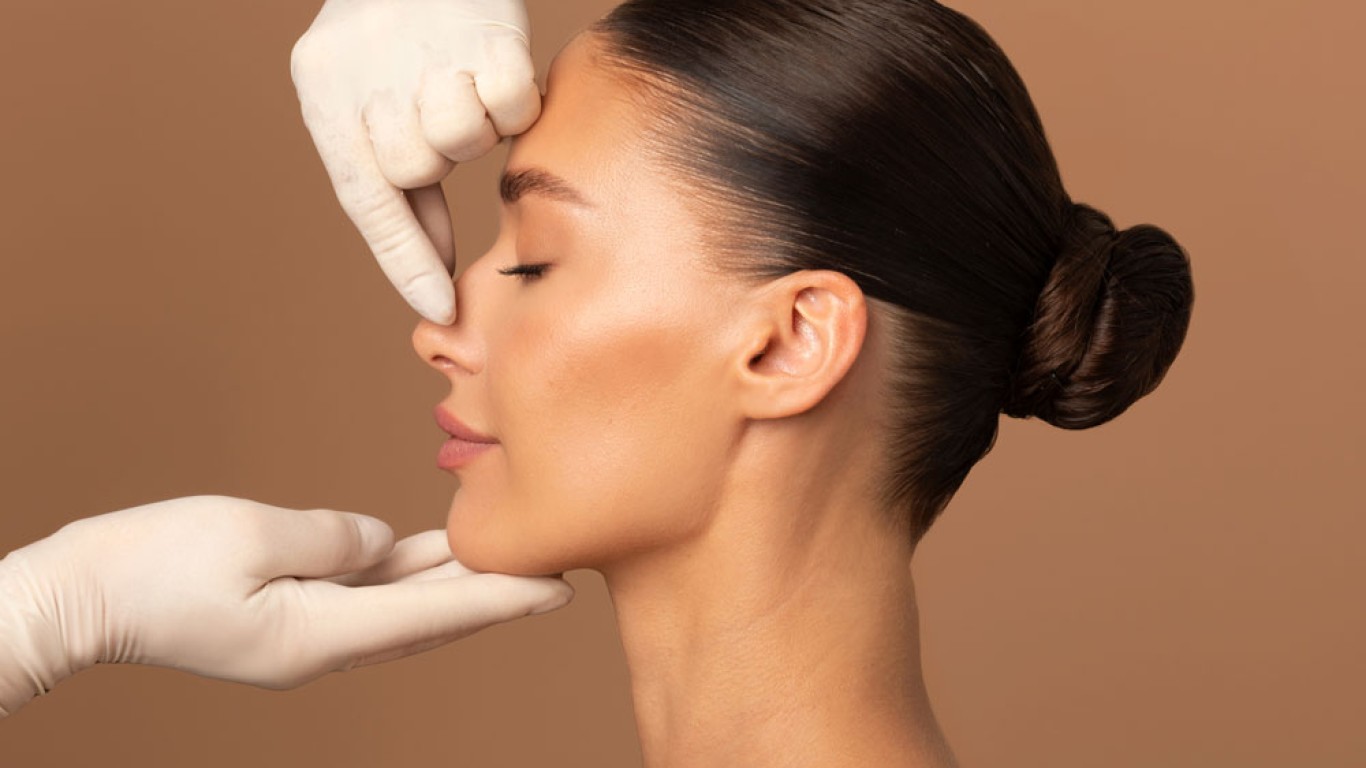
A well-proportioned nose can dramatically enhance side-profile symmetry. By adjusting angles, length, or projection, cosmetic rhinoplasty refines how light interacts with facial features. When done carefully, it aligns the nose with the chin, forehead, and lips for harmony. Even subtle changes can soften harsh lines or accentuate definition, creating an elegant, balanced look. This harmony often translates into greater self-confidence and comfort in social and professional settings.
Modern Techniques in Cosmetic Rhinoplasty
Today’s cosmetic rhinoplasty techniques prioritise precision and customisation. Surgeons use advanced tools, 3D imaging and minimally invasive approaches to plan and perform adjustments. Ultrasonic instruments gently sculpt bone, reducing swelling and ensuring smooth contours. Closed rhinoplasty hides incisions inside the nostrils, leaving no visible scars. For complex reshaping, open techniques allow direct visualisation of nasal structures for detailed refinement. These innovations ensure consistent, safe, and aesthetically pleasing outcomes.
Personalised Cosmetic Rhinoplasty Aesthetic Planning
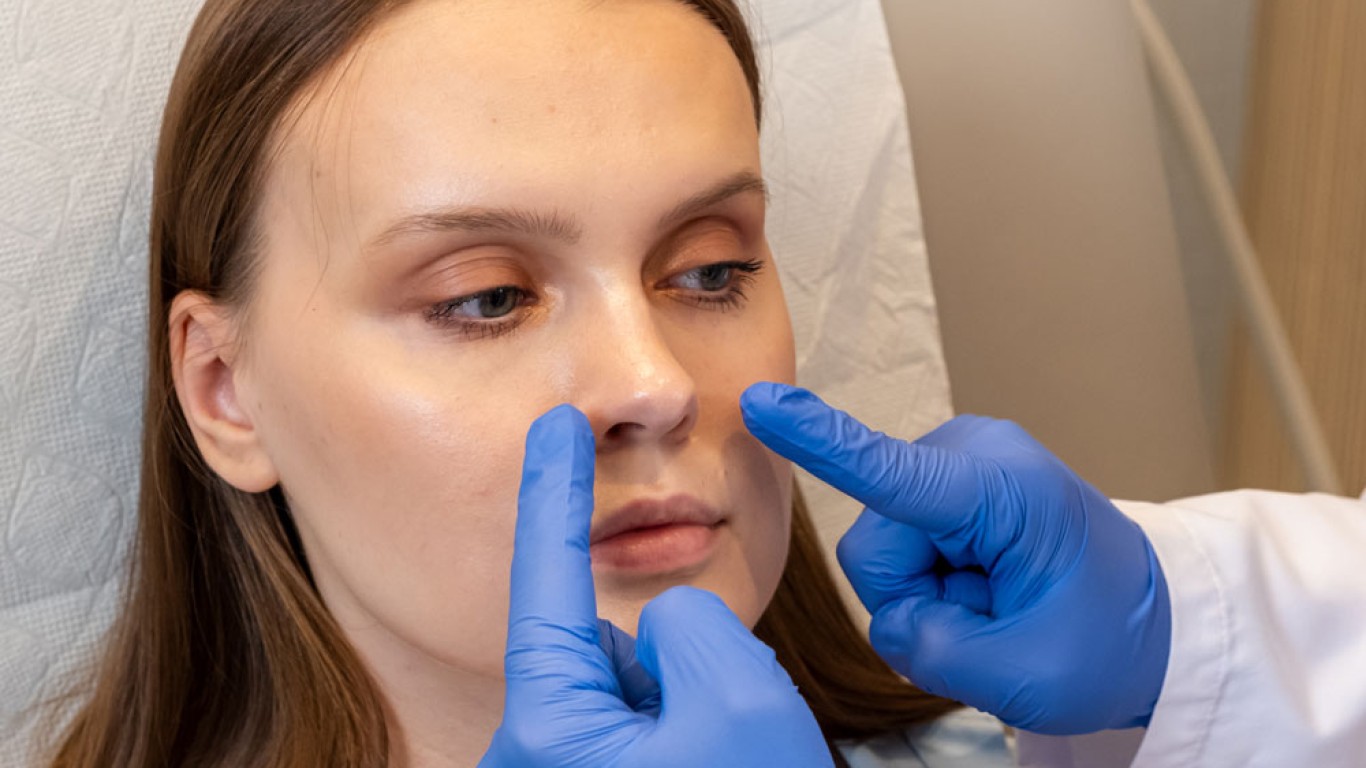
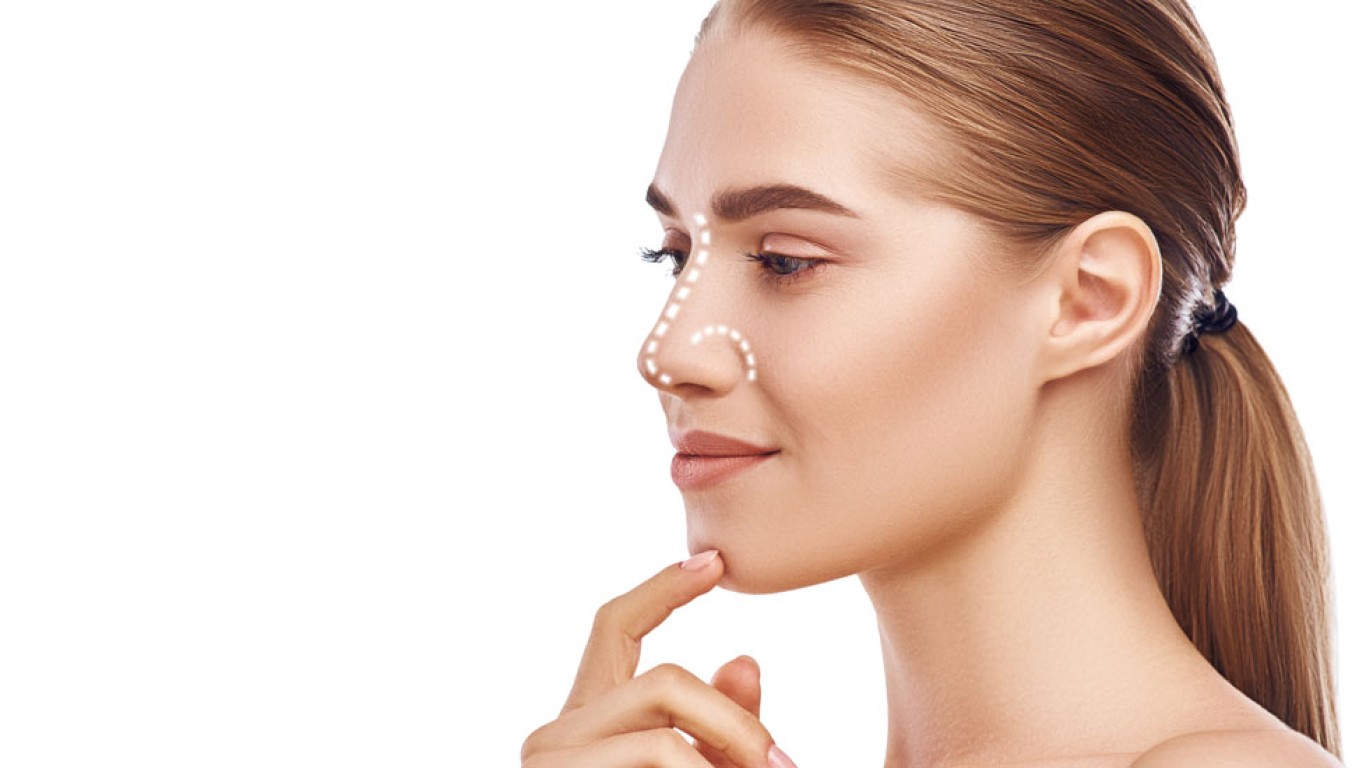
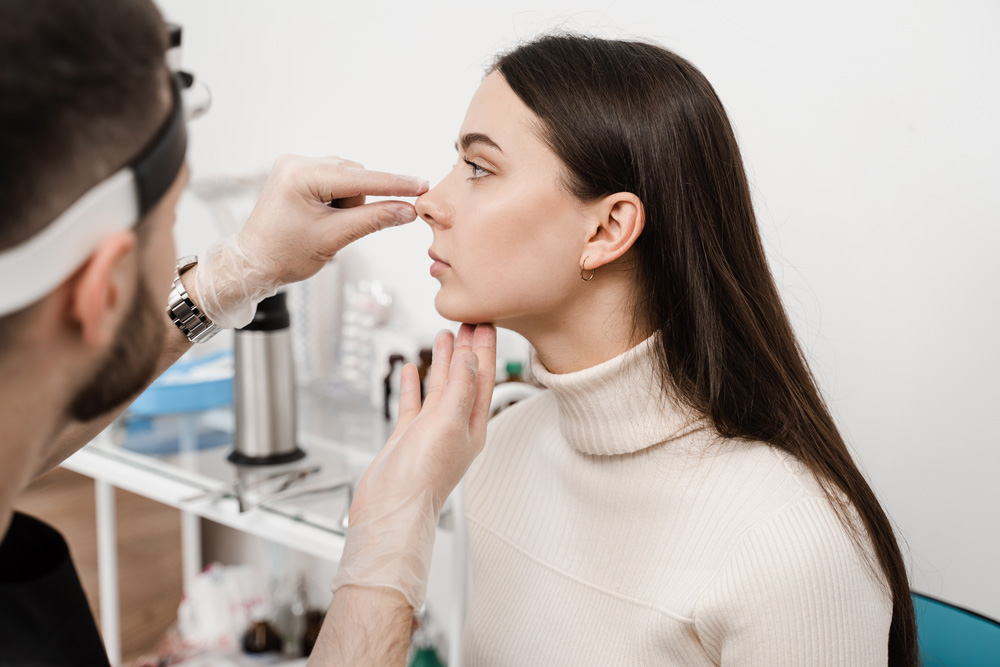
Every face is unique, and so is every cosmetic rhinoplasty. Before surgery, patients undergo a detailed consultation and digital analysis. This planning process assesses proportions, skin quality and individual goals. Computer imaging helps visualise potential results, allowing realistic discussions between surgeon and patient. Such collaboration ensures changes look authentic rather than artificial. Personalisation is what transforms cosmetic rhinoplasty from a procedure into an art form.
Balancing the Nose with Other Features
A key principle of cosmetic rhinoplasty is balance rather than perfection. A refined nose enhances surrounding features like the eyes, lips, and cheekbones. Sometimes, minor adjustments to the chin or forehead are considered for overall symmetry. This integrated approach creates proportionate, harmonious results across the entire profile. When everything aligns naturally, the face appears refreshed yet recognisably individual. This subtle transformation is what defines success in modern aesthetics.
Cosmetic Rhinoplasty Recovery and Healing Process
Recovery after cosmetic rhinoplasty varies depending on the technique and extent of reshaping. Most patients experience mild swelling and minimal bruising for the first week. Within ten days, visible signs fade, and normal activities can usually resume. Full internal healing continues gradually over several months. Following aftercare instructions - such as avoiding pressure and maintaining hydration - ensures smooth recovery. The results continue to refine as swelling subsides, revealing the final contours.
Why Patients Choose Cosmetic Rhinoplasty
Patients choose cosmetic rhinoplasty for both emotional and aesthetic reasons. Some seek correction of long-standing insecurities; others want a subtle update that enhances natural beauty. Many find that refining one feature changes how the entire face is perceived. Because the nose influences facial balance, even small modifications can feel transformative. The combination of artistry and technical precision makes this surgery deeply personal and rewarding.
The Role of Technology in Modern Rhinoplasty
Technology has revolutionised planning and performance in cosmetic rhinoplasty. High-definition imaging enables surgeons to predict outcomes and identify fine structural details. Ultrasonic instruments now allow bone shaping with millimetre accuracy, preserving surrounding tissues. This precision minimises trauma, shortens recovery, and produces smooth, natural contours. Furthermore, simulation software helps patients understand realistic results before surgery begins. Such advancements have made rhinoplasty more accessible, predictable, and satisfying for patients globally.
Non-Surgical Alternatives to Cosmetic Rhinoplasty
Not every enhancement requires surgery. Non-surgical cosmetic rhinoplasty, also known as liquid rhinoplasty, uses dermal fillers for temporary correction. It can lift a drooping tip, smooth a small hump, or add symmetry in minutes. Results last around a year and provide a preview for those considering full surgery later. Although temporary, this approach offers flexibility and immediate improvement with minimal downtime. It’s an ideal choice for subtle adjustments or first-time aesthetic patients.
Combining Cosmetic Rhinoplasty with Other Treatments
Cosmetic rhinoplasty is often paired with complementary procedures for complete facial harmony. Popular combinations include chin augmentation, eyelid surgery or skin tightening for balanced rejuvenation. These combinations create alignment across multiple areas, enhancing proportion and definition.The trend toward comprehensive, multi-area transformation continues to grow in 2025. When performed together, the results appear unified and naturally rejuvenated.
Choosing the Right Surgeon
Selecting a qualified surgeon is the foundation of successful cosmetic rhinoplasty. Expertise, experience, and artistic vision determine how refined and natural the results will appear. Patients should look for board-certified professionals who specialise in facial aesthetics. Reviewing before-and-after photos helps assess style consistency and aesthetic approach. A skilled surgeon blends science with creativity to create subtle, lasting transformations.
How Cosmetic Rhinoplasty Impacts Confidence
Beyond physical change, cosmetic rhinoplasty often boosts emotional wellbeing. When patients feel their appearance reflects how they see themselves, confidence naturally follows. This positive self-image influences how they interact socially and professionally. For many, it represents more than aesthetics - it’s empowerment through self-expression. The transformation becomes both visible and deeply personal.
Conclusion
Cosmetic rhinoplasty combines precision, artistry, and innovation to enhance natural beauty. Whether refining subtle details or transforming the entire profile, it delivers confidence and balance. Modern techniques ensure safety, comfort, and beautifully proportioned results.
For more information and to book a consultation visit the ACIBADEM Beauty Center Rhinoplasty webpage.
Frequently Asked Questions
It’s a surgical procedure that reshapes the nose for aesthetic improvement and facial harmony.
Most patients resume normal activities within one to two weeks.
While primarily cosmetic, it can be combined with functional correction if necessary.
Yes, surgical results are long-lasting, though natural ageing may subtly alter the nose over time.
It’s ideal for minor adjustments but cannot replace surgical correction for structural changes.