Ataşehir Mah. Feza Sk. No:3 İstanbul / Türkiye
 English
  German
  Spanish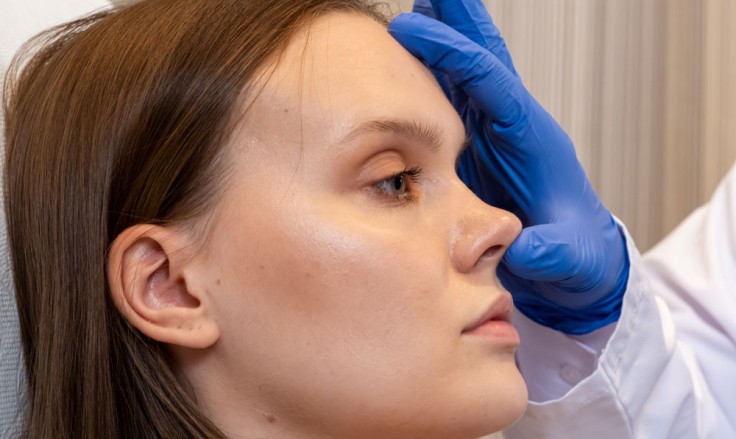
Introduction
Breathing difficulty caused by a deviated septum is a common problem. The nasal septum is the wall of cartilage and bone dividing the nose. When it is crooked, airflow through one or both nostrils is restricted. Septoplasty corrects this deviation surgically. The procedure straightens the septum to improve nasal breathing. Many patients have questions about how the surgery works. Understanding the facts about septoplasty helps individuals evaluate whether the procedure suits their situation. This article addresses the most frequently asked questions clearly and practically.
What Is Septoplasty?
Septoplasty is a surgical procedure that straightens the nasal septum. The septum divides the nasal cavity into two passages. A deviated septum shifts to one side. This narrows the airway on that side. This procedure repositions and straightens the cartilage and bone. The procedure is performed through the nostrils. No external incisions are needed. The outer shape of the nose does not change. It’s a functional procedure. It improves breathing rather than altering appearance. The surgery takes approximately thirty to sixty minutes. It is performed under general or local anaesthesia with sedation. Most patients go home the same day. The procedure has a strong safety record when performed by experienced surgeons.
Why Do People Need Septoplasty?
A deviated septum causes several functional problems. Restricted airflow through the nose is the primary concern. Patients often breathe predominantly through one nostril. Chronic nasal congestion is common. Sleep quality suffers when nasal breathing is compromised. Snoring may worsen. Recurrent sinus infections can result from poor drainage. Septoplasty addresses these issues by restoring balanced airflow. Some patients develop a deviated septum from birth. Others acquire it through injury or trauma. The severity of deviation varies. Mild deviations may not require treatment. Moderate to severe cases benefit from this procedure when symptoms affect daily life. Medical treatments such as nasal sprays may manage mild symptoms. Surgery is recommended when conservative measures are insufficient.
How Is Septoplasty Performed?
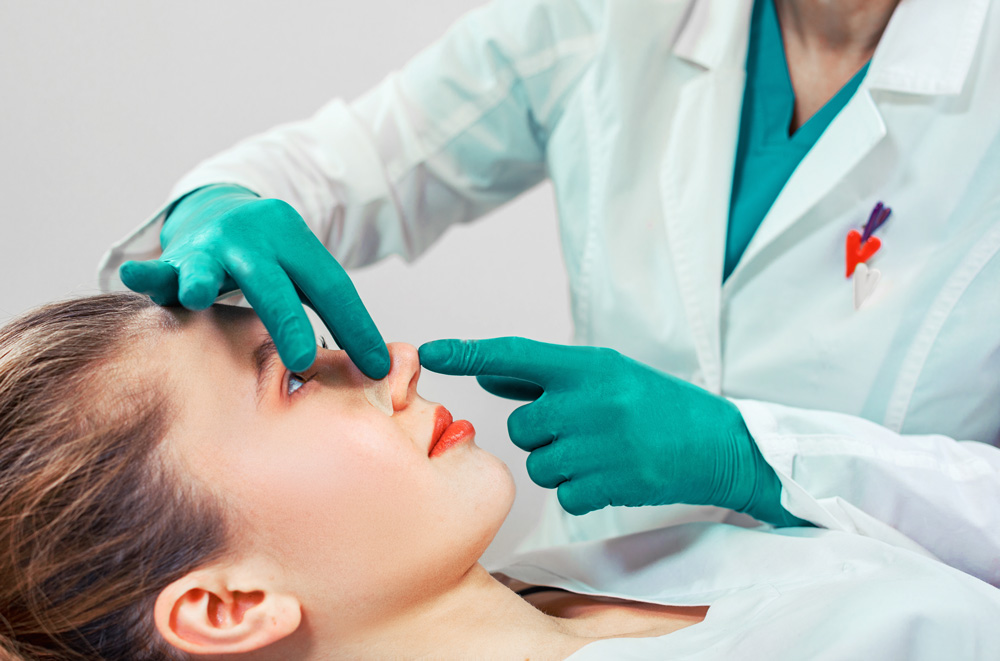
The procedure is performed entirely through the nostrils. No external cuts are made on the nose. The surgeon lifts the mucous membrane covering the septum. Deviated cartilage and bone are repositioned or trimmed. The membrane is replaced over the straightened structure. It uses dissolvable sutures internally. Nasal splints may be placed inside the nose for support. These are removed within five to seven days. Nasal packing is sometimes used but many surgeons avoid it. The procedure takes thirty to sixty minutes. Patients are monitored during recovery from anaesthesia. Most go home the same day. The outer shape of the nose remains unchanged. This procedure corrects the internal structure only.
What Does Septoplasty Recovery Involve?
Recovery is generally straightforward. Nasal congestion is expected during the first one to two weeks. This results from swelling rather than the original deviation. Breathing improves progressively as swelling resolves. Pain is mild and managed with standard pain relief. Recovery requires avoiding blowing the nose for the first two weeks. Sneezing should be directed through the mouth. Head elevation during rest reduces swelling. Light activities can resume within a few days. Most patients take one week off work. Strenuous exercise should be avoided for three to four weeks. Nasal splints are removed within five to seven days. Most patients notice meaningful breathing improvement within two to four weeks. Full healing takes approximately three to six months.
When Are Septoplasty Results Noticeable?
Improvement in breathing develops gradually. The first few weeks involve swelling that temporarily restricts airflow. Results become noticeable once swelling starts to resolve. Most patients feel significant improvement at two to four weeks. Breathing continues to improve over the following months. The nasal passages reach their final healed state at three to six months. Sleep quality often improves within the first few weeks. Snoring may reduce or resolve. Sinus-related symptoms typically improve progressively. Patients who have breathed poorly for years often describe the improvement as remarkable. Patience during early recovery is important. The full benefit develops gradually rather than appearing immediately after surgery.
Can Septoplasty Be Combined with Rhinoplasty?
Yes. Septoplasty and rhinoplasty are frequently combined. The combined procedure is called septorhinoplasty. It addresses both breathing function and nasal appearance. This procedure straightens the internal structure. Rhinoplasty reshapes the external nose. Combining both procedures requires a single recovery period. This is more efficient than undergoing two separate surgeries. Patients who want both improved breathing and a refined nasal appearance benefit from the combined approach. The surgeon evaluates whether combination surgery is appropriate during consultation. Not every patient needs both procedures. Some want functional improvement only. Others want cosmetic change alone. The combined procedure suits patients with both functional and aesthetic concerns.
Risks and Safety
Septoplasty has a strong safety profile when performed by experienced surgeons. Complications are uncommon. Minor bleeding during the first few days is normal. Infection is rare with proper post-operative care. A septal perforation, a small hole in the septum, is a rare complication. Numbness in the upper front teeth may occur temporarily. Adhesions between the septum and the nasal wall can form during healing. Follow-up appointments detect and address these early. This procedure does not guarantee perfect breathing. Some patients notice significant improvement but not complete resolution. Realistic expectations support higher satisfaction. The procedure addresses structural deviation. Other factors such as allergies or turbinate enlargement may also affect breathing. The surgeon discusses all contributing factors during assessment.
Who Is a Suitable Candidate for Septoplasty?
Suitable candidates have a deviated septum causing breathing difficulty. The deviation should be significant enough to affect daily function or sleep. This procedure suits adults whose nasal development is complete. Patients should be in good general health. Non-smokers heal more predictably. Candidates should have tried conservative treatments without adequate relief. Nasal sprays and antihistamines manage some symptoms. When these are insufficient, surgery is appropriate. The surgeon evaluates the septum using nasal endoscopy. CT imaging may be used for detailed assessment. Patients with realistic expectations about improvement achieve the highest satisfaction. Septoplasty corrects structural deviation. It does not address all causes of nasal congestion.
How Much Does Septoplasty Cost?
Pricing varies by location and whether the procedure is combined with rhinoplasty. In the UK, the procedure typically costs between three thousand and six thousand pounds privately. Turkey offers significantly lower pricing with all-inclusive packages. Turkish packages commonly include surgeon fees, hospital stay, accommodation and aftercare. The cost difference reflects lower operational expenses rather than reduced quality. Combining this procedure with rhinoplasty in Turkey provides strong overall value. Patients should confirm package inclusions before booking. Comparing total value between clinics ensures the most informed decision. JCI-accredited Turkish facilities provide international safety standards. Flexible payment options are available at many clinics. Transparent pricing helps patients plan treatment with greater confidence.
Septoplasty and Turbinate Reduction
Patients also ask about turbinate reduction alongside septoplasty. The turbinates are soft tissue structures inside the nose. They warm and humidify inhaled air. Enlarged turbinates can block the nasal airway independently of a deviated septum. Turbinate reduction shrinks these structures to improve airflow further. The procedure is often performed during the same session as the primary procedure. Combining both addresses multiple causes of nasal obstruction. The surgeon assesses turbinate size during the pre-operative examination. Not every patient needs turbinate reduction. Those with significant turbinate enlargement benefit from the additional correction. Recovery is similar to septoplasty alone. The combination produces the most comprehensive breathing improvement for patients with both septal deviation and turbinate hypertrophy. Patients often notice easier breathing soon after swelling begins to settle. Long-term airflow improvements support better sleep and daily comfort.
Conclusion
Septoplasty is an effective procedure for correcting a deviated septum and improving nasal breathing. Recovery is straightforward with most patients returning to normal activities within one week. Breathing improvement develops over two to four weeks. Full results are apparent at three to six months. The procedure can be combined with rhinoplasty for patients with both functional and aesthetic concerns. Professional consultation ensures personalised assessment and supports confident decision-making. Modern techniques continue to improve patient comfort, recovery and long-term breathing outcomes after ther procedure. Many patients report lasting improvements in breathing quality, sleep and everyday wellbeing after successful treatment.
To find out more information about aesthetic procedures and to book a consultation visit the ACIBADEM Beauty Center Aesthetics page.
Frequently Asked Questions
No. Septoplasty corrects the internal septum. The outer shape remains unchanged.
Most patients return to work within one week. Full healing takes three to six months.
Most patients experience significant improvement. Complete perfection is not always achievable.
Yes. The combined procedure addresses both function and appearance.
Discomfort is mild and well managed with standard pain relief.