Ataşehir Mah. Feza Sk. No:3 İstanbul / Türkiye
 French
  English
  German
  Spanish
Introduction
Excess skin and tissue on the inner or outer thighs is a common concern, particularly after significant weight loss. Thigh lift surgery removes surplus skin and tightens the remaining tissue to create smoother and more proportionate thigh contours. The procedure improves both appearance and comfort. Many patients have questions about what the surgery involves before making their decision. Understanding the facts about thigh lift surgery supports informed and confident decision-making. This article addresses the most asked questions, covering the procedure, candidacy, recovery and expected results. Patients also report improved confidence in fitted clothing, swimwear and everyday physical activity after recovery.
What Is Thigh Lift Surgery?
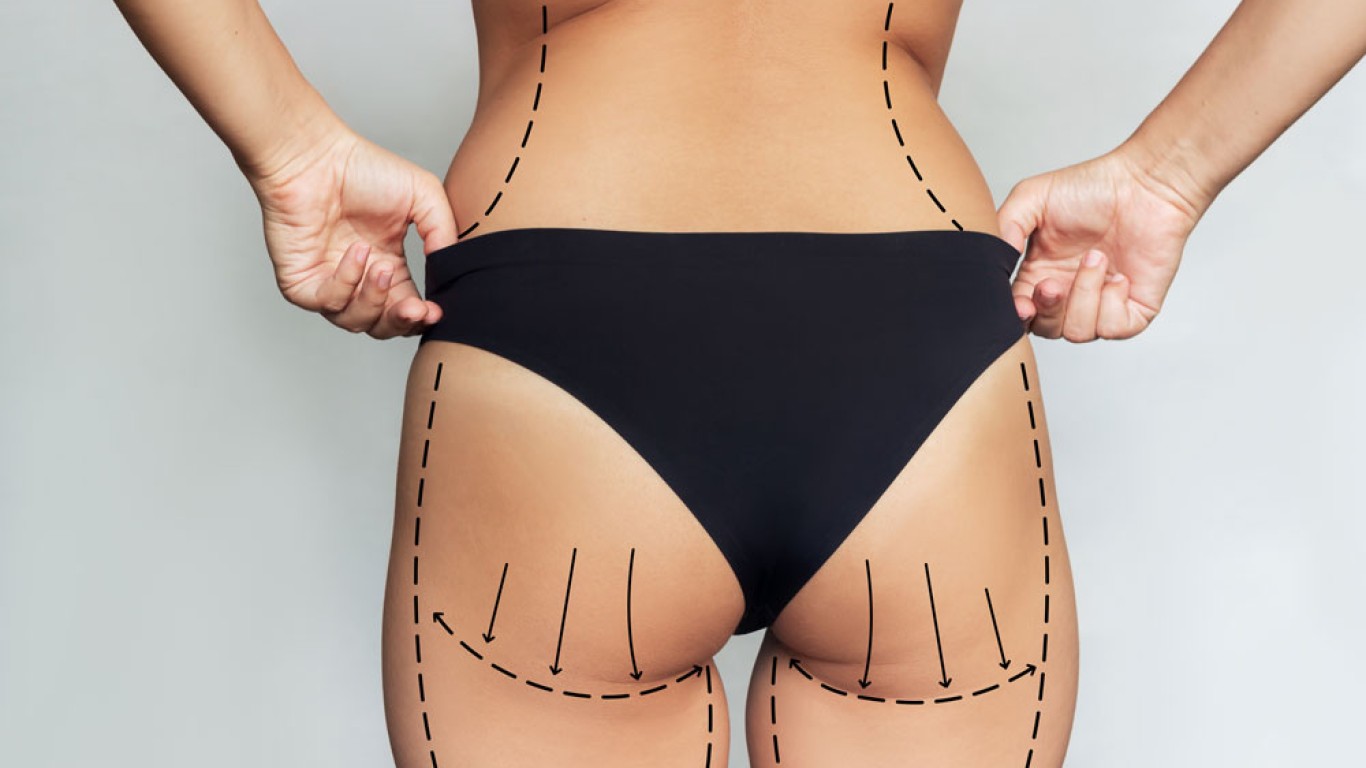
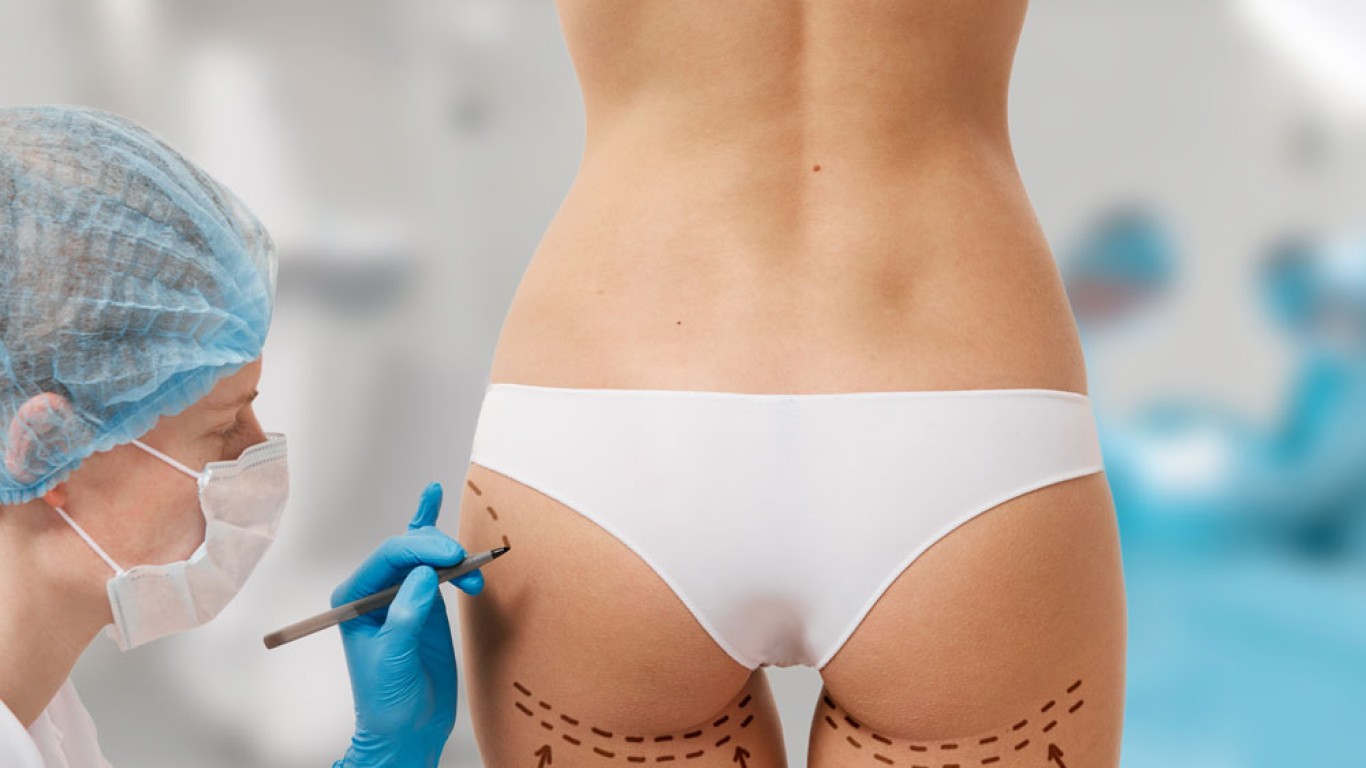
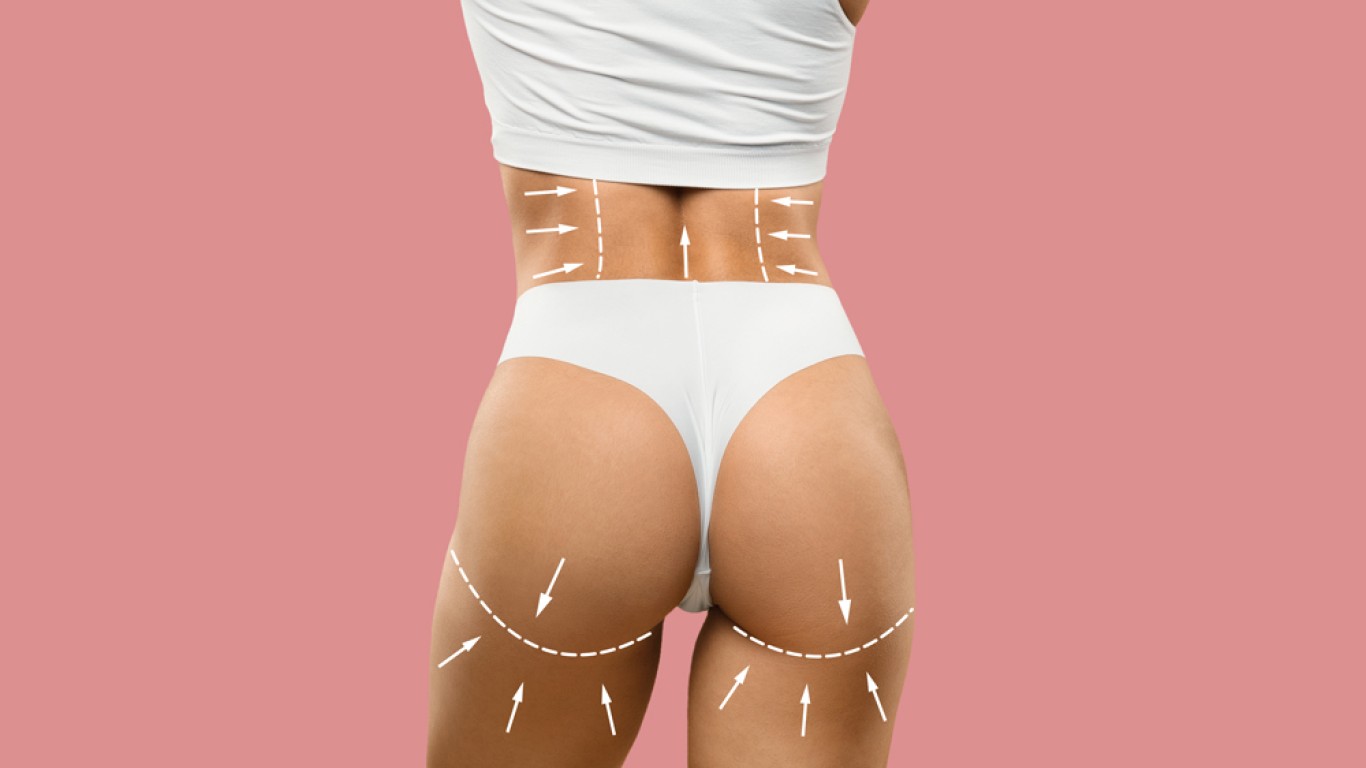
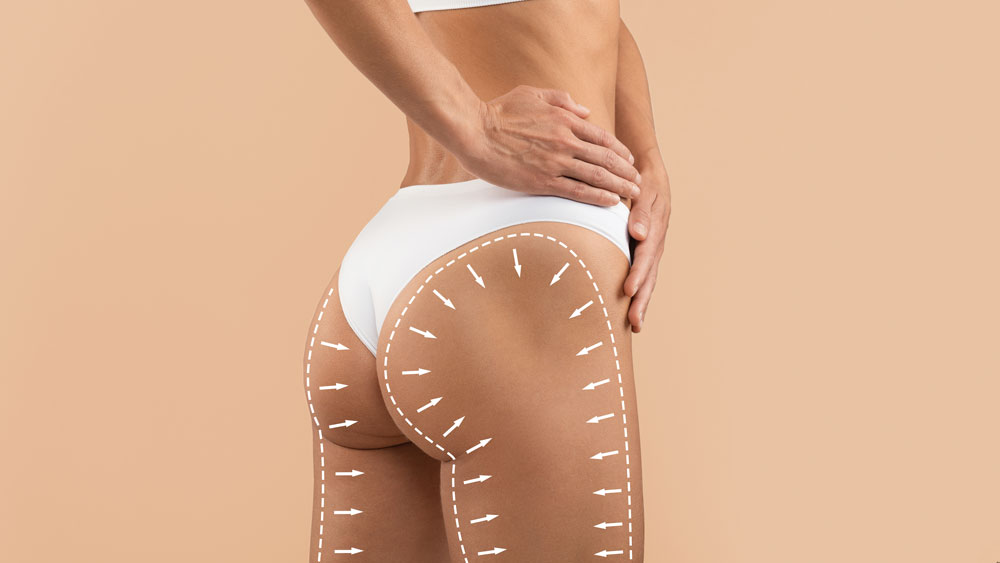
Thigh lift surgery removes excess skin and fat from the inner or outer thighs. The procedure tightens the remaining tissue to create a smoother contour. An inner thigh lift addresses the medial thigh using an incision in the groin crease. A vertical thigh lift uses a longer incision running from the groin toward the knee for more extensive correction. The procedure suits patients with significant skin excess that creates sagging or chafing. The procedure is performed under general anaesthesia. It will typically take two to three hours depending on the extent of correction. Liposuction may also be combined with the procedure. This is to improve contour and remove resistant fat deposits more effectively.
Who Is a Good Candidate?
Ideal candidates have excess thigh skin that causes aesthetic or functional concerns. Patients who have lost significant weight often develop loose inner thigh skin. When diet and exercise cannot improve it, thighplasty can. Chafing between the thighs is a common functional complaint. Thigh lift surgery suits patients at a stable body weight. Candidates should be in good general health and non-smokers. Realistic expectations about scarring and results are important. The procedure does not replace weight loss. It addresses the residual skin excess that remains after weight reduction. A consultation assesses individual anatomy and recommends the most appropriate surgical approach. Patients committed to maintaining healthy lifestyle habits generally achieve the most satisfying and longest-lasting results.
What Types of Thigh Lift Surgery Are Available?
Several variations exist depending on the location and degree of skin excess:
- Medial thigh lift targets the inner thigh using an incision hidden in the groin crease.
- Vertical thigh lift addresses more extensive inner thigh laxity with a longer incision.
- Lateral thigh lift targets the outer thigh and may extend into a lower body lift.
- Combined approaches address both inner and outer thigh concerns simultaneously.
Technique selection depends on the specific area of concern, the amount of excess skin and the patient's body shape. The surgeon recommends the most appropriate type during consultation based on individual assessment. Modern planning focuses on balancing contour improvement with discreet scar placement and natural body proportions.
What Does Thigh Lift Surgery Recovery Involve?
Recovery requires careful management during the first few weeks. Swelling and bruising in the thighs are expected. Compression garments support healing and reduce fluid accumulation. Pain is managed with prescribed medication. Most patients take two to three weeks off work. Recovery requires avoiding strenuous leg exercise for six to eight weeks. Light walking is encouraged from the first few days to support circulation. Sleeping with the legs slightly elevated helps reduce swelling. Sitting for extended periods should be avoided during the first two weeks. Most patients return to full activity within six to eight weeks. Follow-up appointments allow the surgical team to monitor healing and support a smooth recovery process. Patients can then be assessed throughout each stage. Maintaining hydration and balanced nutrition during recovery also supports tissue healing and overall comfort. Patients should follow all aftercare instructions carefully to achieve the best possible long-term outcome.
What About Scarring?
Scarring is an important consideration. The extent of scarring depends on the type of procedure performed. A medial thigh lift produces a scar in the groin crease that is relatively well concealed. A vertical thigh lift creates a longer scar running along the inner thigh. Scars fade significantly over twelve to eighteen months. Following scar care instructions supports the best outcome. Silicone-based products and sun protection help scars mature smoothly. Most patients accept the trade-off between scarring and the significant improvement in thigh contour, comfort and clothing fit that the surgery provides. Modern management techniques continue to improve long-term cosmetic healing and scar appearance for most patients.
When Are Thigh Lift Surgery Results Visible?
Early improvement is visible once bandages are removed. The thighs appear slimmer and more contoured. Swelling may temporarily obscure the final result during the first few weeks. Results become progressively more defined as swelling resolves over two to three months. The tissue settles into its final position over six months. Scars continue to fade throughout the first year. Patients who follow aftercare instructions and maintain stable body weight achieve the most satisfying results. The improvement in comfort and clothing fit is often noticed before the aesthetic result is fully developed. Many patients also notice improved confidence during exercise and greater comfort during daily movement after recovery. The smoother thigh contour often improves clothing options. It also reduces irritation caused by excess skin during physical activity.
Are Thigh Lift Surgery Results Permanent?
Results are long lasting when body weight remains stable. The removed skin does not grow back. Tightened contour is maintained by the repositioned tissue. The procedure produces permanent structural change. However, natural ageing gradually affects skin elasticity over many years. Significant weight gain after surgery can stretch the remaining skin and compromise the result. Maintaining a healthy weight through balanced nutrition and regular exercise supports long-term outcome preservation. Patients who commit to weight stability enjoy their improved thigh contour for many years. Skincare and healthy lifestyle habits also support skin quality and long-term contour maintenance after surgery.
Thigh Lift Surgery Safety and Recovery Experience
Thigh lift surgery is a well-established body contouring procedure. When performed by experienced surgeons it has a strong safety profile. Modern surgical techniques focus on careful tissue handling, smooth contour creation and comfortable recovery support. Thorough pre-operative assessment helps ensure suitability and personalised surgical planning. Compression garments, follow-up appointments and structured aftercare all support healing progression. Most patients recover steadily and report significant satisfaction with the improvement in comfort, mobility and body confidence following surgery. Choosing an experienced surgeon and accredited facility supports predictable healing and refined long-term results.
Can Thigh Lift Surgery Be Combined with Other Procedures?
Yes, the procedure is frequently combined with other body contouring treatments. Liposuction of the thighs can complement skin removal for a more refined result. A lower body lift combines thigh lift with buttock and hip contouring. Arm lift surgery may be performed during the same session for patients addressing multiple areas of post-weight-loss skin excess. Combined procedures reduce total recovery periods. The surgeon evaluates whether combined treatment is safe based on operating time and patient health. Comprehensive body contouring packages address multiple areas within a single surgical plan. Combining procedures can also improve overall body proportion and create more balanced contouring results.
How Much Does Thigh Lift Surgery Cost?
Pricing depends on the type of procedure and the extent of correction. In the UK, the procedure typically costs between £6,000 and £10,000. Turkey offers significantly lower pricing. Packages in Turkey often include surgeon fees, hospital stay, compression garments, accommodation and transfers. Even after travel costs, the total investment remains substantially lower than domestic pricing. Patients should confirm what is included in the quoted price. Comparing complete package value supports informed financial planning. International patients value the convenience of all-inclusive planning and coordinated support during their treatment journey. This makes Turkey an appealing option.
Conclusion
Thigh lift surgery effectively removes excess skin and tightens the thigh contour. The procedure suits patients with skin laxity from weight loss or ageing. Several technique options address different areas and degrees of excess. Recovery takes six to eight weeks. Results are long lasting when supported by weight stability. Scarring fades significantly over time. Professional consultation ensures personalised planning based on individual anatomy and goals. Modern techniques and comprehensive aftercare continue to improve comfort, recovery and long-term patient satisfaction.
To find out more about thigh lift surgery and to book a consultation visit the ACIBADEM Beauty Center Aesthetics webpage.
Frequently Asked Questions
Patients with excess skin from significant weight loss or ageing.
Most patients return to full activity within six to eight weeks.
Scars are present but fade significantly over twelve to eighteen months.
Yes, when body weight remains stable.
Yes, the two procedures complement each other effectively.