Ataşehir Mah. Feza Sk. No:3 İstanbul / Türkiye
 French
  English
  German
  Spanish
Introduction
Understanding the hair transplant timeline is one of the most important parts of preparing for treatment. Many patients expect immediate results, yet hair restoration is a gradual biological process. Changes occur in stages rather than all at once. Each phase has its own purpose and visible signs. Knowing what happens and when helps reduce anxiety and manage expectations. From surgery day to the final result, the timeline follows a predictable pattern. This article explains each stage in detail so patients know exactly what to expect.
Hair Transplant Timeline: Day of Surgery and Immediate Aftercare
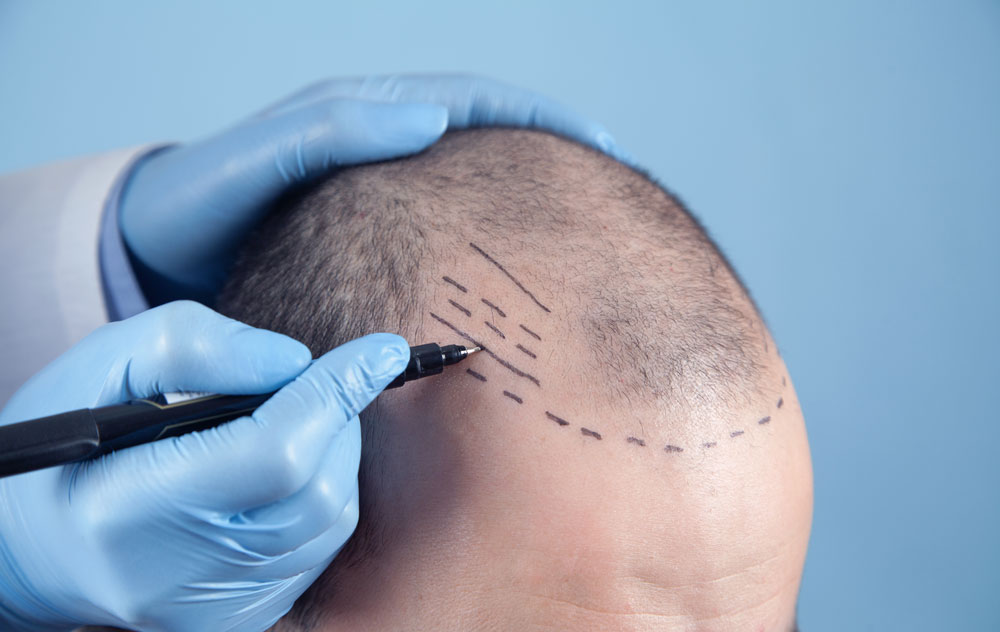
The timeline begins on the day of the procedure. Hair follicles are harvested from the donor area and implanted into thinning regions. This process usually takes several hours. Immediately afterward, the scalp may appear red with visible grafts. Patients receive detailed aftercare instructions before leaving the clinic. These instructions focus on protecting the newly placed follicles. Head positioning, gentle movement, and rest are emphasised. The hair transplant timeline officially begins here. This first stage focuses entirely on graft survival.
Hair Transplant Timeline: Days 1 to 3
During the first few days, the scalp begins its initial healing response. Mild swelling or redness may occur. Tiny scabs form around each graft. This is a normal protective process. Patients are advised to avoid touching the scalp unnecessarily. Gentle care supports healing during this phase. The hair transplant timeline at this point is about stability rather than appearance. Comfort gradually improves. Most patients remain at home during these early days.
Hair Transplant Timeline: Days 4 to 10
Between days four and ten, scabs begin to loosen naturally. Washing routines are usually introduced or adjusted during this period. Proper washing helps scabs fall away without disturbing grafts. By the end of this stage, the scalp looks cleaner and calmer. Redness often reduces noticeably. This part of the hair transplant timeline reassures many patients. Visible signs of surgery begin to fade. Grafts are more secure by this point.
Hair Transplant Timeline: Weeks 2 to 4
One of the most misunderstood stages occurs during weeks two to four. Transplanted hairs often begin to shed. This process is commonly called shock loss. It can affect both transplanted and nearby native hairs. This shedding is a normal part of the hair transplant timeline. The hair shaft falls out, but the follicle remains active beneath the skin. Many patients worry during this stage. Understanding that shedding is expected helps maintain confidence. Patience becomes essential here.
Month 1 to 3: Dormant Phase
After shedding, the scalp enters a quiet phase. There may be little visible change. Hair follicles rest beneath the surface as they prepare for new growth. This stage tests patience for many patients. The hair transplant timeline often feels slow during these months. However, important biological processes are occurring. Blood supply strengthens around follicles. The scalp continues to normalise in appearance. This phase sets the foundation for regrowth.
Months 3 to 4: Early Regrowth Appears
Around the third or fourth month, early regrowth usually begins. Fine, soft hairs may start emerging from the scalp. These hairs can appear thin or uneven initially. This is completely normal. At this stage of the hair transplant timeline, progress becomes visible again. Growth may be patchy. Density is not yet representative of final results. Hair texture may feel different at first. Consistency improves gradually.
Months 4 to 6: Noticeable Improvement
Between months four and six, hair growth becomes more noticeable. New hairs grow longer and thicker. Coverage improves across treated areas. Styling becomes easier for many patients. This period marks an encouraging phase in the hair transplant timeline. Friends or family may begin noticing changes. Confidence often increases. Although density is still developing, results start to feel real. Progress accelerates during this stage.
Months 6 to 9: Density and Texture Development
From six to nine months, density continues improving. Hair shafts thicken and darken. Texture begins matching existing hair more closely. Growth patterns become more consistent. This stage of the hair transplant timeline brings visible refinement. Gaps continue filling in. Hairlines appear more defined. Styling options expand. Patients often feel increasingly satisfied during this period.
Months 9 to 12: Maturation Phase
The maturation phase typically occurs between nine and twelve months. Hair reaches a more natural length and thickness. Therefore density stabilises and the growth direction looks consistent. By this stage in the hair transplant timeline, results resemble the final outcome. Minor improvements may still occur. Hair blends naturally with surrounding areas. The scalp looks fully healed therefore many patients consider this the point of success.
One Year and Beyond: Final Results
For most patients, final results are visible by one year. Some continue seeing subtle improvements beyond twelve months. This is especially true for crown areas, which may mature more slowly. The hair transplant timeline does not end abruptly. Hair behaves like natural hair going forward. Regular grooming and care apply. Results feel permanent and integrated. Long-term satisfaction often depends on realistic expectations from the start.
Factors That Influence the Timeline
Several factors can influence how quickly results appear. Genetics play a role in hair growth speed. Age and overall health also matter. Hair characteristics such as thickness affect visual density. Technique and surgeon planning also influence outcomes. Donor area quality matters greatly. Understanding these variables helps patients interpret their hair transplant timeline accurately. Individual variation is normal. Comparisons should be avoided.
Hairline vs Crown Growth Differences
Not all areas follow the same pace. Hairlines often show results sooner. Crown areas may develop more slowly. This difference can cause temporary imbalance in appearance. The hair transplant timeline reflects these regional differences. Surgeons explain this during consultation. Awareness prevents unnecessary concern. Over time, both areas usually balance out. Patience remains important.
Styling and Grooming During the Timeline
Styling options evolve throughout the timeline. Early stages limit styling. As hair grows, gentle trimming may be introduced. Products should be used cautiously at first. Later stages allow normal grooming routines. The hair transplant timeline eventually blends into everyday hair care. Patients regain flexibility and normal styling becomes possible. Results integrate seamlessly into daily life.
Long-Term Maintenance Expectations
Once final results appear, maintenance is straightforward. Transplanted hair continues growing normally. Regular haircuts and care apply and long-term habits support scalp health. The hair transplant timeline transitions into routine care. No special treatment is usually required for transplanted hair. Maintaining overall hair health supports appearance. Consistency preserves results.
Hair Transplant Timeline in Turkey
Turkey has become a popular destination for hair restoration procedures. Clinics provide detailed guidance on each stage of recovery. The hair transplant timeline is explained clearly to international patients. Centres such as Acibadem focus on structured follow-up and education. Patients receive clear milestones for each phase. This support helps manage expectations. Planning and communication enhance confidence. Turkey’s experience supports predictable timelines.
When It Is Appropriate to Evaluate Final Density
Many patients wonder when density should be judged accurately. Early months can be misleading due to uneven growth patterns. Hair thickness continues developing well after initial regrowth appears. Many patients find density often improves gradually rather than suddenly. Most specialists advise waiting until at least twelve months before evaluating fullness. This allows hairs to mature fully. Judging results too early may cause unnecessary concern. The hair transplant timeline requires patience for accurate assessment. Time reveals true density.
How Hair Texture Evolves Throughout the Timeline
Hair texture can change noticeably during the regrowth process. Early hairs often appear fine or wiry. This texture usually improves as follicles strengthen. Over time, strands become thicker and smoother. By the later stages of the hair transplant timeline, texture typically matches surrounding hair closely. Colour may deepen gradually. Curl or wave patterns often normalise. Texture evolution is a natural part of maturation. Understanding this prevents unrealistic expectations.
Conclusion
The hair transplant timeline follows a gradual and predictable progression. From surgery day to final results, each stage serves a purpose. Early healing protects grafts, while later phases focus on regrowth and refinement. Temporary shedding and slow growth are normal parts of the process. Understanding this timeline helps patients remain patient and confident. With realistic expectations and proper care, final results can be highly satisfying.
For more information and to book a consultation visit the ACIBADEM Beauty Center hair transplantation webpage.
Frequently Asked Questions
New growth typically begins around three to four months.
Yes, shedding is a normal and expected stage.
Most patients see final results around twelve months.
Yes, crown areas often mature more slowly.
Minor improvements may continue beyond twelve months.