Ataşehir Mah. Feza Sk. No:3 İstanbul / Türkiye
 French
  English
  German
  Spanish
Healing after panniculectomy surgery follows a structured timeline that supports steady recovery. This treatment is chosen to remove excess lower abdominal tissue and improve comfort. Understanding the typical healing stages helps individuals prepare for the days, weeks, and months after treatment. This guide outlines the full timeline using clear explanations and supportive guidance. These details help create realistic expectations and allow recovery to feel organised and manageable.
What Panniculectomy Surgery Addresses
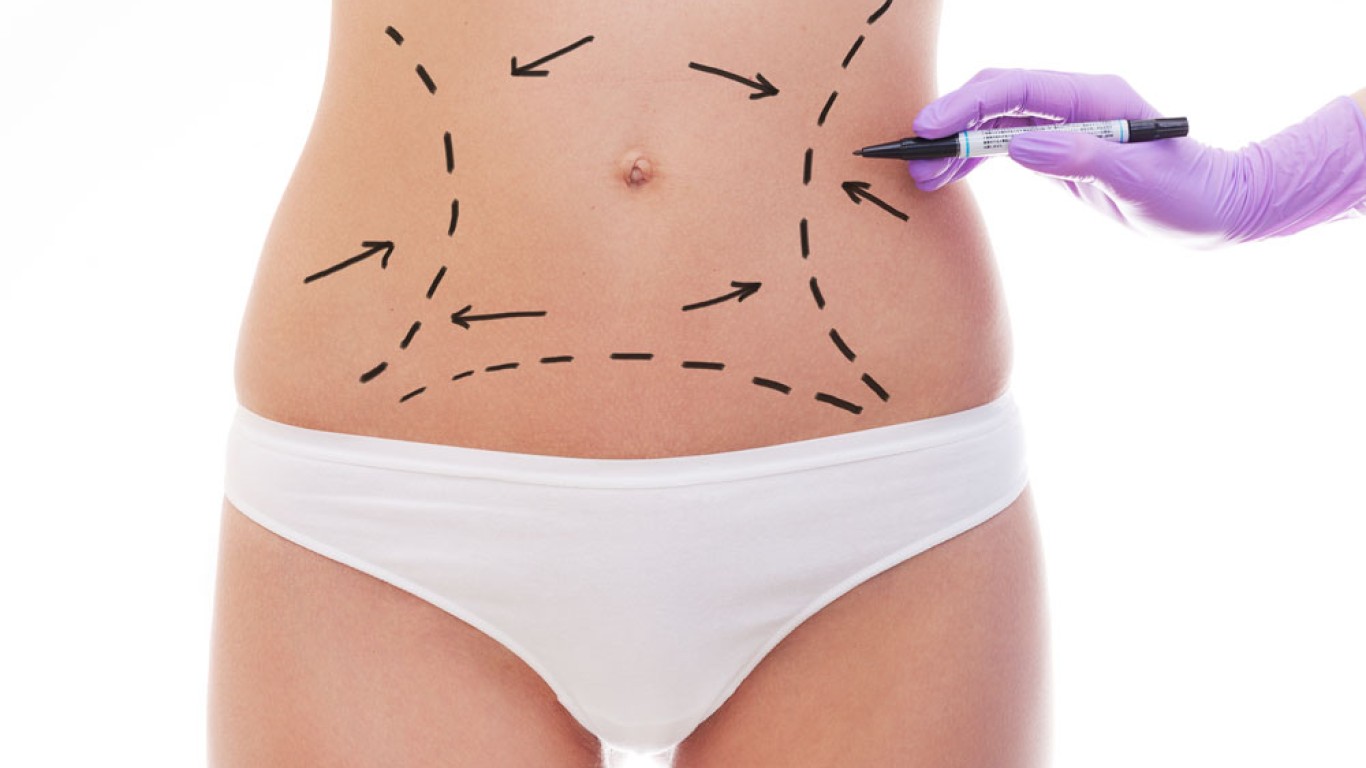
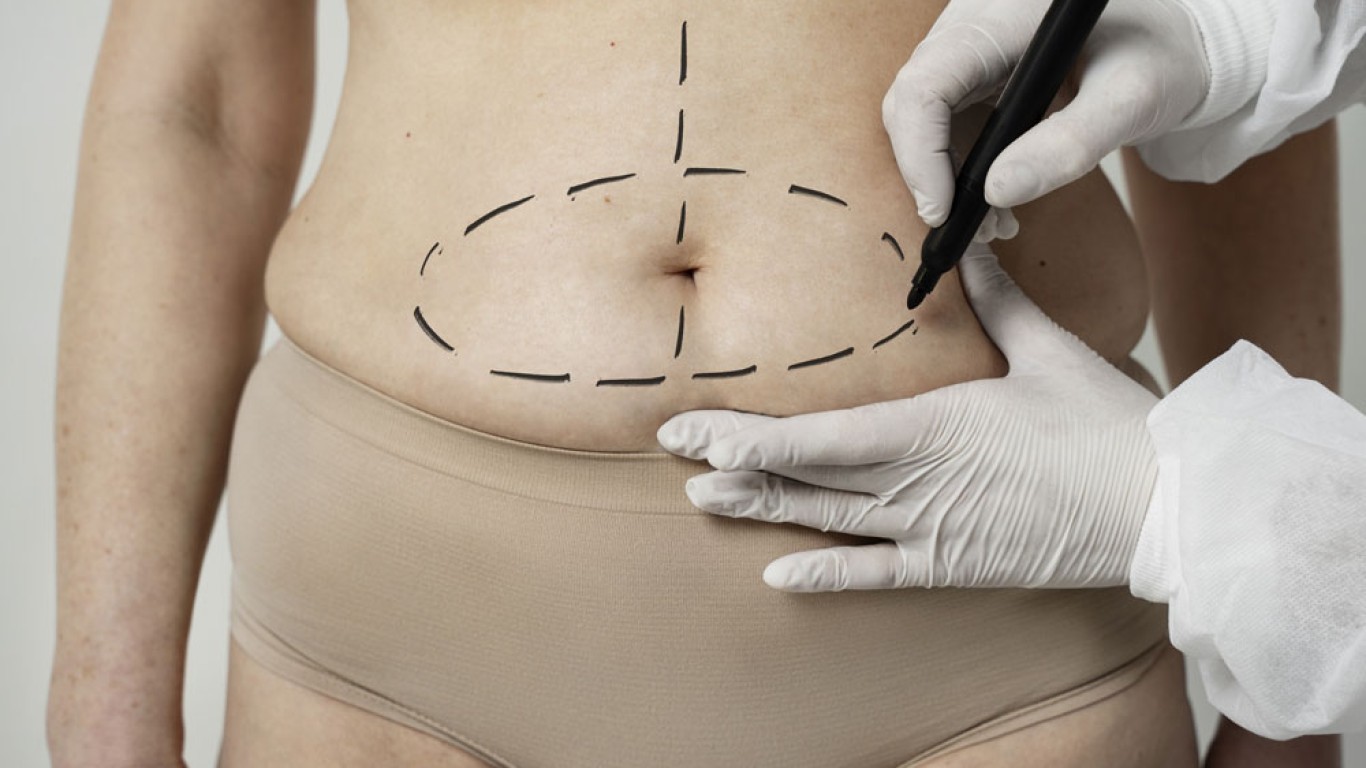
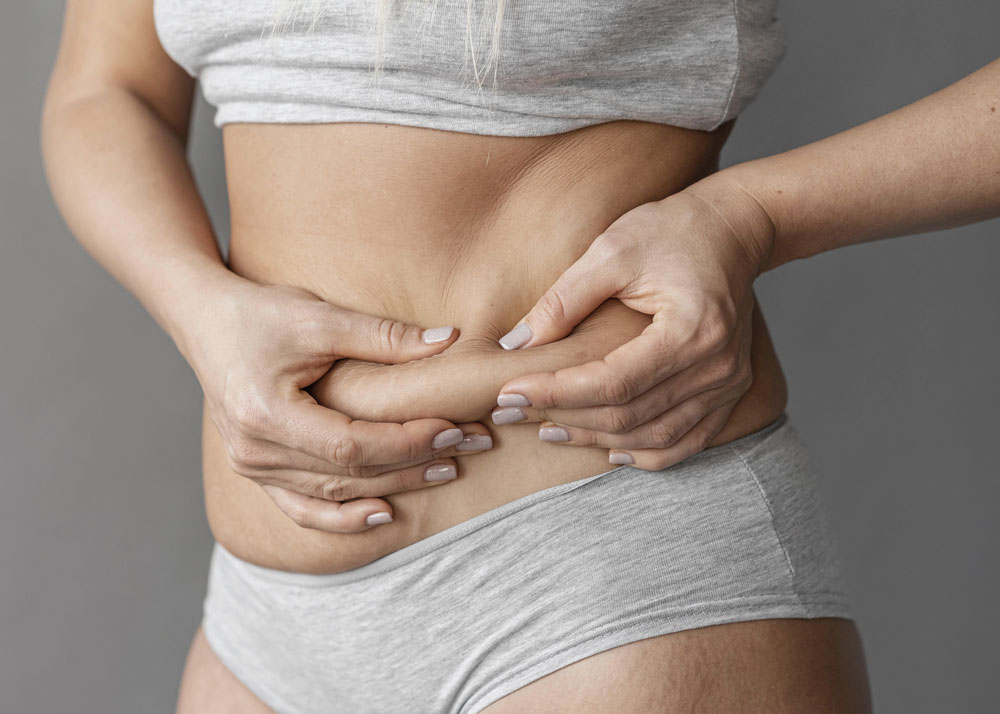
A panniculectomy focuses on removing the lower abdominal apron, known as the pannus. This reshaping enhances comfort and supports easier movement. The treatment does not tighten muscles, yet it still offers noticeable physical relief. Many people feel encouraged once the area becomes lighter and more manageable. Because this approach focuses on tissue removal, recovery follows a clear sequence with predictable stages.
The First Few Days After Panniculectomy Surgery
During the first days after panniculectomy surgery, the focus remains on rest and gentle movement. Many individuals spend this early period adjusting to their new shape. Support garments help maintain comfort and stability. These garments also encourage smooth settling throughout the area. Light walking helps circulation and supports overall recovery. Guidance from the clinic helps individuals follow simple daily routines during this early stage.
Healing During the First Week
The first week centres on short, frequent walks and steady routines. Many people gradually feel more comfortable standing upright as tissues begin to settle. Support garments continue providing structure. This week sets the foundation for the rest of the recovery timeline. People often notice small changes in shape as swelling begins to settle. Rest remains important, yet gentle movement encourages better comfort.
What to Expect in Weeks Two to Three
Weeks two and three often bring more noticeable improvement. Many individuals move more freely and find daily tasks easier. Swelling continues to reduce as tissues adapt to their new position. Clothing may feel more comfortable, and movement becomes more natural. Support garments remain helpful because they guide the settling process. People often begin feeling confident returning to light routines during this stage.
Improvement During Weeks Four to Six
Weeks four to six mark a meaningful shift in healing. Many people return to steady daily routines and feel more comfortable with extended movement. Clothes often fit better due to changes in contour. Swelling reduces further, revealing clearer shape. The abdomen begins to smooth as tissues settle. People usually feel motivated during this period because progress becomes more visible.
How the Area Settles Over Several Months
Shape refinement continues steadily over several months. By this stage, most people feel fully adjusted to their new outline. Subtle changes appear as the area becomes smoother. Many individuals appreciate the improved comfort during movement. Choices in clothing also expand because the lower abdomen feels lighter. This period highlights the full benefits of panniculectomy surgery, both visually and practically.
Long-Term Panniculectomy Surgery Healing and Final Contour
Long-term healing focuses on refinement rather than dramatic change. By six months, the overall outline becomes more defined. Many people feel more aware of their natural shape and enjoy enhanced mobility. Clothing sits more comfortably around the waistline. The final contour continues developing gradually, and most individuals appreciate the steady transformation. This long-term improvement reflects the structured nature of panniculectomy healing.
Panniculectomy Surgery: Support Garments Throughout the Timeline
Support garments play a central role during recovery. They encourage smooth contour and steady shape. Throughout the first weeks, consistent wear helps tissue settle evenly. Many individuals feel more comfortable when wearing them because they provide gentle structure. This added support strengthens confidence during movement and daily routines. Garments also contribute to clearer long-term contour. Many people find this step simple yet highly effective.
Movement and Activity Progression
Movement increases gradually throughout the healing timeline. Short walks early on support steady circulation. Over time, movement becomes more natural and comfortable. Many people resume normal routines within several weeks. Listening to the body remains important. Slow and steady progression helps protect comfort as tissues settle. People often feel encouraged by this improvement because it highlights growing strength.
Skin and Tissue Changes During Healing
Skin adjusts to the new contour throughout the healing process. Many individuals notice that the area becomes smoother over time. The new outline appears clearer each month. People often appreciate the way clothing begins to follow the reshaped anatomy. This steady change helps reinforce the long-term benefits of panniculectomy surgery.
Emotional Progress During Panniculectomy Surgery Recovery
Although recovery focuses mainly on physical healing, many people feel more optimistic as progress continues. Confidence often grows once movement becomes easier. Comfort during everyday activities improves steadily. Many individuals feel encouraged when clothes fit more comfortably. Each stage helps highlight the continued benefits of their decision.
Supportive Habits for the Best Outcome
Steady habits support long-term improvement. Hydration, balanced routines, and gentle movement help progress remain clear. Good posture also influences the final outline because it supports tissue settling. Consistency matters throughout the first months. These small steps will help recovery feel smooth and organised.
When to Resume Normal Routines
Normal routines usually resume in stages. Light tasks return early, while more active days follow later. Many people regain their usual pace within several weeks. Each person progresses at a comfortable rate. Specialists provide guidance to help individuals time their return to standard activities. This gradual approach supports comfortable healing.
Conclusion
Healing after panniculectomy surgery follows a steady timeline that supports comfort and long-term clarity. Each stage reveals new progress, from early settling to smoother contour in the months ahead. With structured guidance and consistent habits, results become clearer and more refined.
For more information and to book a consultation visit the ACIBADEM Beauty Center webpage.
Frequently Asked Questions
Most healing occurs over several months with steady progress.
Light routines return early, with fuller activity following later.
They help contour settle smoothly and support comfort.
Shape becomes clearer as swelling reduces in the first months.
Final contour often appears around six months.