Ataşehir Mah. Feza Sk. No:3 İstanbul / Türkiye
 French
  English
  German
  Spanish
Introduction
Hip dip filler has become an increasingly popular body contouring option in recent years. Accordingly, many patients now ask detailed questions about pricing and value. Hip dip filler cost in 2026 reflects advances in filler technology and treatment planning. This non-surgical approach focuses on smoothing natural indentations along the hips. Consequently, understanding cost structure helps patients plan confidently. Pricing depends on multiple personalised elements as opposed to fixed figures. This article explains hip dip filler cost, what influences pricing and what treatment typically includes.
What Hip Dip Filler Is Designed to Do
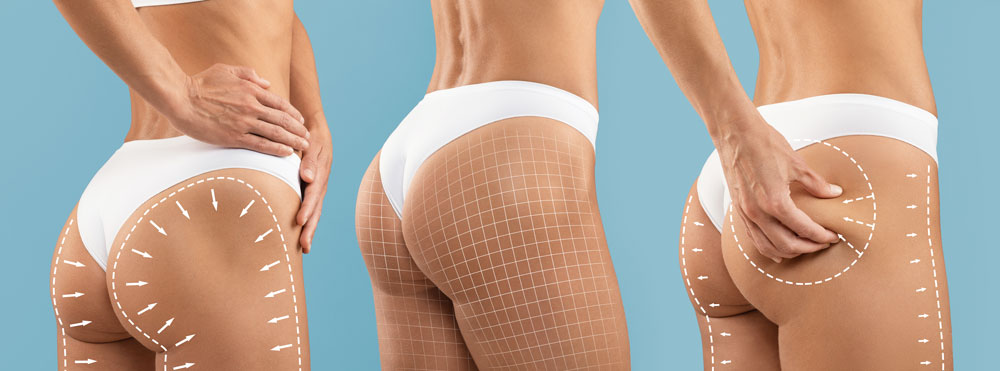
Hip dip filler aims to soften inward curves along the hip area. These indentations are a natural result of bone structure and fat distribution. Filler adds volume strategically to create smoother lines. The goal is balance rather than dramatic shape change and results focus on enhancing natural proportions. Hip dip filler does not alter skeletal structure. Instead, it refines contour visually. This purpose influences both treatment scope and cost.
Why Hip Dip Filler Cost Varies in 2026
The cost of hip dip fillers varies due to several contributing factors.
- The amount of filler required differs between individuals - larger treatment areas require more product.
- Body shape and symmetry goals influence volume needs.
- Additionally, clinic expertise and facility standards affect pricing.
- In 2026, pricing also reflects improved filler formulations.
- Therefore, hip dip filler cost should always be personalised rather than standardised.
The Role of Filler Volume in Pricing
Filler volume is one of the largest cost determinants. Hip dip correction often requires higher volumes than facial treatments and each syringe contributes to the total cost. Some patients require gradual treatment across sessions. Volume planning ensures natural results and safety. Specialists calculate required filler carefully. Consequently, hip dip filler cost increases with volume needs. Transparent consultation clarifies expected quantities and pricing.
Type of Filler Used and Cost Impact
Not all fillers are suitable for body contouring. Hip dip filler uses specialised products designed for larger areas and these fillers provide structure and durability. Advanced formulations cost more than standard facial fillers so their longevity and consistency justify pricing differences. Product selection directly affects hip dip filler cost. Clinics choose fillers based on safety, performance and outcome quality.
Injection Technique and Practitioner Expertise
Hip dip filler requires advanced injection technique and practitioners must understand body anatomy thoroughly. Even distribution helps prevent irregular contours while skilled technique supports smooth integration. Highly trained specialists often charge higher fees because their expertise reduces the need for corrective sessions. Therefore, practitioner experience influences hip dip filler cost significantly. Patients benefit from prioritising expertise over price alone.
Consultation and Treatment Planning Inclusions
Hip dip filler cost usually includes consultation and planning. Specialists assess body proportions and symmetry goals, marking and mapping to guide precise filler placement. Treatment planning ensures balanced outcomes, which is essential for success. Clinics that invest time in planning may charge more. However, thorough preparation improves satisfaction and results.
How Body Shape and Proportions Affect Hip Dip Filler Cost
Body proportions strongly influence hip dip filler planning and pricing. Wider hips may require more filler for smooth transitions while narrow frames may need less volume but higher placement precision. Asymmetry between sides also affects product requirements. Specialists assess waist to hip ratio carefully during consultation. This proportional analysis determines how filler is distributed during treatment. Balanced shaping requires tailored volume allocation rather than uniform filling. Personalised contouring ensures results appear natural and proportional rather than exaggerated.
The Importance of Symmetry Correction in Hip Dip Treatments
Hip dips often differ in depth between the left and right sides and correcting asymmetry requires careful volume adjustment. One side may need additional filler to match the other, which increases planning complexity and product use. Symmetry correction also demands advanced anatomical understanding. Practitioners must avoid overfilling one area. Achieving balance often involves incremental placement - this approach supports smoother contours and consistent outcomes. Symmetry focused planning influences both treatment duration and cost.
What Is Typically Included in Hip Dip Filler Cost?
Hip dip filler cost commonly covers product, practitioner fees and facility use. Aftercare guidance is usually included and follow up reviews may also form part of pricing. Some clinics also include compression garments in the cost if required. Understanding what is going to be included prevents unexpected expenses. Patients should request clear cost breakdowns. Transparency remains essential when evaluating total costs.
Number of Sessions and Long Term Hip Dip Filler Cost Planning
Some patients are lucky enough to achieve their desired results in one session. Others might prefer staged treatments for gradual contouring. Staged approaches may increase the overall cost, but they also allow for conservative enhancement. Long term planning influences total investment - ensure that you discuss session expectations clearly. Hip dip filler cost planning should include potential maintenance considerations over time.
Why Conservative Volume Use Improves Long Term Value
Using conservative filler volumes improves long term satisfaction significantly. Overfilling can distort natural body lines. However, gradual enhancement allows tissue adaptation over time and reduces the likelihood of correction sessions. Patients often prefer refined progression rather than immediate fullness. Conservative planning may involve staged sessions. While this can affect total cost, it improves outcome quality. Long term value increases when results remain balanced and natural. The cost of hip dip fillers should therefore be viewed as an investment in refinement rather than speed.
How Long Lasting Results Influence Perceived Hip Dip Filler Cost
Hip dip filler results are temporary but long lasting. How long they last depends on filler type and individual metabolism, but results often last many months. Gradual fading allows for adjustment planning and patients often value flexibility over permanence. This longevity contributes to perceived value rather than upfront cost alone. Understanding filler duration helps contextualise the cost of hip dip fillers appropriately.
Hip Dip Filler Cost Compared to Surgical Options
Surgical options involve higher upfront costs and increased recovery considerations. Hip dip filler offers a non-surgical alternative. While fillers require some maintenance, they avoid surgery so cost comparison depends on personal priorities. Some patients value non-invasive options despite the need for repeat treatments. The cost of hip dip fillers reflects convenience and flexibility rather than permanence.
Hip Dip Filler Cost in Turkey
Turkey has become a popular destination for body contouring treatments. Clinics offer experienced practitioners and modern facilities and their operational costs differ from many Western countries. Consequently, hip dip filler cost in Turkey may appear more accessible.
Why Patients Travel for Hip Dip Filler Treatment
Patients seek quality, transparency and experienced providers. Turkey offers all this plus integrated consultation and aftercare support. Travel packages often simplify logistics while high treatment volumes support refined technique. These factors attract international interest because Turkey is seen as a convenient destination for treatment.
The Value of Recovery Support and Aftercare
Aftercare plays an important role in treatment value. Guidance supports optimal filler integration. Follow up ensures symmetry and satisfaction. Clinics offering structured aftercare may charge higher fees. However, support enhances result longevity. Recovery support contributes to overall hip dip filler cost value.
How Weight Stability Influences Hip Dip Filler Longevity
Weight stability plays a large role in how long hip dip filler results last. Significant weight changes can affect filler distribution and may also alter contour appearance. Weight loss can reduce perceived volume. Specialists discuss lifestyle and weight trends during consultation. Stable weight supports consistent results over time. Patients maintaining steady habits often experience better longevity. This factor influences perceived value rather than upfront cost. Understanding this relationship helps contextualise the cost of hip dip fillers.
Managing Expectations Around Hip Dip Filler Cost
Understanding the complete cost structure supports realistic expectations. Hip dip filler cost reflects product volume, expertise and planning. Choosing the lowest price may compromise outcome quality so patients should evaluate value holistically. Consultation clarifies investment and expected results. Informed decisions lead to higher satisfaction.
Conclusion
Hip dip filler cost in 2026 depends on key factors including volume, technique and expertise. Dynamic pricing reflects personalised treatment rather than fixed rates. Turkey offers advanced care and experienced practitioners. Patients value the treatment’s flexibility, refinement, and non-surgical options. Education remains essential when evaluating overall hip dip filler cost.
For more information and to book a consultation visit the ACIBADEM Beauty Center.
Frequently Asked Questions
Cost varies based on filler volume, clinic expertise, and treatment plan.
The hip area is larger and requires higher volumes for smooth contouring.
Some patients need maintenance sessions over time.
Most clinics include consultation and follow up within pricing.
Experienced clinics, modern facilities, and comprehensive care attract patients.