Ataşehir Mah. Feza Sk. No:3 İstanbul / Türkiye
 French
  English
  German
  Spanish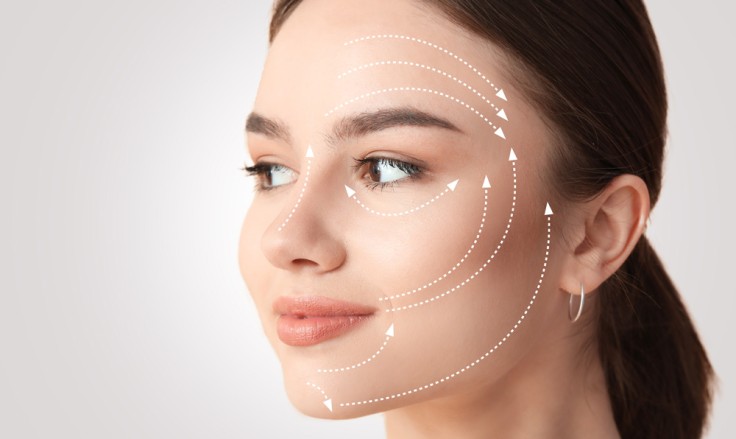
Introduction
Facial volume loss is one of the earliest signs of ageing. Cheeks may flatten, temples can hollow and under-eye areas appear tired. Even healthy skin can look drawn without underlying support. Because fat pads shrink over time, contours gradually change. Fat transfer to the face offers a natural way to restore softness. It uses your own fat to refresh facial structure. Overall, this approach focuses on subtle rejuvenation rather than dramatic change.
What Is Fat Transfer to Face and How It Works
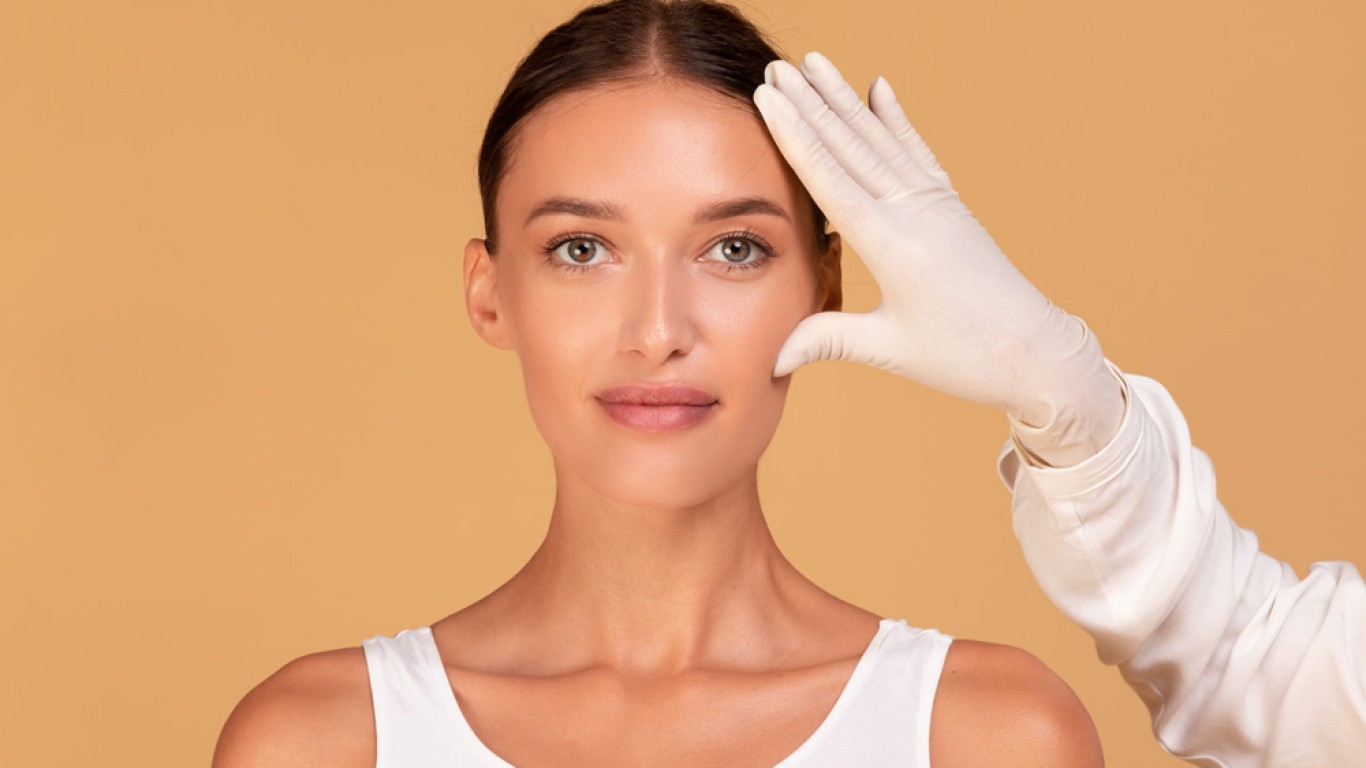
Fat transfer to face is a procedure that moves fat from one body area to the face. Common donor areas include the abdomen or thighs. The fat is gently removed and purified carefully. It is then injected into targeted facial areas. Because your own fat is used, results look natural. The procedure focuses on restoring volume, not altering identity. Precision and technique shape the final outcome.
Why Facial Hollowing Happens Over Time
Facial hollowing develops due to several natural processes. Fat pads reduce with age. Bone structure also changes gradually. Additionally, skin elasticity decreases over time. Because these changes happen slowly, they are often unnoticed initially. Eventually, the face appears tired or sunken. The procedure addresses this volume loss directly. It replaces what time gradually removes.
Key Areas Treated With Fat Transfer to Face
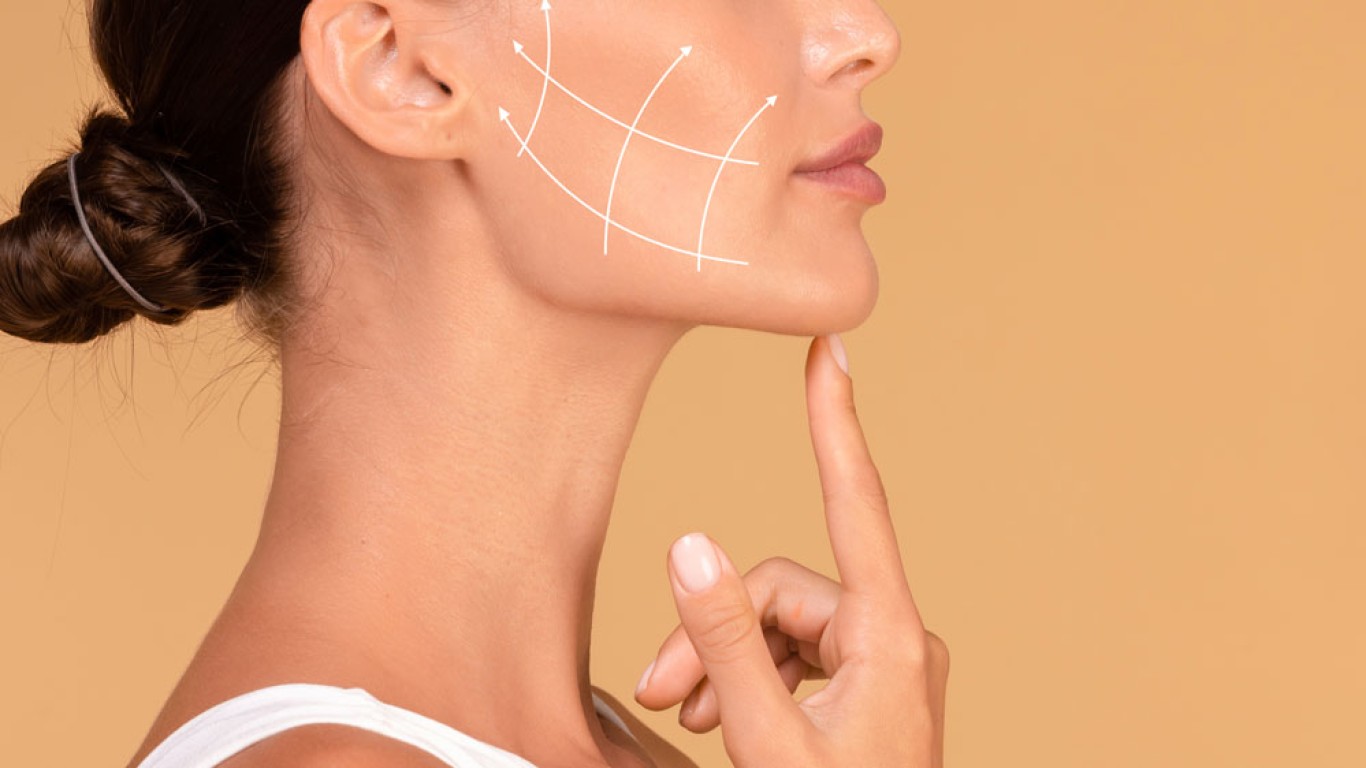
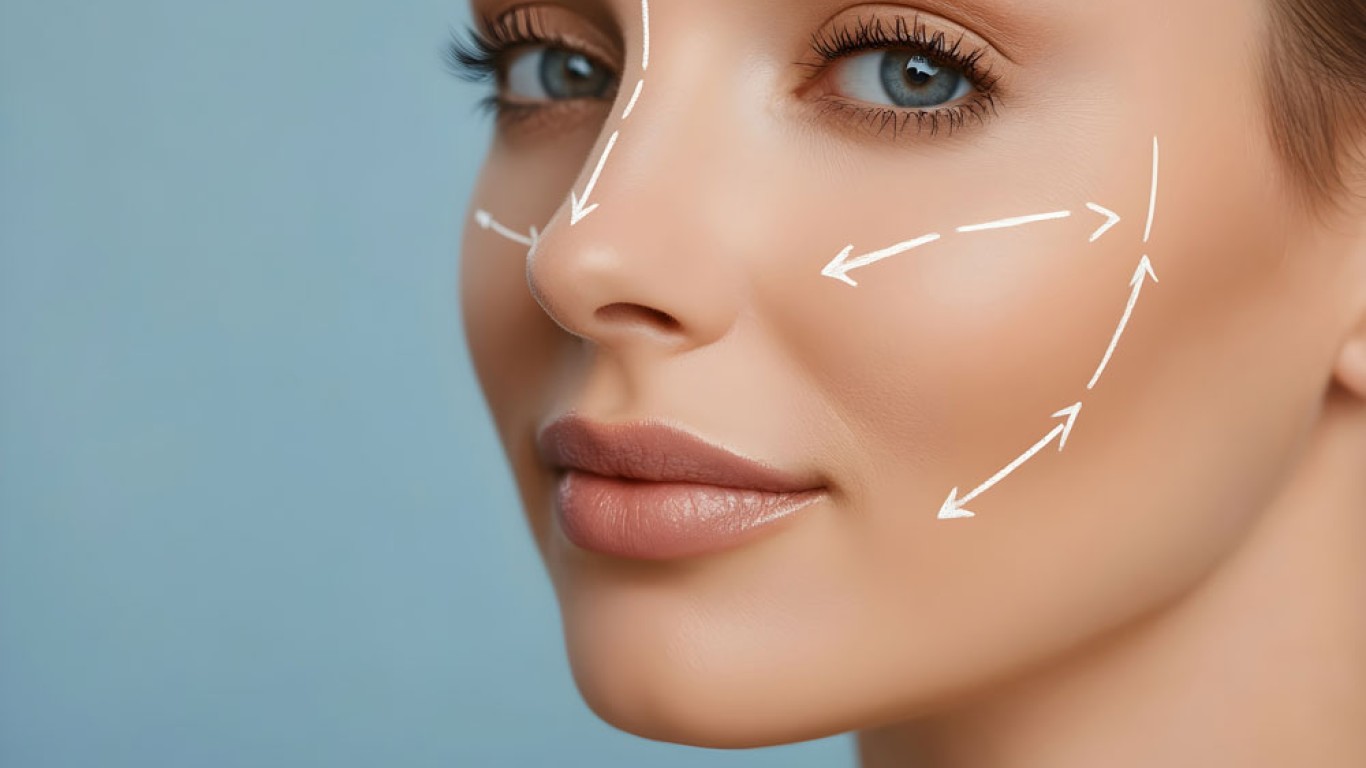
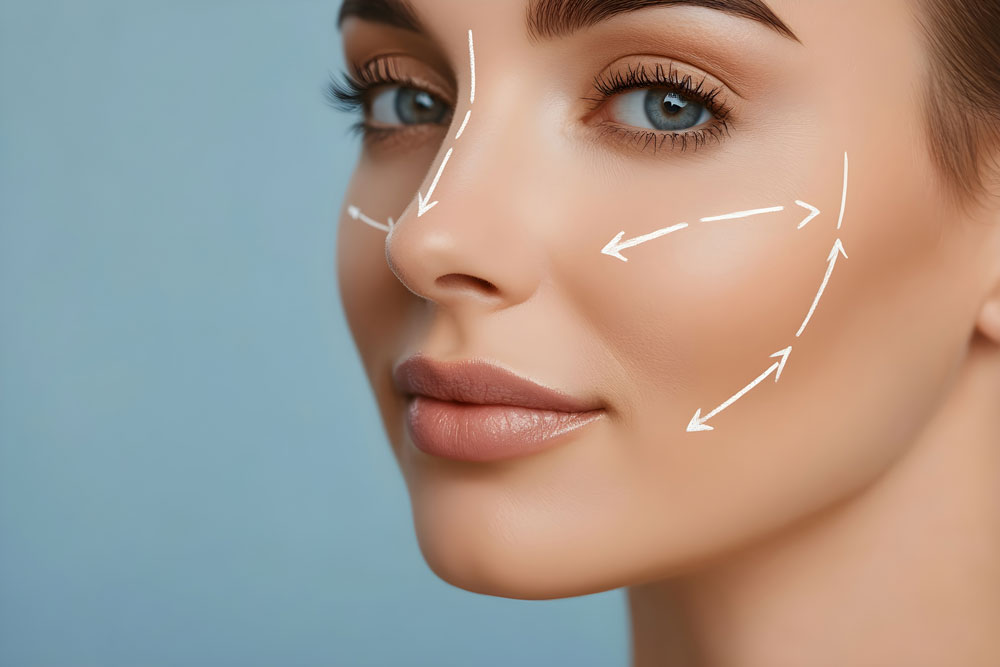
The procedure treats several hollow or flattened areas. Cheeks often benefit from added fullness. Temples regain smoother contours. Under-eye hollows appear softer. Nasolabial folds may look less pronounced. Additionally, the jawline can appear more balanced. Because placement is customised, treatment suits individual facial anatomy. Each area is approached with care.
How Fat Transfer to Face Creates Natural Results
The procedure creates results that move and feel natural. The transferred fat integrates with existing tissues. Because it is living tissue, it behaves like natural facial fat. This avoids stiffness sometimes seen with other treatments. The procedure enhances softness and balance. Subtle volume changes improve overall harmony. The face looks refreshed rather than altered.
Fat Transfer to Face Compared With Dermal Fillers
Fat transfer to face differs from dermal fillers in several ways. Fillers use synthetic materials for volume. Fat transfer uses your own tissue. Because of this, results feel more organic. The procedure often provides longer-lasting volume. Fillers may require regular maintenance. Choice depends on goals, preferences and lifestyle. Each option offers different advantages.
The Role of Precision in Fat Transfer to Face
Precision is essential for successful fat transfer to face. Small amounts of fat are placed carefully. Overfilling is avoided to maintain balance. Surgeons consider facial proportions closely. Because every face is unique, placement varies. The procedure relies on experience and artistic judgement. Careful technique supports natural rejuvenation.
How Fat Transfer to Face Improves Skin Quality
The procedure may improve skin appearance as well as volume. Transferred fat contains supportive cells. These can enhance skin texture over time. Many patients notice improved softness and glow. Because volume supports the skin from beneath, wrinkles appear softer. The procedure rejuvenates from within. This layered benefit adds to satisfaction.
Who Is a Good Candidate for the Procedure
The procedure suits people with noticeable volume loss. Candidates usually have suitable donor fat available. Those seeking natural-looking rejuvenation often prefer this method. It appeals to patients wanting longer-lasting results. The procedure also suits those avoiding synthetic materials. During consultation, suitability is assessed carefully. Goals and expectations guide planning.
What to Expect During the Procedure
The procedure involves several stages. Firstly, fat is gently collected from a donor area. The fat is then purified carefully. Afterwards, it is injected into targeted facial zones. Because precision matters, injections are gradual. The process focuses on symmetry and balance. Most patients return home the same day.
Recovery Experience After Fat Transfer to Face
Recovery is usually manageable. Mild swelling is common initially. Treated areas may feel full temporarily. Swelling reduces gradually over weeks. Because healing takes time, patience is important. Normal routines often resume quickly. Final results appear as tissues settle naturally.
How Long the Procedure Results Can Last
The procedure offers long-lasting results. Some transferred fat integrates permanently. The body naturally absorbs a portion initially. Remaining fat behaves like natural facial tissue. Because of this, results can last many years. Ageing continues naturally, but volume restoration remains noticeable. Longevity is a key advantage.
Fat Transfer to Face and Facial Balance
Facial balance improves when volume is restored thoughtfully. Fat transfer to face enhances proportions between cheeks, eyes and jawline. Balanced volume supports youthful contours. Because placement is tailored, harmony is prioritised. The goal is refreshed appearance, not overcorrection. The procedure supports subtle facial symmetry.
Combining With Other Treatments
Fat transfer to face can complement other aesthetic treatments. It may be combined with skin tightening procedures. Some patients pair it with eyelid treatments. Because volume supports overall results, combinations enhance outcomes. Treatment plans are customised individually. The procedure often forms a foundation for rejuvenation strategies.
Conclusion
Fat transfer to face offers a natural solution for hollow, ageing facial areas. It restores volume using your own tissue for authentic results. With careful planning and precision, outcomes look soft and balanced. Understanding the process helps patients feel informed and confident. The procedure supports long-lasting facial rejuvenation.
For more information and to book a consultation visit the ACIBADEM Beauty Center.
Frequently Asked Questions
The procedure restores volume in hollow areas like cheeks, temples and under-eye regions.
Results look natural because your own fat integrates with facial tissues.
Yes, the procedure can provide long-lasting volume once the fat settles.
The procedure feels softer and more natural because it uses living tissue.
People with volume loss seeking natural, longer-lasting rejuvenation benefit most.