Ataşehir Mah. Feza Sk. No:3 İstanbul / Türkiye
 English
Introduction
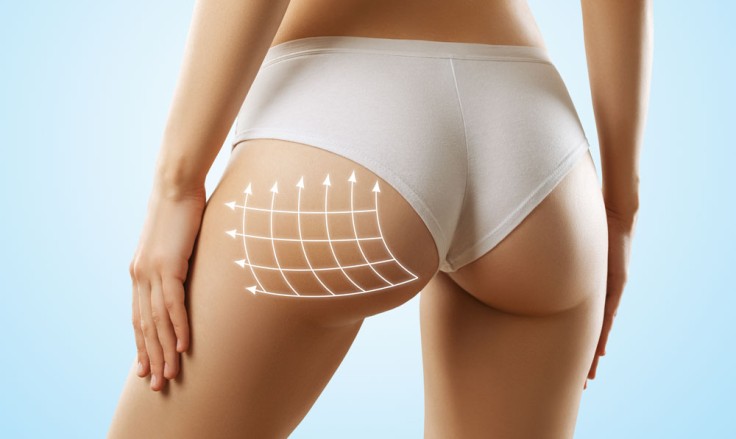
How long do BBL results last is one of the most frequently asked questions about Brazilian butt lift surgery. A BBL uses the patient's own fat to enhance buttock volume, shape and projection naturally. The procedure has become one of the most popular cosmetic surgeries worldwide in recent years. Patients invest significant time and resources into achieving their desired buttock contour through surgery. Understanding the longevity of results helps patients make informed decisions before committing to the procedure. Several factors influence how long BBL results last including lifestyle, weight stability and surgical technique. This article explains the expected duration of BBL results, what affects longevity and how to maintain them. It also covers the fat survival process and practical steps for protecting the investment long term.
How Long Do BBL Results Last?
How long do BBL results last depends on several individual factors but results are generally long-lasting. The fat cells that survive the transfer process become permanent residents in the buttock tissue. These established cells behave like any other fat cells in the body going forward. Most patients can expect their BBL results to last for many years when properly maintained. The initial months after surgery involve a settling period as transferred fat establishes blood supply. Approximately sixty to eighty percent of transferred fat cells typically survive the integration process. The surviving fat provides lasting volume and shape enhancement to the buttock contour. Results that are visible at six months after surgery represent the long-term outcome for most patients. These results remain stable for years when body weight is maintained consistently after the procedure. The longevity of BBL results makes the procedure a worthwhile long-term investment for suitable candidates.
The Fat Survival Process After a BBL
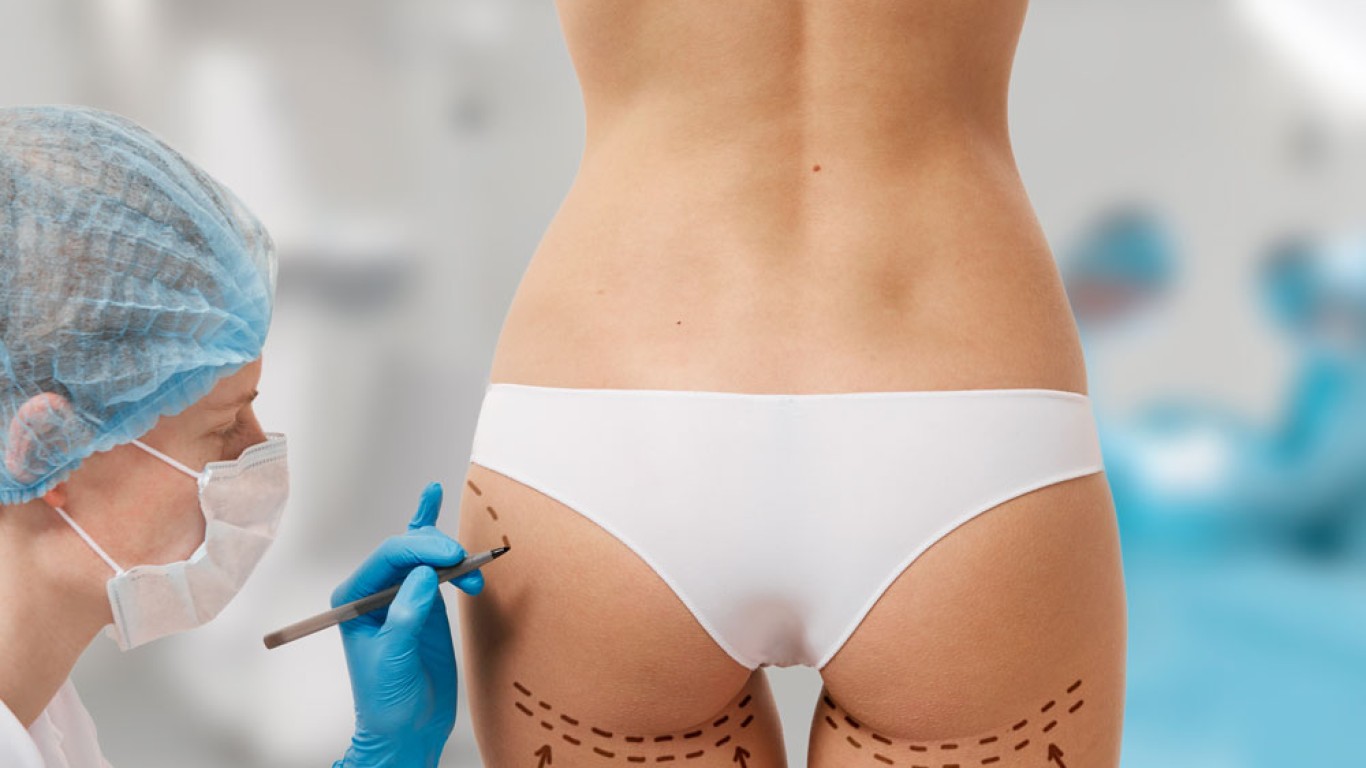
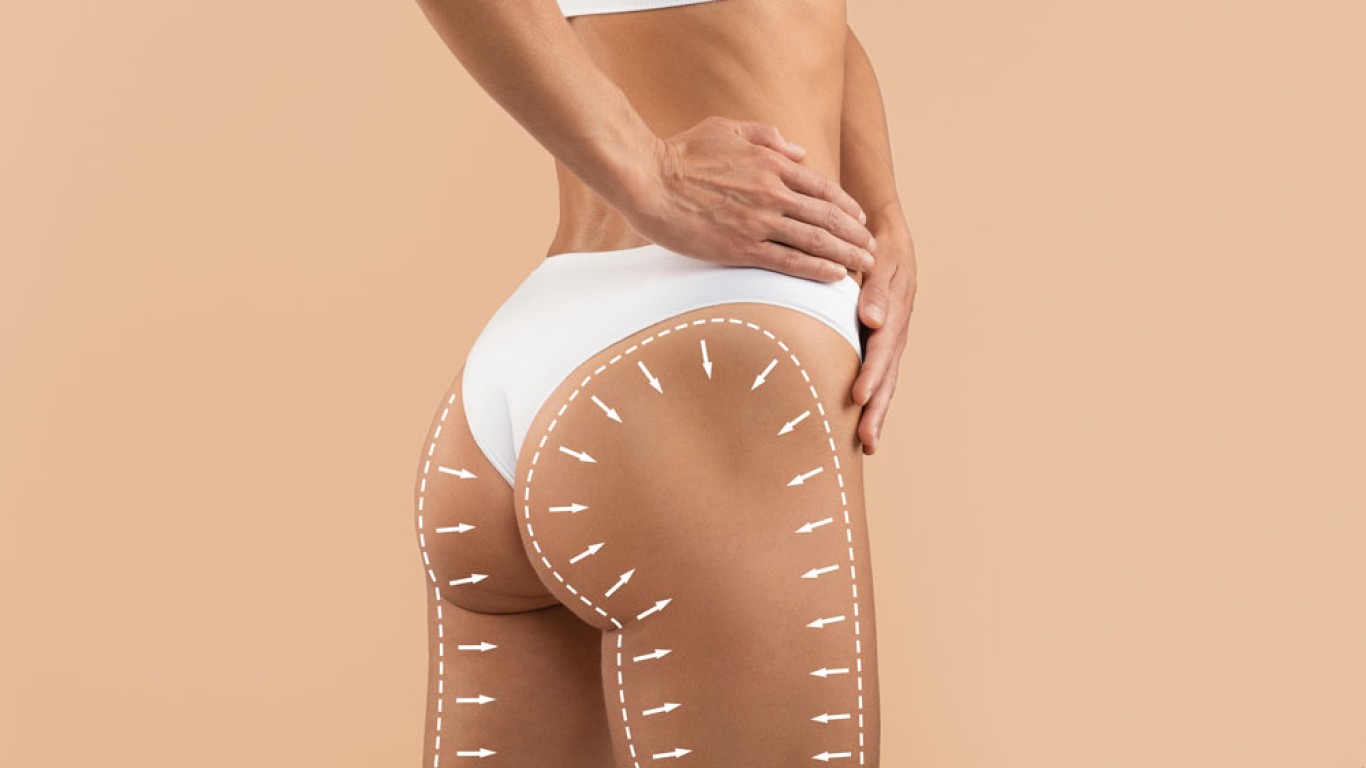
Understanding fat survival is essential for understanding how long do BBL results last over time. During a BBL, fat is harvested from donor areas such as the abdomen, flanks or thighs. The harvested fat is processed and purified before being injected into the buttocks carefully. Not all transferred fat cells survive the initial weeks after injection into the new location. The cells must establish a new blood supply in the buttock tissue to survive permanently.
This process of vascularisation occurs during the first two to three months after surgery. Fat cells that successfully establish blood supply become permanent and function normally going forward. Those that do not establish blood supply are naturally absorbed by the body during healing. Surgeons typically transfer a slightly larger volume to account for this expected absorption process. The surviving fat cells then behave identically to the native fat cells in the buttock tissue. This is why maintaining stable weight is essential for preserving the achieved volume and shape.
Factors That Affect How Long BBL Results Last
Several important factors influence how long do BBL results last for each individual patient. The following table summarises the key factors and their impact on result longevity.
| Factor | Impact on Results | Patient Control |
| Weight stability | Gain adds volume; loss reduces it | High; maintain stable weight |
| Surgical technique | Careful fat placement improves survival | Surgeon selection and experience |
| Post-operative care | Proper care maximises fat survival | High; follow all aftercare instructions |
| Sitting habits after surgery | Prolonged sitting can damage transferred fat | Avoidable during recovery period |
| Natural ageing | Gradual tissue changes over many years | Limited; healthy lifestyle helps |
| Exercise and fitness | Gluteal exercise supports shape maintenance | High; regular targeted exercise helps |

Weight Stability and How Long BBL Results Last
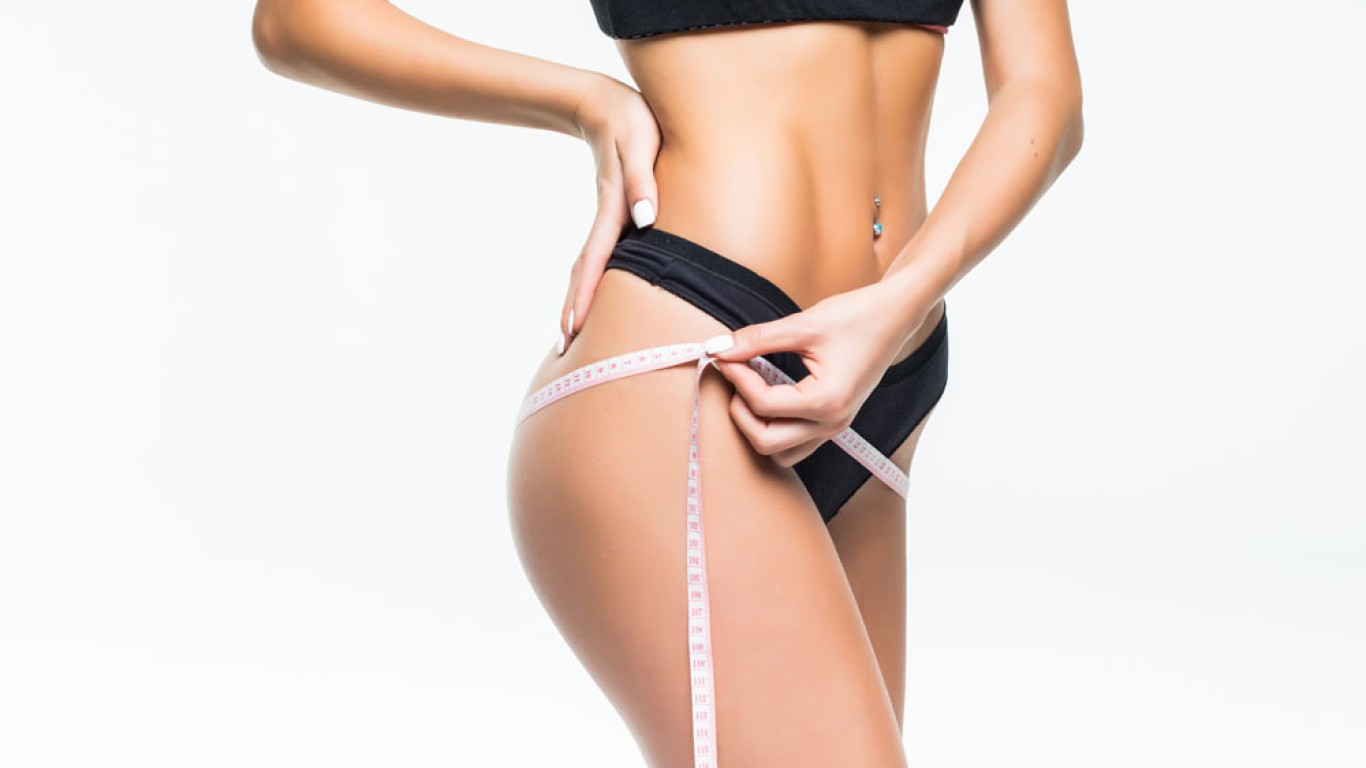
Weight stability is the single most important factor influencing how long do BBL results last over time. The transferred fat cells in the buttocks behave exactly like fat cells elsewhere in the body. When a patient gains weight, the buttock fat cells expand along with fat cells throughout the body. When a patient loses weight, the buttock fat cells shrink along with cells in other areas. Significant weight loss after a BBL reduces the volume of the enhanced buttocks noticeably. This can diminish or partially reverse the results achieved through the surgical procedure. Conversely, significant weight gain can alter proportions and change the overall aesthetic balance. Maintaining a stable, healthy body weight preserves the shape and volume achieved through surgery. Patients should reach their target weight before undergoing a BBL for the most predictable results. Consistent nutrition and regular exercise support weight stability and long-term BBL result preservation.
Post-Operative Care and BBL Result Longevity
Post-operative care during the first weeks directly affects how long do BBL results last for patients. The first two to three weeks after surgery are critical for fat cell survival in the buttocks. Patients must avoid sitting directly on the buttocks for approximately two to three weeks. A BBL pillow should be used when sitting is unavoidable to reduce pressure on the treated area. Sleeping on the stomach or side is recommended to avoid compressing the buttock fat during healing. Wearing the prescribed compression garment supports healing in the donor areas after liposuction. Following all medication and aftercare instructions reduces the risk of complications during recovery. Adequate hydration and balanced nutrition support the fat integration process in the buttock tissue. Avoiding smoking before and after surgery improves blood circulation and supports fat cell survival. Patients who follow post-operative care instructions carefully maximise fat retention and long-term results.
Conclusion
How long do BBL results last depends primarily on weight stability, aftercare and surgical technique. Fat cells that survive the transfer process become permanent and provide lasting buttock enhancement. Approximately sixty to eighty percent of transferred fat typically survives the integration process. Results visible at six months represent the long-term outcome for most BBL patients. Weight stability is the most important factor for preserving volume and shape over many years. Following post-operative care instructions during the first weeks maximises fat cell survival critically. Regular gluteal exercise and healthy lifestyle habits support long-term result maintenance effectively. Professional consultation ensures personalised planning and realistic expectations before the BBL procedure. Turkey offers experienced surgeons and accredited facilities for Brazilian butt lift body contouring surgery.
To find out more about how long do BBL results last and to book a consultation visit the ACIBADEM Beauty Center Aesthetics webpage.
Frequently Asked Questions
Results are long-lasting; surviving fat cells are permanent when body weight remains stable.
Approximately sixty to eighty percent of transferred fat cells survive the integration process.
Yes, significant weight gain or loss affects transferred fat cells just like other body fat.
Maintain stable weight, exercise regularly, follow aftercare instructions and avoid prolonged sitting early on.
Gradual changes occur over many years; healthy lifestyle habits slow the effects of ageing.