Ataşehir Mah. Feza Sk. No:3 İstanbul / Türkiye
 English
  German
  Spanish
Introduction
Breast augmentation techniques have evolved significantly. Traditional methods involve cutting through breast tissue to create a pocket for the implant. Preserve breast augmentation takes a different approach. It separates tissue layers without cutting through them. The technique aims to maintain the breast's natural anatomy more completely. Understanding what the technique involves helps patients evaluate this newer option. This article explains the technique, its benefits and whether it represents a meaningful improvement over traditional methods.
What Is Preserve Breast Augmentation?
Preserve breast augmentation is a tissue-sparing surgical technique developed to minimise internal disruption during implant placement. Traditional augmentation creates the implant pocket by cutting through muscle or breast tissue. The procedure separates tissue planes using blunt dissection rather than sharp cutting. The breast tissue structures are parted rather than severed. This maintains more of the breast's natural blood supply and nerve connections. The procedure aims to reduce post-operative pain and speed recovery. The technique was developed alongside modern implant designs. It represents a philosophical shift toward working with the body's anatomy rather than cutting through it. The approach has gained attention for its potential to produce more natural-feeling results with less surgical trauma.
How Preserve Breast Augmentation Differs from Traditional Surgery
Traditional breast augmentation uses sharp dissection to create the implant pocket. A scalpel or electrocautery cuts through tissue layers. This disrupts blood vessels and nerve fibres within the breast. Preserve breast augmentation avoids this. The surgeon separates layers using fingers or blunt instruments. Muscle fibres are parted rather than cut. Breast tissue is spread rather than divided. The procedure therefore causes less internal trauma. Fewer blood vessels are severed and fewer nerve connections are disrupted. This has implications for pain, sensation and recovery. The pocket created through tissue preservation adapts more naturally around the implant. Proponents argue that the preserved tissue provides better long-term implant support. The breast maintains more of its original structural integrity. Traditional dissection removes or damages some of this supporting framework permanently.
Benefits of Preserve Breast Augmentation
Several potential benefits distinguish this approach.
- Reduced post-operative pain is frequently reported.
- Less tissue trauma means less inflammation during early healing.
- Preserve breast augmentation patients often require less pain medication.
- Faster recovery is another commonly cited advantage. Some patients return to light activities within two to three days. Traditional augmentation typically requires five to seven days before similar comfort.
- Better nipple sensation preservation is a claimed benefit.
- The procedure disrupts fewer nerve pathways during pocket creation. Sensation may recover more quickly and more completely.
- Reduced capsular contracture risk is suggested by some early data. The preserved blood supply may reduce the inflammatory response that contributes to capsule formation.
- Preserve breast augmentation also aims to produce a more natural feel. The intact tissue layers support the implant more harmoniously within the breast structure.
Is Preserve Breast Augmentation Proven?
The technique is relatively new. Long-term comparative data remains limited. Early results and surgeon reports are encouraging. Reduced pain and faster recovery are consistently described. Preserve breast augmentation benefits are plausible based on surgical principles. Less tissue damage should logically produce less pain and faster healing. However, large-scale randomised controlled trials comparing preserve with traditional techniques are still needed. Capsular contracture rates require long-term follow-up to assess accurately. Sensation preservation claims need objective measurement over years. The procedure is supported by sound surgical logic and positive early experience. The evidence is growing but not yet definitive. Patients should view it as a promising advancement rather than a proven revolution. The technique adds to the surgeon's toolkit, it doesn’t replace fundamental surgical skill and judgment.
Who Suits Preserve Breast Augmentation?
The technique suits patients seeking breast augmentation with minimal tissue disruption. First-time augmentation patients are ideal candidates. Preserve breast augmentation works with breast tissue that has not been previously operated upon. The natural tissue planes are intact. Patients wanting the fastest possible recovery may prefer this approach. Those prioritising sensation preservation value the reduced nerve disruption. The procedure suits patients choosing moderate implant sizes. Very large implants may require more extensive pocket creation that challenges the tissue-sparing approach. Patients with previous breast surgery may not be suitable. Scar tissue from prior procedures alters the natural tissue planes. The surgeon assesses individual anatomy during consultation. Not every patient is a candidate. The technique suits specific anatomies and implant goals.
Preserve Breast Augmentation: The Procedure
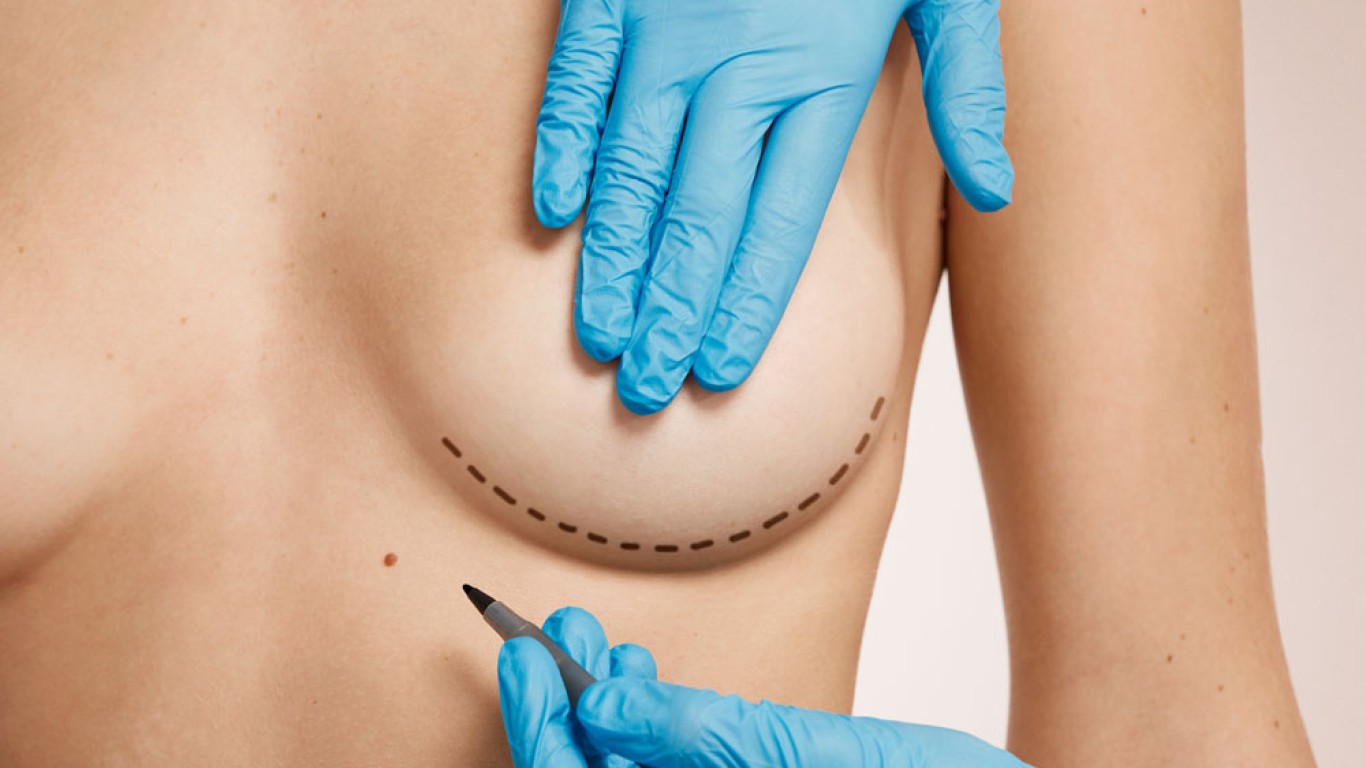
The procedure follows augmentation principles with adapted technique. The incision is placed in the inframammary fold, around the areola or in the armpit. Preserve breast augmentation uses the same incision options as traditional surgery. The difference is in pocket creation. The surgeon separates tissue layers using blunt technique. Pocket is formed by parting rather than cutting. The implant is inserted using a funnel or Keller device. This no-touch insertion reduces contamination risk. The procedure typically takes one to one and a half hours. General anaesthesia or local anaesthesia with sedation is used. A surgical bra is fitted immediately. Most patients go home the same day. The surgical time is comparable to traditional augmentation. The technique difference is in how the pocket is created rather than in overall procedure duration.
Recovery After Preserve Breast Augmentation
Recovery is one of the technique's main selling points. Preserve breast augmentation patients typically report less pain during the first few days. Many describe discomfort as mild rather than moderate. Return to light activities occurs within two to three days for some patients. A surgical bra is worn for four to six weeks. Most patients return to desk work within three to five days. Light exercise resumes at two to three weeks. Full exercise returns at four to six weeks. Recovery follows a similar overall timeline to traditional augmentation. The key difference is in the intensity of early discomfort. The reduced pain during the first week improves the overall recovery experience. Patients feel functional and comfortable sooner. Swelling resolves over two to three months. Final breast shape settles at three to six months.
Cost and Availability
The technique is available at select clinics that have adopted the approach. Not all surgeons offer preserve breast augmentation. It requires specific training in tissue-sparing dissection. Surgeons who offer it have typically invested in the methodology and associated implant systems. Pricing may be slightly higher than traditional augmentation at some clinics. The premium reflects the specialised technique and training. Turkey offers breast augmentation at competitive pricing. Clinics adopting preserve breast augmentation provide this option within their all-inclusive packages. Professional consultation determines whether the technique is available and appropriate for each individual patient. The combination of tissue preservation, competitive pricing and experienced surgeons makes Turkey an attractive destination.
Is Preserve Breast Augmentation Worth It?
The answer depends on individual priorities. Patients who value faster recovery and reduced pain may find preserve breast augmentation worthwhile. Those prioritising sensation preservation appreciate the reduced nerve disruption. The procedure represents a thoughtful advancement in surgical technique. It aligns with the broader trend toward minimally invasive approaches across all surgical specialties. The technique is worth considering for patients who have access to a trained surgeon. It is not the only path to excellent augmentation results. Traditional techniques in skilled hands produce outstanding outcomes. The procedure adds a refinement, it doesn’t replace surgical skill. Patients should choose their surgeon based on experience and results first. The technique used is secondary to the surgeon performing it.
Conclusion
Preserve breast augmentation uses tissue-sparing technique to create the implant pocket without cutting through breast structures. The approach aims to reduce pain, speed recovery and preserve sensation. Early results and surgical logic support these claims. Long-term comparative data is still developing. The procedure suits first-time patients wanting minimal tissue disruption. Professional consultation determines individual suitability. The technique represents a promising evolution in breast augmentation surgery. Turkey offers the procedure at competitive pricing with experienced surgeons at modern facilities.
Want to understand whether preserve breast augmentation is the right option for you? Visit the ACIBADEM Beauty Center breast augmentation page.
Frequently Asked Questions
A tissue-sparing technique that creates the implant pocket by separating rather than cutting tissue.
Many patients report less pain and faster return to activities compared with traditional augmentation.
Early results are encouraging. Long-term comparative studies are still developing.
Pricing may be slightly higher. Turkey offers competitive all-inclusive packages.
No. Specific training in tissue-sparing dissection is required.