Ataşehir Mah. Feza Sk. No:3 İstanbul / Türkiye
 French
  English
  German
  Spanish
Introduction
Lip injections remain one of the most requested non-surgical aesthetic treatments worldwide. Accordingly, many patients ask the same important question before booking - how long do lip injections last? The answer ultimately depends on several interacting factors, and understanding these factors helps set realistic expectations and long term plans. Lip injections aim to enhance volume, shape and definition subtly. Consequently, treatment longevity becomes just as important as immediate results. This article explains duration, influencing factors, and how results are maintained responsibly.
What Lip Injections Are Designed to Do
Lip injections use injectable fillers to enhance lip volume and contour. Most fillers are based on hyaluronic acid, which occurs naturally in the body. These fillers attract water and integrate into lip tissue. The goal is soft, flexible enhancement rather than stiffness. Lip injections can define borders, restore lost volume or improve symmetry. Results appear immediately but continue settling over time. Understanding this purpose helps contextualise how long do lip injections last in practice.
How Long Do Lip Injections Last on Average
On average, lip injections last between six and twelve months, but this depends on filler type and individual metabolism. Some patients notice gradual softening after several months while others maintain visible results for closer to a year. The lips move frequently, which affects filler breakdown speed. Therefore, longevity differs from other facial areas. When asking how long do lip injections last, average timelines provide guidance rather than guarantees.
How Long Lip Injections Last: Are They Permanent?
Lip fillers are designed to be both temporary and biodegradable. The body gradually breaks down hyaluronic acid naturally, which ensures safety and adaptability over time. Permanent fillers are rarely used due to long term risks. Temporary fillers allow adjustments as facial features change and also supports natural ageing. Therefore, asking how long do lip injections last involves understanding intentional temporary design.
The Role of Metabolism in Filler Longevity
Metabolism plays a significant role in how long fillers last because faster metabolisms break down filler material more quickly. Younger or very active individuals may notice shorter duration while slower metabolisms may maintain results longer. Lifestyle factors influence this process too. Exercise frequency and overall health contribute subtly. This variability explains why how long lip injections last differs between individuals.
How Long Lip Do Injections Last: Filler Types
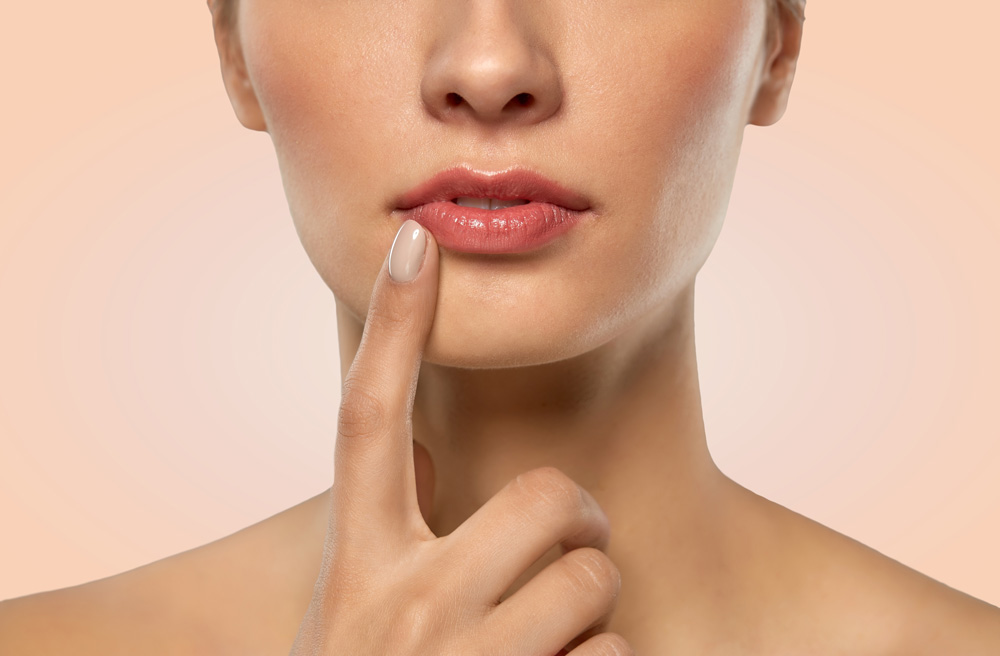
Different fillers are formulated for different longevity and texture. Softer fillers integrate quickly but may break down faster, denser fillers may last longer but feel firmer. Lip fillers are usually softer for natural movement. The chosen product influences duration significantly. Specialists select fillers based on desired outcome and lip structure. Therefore, how long lip injections last partly depends on product selection.
How Long Lip Do Injections Last: Injection Technique and Placement
Injection technique strongly affects how long results last. Precise placement supports even integration and stability while overly superficial placement may reduce longevity. At the same time, deep, controlled placement supports gradual breakdown. Experienced practitioners adjust technique carefully, which in turn affects appearance quality over time. This expertise influences how long lip injections last in real world outcomes.
How Long Lip Do Injections Last: Lip Movement and Everyday Use
Lips are among the most active facial areas - speaking, eating, smiling and kissing involve constant motion. This movement accelerates filler breakdown, which is why lip fillers often last shorter than cheek fillers. Patients should expect natural wear over time. This functional reality explains why lip injection longevity differs from other areas.
How Lip Anatomy Influences Filler Longevity
Lip anatomy varies significantly between individuals and influences filler longevity noticeably. Some lips contain more natural fat and tissue support, others are thinner with higher movement intensity. Thinner lips may metabolise filler faster due to reduced structural support. Muscle activity around the mouth also affects breakdown speed. Specialists assess lip shape, border definition and movement during consultation. This anatomical evaluation guides product choice and placement depth. Understanding lip structure helps explain why lip injection longevity differs widely. Personal anatomy plays a crucial role alongside lifestyle and filler type.
Why Gradual Dissolving Is Considered a Benefit
The gradual dissolving of lip fillers is considered an advantage within modern aesthetics. Sudden changes in appearance can feel unsettling and gradual fading allows patients to adjust naturally over time. This process supports flexibility in future treatment decisions. Patients may choose to maintain, reduce or alter volume gradually. The reversible nature of fillers provides reassurance. Specialists can adapt treatment plans without long term commitment. This benefit reframes how long lip injections last as a positive feature rather than a limitation. Control and adaptability remain central to patient satisfaction.
First Time Lip Injections Versus Maintenance
First time lip injections may appear to fade faster and this is because lips are initially untreated tissue. With maintenance, some filler integration may persist longer and repeat treatments can improve longevity perception. However, overfilling is avoided deliberately. Gradual enhancement supports natural results. This progression influences how long lip injections last over time.
How Often Top Ups Are Usually Needed
Many patients choose top ups every 6-9 months, maintaining shape without starting from zero. Some prefer annual maintenance instead. Timing depends on personal preference and filler behaviour. Specialists recommend reassessment rather than fixed schedules.
What Happens As Lip Fillers Fade?
As fillers fade, lips gradually return to their previous state. There is no sudden loss of volume, and this gradual change allows adjustment planning. Skin does not stretch permanently from fillers. Natural lip tissue remains intact. Patients often appreciate this reversible quality. This fading process reassures those asking how long lip injections last.
Can Lifestyle Choices Affect Longevity?
Lifestyle habits influence filler duration subtly:
- Smoking may accelerate filler breakdown
- Excessive sun exposure affects skin quality
- Hydration supports filler integration positively
- High intensity exercise may increase metabolic breakdown.
- Balanced habits help maintain results longer.
These factors contribute to how long lip injections last for each individual.
Lip Injections and Age-Related Differences
Age influences filler longevity slightly because younger skin may metabolise filler faster while mature lips may retain filler differently due to tissue changes. Age also influences treatment goals so specialists adapt their approach accordingly. Longevity expectations vary across age groups. Therefore, how long lip injections last depends partly on age-related factors.
Why Natural Results Are Prioritised Over Longevity
Modern aesthetic philosophy prioritises natural appearance over maximum duration. Overly dense fillers may last longer but appear unnatural while softer fillers feel and move naturally. This balance sacrifices some longevity intentionally. Patients increasingly prefer subtle, flexible lips. Longevity remains important but secondary to quality. This perspective reframes how long do lip injections last as a design choice.
Combining Lip Injections With Other Treatments
Some patients choose to combine lip injections with other facial treatments. This doesn’t typically significantly affect filler duration. However, balanced facial planning improves overall satisfaction. Lip enhancement works best within facial harmony and specialists should guide combination planning carefully. Understanding overall treatment strategy supports realistic expectations.
Lip Injections in Turkey and Patient Interest
Turkey has become a popular destination for aesthetic treatments. Clinics offer experienced practitioners and modern techniques. Lip injections benefit from high procedure volumes and expertise. International patients value comprehensive consultation. Maintenance planning is discussed clearly. This environment supports confident decisions about how long do lip injections last.
Managing Expectations Around Filler Duration
Clear expectation management improves satisfaction significantly. Lip injections are not permanent solutions. Results soften gradually rather than disappear suddenly and maintenance is part of the aesthetic journey. Patients who understand duration feel more confident in their choices. This clarity answers how long do lip injections last realistically.
Long Term Planning With Lip Injections
Lip injections work best as part of long-term aesthetic planning. Treatment goals may change over time and specialists can adjust volume and technique gradually. This adaptability supports natural ageing. Long-term planning also avoids overfilling. Understanding this process reframes how long do lip injections last as part of an ongoing plan.
Conclusion
How long lip injections last depends on a variety of factors such as filler type, metabolism, technique and lifestyle. Most results last between 6-12 months while gradual fading allows safe adjustment over time. Maintenance treatments support consistent appearance and natural results remain the priority over maximum duration. Understanding these factors supports confident decision making.
If you’re interested in finding out more about lip fillers, visit the ACIBADEM Beauty Center dermal fillers page.
Frequently Asked Questions
First time treatments often last around six months.
No, they fade gradually over time.
Some patients experience longer duration depending on metabolism and filler type.
High activity levels may slightly shorten duration.
Many patients choose top ups every six to nine months.