Ataşehir Mah. Feza Sk. No:3 İstanbul / Türkiye
 French
  English
  German
  Spanish
Introduction
Many people in their 50s begin exploring refined facial treatments that maintain natural structure. A deep plane facelift offers a method that enhances definition by targeting deeper layers rather than focusing only on the skin. This approach appeals to individuals seeking steady, natural-looking refinement across the lower face. Understanding how the procedure works helps people choose the method that best supports their facial structure in this decade.
Why a Deep Plane Facelift Suits People in Their 50s
The 50s often bring noticeable structural changes across the cheeks, jawline and lower face. Soft tissues sit differently due to natural progression. A deep plane facelift addresses these deeper shifts by repositioning underlying layers. This technique supports stronger facial shaping without relying on tight surface adjustments. Many people in this age group consider it because it matches the needs of evolving facial support.
What Makes the Deep Plane Technique Different?
Traditional facelifts often focus on the skin and superficial layers. A deep plane facelift works beneath these levels, targeting the deep muscle layer for measured repositioning. This reduces tension on the skin and supports smoother transitions. The aim is to follow the natural direction of facial movement. This creates a balanced outcome across the cheeks and jawline.
How the Technique Supports Natural Structure
A deep plane approach lifts the underlying layer as a single unit - this method preserves natural volume while improving alignment. It follows the deeper anatomy rather than adjusting the surface alone. This creates smoother contour, clearer lines and balanced lower-face structure. The repositioned tissues reflect a natural shape without appearing pulled.
Improvements Commonly Seen in Patients in Their 50s
A deep plane facelift supports several physical improvements often desired in the 50s. These include clearer jawline definition, smoother lower-face contour and refined cheek position. These changes appear structural rather than surface-based. The technique works well for deeper changes that surface-focused treatments cannot fully address.
Focus on the Midface and Lower Face
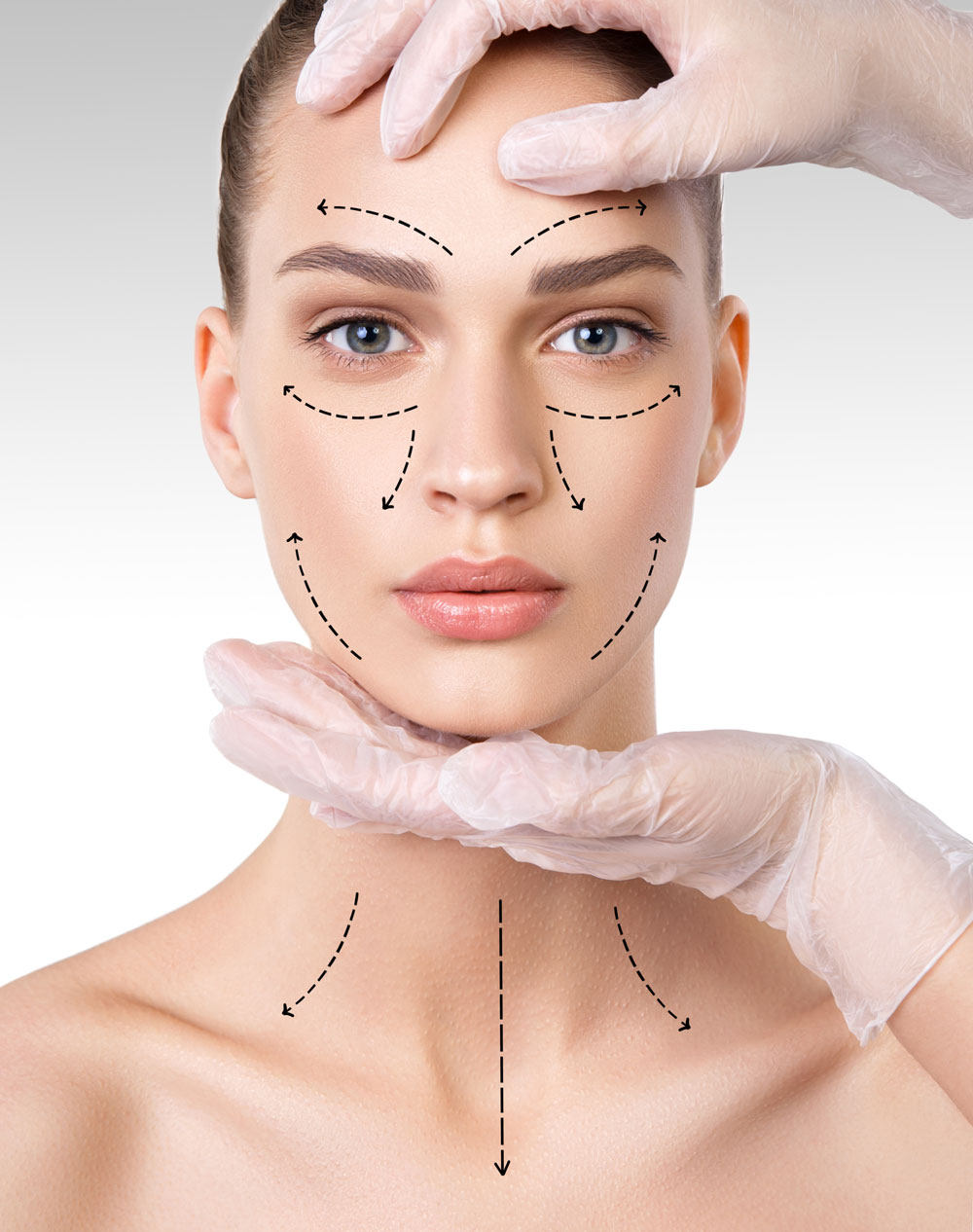
The midface often benefits greatly from the deep plane method. As tissues shift naturally, the area beneath the cheeks may appear lower. A deep plane facelift supports higher and more balanced placement, which improves harmony across the midface without adding volume. The lower face also gains clearer definition because the deeper layers move in unison.
How the Deep Plane Approach Supports Longevity
Because the deeper tissues are repositioned, the improvements often remain steady for many years. A deep plane facelift works within the structural foundation of the face. This creates longer-lasting support compared with adjustments made to the skin alone. The consistent placement of the deeper layer contributes to this longevity.
Suitability for Individuals in Their 50s
Suitability depends on facial structure, tissue placement and desired outcomes. Many people in their 50s find themselves with deeper changes rather than simple surface irregularities. A deep plane facelift addresses these changes effectively. It suits individuals wanting refined shaping rather than surface tightening. Consultation ensures the method matches each person’s natural anatomy.
How Specialists Plan the Treatment
Specialists assess the deeper facial layers to understand how they’ve shifted. They study how the cheeks, lower face, and muscle layer connect. This evaluation helps determine the direction and extent of repositioning. The planning process focuses on natural alignment, ensuring that results integrate smoothly with existing facial features.
Expected Physical Changes After Treatment
People often see clearer definition along the jawline and smoother transitions across the lower face. The cheeks also appear more aligned with the underlying structure. These changes reflect improved placement rather than added volume. Because the deeper tissues support the result, the improvement appears stable. A deep plane facelift aims for harmony rather than dramatic alteration.
How the Deep Plane Facelift Technique Maintains Facial Character
A major advantage of the deep plane method involves respecting natural facial character. Because the deeper layer moves together as a unit, the face retains its natural shape. This prevents sharp transitions or unnatural tension. Many people value this because structural consistency matters for balanced outcomes.
Comparing Deep Plane to Other Facelift Methods
Other facelift techniques often work at higher layers. These methods adjust skin tension or the superficial muscular layer. While these techniques offer improvement, they may not reach deeper shifts required for people in the 50s. A deep plane facelift addresses structural layers, supporting more unified movement. This creates smoother contour across key areas.
How the Deep Plane Method Works with Other Treatments
Some people combine a deep plane facelift with additional structural treatments for full-face balance. Neck refinement often pairs naturally with deep plane repositioning. Brow treatments may complement midface shaping. These combinations depend on individual needs. Specialists evaluate which treatments work together without overwhelming the overall structure.
Why Many People Choose Structural Approaches in Their 50s
As the face changes, structural support becomes increasingly important. Surface-level options may not address deeper shifts. A deep plane facelift provides measured repositioning that follows the deeper anatomy. This supports reliable shaping and balance. Those focused on structural refinement often choose this method for these reasons.
Long-Term Deep Plane Facelift Maintenance Considerations
Maintenance after a deep plane facelift focuses on steady care rather than frequent interventions. Many choose to support the results with consistent skincare - hydration, sun protection and balanced routines help maintain clarity. These steps keep the skin healthy while deeper tissues stay in their new position. Maintenance remains simple yet effective.
Conclusion
A deep plane facelift offers a structural approach that suits many people in their 50s. The technique supports clearer definition, balanced midface shaping and stable lower-face refinement. By working within the deeper layers, it maintains natural character while improving alignment.
For more information about deep plane facelifts, and to book a consultation, visit the ACIBADEM Beauty Center face lift page.
Frequently Asked Questions
It lifts the deeper muscle layer as one unit.
Yes, it suits deeper facial changes common in this decade.
The midface and lower face often show the clearest improvement.
Yes, it follows natural anatomy and structure.
The deeper repositioning supports steady long-term improvement.