Ataşehir Mah. Feza Sk. No:3 İstanbul / Türkiye
 French
  English
  German
  Spanish
Introduction
Understanding mommy makeover recovery time helps individuals plan their journey with clear expectations. A mommy makeover usually combines several body-shaping procedures, so recovery follows a structured timeline. Because each person heals differently, planning and guidance remain essential. This guide explains typical recovery stages, how long progress takes, and how supportive routines help maintain comfort during healing.
What a Mommy Makeover Involves
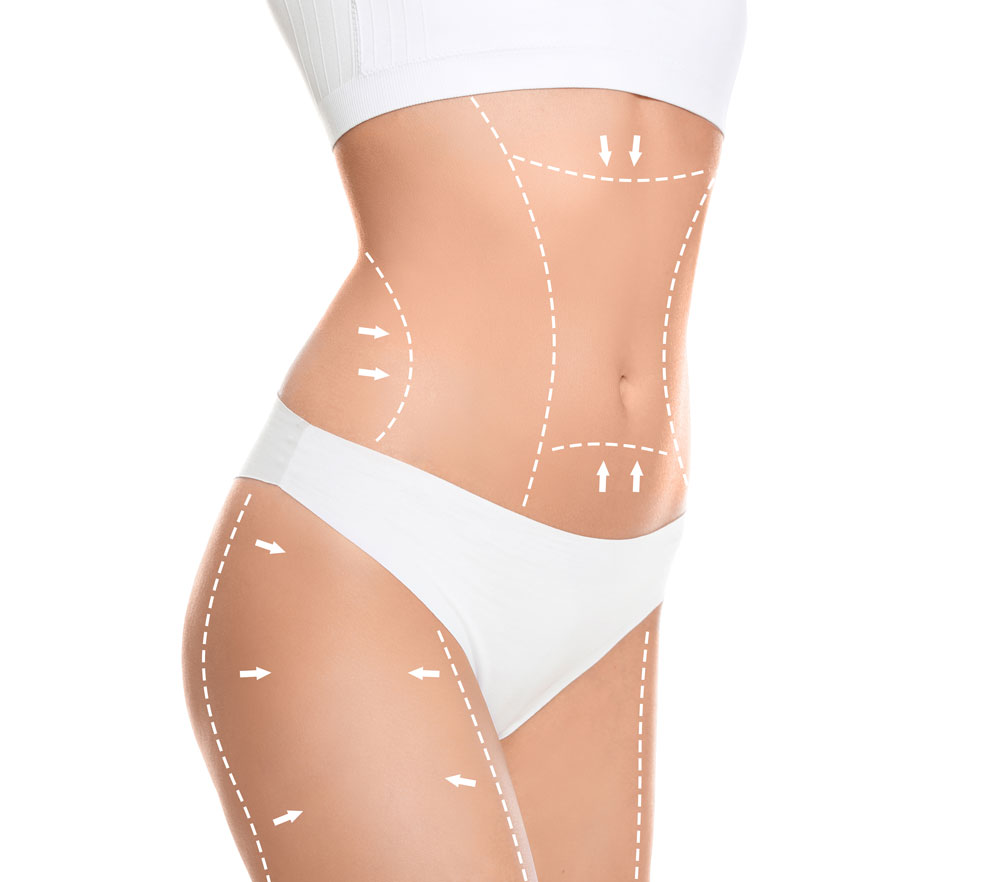
A mommy makeover usually blends body contouring and breast-focused procedures. These may be completed during a single treatment session. Because several areas are refined at once, recovery includes several stages. Specialists plan each stage carefully to support long-term comfort. This allows individuals to follow a structured plan as tissues settle and movement improves.
Why Recovery Planning Matters
Planning matters because healing follows a predictable schedule. Specialists guide movement, hydration, and rest patterns. They also map when different activities can resume. Additionally, planning ensures that daily routines become more manageable during early days. This structured approach keeps progress steady.
Mommy Makeover Recovery Time: First Few Days
During the first days, rest plays an important role. Movement remains gentle and controlled. Many people use supportive pillows to maintain comfortable positioning. Hydration and balanced nutrition also support early recovery. Because several areas may feel tight, slow movement helps maintain ease.
Mobility During the First Week
Mobility gradually improves during the first week. Short walks around the home help circulation. Movement stays light and steady. Specialists often encourage planned walking intervals. These intervals support comfort and keep progress flowing. Because energy levels vary, pacing remains essential.
Mommy Makeover Recovery Time: First Two Weeks
Most people notice improved movement within two weeks. Sitting and standing become easier. Gentle tasks become more manageable. Many return to light routines during this time. However, lifting weight remains limited. Because tissues continue to settle, individuals follow guidance closely.
Support Garments and Their Role
Support garments help maintain contour and positioning. They also help manage general comfort during recovery. Wearing them as advised supports early shaping. Although garment use varies by procedure, consistent wear helps create a smooth foundation. Specialists guide how long each garment should be worn.
Return to Daily Activities
Most individuals return to daily routines after two or three weeks. Driving, light housework, and desk-based tasks become manageable. Because different areas heal at different speeds, pacing remains important. Specialists outline which tasks can be resumed and when. This ensures the schedule stays balanced.
Activity Levels During the First Month
During the first month, energy levels increase. Many people resume gentle exercise after approval. Walking and light stretching support movement. However, activities involving effort remain limited. Because shaping continues to refine, controlled activity helps maintain comfort. Specialists may adjust movement plans as needed.
Mommy Makeover Recovery Time: First Six Weeks
Most structural healing happens within six weeks. Individuals often feel more mobile and balanced. Many return to regular routines. Because shaping continues, consistency in daily habits supports long-term appearance. Specialists may schedule checks to monitor progress and ensure alignment.
Shaping and Settling Over the Months
Shaping continues for several months. Tissues refine gradually. Areas become more defined as swelling settles. Many people notice steady improvement each month. Because healing happens in stages, patience supports the long-term process. Digital assessments help track progress and maintain alignment with planned contours.
How Combined Procedures Affect Recovery
Recovery time varies slightly based on combined procedures. When several areas are refined at once, healing follows a layered timeline. Specialists outline which areas may settle faster and which may take longer. Because planning remains personalised, each journey feels organised and clear.
Movement Routines to Support Recovery
Movement routines include slow stretching and guided walking. These routines help maintain comfort and encourage circulation. Additionally, posture-focused practices support body alignment. Specialists may offer personalised movement guidance as healing progresses. Controlled movement supports smooth results.
Sleeping Positions During Recovery
Sleeping positions matter during early weeks. Many people sleep elevated to reduce pressure. Pillows help create a supported shape. Sleeping adjustments allow comfort across several areas. As weeks progress, individuals gradually return to their preferred positions. Because comfort changes over time, flexibility helps.
Hydration and Nutrition for Support
Hydration and balanced meals support overall well-being during recovery. Nutrient-rich foods help maintain energy levels. Light meals and planned hydration assist in early stages. Because the body uses resources to heal, maintaining balanced nutrition remains important.
Digital Monitoring and Follow-Up
Many clinics now offer digital follow-up systems. These allow specialists to track healing through images and planned assessments. AI-enhanced tools also support long-term planning. This technology ensures that progression stays on schedule. Because digital reviews are simple, individuals can stay connected during each stage.
How Long for Full Mommy Makeover Recovery Time?
Full recovery varies but often spans several months. Many people feel comfortable with most activities within six to eight weeks. However, shaping continues for longer. Because tissues refine gradually, the complete mommy makeover recovery time benefits from structured care. Specialists guide each stage until full settling occurs.
Lifestyle Factors Supporting Recovery
Daily habits influence the recovery journey. Gentle movement, hydration, and balanced routines support long-term progress. Clear schedules and steady pacing help maintain comfort. Because recovery depends on consistency, lifestyle habits remain essential.
Why Structured Recovery Plans Matter
Structured plans guide activity levels, movement habits, and garment routines. They also create clarity and predictability. Specialists monitor progress and adjust advice when needed. Because each person heals differently, structured planning ensures smooth long-term results.
Conclusion
Mommy makeover recovery time follows a structured path shaped by staged healing, steady activity, and supportive routines. Digital planning, personalised guidance, and balanced habits all help maintain comfort and shape during recovery. With consistent follow-up and steady progress, individuals achieve smooth long-term outcomes.
For more information and to book a consultation visit the ACIBADEM Beauty Center aesthetics webpage.
Frequently Asked Questions
The early stage lasts one to two weeks.
Many return to routine tasks after two or three weeks.
Light activity resumes after approval.
Yes, shaping refines across several months.
Yes, many clinics offer digital follow-up.