Ataşehir Mah. Feza Sk. No:3 İstanbul / Türkiye
 French
  English
  German
  Spanish
Introduction
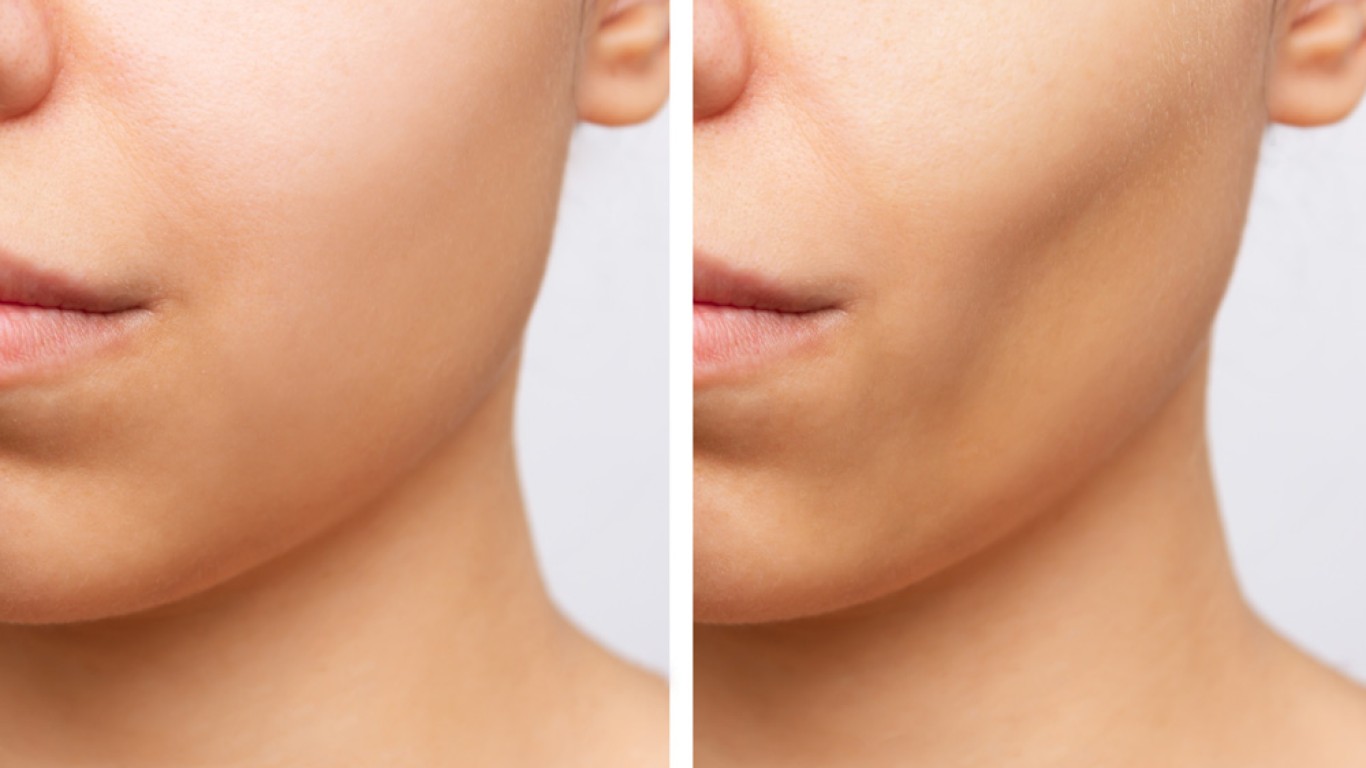
Facial profile balance plays an important role in overall appearance and facial harmony. Excess fullness beneath the chin can soften jawline definition and create a less structured profile. Neck fat removal has therefore become a popular option. Especially for individuals seeking refinement in the lower face. Many people are not looking for dramatic transformation, but instead want subtle contour improvement. By reducing fat deposits in the neck, the jawline often appears clearer and more sculpted. Modern techniques allow surgeons to target this region precisely while maintaining natural proportions. Improved contour can also enhance how the face appears from both front and side angles.
Understanding Neck Fat Removal
Neck fat removal refers to procedures designed to reduce fat deposits beneath the chin and along the neck. These deposits often develop due to genetics, ageing or changes in body weight. Some individuals naturally store fat in the submental area regardless of overall body composition. When fat accumulates in this region, the chin and jawline may appear less defined. Neck contouring aims to restore clearer contours between the chin and neck. Treatments may involve surgical techniques such as liposuction or non-surgical fat reduction technologies. A consultation helps determine which method aligns best with the patient’s anatomy and aesthetic goals.
Common Causes of Neck Fat
Several factors contribute to fat accumulation in the neck region. Genetics often influence how the body stores fat beneath the chin and along the jawline. Even individuals with healthy weight may notice fullness in this area due to inherited traits. Ageing also plays a role as skin elasticity gradually changes over time. Reduced collagen and elastin production can make the area appear less firm. Weight gain may increase fat deposits beneath the jawline, altering the neck profile. Additionally, posture and muscle tone in the neck can influence overall contour appearance.
Liposuction for Neck Contouring
Liposuction is one of the most commonly used techniques for neck contouring. During this procedure, small cannulas gently remove targeted fat deposits through tiny incisions. The surgeon carefully sculpts the area to enhance natural contours. This helps maintain balance with the rest of the face. Neck fat removal through liposuction focuses on creating a sharper transition between chin and neck. This refined angle is often associated with youthful facial structure. Modern liposuction technology allows highly precise fat reduction with minimal disruption to surrounding tissue. The technique is particularly effective when the skin retains good elasticity.
Non-Surgical Fat Reduction Options
Some patients prefer non-surgical approaches to contour the neck area. Injectable treatments and energy-based technologies can target small fat deposits without surgical intervention. These methods gradually break down fat cells, which the body then processes naturally. Neck contouring without surgery is generally best suited for mild to moderate chin fullness. Results develop gradually over several weeks or months. These treatments are often chosen by individuals seeking subtle improvements with minimal recovery time. Non-invasive options can also complement lifestyle changes for long-term contour management.

Skin Tightening and Neck Contour
Skin elasticity strongly influences the final appearance after neck fat reduction. When fat is removed, the surrounding skin should adapt smoothly to the new contour. Energy-based treatments such as radiofrequency or ultrasound can stimulate collagen production in the skin. Increased collagen helps support firmer and more elastic tissue. Neck fat removal combined with skin tightening often produces more refined results. This combination approach ensures that the neck maintains a smooth, natural transition beneath the jawline. Improving both fat distribution and skin firmness enhances overall contour quality.
How Profile Contours Improve After Neck Fat Removal Treatment
Reducing fat beneath the chin creates clearer separation between the jawline and neck. Neck contouring enhances the angle between the chin and the neck. This is often referred to as the cervicomental angle. When this angle becomes more defined, the lower face appears sharper and more structured. Profile views tend to show the most noticeable improvement. Balanced contours can also enhance facial proportions when viewed from the front. Even a modest reduction of submental fat can produce visible improvement in jawline clarity. These changes contribute to a more sculpted and youthful profile.
Recovery and Healing Expectations
Recovery depends largely on the technique used for neck contouring. Surgical procedures may involve mild swelling, tightness or temporary bruising in the treated area. These effects typically improve gradually as healing progresses. Non-surgical options often allow individuals to return to daily activities quickly. Neck fat removal results become more visible as swelling subsides. Or, as treated fat cells are gradually processed by the body. Following professional aftercare instructions helps ensure smooth healing and optimal contour. Wearing supportive garments may also assist in shaping the treated area during recovery.
Long-Term Maintenance After Neck Fat Removal
Maintaining results involves supporting healthy body weight and overall skin quality. Neck contouring permanently eliminates targeted fat cells in the treated area. However, remaining fat cells may still expand if significant weight gain occurs. Balanced nutrition and regular physical activity help preserve long-term results. Skincare, hydration and sun protection also support skin elasticity in the neck region. Many patients find that improved contour motivates them to maintain healthy lifestyle habits. Consistency in these areas helps sustain refined profile contours over time.
Why Patients Choose Neck Fat Removal
Many individuals feel that fullness beneath the chin affects their overall facial proportion. Neck fat removal provides a focused solution for addressing this specific concern. A more defined jawline often enhances facial symmetry and balance. The procedure appeals to both men and women seeking profile refinement. Modern techniques prioritise natural-looking outcomes that complement existing features. Patients frequently report greater confidence in photographs and video calls after treatment. Even subtle contour improvement can make the lower face appear more structured and harmonious.
Consultation and Personalised Treatment Planning
A consultation is an essential first step when considering contour improvement beneath the chin. During this assessment, the surgeon evaluates facial structure, fat distribution and skin quality. Neck fat contouring planning focuses on understanding how the lower face connects visually with the neck and jawline. Each patient’s anatomy is different, so treatment strategies must reflect individual needs. Surgeons often analyse the cervicomental angle, which defines the transition between chin and neck. Digital imaging tools may help demonstrate potential contour improvements. This planning stage ensures that any treatment supports balanced and natural-looking facial proportions.
The Role of Chin Projection in Neck Contours
Chin structure plays an important role in the appearance of the neck profile. Even small differences in chin projection can influence how fullness beneath the jawline appears. When the chin is slightly recessed, the neck may appear fuller than it actually is. In these cases, neck fat removal may be combined with chin enhancement to improve balance. Strengthening chin projection creates clearer separation between facial features. This combined approach often produces a more defined side profile. Careful evaluation of the entire lower face helps create harmonious results.
Technology Used in Modern Neck Contouring
Advances in aesthetic technology have improved precision in contour treatments. Modern equipment allows surgeons to remove or reduce fat with greater accuracy than earlier methods. Energy-assisted liposuction systems help break down fat gently before removal. Ultrasound and radiofrequency devices can target fat while supporting skin tightening. These innovations allow neck fat removal procedures to be customised more effectively. Improved technology also supports smoother contour transitions and more predictable outcomes. As a result, treatments today can deliver subtle yet noticeable profile refinement.
How Neck Fat Removal Enhances Facial Balance
The lower face plays a key role in overall facial harmony. When fullness accumulates beneath the chin, it can blur the natural line of the jaw. Neck fat removal helps restore the distinction between facial structures. A clearer jawline creates stronger visual balance between the upper and lower face. This improvement often enhances how the entire profile appears in photographs. The face may appear more structured and proportionate. Even modest contour changes can produce a more refined silhouette.
Conclusion
Neck contouring offers a targeted way to enhance profile contours and improve jawline definition. By reducing fat beneath the chin, the transition between the face and neck becomes clearer and more sculpted. Both surgical and non-surgical techniques provide flexible treatment options tailored to individual goals. Careful planning and professional assessment ensure natural-looking outcomes that complement overall facial balance.
For more information and to book a consultation visit the ACIBADEM Beauty Center Aesthetics webpage.
Frequently Asked Questions
Neck contouring refers to treatments designed to reduce fat deposits beneath the chin and improve jawline definition.
Individuals with fullness beneath the chin and good skin elasticity often benefit most from treatment.
Yes, several non-invasive treatments can gradually reduce fat beneath the chin.
Results can be long lasting when patients maintain stable weight and healthy lifestyle habits.
Yes, reducing fat beneath the chin typically enhances jawline visibility and overall facial balance.