Ataşehir Mah. Feza Sk. No:3 İstanbul / Türkiye
 English
Introduction
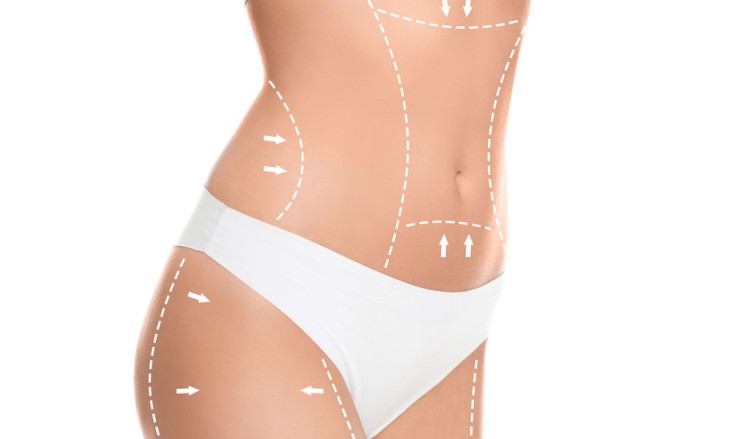
Understanding body contouring cost in Turkey helps patients assess non-surgical treatment options abroad. Additionally, they offer alternatives for people who prefer avoiding surgery. Common technologies include cryolipolysis, radiofrequency, focused ultrasound and electromagnetic muscle stimulation. However, each technology addresses different concerns and produces different results. Turkey attracts international patients through competitive prices and medical tourism services. Nevertheless, quality, safety and practitioner experience vary between individual providers. This guide explains treatment choices, indicative costs and factors affecting the final quotation.
Popular Non-Surgical Body Contouring Treatments in Turkey
Turkish aesthetic clinics offer several technologies for non-surgical body contouring. Firstly, cryolipolysis uses controlled cooling to damage selected fat cells. The body gradually clears affected cells over subsequent weeks. CoolSculpting is one recognised brand, although clinics may use other devices. Secondly, radiofrequency delivers heat into tissue to encourage skin tightening. Some systems also target superficial fat, depending on their design. Additionally, focused ultrasound delivers energy beneath the skin to address selected fat deposits. Electromagnetic stimulation produces repeated muscle contractions and may improve muscle definition. Certain devices also claim reductions in localised fat. Meanwhile, laser-based treatments vary considerably in their mechanisms and clinical evidence. Consequently, patients should request the exact device name and intended treatment outcome. Practitioners should explain potential side effects, contraindications and expected recovery. Furthermore, combining technologies is not automatically better than using one appropriate treatment.
Body Contouring Cost in Turkey Compared to Other Countries
Price differences encourage some patients to consider treatment abroad. However, quotations depend on equipment, clinic standards, treatment area and session numbers. The following figures reproduce the original article's indicative Turkey and UK comparisons. They are estimates, not verified current clinic quotations.
| Treatment | Typical Cost in Turkey | Typical Cost in the UK |
| Cryolipolysis (per area) |
£150–£300 |
£400–£800 |
| Radiofrequency body tightening (per session) |
£100–£250 |
£300–£600 |
| High-intensity focused ultrasound (per area) |
£200–£400 |
£500–£1,000 |
| Electromagnetic muscle stimulation (per session) |
£100–£200 |
£250–£500 |
| Combination body contouring package |
£500–£1,500 |
£1,500–£4,000 |
What Affects Body Contouring Cost in Turkey?
Several factors influence body contouring cost in Turkey, including technology, treatment areas and session numbers. Different technologies involve varying equipment costs, maintenance requirements and practitioner expertise. Consequently, advanced devices may carry higher treatment fees than simpler alternatives. Larger areas, including the abdomen, generally cost more than smaller treatment zones. Additionally, treating multiple areas increases the overall cost of a personalised programme. The number of sessions required also affects body contouring cost in Turkey.
Some patients need several appointments to achieve their desired improvements. Furthermore, clinic location can influence pricing, particularly between Istanbul and smaller Turkish cities. Practitioner qualifications and experience may also contribute to differences between treatment fees. Combination packages sometimes provide better value than booking individual sessions separately. Additionally, some clinics include accommodation, airport transfers and aftercare within their quoted prices. However, patients should carefully compare package inclusions before making financial commitments. Understanding these factors helps patients assess body contouring cost in Turkey more accurately.
What Is Included in a Body Contouring Package in Turkey?
Some clinics offer packages designed around international patients' practical needs. Typically, these include an initial consultation and agreed treatment sessions. Additionally, packages may provide airport transfers, accommodation and appointment coordination. A patient coordinator can help explain schedules and organise local transport. However, not every package includes these services. Some providers charge separately for hotels, additional sessions or specialist aftercare products. Therefore, patients should request a written list of inclusions. They should also check the accommodation location and cancellation conditions. Where relevant, ask whether follow-up consultations remain available after returning home. Furthermore, patients should clarify arrangements if treatment becomes unsuitable after assessment.
Non-Surgical vs Surgical Body Contouring Costs in Turkey
Non-surgical and surgical body contouring address different clinical needs. The original article estimates standard liposuction in Turkey at £1,000–£3,000. It also estimates VASER liposuction at approximately £1,500–£4,000. Meanwhile, its indicative non-surgical programme range is £500–£1,500. These estimates are not current guaranteed prices. Surgery may remove greater fat volumes during one procedure. However, it involves incisions, procedural risks and a longer recovery period. Non-surgical treatments generally involve less downtime, depending on the technology. Nevertheless, results are usually subtler and may require repeated appointments. Neither approach replaces weight management or treats obesity. Moreover, loose skin and significant fat deposits may require different interventions. A qualified practitioner should explain realistic benefits and potential complications. Patients should choose according to clinical suitability, not price alone.
How to Choose a Clinic for Body Contouring in Turkey
Choosing a suitable provider is essential for safe treatment. Firstly, confirm the clinic's licensing and relevant healthcare authorisations. Where applicable, check hospital accreditation and the credentials of individual practitioners. Accreditation alone does not guarantee satisfactory results. Additionally, ask which device will be used and who operates it. Genuine equipment, maintenance records and appropriate training all matter. Independent reviews may provide context, although testimonials cannot prove clinical effectiveness. Before-and-after photographs should represent comparable patients and realistic outcomes. Furthermore, consultations should cover medical history, contraindications and alternative treatments. Practitioners should discuss side effects without minimising possible complications. Avoid clinics promising guaranteed fat reduction or universally permanent results.
Conclusion
Body contouring cost in Turkey varies considerably between technologies and treatment plans. Competitive quotations may offer savings, especially for patients needing multiple appointments. However, travelling abroad introduces additional expenses and follow-up considerations. Patients should compare total costs, provider credentials and realistic expected benefits. Additionally, written package details can prevent misunderstandings about accommodation, transfers and aftercare. Non-surgical procedures can improve selected concerns without the recovery associated with surgery. Nevertheless, they cannot reliably reproduce surgical results or guarantee permanent body changes. Professional consultation remains essential before selecting a treatment or booking travel.
For more information about body contouring cost in Turkey and to book a consultation visit the ACIBADEM Beauty Center webpage.
Frequently Asked Questions
The original estimates suggest £150–£300 per treated area. However, actual quotations depend on device choice and applicator numbers.
Appropriately selected treatments can be safe when delivered by qualified practitioners. Nevertheless, every technology carries potential side effects and contraindications.
Session numbers vary by device, treatment area and individual goals. Therefore, request a personalised plan after clinical assessment.
Some clinics offer combined treatment programmes. However, suitability depends on medical assessment, recovery requirements and potential interactions.
Not necessarily, because appointment spacing varies between procedures. Discuss follow-up arrangements before deciding between extended stays and separate visits.