Ataşehir Mah. Feza Sk. No:3 İstanbul / Türkiye
 English
Introduction
How much weight can you lose with liposuction is one of the most common patient questions. Liposuction is a popular cosmetic procedure that removes stubborn fat deposits from targeted areas. However, many patients misunderstand its purpose and expected outcomes. Liposuction is a body contouring procedure rather than a weight loss treatment. It removes localised fat that resists diet and exercise from specific body areas. The amount of weight lost is typically modest compared with the visible change in shape. Understanding what liposuction achieves helps patients set realistic expectations before treatment. This article explains how much fat liposuction removes, why the scale changes little and what results patients can expect. It also covers candidacy, safety limits and how to maintain results long term.
How Much Weight Can You Lose with Liposuction?
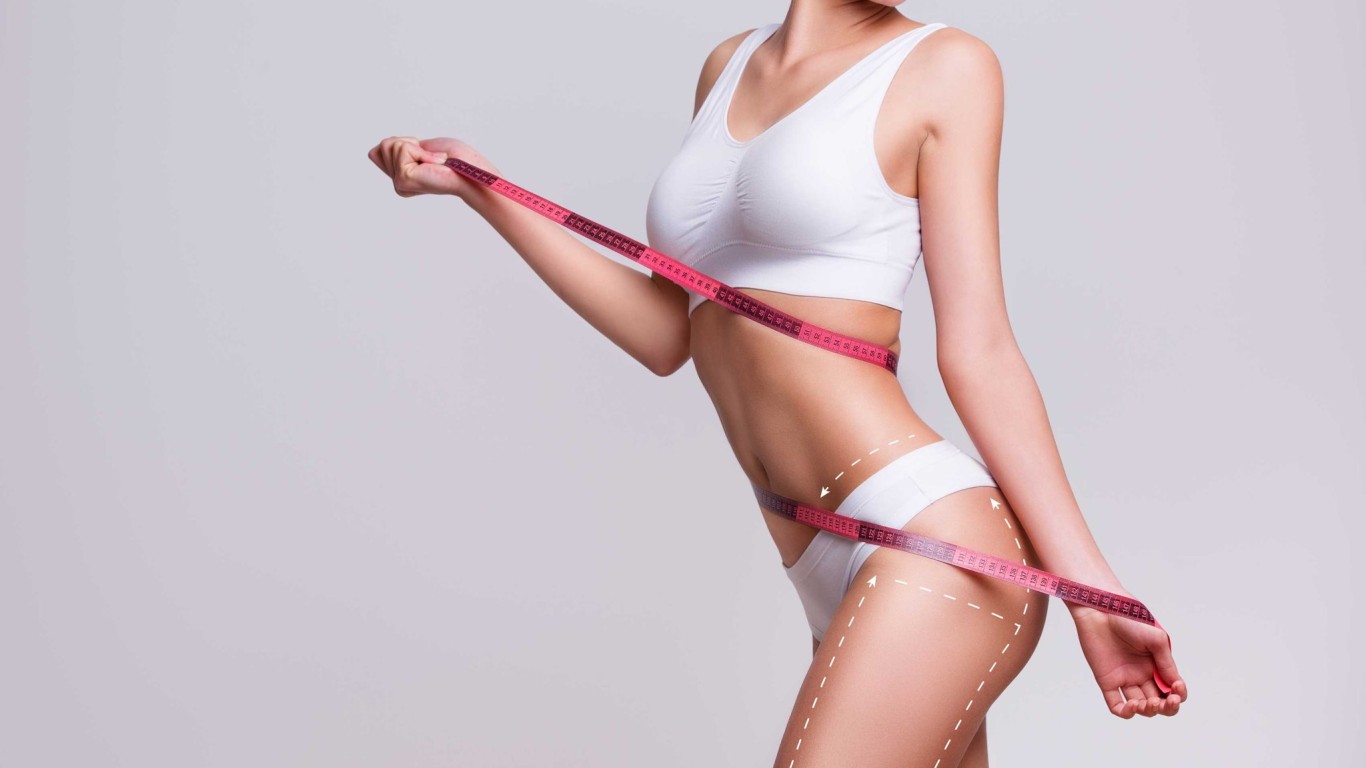
So, how much weight can you lose with liposuction? The answer depends on several individual factors. Most patients lose between one and five kilograms of fat during a liposuction procedure. The maximum safe fat removal in a single session is generally around five litres. This equates to approximately four to five kilograms of fat tissue removed. The actual weight change on the scale is often less dramatic than patients expect. Fat is lighter than muscle and water, so removing volume produces modest weight reduction. The visible change in body shape is typically far more significant than the number on the scale. Patients notice a slimmer, more contoured appearance in the treated areas after recovery. The procedure produces dramatic improvements in body proportions and clothing fit. Measuring results by appearance and clothing size is more meaningful than tracking weight alone.
Why Liposuction Is Not a Weight Loss Procedure
The question ‘how much weight can you lose with liposuction?’ highlights an important distinction about the procedure. Liposuction is designed to contour the body rather than reduce overall body weight significantly. It targets specific areas where fat accumulates stubbornly despite diet and exercise efforts. The procedure does not address visceral fat surrounding the internal organs. Visceral fat contributes significantly to overall body weight and health risk factors. Liposuction removes subcutaneous fat located just beneath the skin surface only. This fat layer creates the visible contour irregularities that patients want to improve. Patients seeking significant weight reduction should pursue dietary and lifestyle changes first. Liposuction produces the best results when performed on patients already near their target weight. It refines body shape rather than replacing the need for healthy weight management overall.
How Much Fat Can Liposuction Safely Remove?
Safety limits determine how much fat can be removed during a single liposuction session. Exceeding safe removal limits increases the risk of fluid imbalance and complications. Experienced surgeons carefully plan the volume to be removed based on individual assessment. Patient safety always takes priority over maximising the amount of fat removed during surgery. Multiple sessions may be recommended when larger volumes of contouring are required overall.
What Determines How Much Weight You Can Lose with Liposuction?
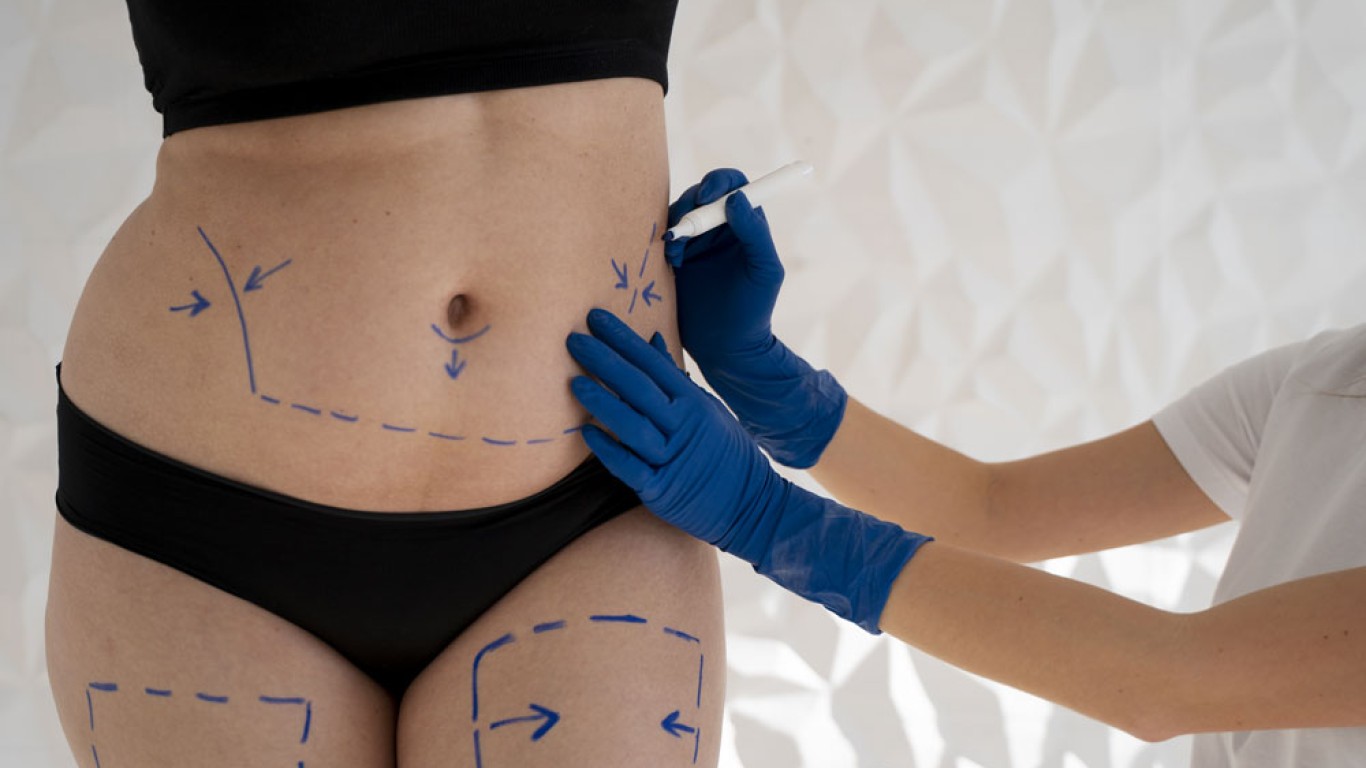
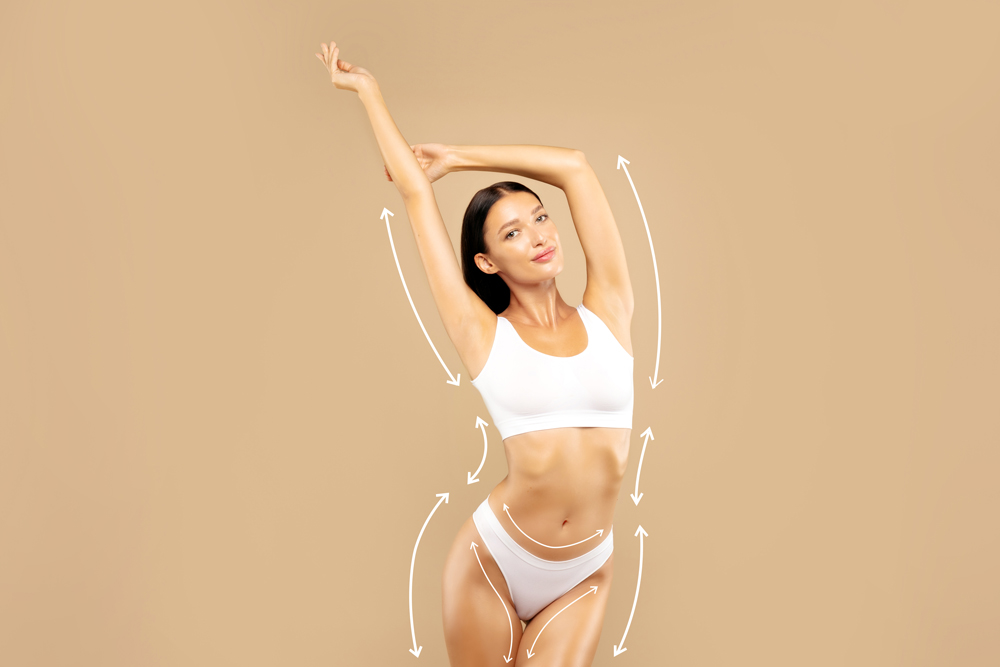
Several factors influence how much weight you can lose with liposuction in each individual case. The number of treatment areas affects the total volume of fat removed during surgery. Treating multiple areas such as the abdomen, flanks and thighs removes more fat overall. The density and distribution of fat in each area also affects the volume extracted. Patient body composition influences how much subcutaneous fat is available for removal. Skin elasticity affects whether the skin contracts smoothly after fat removal takes place. The surgeon's technique and equipment choice influence precision and total extraction volume. Tumescent liposuction and ultrasound-assisted techniques allow controlled and efficient fat removal. Patient health and safety limits determine the maximum volume that can be removed safely. Individual consultation assesses all these factors to provide realistic outcome expectations for patients.
Liposuction Results: Shape Change vs Weight Change
How much weight you lose with liposuction matters less than the visible shape improvement achieved. Patients who focus on the scale may feel disappointed despite dramatic contour improvement. A patient who loses only two kilograms may drop one or two clothing sizes after liposuction. The waistline, thighs or arms may appear significantly slimmer and more proportionate. Before-and-after photographs demonstrate the transformation more accurately than weight measurements. Clothes fit differently and more comfortably in the treated areas after recovery. Many patients report that their body looks more balanced and proportionate overall after treatment. The psychological benefit of improved body confidence often exceeds the physical weight change. Measuring success through appearance, comfort and clothing fit provides a more accurate assessment. Surgeons encourage patients to evaluate results visually rather than relying on the scale alone.
Who Suits Liposuction for Body Contouring?
Ideal liposuction candidates are already near their target weight before the procedure. The best results occur in patients with localised fat deposits that resist diet and exercise. Candidates should have good skin elasticity to allow smooth contraction after fat removal. Patients in good general health with no significant medical conditions are suitable candidates. Non-smoking status supports healing and reduces the risk of post-operative complications. Realistic expectations about what liposuction achieves are essential for patient satisfaction. The procedure is not suitable for patients seeking significant overall weight reduction. Patients with obesity should pursue weight management before considering liposuction treatment. A thorough consultation evaluates individual anatomy, skin quality and fat distribution carefully. The surgeon recommends the most appropriate treatment approach based on each patient's specific goals.
Areas Commonly Treated with Liposuction
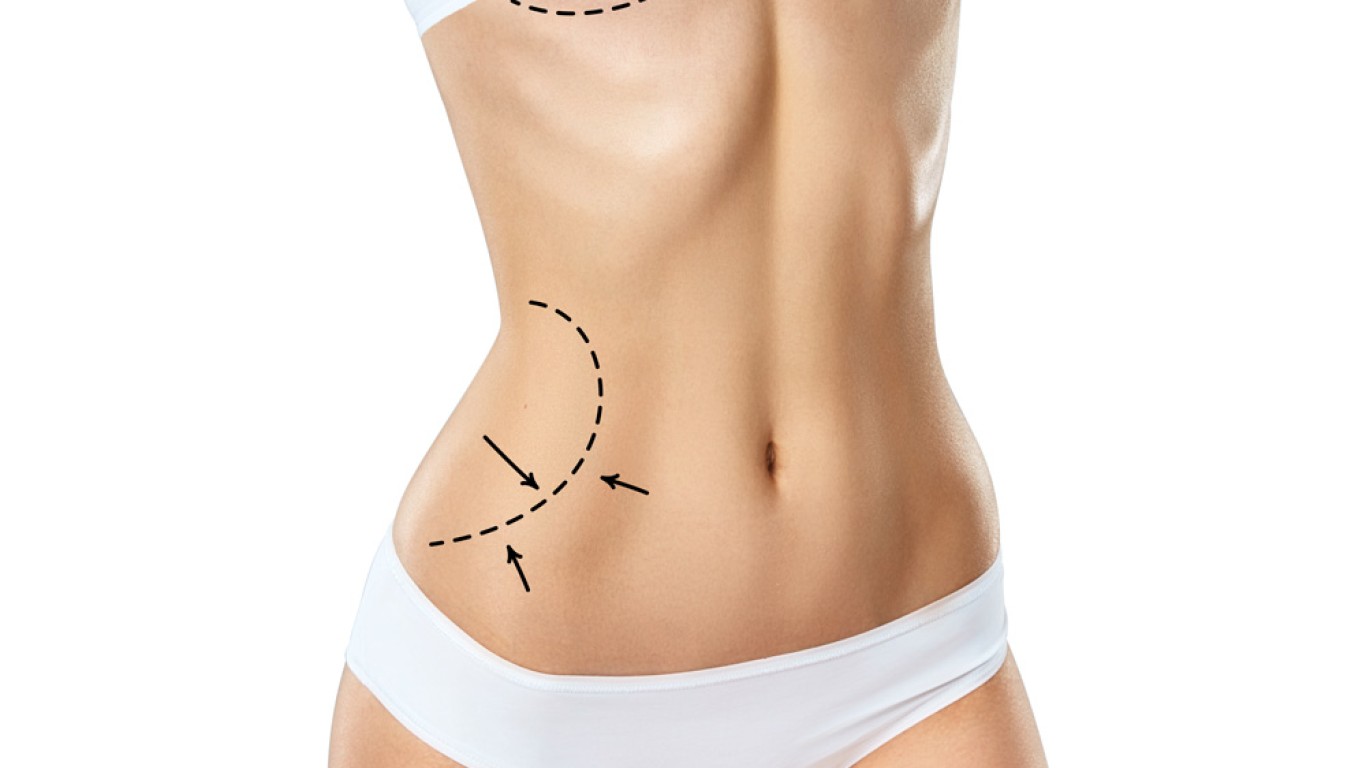
Liposuction effectively contours multiple body areas where stubborn fat accumulates persistently. The abdomen is the most commonly treated area for both male and female patients. Flanks and love handles respond well to targeted fat removal during liposuction treatment. The inner and outer thighs benefit from contouring to create smoother leg proportions. Upper arms can be slimmed to create a more toned and proportionate appearance overall. The chin and neck area can be treated to reduce submental fullness and define the jawline. The back and bra roll area responds to liposuction for a smoother upper body contour. Male chest contouring addresses gynaecomastia-related fat deposits effectively through liposuction. Multiple areas can be treated within a single session depending on the total volume planned. The surgeon selects the treatment areas based on individual assessment and patient priorities.
Conclusion
The amount of weight you can lose with liposuction typically ranges from one to five kilograms. The procedure is a body contouring treatment rather than a weight loss solution for patients. Visible shape improvement is far more significant than the modest change on the scale. Liposuction removes stubborn subcutaneous fat from targeted areas that resist diet and exercise. Safety limits restrict fat removal to approximately five litres per session for patient wellbeing. Results are best maintained through stable body weight and healthy lifestyle commitment long term. Professional consultation ensures personalised planning based on individual anatomy and realistic goals. Turkey offers experienced surgeons and accredited facilities for liposuction body contouring procedures.
If you’re interested in finding out more about losing weight through liposuction, visit the ACIBADEM Beauty Center website.
Frequently Asked Questions
Most patients lose between one and five kilograms depending on the areas treated.
No, liposuction is a body contouring treatment that targets localised stubborn fat deposits.
Approximately five litres of fat can be safely removed in a single liposuction session.
Removed fat cells do not return, but remaining cells can expand with significant weight gain.
By appearance, body proportions and clothing fit rather than the number on the scale.