Ataşehir Mah. Feza Sk. No:3 İstanbul / Türkiye
 English
  German
  Spanish
Introduction
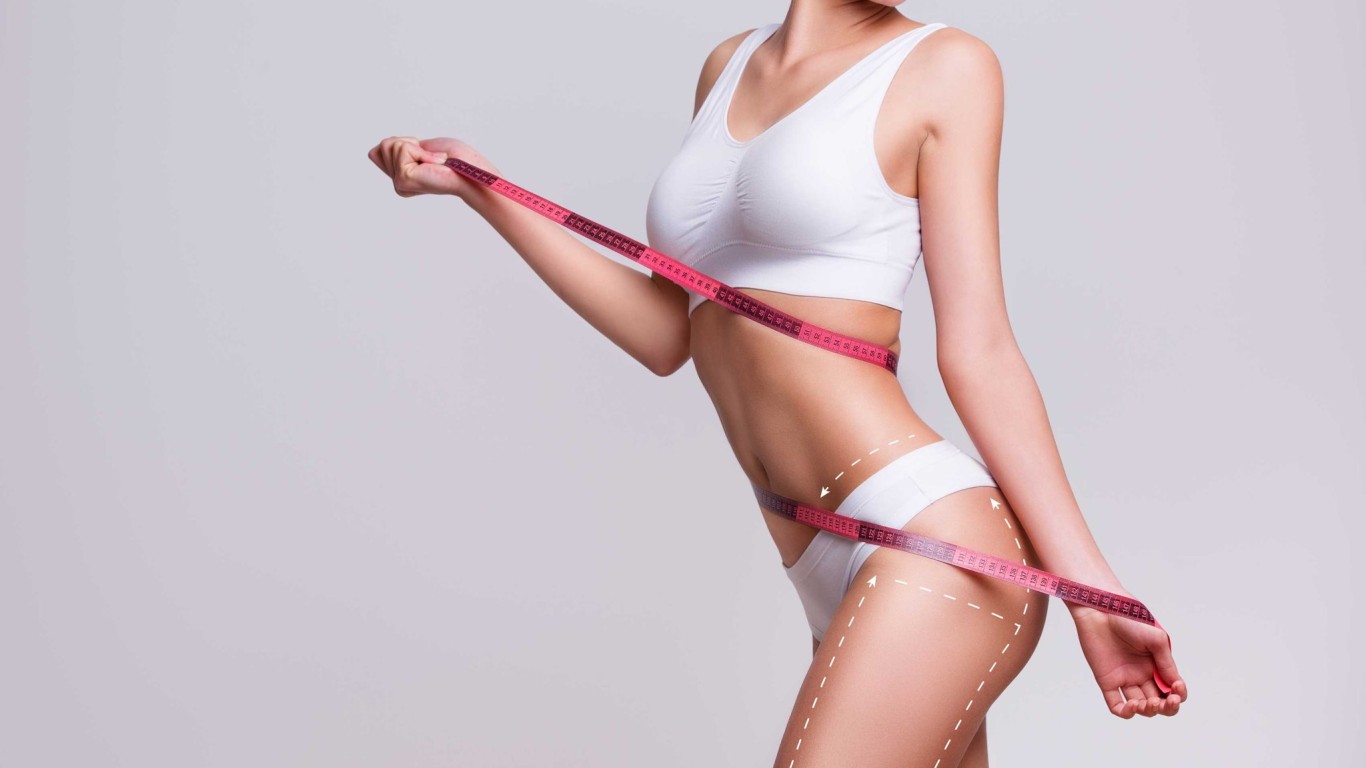
Liposuction is one of the most performed cosmetic procedures globally. It permanently removes fat cells from specific areas of the body to improve contour and proportion. Liposuction surgery is not a weight loss procedure. It targets localised pockets of fat that resist diet and exercise. In 2026, the technique has advanced significantly. Multiple approaches offer varying degrees of precision, skin tightening and recovery time. This guide covers what patients need to know about liposuction surgery, from technique choice to results.
How Liposuction Works
The procedure uses a thin hollow tube called a cannula to disrupt and remove fat cells from beneath the skin. The cannula is inserted through small incisions of three to five millimetres. It is connected to a vacuum device that applies negative pressure to extract the loosened fat. Standard tumescent liposuction first infuses the treatment area with a solution containing local anaesthetic and adrenaline. This solution reduces blood loss, provides local pain relief and firms the fat for easier removal. The surgeon moves the cannula in controlled passes through the fat layer. Fat is removed progressively until the desired contour is achieved. The small incisions are typically left to close naturally or closed with a single suture.
Liposuction Techniques in 2026
Several techniques are available for liposuction surgery in 2026. Standard tumescent liposuction is the most widely performed. VASER liposuction uses ultrasound energy to liquefy fat before removal. It allows more precise contouring and suits areas requiring definition such as the abdomen and flanks. Power-assisted liposuction uses a mechanically vibrating cannula to reduce surgeon fatigue during larger volume procedures. Laser-assisted liposuction uses laser energy to liquefy fat and simultaneously stimulate collagen in the overlying skin. Radiofrequency-assisted liposuction also combines fat removal with skin tightening. The surgeon recommends the most appropriate technique based on the treatment area, volume and skin quality.
Which Areas Can Liposuction Surgery Treat?
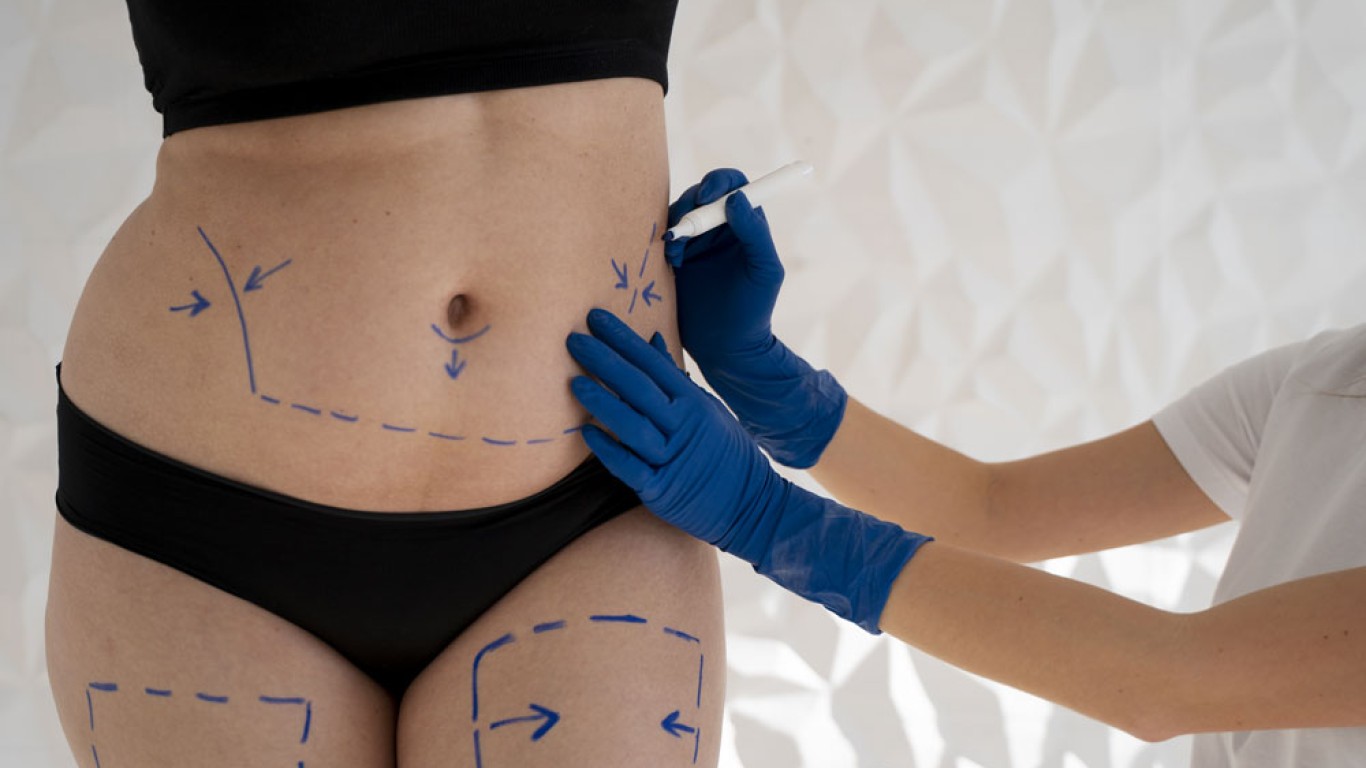
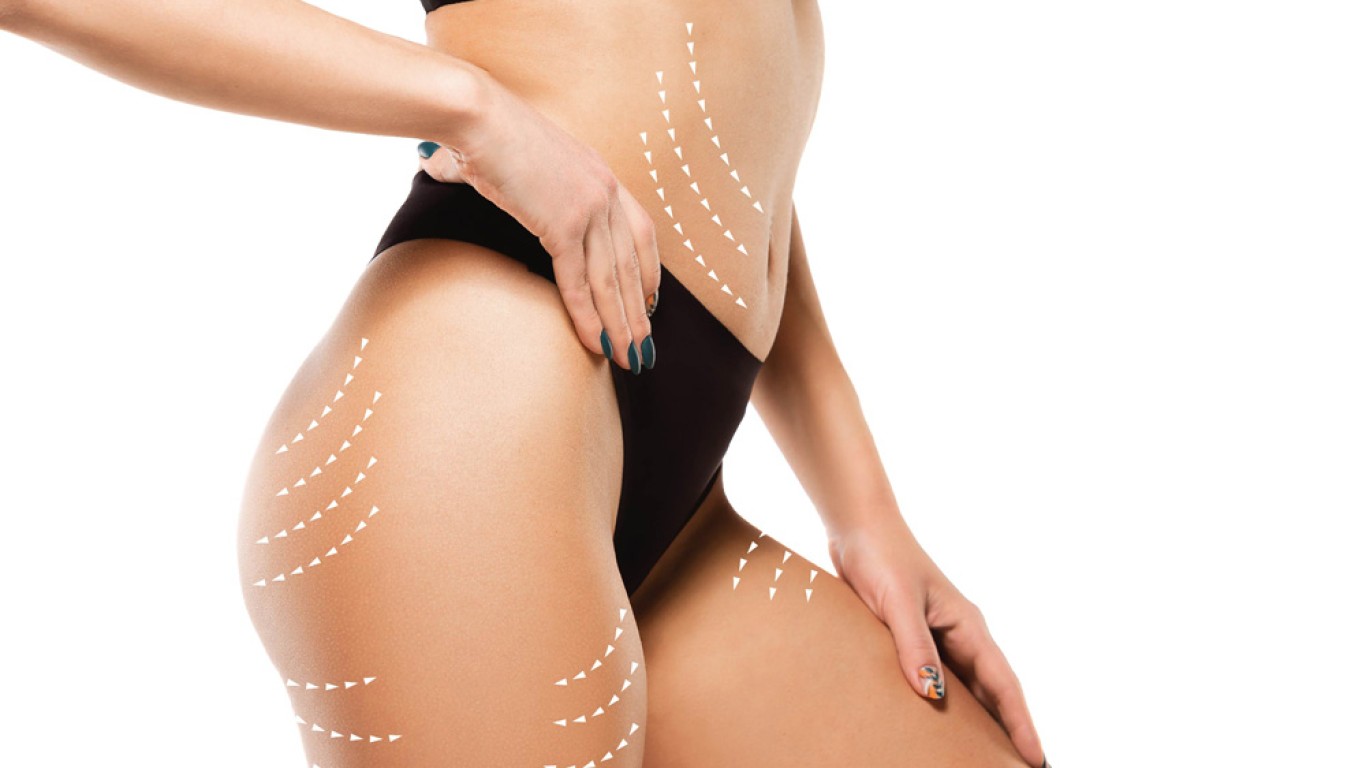
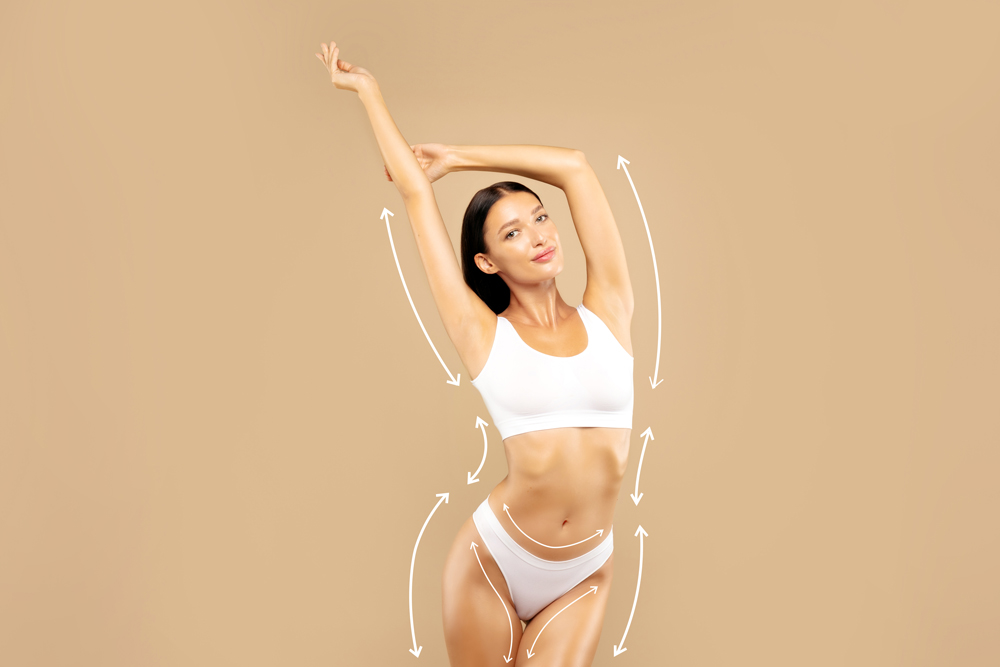
Liposuction surgery can treat most areas of the body where localised fat deposits exist. The most commonly treated areas are the abdomen, flanks and waist. The inner and outer thighs are also frequently requested. Arms, particularly the upper arm, respond well to liposuction surgery. The back, including bra rolls and lower back fat, is treatable. Chest, for gynaecomastia in men, is effectively addressed. The knees and inner calves can be treated in selected patients. The chin and neck are common treatment sites for patients wanting a more defined jawline. Multiple areas can be treated in a single session, subject to safe volume limits.
Who Is a Suitable Candidate for Liposuction Surgery?
Suitable candidates share several characteristics. They are at or near their ideal body weight. Liposuction surgery removes localised fat rather than large overall volumes. They have good skin elasticity. Skin lacking elasticity will not contract well after fat removal and may appear loose or irregular. They are in good general health. Medical conditions that impair healing, affect clotting or increase anaesthetic risk require assessment before surgery. They are non-smokers or prepared to stop smoking well before and after surgery. They have realistic expectations. Understanding that liposuction improves proportion rather than achieving dramatic weight loss is essential. Those with poor skin tone may achieve better results from procedures that also tighten the skin.
Liposuction Surgery Recovery
Recovery follows a predictable pattern. Compression garments are worn from the day of surgery. They reduce swelling, support the new contour and improve skin retraction. Garments are worn continuously for four to six weeks. Soreness, swelling and bruising are expected during the first two weeks. Walking from the day after surgery supports circulation. Light activities resume from week two. Return to desk work is typically possible within one week. Strenuous exercise is avoided for four to six weeks. Swelling reduces progressively. Most patients see a significant improvement in contour by six to eight weeks. Final results are visible at three to six months once all residual swelling clears. Lymphatic drainage massage performed from around day five significantly speeds swelling resolution.
Liposuction Surgery in Turkey
Turkey is a leading global destination for liposuction surgery. Istanbul clinics perform thousands of liposuction procedures annually. This volume creates exceptional expertise in technique and patient management. All-inclusive packages at accredited Turkish clinics cover surgery, anaesthesia, hospital stay, compression garments and aftercare. Treatment in Turkey costs one thousand five hundred to five thousand pounds depending on areas treated. UK pricing for equivalent treatment ranges from three thousand to ten thousand pounds. The same advanced techniques, including VASER and power-assisted liposuction, are available. JCI-accredited facilities meet international safety standards. Direct flights from UK airports to Istanbul take under four hours. Most patients stay five to seven days.
How to Choose the Right Clinic
Choosing the right clinic for liposuction surgery is more important than finding the lowest price. The surgeon's experience with the specific technique being used should be verified. Before and after photographs of previous patients are the most reliable evidence of consistent results. The clinic's accreditation and safety record should be checked. Understanding what the quoted price includes prevents unexpected additional costs after surgery. Virtual consultations allow a full case assessment and technique discussion without an in-person visit. Clinics offering comprehensive post-operative follow-up including remote video consultations demonstrate commitment to care beyond the procedure. This post-operative support is particularly valuable for international patients returning home after liposuction surgery abroad.
Liposuction Surgery: Final Checklist Before Booking
Before booking liposuction surgery, confirm the following. The surgeon is board-certified and has specific experience with the technique being used. The facility is accredited. Before and after photographs of previous cases have been reviewed. The quoted price covers all elements including anaesthesia, garments and follow-up. The post-operative support plan is clear.
Conclusion
Liposuction in 2026 offers patients multiple technique options for precise, permanent fat removal from localised areas. It is not a weight loss procedure. Best results are achieved in patients near their ideal weight with good skin tone. Recovery takes four to six weeks before full activity resumes. Compression garments are essential during this period. Risks are manageable when the procedure is performed by a qualified surgeon at an accredited facility. Turkey offers liposuction surgery at significantly lower cost than the UK with comparable quality. Professional consultation is the essential first step for all patients considering this procedure.
For more information and to book a consultation visit the ACIBADEM Beauty Center Liposuction page.
Frequently Asked Questions
No. Liposuction surgery removes localised pockets of fat that resist diet and exercise. It improves proportion and contour but is not a substitute for weight loss.
Most patients return to light activities within one week. Full recovery takes four to six weeks. Final results are visible at three to six months once swelling fully resolves.
The most appropriate technique depends on the treatment area and skin quality. VASER suits areas requiring precision. Standard tumescent is effective for most cases. The surgeon advises based on individual anatomy.
All-inclusive packages in Istanbul range from £1,500 to £5,000 depending on the number of areas treated. This compares with £3,000 to £10,000 for equivalent treatment in the UK.
Results are permanent in the treated areas. Fat cells that are removed do not return. Weight gain after surgery affects untreated areas first. Maintaining a stable weight preserves results long term.