Ataşehir Mah. Feza Sk. No:3 İstanbul / Türkiye
 French
  English
  German
  Spanish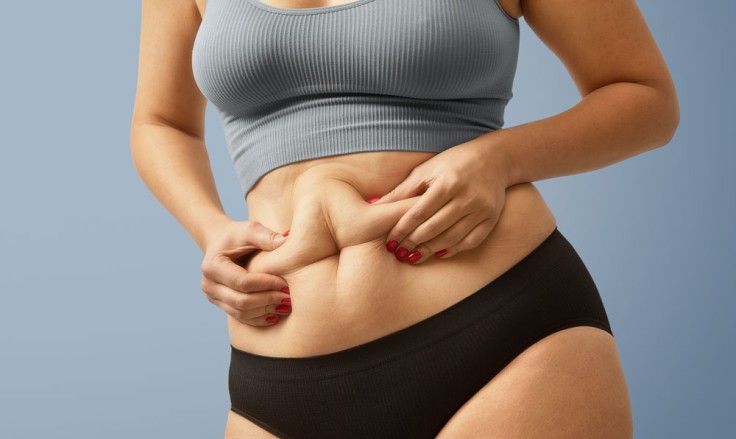
Introduction
Significant weight loss is a major achievement, yet physical changes often continue after the scale stabilises. One of the most common concerns is loose skin after weight loss, which can affect comfort, clothing fit, and body proportions. Skin does not always retract at the same pace as fat loss. This response is influenced by several biological and lifestyle factors. Many people explore solutions once weight has remained stable. Understanding available options helps set realistic expectations. Both non-surgical and surgical approaches can play a role.
Why Loose Skin Appears After Weight Loss
Skin stretches gradually as body size increases. When weight is lost, especially over a short period, the skin may struggle to adapt. Elastic fibres within the skin weaken over time. Age also reduces natural elasticity. Genetics further influence how well skin retracts. Loose skin after weight loss is more common following large reductions in body mass. Areas such as the abdomen, arms, thighs, and chest are frequently affected. Duration of weight gain matters as well. Skin stretched for many years is less likely to bounce back fully. This response is a normal physiological process.
Areas Most Commonly Affected
The abdomen is often the primary concern after weight loss. Excess skin can form folds that remain despite exercise. The upper arms may also appear loose, especially along the inner arm. Thighs can lose firmness and contour. Some people notice changes around the chest, lower back, or neck. Loose skin after weight loss does not affect all areas equally. Distribution depends on where fat was stored. Each body region responds differently. Treatment planning considers these variations carefully.
Can Skin Tighten Naturally Over Time?
In mild cases, some natural tightening may occur. Younger individuals with good skin quality may see gradual improvement. Consistent hydration and nutrition support skin health. Time allows tissues to adapt slowly. However, loose skin after weight loss often persists when excess skin is significant. Exercise improves muscle tone underneath but does not remove extra skin. Expectations should remain realistic. Natural tightening has limits. Understanding this helps guide next steps.
Non-Surgical Options for Loose Skin After Weight Loss
Non-surgical treatments focus on improving skin firmness rather than removing excess tissue. These options may suit mild to moderate concerns. Treatments aim to stimulate collagen production. Results tend to develop gradually. Loose skin after weight loss may respond to these approaches in certain cases. Non-surgical methods are often used as supportive treatments. They work best when skin laxity is minimal. Professional assessment determines suitability. These options may delay or reduce the need for surgery.
Surgical Solutions for Loose Skin After Weight Loss
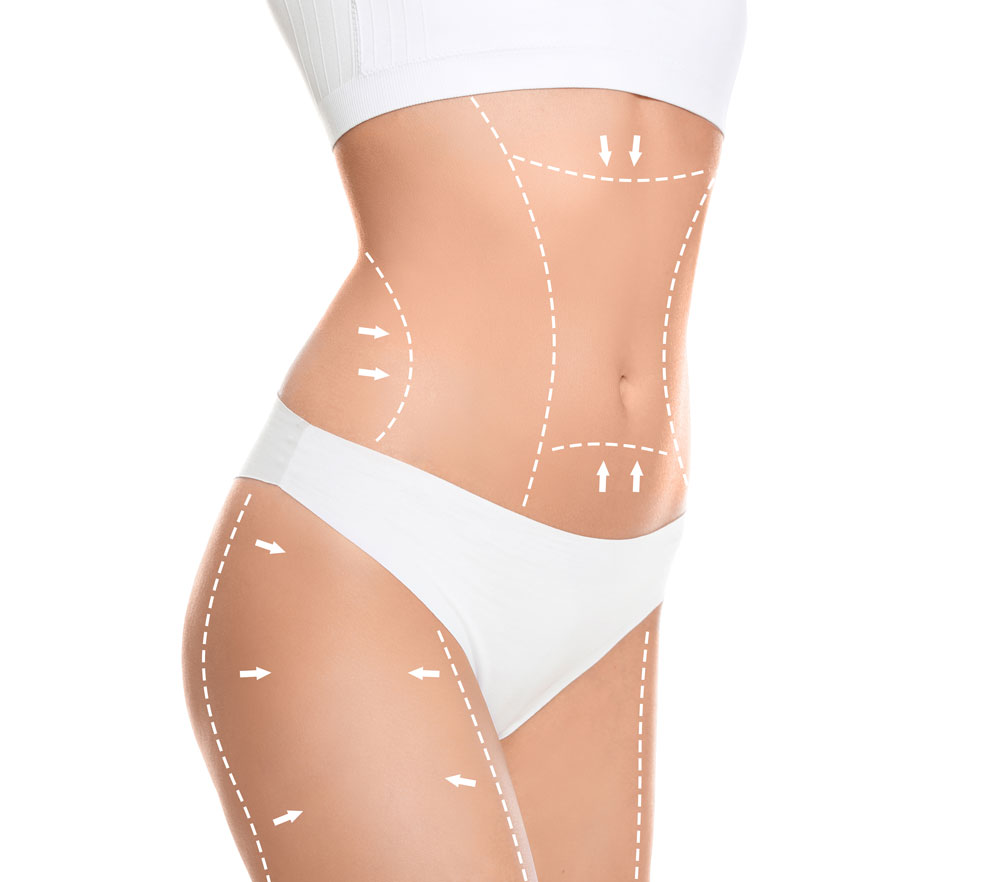
When excess skin is pronounced, surgery may be considered. Surgical procedures remove surplus skin and reshape body contours. Common procedures include tummy tuck, arm lift, and thigh lift. Each targets a specific area. Loose skin after weight loss is addressed surgically once weight stabilises. Procedures are tailored to individual anatomy. Surgical planning focuses on balance and proportion. Long-term shape improvement is the primary goal. Recovery planning is part of the decision process.
Timing Skin Removal After Weight Loss
Timing plays an important role in outcomes. Most specialists recommend waiting until weight has remained stable. This stability usually lasts several months. Further weight changes can affect results. Loose skin after weight loss should be assessed once the body has adjusted. Early intervention may lead to unpredictable changes. Patience supports better planning. Stable weight allows accurate evaluation. Timing influences long-term satisfaction.
The Role of Muscle Tone and Exercise
Muscle tone can improve overall appearance after weight loss. Strength training helps fill out loose skin slightly. It enhances contour beneath the skin surface. Exercise supports overall body composition. However, loose skin after weight loss cannot be fully corrected through exercise alone. Muscle does not replace missing skin elasticity. Exercise is supportive, not corrective. It works best alongside other treatments. Understanding this prevents frustration.
Lifestyle Factors That Support Skin Health
Nutrition plays a role in skin condition. Adequate protein supports tissue repair. Vitamins and minerals contribute to skin strength. Hydration helps maintain elasticity. Smoking can negatively affect skin quality. Sun exposure also influences skin ageing. Loose skin after weight loss may appear worse without supportive habits. Lifestyle factors enhance treatment outcomes. Consistency matters over time.
Loose Skin After Weight Loss in Turkey
Turkey has become a destination for post-weight loss body contouring. Clinics offer detailed assessment and personalised planning. Treatment recommendations are based on anatomy and weight history. Centres such as Acibadem focus on structured consultation and coordinated care. Loose skin after weight loss is evaluated carefully before treatment. International patients value organised pathways. Expertise supports predictable outcomes. Planning enhances overall experience.
Emotional Adjustment and Body Image
Adapting to a changing body takes time. Weight loss brings both physical and emotional shifts. Loose skin can feel unexpected after achieving goals. Adjustment is a gradual process. Many people feel more comfortable once treatment options are explored. Understanding choices supports confidence. Patience is important during adaptation.
Long-Term Outlook After Treatment
Results depend on treatment choice and maintenance. Surgical removal offers lasting change. Non-surgical treatments may require ongoing sessions. Weight stability remains important. Follow-up care supports results. Long-term habits influence durability. Clear planning improves satisfaction. Ongoing monitoring helps maintain outcomes.
How Age Influences Skin Retraction After Weight Loss
Age plays a significant role in how skin responds after major weight reduction. Younger skin generally contains higher levels of collagen and elastin. These proteins support firmness and elasticity. As a result, younger individuals may notice better natural retraction. With increasing age, skin regeneration slows. Years of reduced elasticity limit the skin’s ability to contract. This does not reflect poor results but natural ageing. Understanding age-related differences helps shape realistic expectations.
The Impact of Rapid Versus Gradual Weight Loss
The speed of weight loss strongly affects skin appearance. Gradual weight loss gives the skin more time to adjust. This may reduce the extent of looseness. Slower changes allow tissues to adapt progressively. Rapid weight loss places sudden demands on the skin. Loose skin after weight loss is more common in these situations. Medical weight loss methods can accelerate fat reduction. Planning contouring options becomes important afterward. Rate of change influences treatment needs.
Why Some Skin Areas Respond Better Than Others
Skin thickness varies across the body. Areas with thicker skin may retract more effectively. Regions like the face and upper back often respond better. Thinner skin areas are more vulnerable. Loose skin after weight loss commonly affects the abdomen and inner arms. These regions experience greater stretching during weight gain. Reduced elasticity limits retraction. Treatment planning considers these anatomical differences. Area-specific response shapes outcomes.
Skin Quality Versus Skin Quantity
Skin quality refers to elasticity and strength. Skin quantity refers to excess surface area. Both influence post-weight loss appearance. Improving one does not always correct the other. Loose skin after weight loss often involves excess skin quantity. Non-surgical treatments may improve quality only. Surgical approaches address quantity directly. Understanding this distinction clarifies why some treatments are recommended. Accurate assessment guides decisions.
Preparing the Body Before Considering Treatment
Preparation improves treatment outcomes. Maintaining stable weight is essential. Balanced nutrition supports skin condition. Adequate protein intake assists tissue health. Before addressing loose skin after weight loss, consistency matters. Hydration supports elasticity. Exercise strengthens underlying muscle tone. Preparation does not replace treatment but enhances results. Readiness supports smoother planning.
Clothing Fit and Physical Comfort Concerns
Loose skin can affect daily comfort. Skin folds may interfere with clothing fit. Movement can feel restricted in certain areas. These practical issues often motivate treatment decisions. Loose skin after weight loss is not purely aesthetic. Physical comfort plays a role. Addressing these concerns improves quality of life. Understanding functional impact supports balanced decision making. Comfort matters alongside appearance.
Conclusion
Loose skin after weight loss is a common and natural response to significant body changes. Its severity depends on factors such as age, genetics, weight history, and skin quality. While mild laxity may improve naturally, more pronounced excess skin often requires targeted treatment. Both non-surgical and surgical options can support improved contour and comfort once weight stabilises. Understanding timing, expectations, and available approaches helps individuals make informed decisions. With appropriate planning and professional guidance, long-term results can be achieved confidently.
For more information and to book a consultation visit the ACIBADEM Beauty Center webpage.
Frequently Asked Questions
No, mild cases may improve or respond to non-surgical treatments.
Most specialists recommend several months of stable weight.
Exercise improves muscle tone but does not remove excess skin.
Yes, especially after significant or rapid weight reduction.
Surgical removal offers lasting change when weight remains stable.