Ataşehir Mah. Feza Sk. No:3 İstanbul / Türkiye
 French
  English
  German
  Spanish
Introduction
Buccal fat removal has become a widely discussed facial contouring procedure, particularly for jawline definition. While short-term results are often highlighted, many people now ask what happens much further down the line. Understanding jawline buccal fat removal 10 years later requires looking at ageing, facial structure, and long-term tissue behaviour. The face continues to change naturally over time, regardless of surgery. As trends shift toward longevity and natural ageing, long-term outcomes matter more than immediate definition. This article examines how results evolve, what remains stable, and which factors influence appearance a decade later. A long-term perspective supports informed decision making.
Understanding Buccal Fat and Jawline Structure
Buccal fat pads sit deep within the mid-cheek area. They contribute to facial roundness and softness. Their size varies naturally between individuals. Some people retain fuller buccal fat into adulthood. The jawline is influenced by multiple structures. Bone shape, muscle tone, and skin quality all play roles. Buccal fat removal targets only one component. Jawline buccal fat removal 10 years later reflects how these structures interact over time. The procedure does not stop natural ageing processes. It alters volume distribution permanently.
How Facial Ageing Continues After Buccal Fat Removal
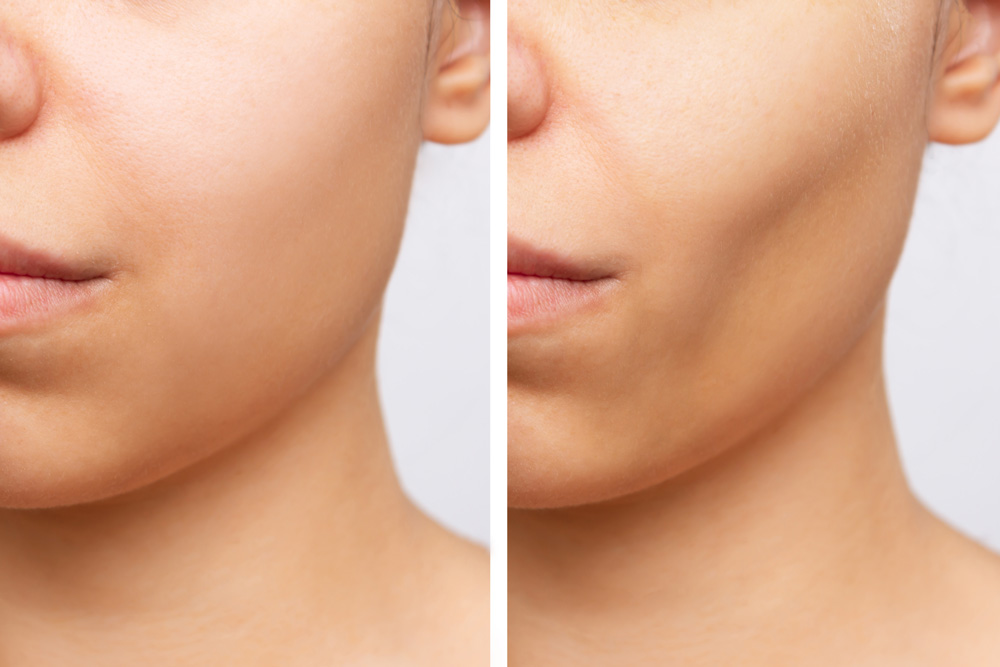
Ageing affects the face through gradual volume loss and skin changes. Collagen and elastin production slow with time. Bone density also reduces subtly. These changes occur whether surgery has been performed or not. After buccal fat removal, ageing may appear differently. Reduced mid-cheek volume can become more noticeable as surrounding tissues age. Jawline buccal fat removal 10 years later often reveals a leaner facial framework. For some, this enhances definition. For others, it may accentuate hollowness. Individual anatomy determines outcome.
Volume Changes a Decade After Surgery
Ten years after surgery, the removed fat does not regenerate. However, other facial fat compartments continue changing naturally. Some areas may lose volume gradually. Others remain relatively stable. Jawline buccal fat removal 10 years later may show increased angularity. Cheeks can appear slimmer than before surgery. The jawline often remains defined. The balance between definition and softness depends on facial proportions. Long-term volume distribution matters more than the initial result.
Skin Quality and Its Role in Long-Term Appearance
Skin quality significantly influences long-term outcomes. Elastic skin adapts better to volume changes. Reduced elasticity may highlight underlying structure. Hydration, sun exposure, and lifestyle all affect skin over time. Ten years after buccal fat removal, skin condition becomes more influential than surgical changes alone. Jawline buccal fat removal 10 years later often looks more harmonious in patients with good skin quality. Skin support helps maintain balance. This explains why outcomes vary widely.
The Interaction Between Jawline Definition and Midface Ageing
The jawline does not age in isolation. Changes in the midface influence overall balance. As cheek volume reduces naturally, contrast with the jawline increases. This can make the lower face appear sharper. Jawline buccal fat removal 10 years later may amplify this contrast. For some, it creates a sculpted appearance. For others, it can make the midface appear flatter. The relationship between facial zones becomes more pronounced with time. Balanced planning is essential.
Weight Fluctuations and Long-Term Results
Weight changes after surgery affect facial appearance. Weight gain may add volume to remaining fat compartments. Weight loss can further reduce facial fullness. Buccal fat does not return, but surrounding tissues respond. Jawline buccal fat removal ten years on looks different depending on weight stability. Consistent weight supports predictable ageing. Significant fluctuations can alter facial harmony. Long-term lifestyle plays a major role in outcome.
Does Buccal Fat Removal Accelerate Facial Ageing?
This is a common concern. Buccal fat removal does not cause ageing. However, it changes how ageing presents. Reduced volume can make natural ageing more visible in some faces. Jawline buccal fat removal ten years on may reveal sharper contours. In faces already prone to volume loss, this can appear more pronounced. In fuller faces, it may remain balanced. Ageing continues regardless of surgery. The procedure influences contour, not ageing speed.
Long-Term Satisfaction and Changing Aesthetic Preferences
Aesthetic preferences evolve over time. What feels ideal at one age may change later. Some patients value a sharper definition long term. Others prefer softer contours as they age. Jawline buccal fat removal 10 years later is often reassessed through this lens. Satisfaction depends on alignment between outcome and evolving preferences. Long-term contentment is influenced by expectations set before surgery. Understanding permanence is key.
Non-Surgical Support Years After Buccal Fat Removal
Many people choose supportive treatments years later. These focus on skin quality or volume balance. They do not reverse fat removal. Instead, they refine overall harmony. Ten years on, subtle support may enhance balance. Jawline buccal fat removal 10 years later can be complemented by skin-focused treatments. These approaches address ageing rather than surgical changes. Long-term care is adaptive rather than corrective.
Revision Surgery and Its Role Long Term
Revision surgery after buccal fat removal is uncommon. Fat cannot be replaced naturally in the same area. However, other contouring approaches may be considered. Jawline buccal fat removal ten years on rarely requires revision. Instead, focus shifts to overall facial balance. Surgical decisions later in life consider ageing patterns. Revision planning is conservative and individualised.
Jawline Buccal Fat Removal 10 Years Later in Turkey
Turkey has become a destination for long-term facial assessment and care. Clinics provide follow-up and supportive planning for patients years after surgery. Structured consultations focus on facial balance over time. Centres such as Acibadem emphasise long-term perspective. Jawline buccal fat removal 10 years later is evaluated within the context of ageing. International patients value continuity and expertise. Long-term outcomes are approached thoughtfully.
Who Tends to Age Best After Buccal Fat Removal
Patients with naturally fuller faces often retain balance longer. Strong bone structure supports contour. Good skin elasticity also contributes to favourable ageing. Jawline buccal fat removal 10 years later tends to look most natural in these individuals. Those with thinner faces may experience more dramatic changes. Careful candidate selection supports long-term satisfaction. Anatomy remains the key factor.
Setting Realistic Expectations for Long-Term Results
Understanding permanence is essential. Buccal fat removal is not temporary. Long-term changes should be anticipated. The face will continue evolving. Jawline buccal fat removal 10 years later reflects both surgical choice and natural ageing. Realistic expectations support satisfaction. Long-term thinking matters more than immediate trends. Informed decisions reduce regret.
How Facial Expression Changes Over a Decade
Facial expression plays an important role in long-term appearance. Smiling, speaking, and chewing continually engage the midface. Over ten years, these repeated movements influence how tissues settle. After buccal fat removal, reduced padding can make expressions appear sharper. Jawline buccal fat removal 10 years later may emphasise muscle definition during movement. This is not always visible at rest. Dynamic expression often reveals the most noticeable differences. Understanding how the face moves over time adds important context to long-term results.
Changes in Facial Softness Versus Definition
A common long-term shift involves balance between softness and definition. Early results often focus on contour. Over ten years, natural volume loss elsewhere can increase angularity. This may suit some facial types more than others. Jawline buccal fat removal 10 years later often appears leaner than expected initially. Soft transitions may become more pronounced. The face may look more sculpted rather than rounded.
How Lifestyle Choices Influence Long-Term Facial Balance
Lifestyle factors become increasingly influential over time. Sun exposure affects skin elasticity. Nutrition supports tissue quality. Sleep patterns influence facial tone and appearance. Ten years after surgery, these factors may outweigh the initial procedure’s visual impact. Jawline buccal fat removal 10 years later looks most balanced when skin quality is well maintained.
Conclusion
Jawline buccal fat removal 10 years later reveals how permanent volume changes interact with natural facial ageing. The procedure reshapes contour but does not halt ageing processes. Long-term appearance depends on anatomy, skin quality, weight stability, and lifestyle. For some, results remain refined and balanced. For others, changes become more pronounced over time. Understanding these dynamics before surgery is essential. With careful planning and realistic expectations, long-term outcomes can remain harmonious and satisfying.
To find out more about buccal fat removal and to book a consultation with an expert, visit the ACIBADEM Beauty Center website.
Frequently Asked Questions
No, removed buccal fat does not regenerate.
This depends on facial structure, skin quality, and natural ageing patterns.
Weight gain may affect other facial fat areas, but not removed buccal fat.
No, careful assessment is needed to determine suitability.
Yes, supportive treatments can help maintain balance over time.