Ataşehir Mah. Feza Sk. No:3 İstanbul / Türkiye
 French
  English
  German
  Spanish
Introduction
Acne scars can remain long after breakouts have cleared, affecting skin texture and confidence. Many people seek treatments that improve smoothness without disrupting daily life. Modern aesthetic medicine now offers several non-surgical options. Dermapen and carbon peeling are two widely discussed treatments. Each works differently and suits different scar patterns. Choosing between them often depends on scar type, skin quality and expectations. Understanding how these treatments compare helps patients make informed decisions. This article explores whether dermapen or carbon peeling delivers better results for acne scars.
Understanding Acne Scars and Skin Texture
Acne scars form when inflammation disrupts normal skin healing. Collagen may be lost or reorganised unevenly. This leads to indentations, roughness or uneven tone. Some scars are shallow and widespread. Others are deeper and more defined. Acne scars rarely respond to skincare alone. Professional treatments aim to stimulate renewal. Dermapen and carbon peeling approach this goal in different ways. Knowing scar characteristics guides treatment choice.
What Dermapen Treatment Involves
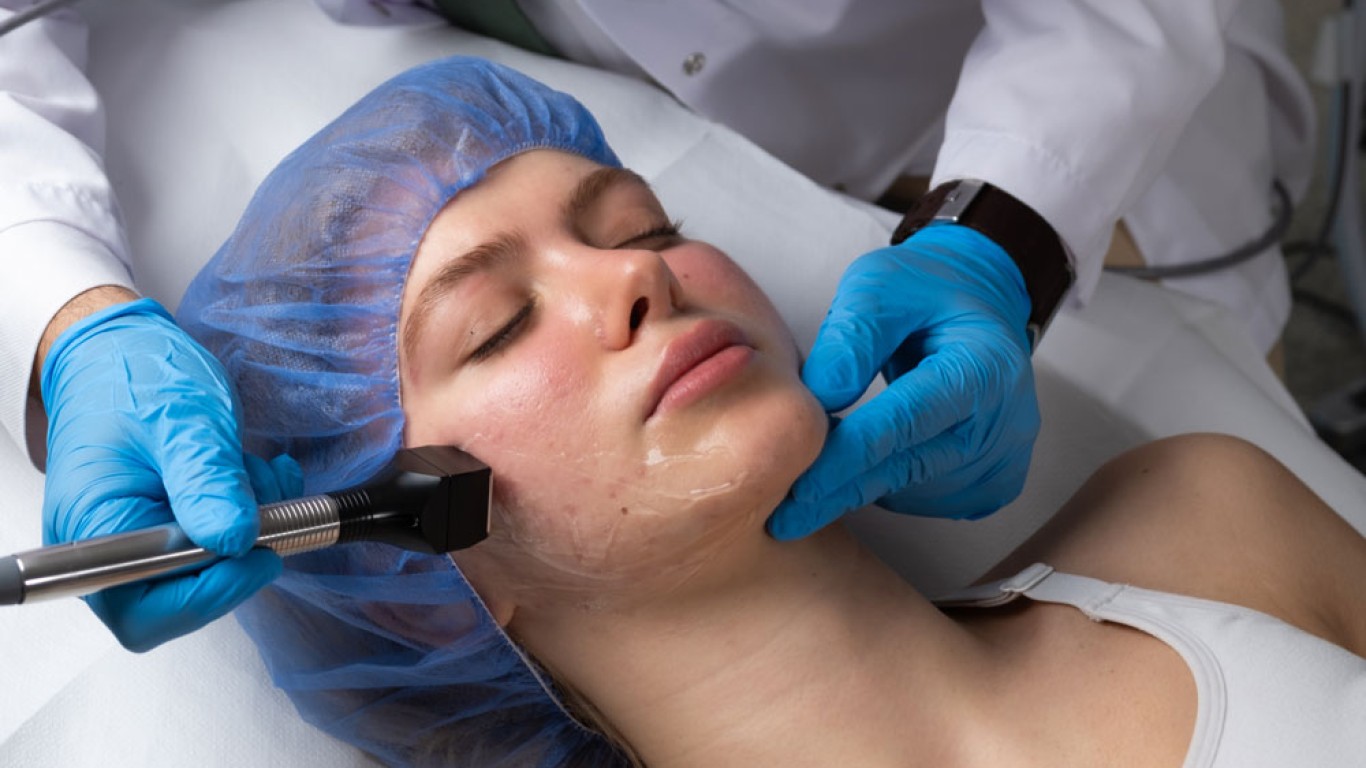
Dermapen is a microneedling treatment that uses fine needles. These needles create controlled micro-injuries in the skin. The process stimulates natural collagen production. Over time, this can improve skin texture and firmness. Dermapen is often used for atrophic acne scars. The treatment focuses on regeneration rather than resurfacing. Results develop gradually as the skin heals. Consistency plays an important role.
What Carbon Peeling Is and How It Works
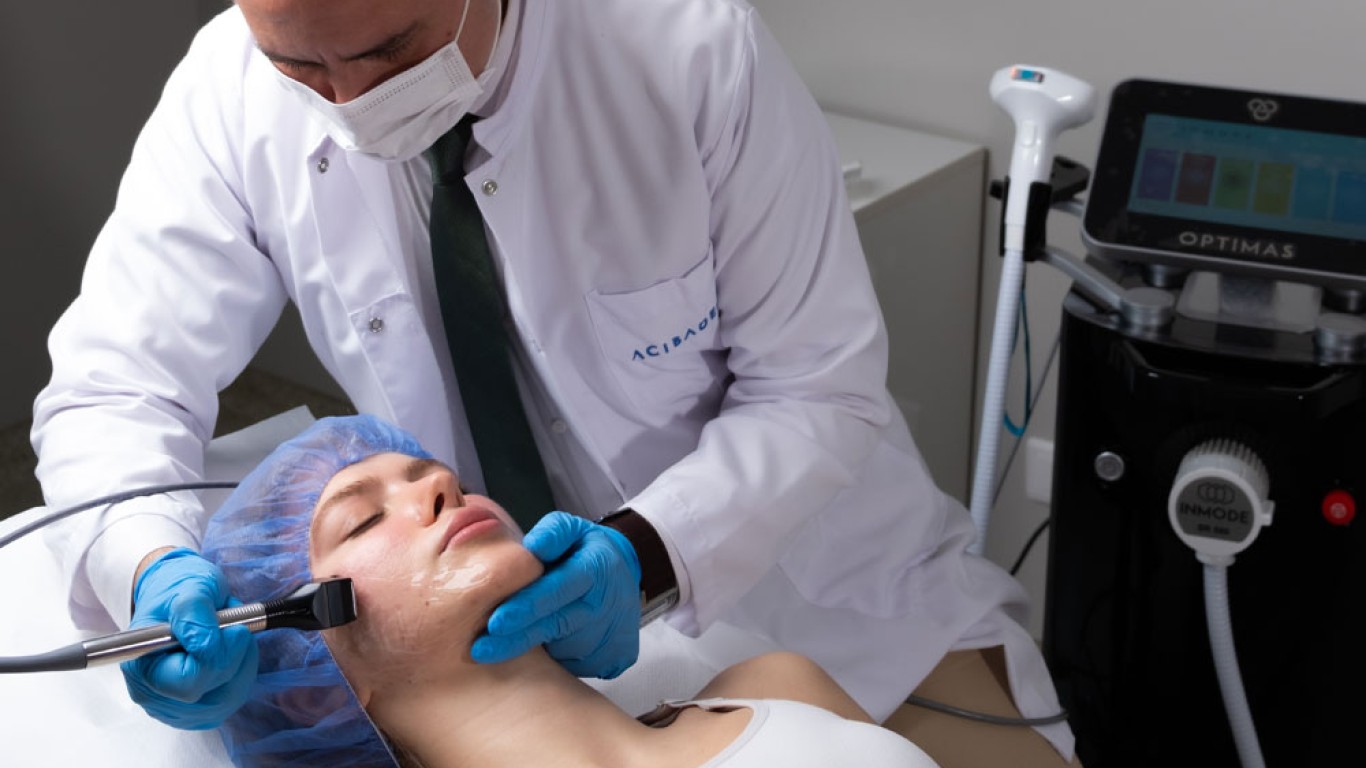
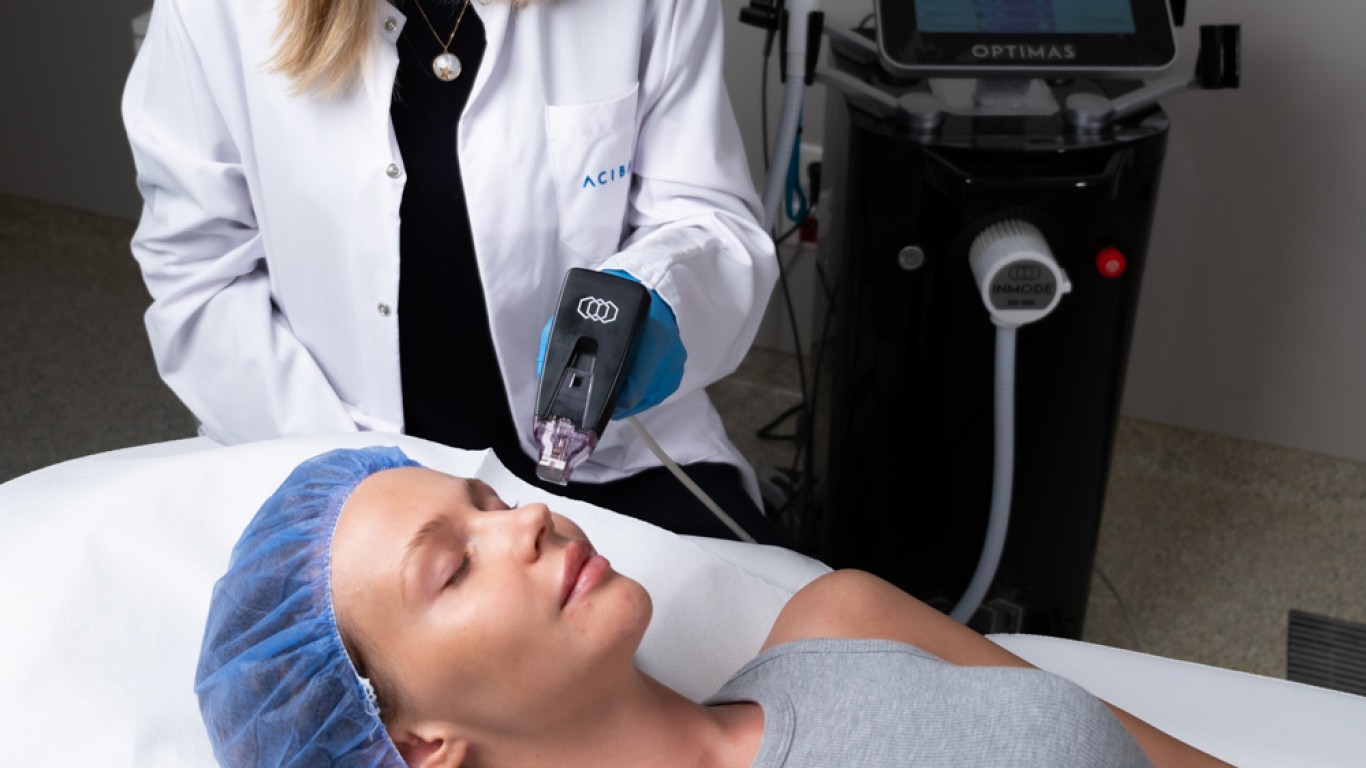
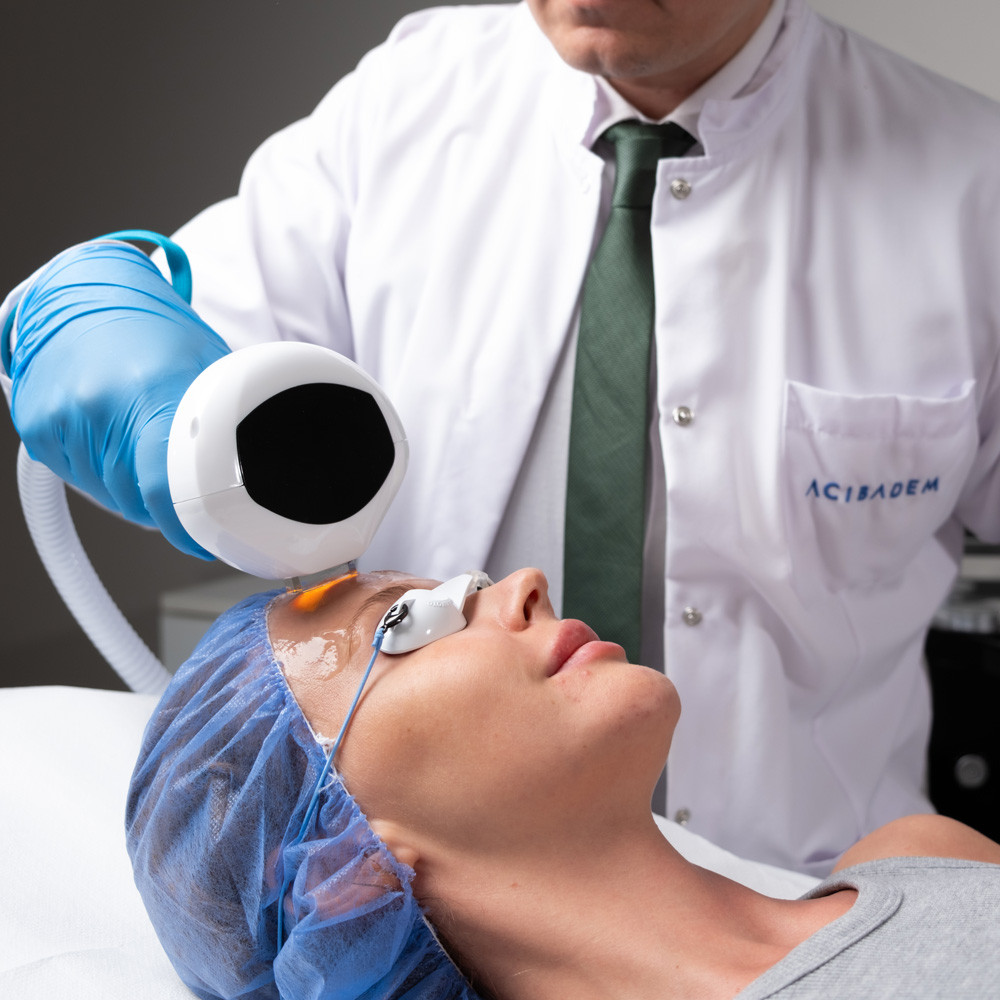
Carbon peeling is a laser-based skin treatment. A carbon solution is applied to the skin surface. Laser energy then targets the carbon particles. This process exfoliates the skin and cleans pores deeply. Carbon peeling improves texture and tone simultaneously. It is commonly chosen for oily or acne-prone skin. The treatment focuses on surface renewal. Skin often looks brighter after sessions.
How Dermapen Improves Acne Scars
Dermapen works by encouraging collagen remodelling. The micro-injuries trigger the body’s repair response. New collagen fills depressed scar areas gradually. This smooths uneven texture over time. Dermapen is particularly effective for rolling scars. Multiple sessions are usually recommended. Improvements appear progressively rather than instantly. Patience supports optimal outcomes.
How Carbon Peeling Improves Acne Scars
Peeling targets the skin’s surface and pores. It removes dead skin cells and debris. This can reduce the appearance of shallow scars. Carbon peeling also helps control excess oil. By refining texture, scars may appear less noticeable. Results are often visible soon after treatment. Carbon peeling suits milder acne scarring. Surface improvement is the primary benefit.
Comparing Depth of Action Between Treatments
One key difference lies in treatment depth. Dermapen works within deeper skin layers. Carbon peeling focuses on the surface. Deeper scars often respond better to collagen stimulation. Shallower scars may improve with exfoliation and resurfacing. Peeling with carbon offers quicker visible brightness. Dermapen offers longer-term structural improvement. Depth of scarring influences which option suits better.
Treatment Frequency and Commitment
Dermapen typically requires a series of sessions. Treatments are spaced to allow healing and collagen formation. Results build gradually across months. Carbon peeling can also involve multiple sessions. However, sessions are often shorter and quicker. Commitment levels differ slightly between the two. Dermapen requires patience for gradual change. Peeling with carbon appeals to those wanting faster refreshment.
Skin Type Considerations for Dermapen and Carbon Peeling
Skin type plays a role in treatment suitability. Dermapen suits many skin types when planned carefully. Carbon peeling is especially popular for oily skin. Acne-prone individuals may benefit from pore-cleansing effects. Sensitive skin requires tailored approaches. Both treatments can be customised. Assessment ensures compatibility with skin characteristics. Personalisation improves results.
Texture Improvement vs Tone Improvement
Dermapen primarily targets texture irregularities. It aims to smooth indentations and unevenness. Peeling with carbon improves both texture and tone. Pigmentation and dullness often respond well. Acne scars may involve both concerns. Some people prioritise smoothness. Others want clearer, brighter skin. Understanding goals helps guide treatment choice.
How Quickly Results Become Noticeable
Carbon peeling often delivers visible brightness quickly. Skin can look refreshed after one session. Dermapen results take longer to appear. Collagen formation occurs gradually. Improvements continue over weeks. Those seeking immediate glow may prefer carbon peeling. Those focused on scar depth may prefer dermapen. Timeline expectations matter greatly.
Combining Dermapen and Carbon Peeling
Some treatment plans combine both approaches. Peeling with carbon can prepare the skin surface. Dermapen then targets deeper scarring. This layered approach addresses multiple concerns. Combination treatments require careful scheduling. Coordination ensures the skin responds well. Many patients benefit from tailored combinations. Balance guides planning decisions.
Why Expertise Matters for Acne Scar Treatments
Treating acne scars requires precise assessment. Incorrect treatment choice may limit improvement. Experienced practitioners evaluate scar type carefully. Technique and depth selection matter greatly. In Turkey, centres like Acibadem focus on advanced skin treatments. Many international patients choose Turkey for this expertise. Personalised planning supports better outcomes. Skill influences consistency.
Carbon Peeling and Dermapen Treatments in Turkey
Turkey has become a leading destination for non-surgical skin treatments. Advanced clinics and experienced practitioners attract global patients. Carbon peeling and Dermapen are widely offered. Acibadem provides integrated skin assessment and care pathways. International standards guide treatment delivery. Patients value precision and expertise. Turkey combines quality with accessibility.
Conclusion
Dermapen and carbon peeling both offer effective solutions for acne scars. The key difference lies in how deeply they work. Dermapen focuses on collagen regeneration for deeper scars. Peeling using carbon refines the surface and improves clarity. Each treatment suits different skin needs and timelines. Understanding these differences helps guide choice confidently. With expert planning, both approaches can support smoother, healthier-looking skin.
For more information and to book a consultation visit the ACIBADEM Beauty Center skin treatments webpage.
Frequently Asked Questions
Peeling with carbon can improve mild acne scars by refining skin texture and tone.
Yes, Dermapen is often preferred for deeper scars due to collagen stimulation.
Yes, combination approaches are sometimes used for comprehensive improvement.
Multiple sessions are commonly recommended for both treatments.
Turkey offers experienced practitioners and advanced care through Acibadem.