Ataşehir Mah. Feza Sk. No:3 İstanbul / Türkiye
 French
  English
  German
  Spanish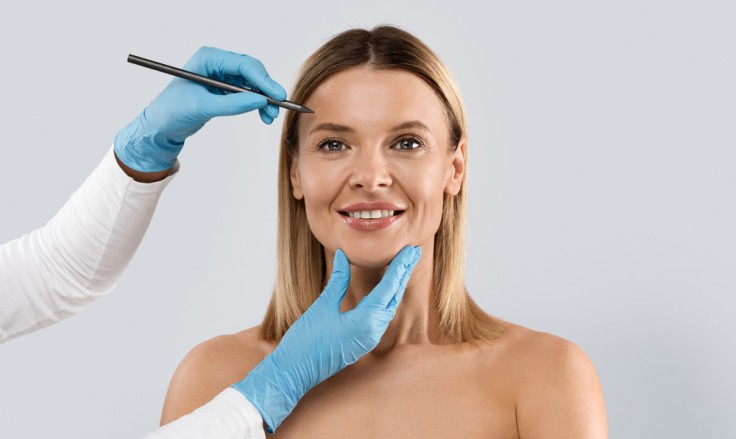
Forehead lines are one of the earliest and most noticeable signs of facial ageing. They often appear gradually, becoming more visible during expression and eventually at rest. Many people notice these lines long before other facial changes develop. Repeated muscle movement, skin ageing and genetics all contribute to their formation. While they are a natural part of expression, deeper lines can create a tired or tense appearance. Today, a wide range of treatments can soften forehead lines effectively. Understanding how these options work helps patients choose approaches that feel natural and balanced.
Why Forehead Lines Develop Over Time
Forehead lines develop primarily due to repeated muscle movement. Every time the eyebrows lift, the skin folds in the same pattern. Over time, the skin loses elasticity and struggles to bounce back. Collagen and elastin production also slows with age. Environmental factors can further accelerate this process. Lines may begin as fine creases before deepening gradually. Genetics also influence how early they appear. These combined factors explain why forehead lines vary between individuals.
Dynamic Lines vs Static Forehead Lines
Not all forehead lines are the same in appearance or behaviour. Dynamic lines appear only during facial movement. Static lines remain visible even when the face is relaxed. Dynamic lines often develop first. Over time, repeated movement can turn them into static lines. Treatment planning depends on which type is present. Forehead lines that are still dynamic often respond more easily. Understanding this distinction helps guide effective treatment choices for patients.
How Muscle Activity Shapes Forehead Lines
The forehead contains strong muscles responsible for raising the eyebrows. These muscles create horizontal creases during expression. Overuse or habitual expressions can deepen these lines. Some people naturally raise their brows more frequently. Stress and concentration can also increase muscle activity. Lines reflect these repeated patterns. Treatments often focus on reducing excessive muscle contraction. Balancing this movement helps soften line formation.
Non-Surgical Treatments
Non-surgical treatments remain popular for smoothing forehead lines. These options focus on relaxing muscles or improving skin quality. Injectable treatments can reduce muscle activity that causes lines. Skin-focused treatments support collagen production. Many patients prefer non-surgical approaches due to convenience. Results are often subtle and controlled. Treatment plans are tailored to individual needs.
Injectable Options for Smoother Forehead Skin
Injectable treatments are commonly used to address forehead lines. They work by relaxing targeted muscles responsible for repetitive folding. This allows the skin to smooth gradually. Careful dosing preserves natural facial movement. Forehead lines appear softer while expression remains intact. Results develop over days rather than instantly. Precision placement is essential for a balanced look.
Skin Quality Treatments That Improve Forehead Lines
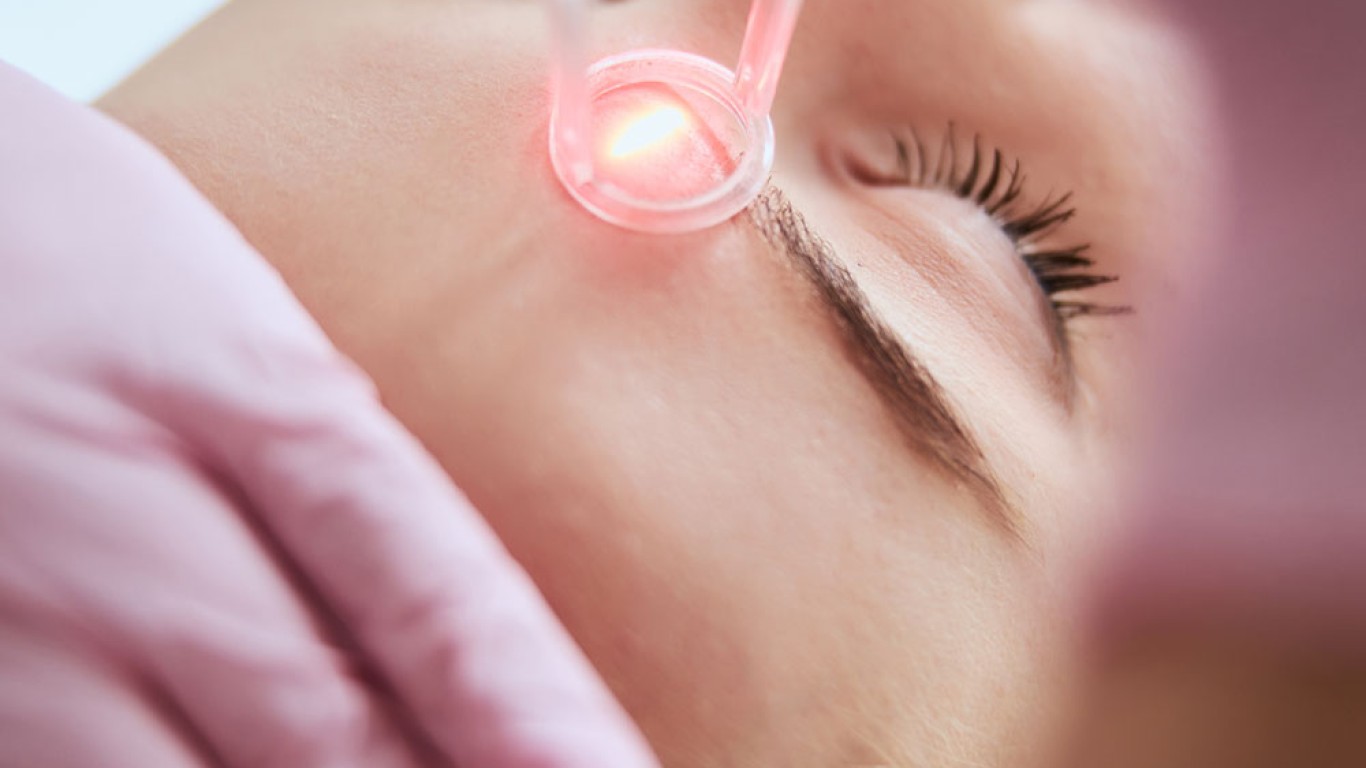
Skin quality plays a major role in how forehead lines appear. Treatments that stimulate collagen can improve texture. Improved hydration and elasticity help reduce line depth. These treatments support the skin rather than muscle activity. Forehead lines may appear less etched as skin quality improves. Results develop gradually over time. Combining skin treatments with injectables can enhance outcomes. Skin health supports long-term smoothing.
Lifestyle Factors That Influence Forehead Lines
Daily habits can influence how quickly lines deepen. Sun exposure accelerates skin ageing significantly. Dehydration can make lines appear more pronounced. Stress may increase muscle tension in the forehead. Sleep quality also affects skin repair processes. Protecting the skin helps slow progression. While lifestyle changes cannot erase forehead lines entirely, they support treatment results.
How Early Treatment Can Slow Line Progression
Addressing lines early can prevent deeper creasing. Treating dynamic lines may stop them becoming static. Early intervention focuses on muscle balance and skin support. This approach often requires less intensive treatment later. Forehead lines respond best before they become deeply set. Prevention and maintenance work together. Many patients prefer this kind of gradual management.
How Long Results for Forehead Lines Typically Last
The longevity of results depends on treatment type. Muscle-relaxing treatments gradually wear off over time. Skin quality treatments build results more slowly. Maintenance sessions help preserve smoothing effects. Lines may gradually return without follow-up. Individual metabolism can also influence the duration. However, consistent care supports more predictable outcomes and long-term planning can enhance satisfaction.
Forehead Line Treatments in Turkey
Turkey has become a leading destination for non-surgical facial treatments. Advanced clinics and experienced practitioners attract global patients. Forehead line treatments are planned using detailed facial analysis. Acibadem offers personalised care pathways for international visitors. International standards guide treatment delivery. Patients value consistency and expertise. Choosing Turkey offers reassurance and quality.
Combining Treatments for Enhanced Forehead Smoothing
Some patients benefit from combining treatment approaches. Muscle relaxation and skin quality treatments can complement each other. This combination addresses both cause and appearance. Forehead lines may soften more evenly as a result. Planning ensures treatments work harmoniously. Combination strategies remain personalised. Balance guides every decision.
Conclusion
Forehead lines develop through a combination of muscle movement, skin ageing and lifestyle factors. Modern treatments offer effective ways to soften these lines while preserving natural expression. Understanding line types and treatment options supports informed decisions. Personalised planning ensures balanced, realistic outcomes. With expert care, forehead lines can appear smoother without looking artificial. A refined approach supports both confidence and facial harmony.
For more information and to book a consultation visit the ACIBADEM Beauty Center Skin Treatments webpage.
Frequently Asked Questions
They develop from repeated muscle movement, skin ageing and reduced elasticity.
Yes, non-surgical treatments are commonly used to smooth lines.
When done correctly, expression remains natural and flexible.
Results usually develop gradually over several days or weeks.
Turkey offers experienced practitioners and advanced care through Acibadem.