Ataşehir Mah. Feza Sk. No:3 İstanbul / Türkiye
 French
  English
  German
  Spanish
Introduction
Many individuals struggle with localised fat deposits that remain resistant to diet and exercise. These stubborn areas often appear around the abdomen, thighs, arms or chin. Even people who maintain active lifestyles may notice that certain areas retain fat despite consistent effort. Modern aesthetic technology now offers targeted solutions designed to address these concerns. Laser fat removal has become a popular option for refining body contour without extensive surgery. The treatment focuses on reducing fat cells in specific areas while preserving surrounding tissue. Patients exploring body contouring often consider this method because it offers precision and gradual improvements. Understanding how the technology works helps individuals determine whether it suits their aesthetic goals and body contour needs.
What Is Laser Fat Removal?
Laser fat removal is a body contouring technique that uses controlled laser energy to target fat cells beneath the skin. The laser energy penetrates the skin and interacts with underlying fat tissue in a controlled manner. This process disrupts the fat cell structure so the body can process the released contents naturally over time. Laser fat removal focuses on treating small, localised areas of fat rather than large-scale weight reduction. The technique aims to refine body shape by reducing fat deposits that resist lifestyle changes. By targeting specific areas, specialists can improve contour while maintaining natural body balance. Many patients appreciate the precision of the technology because it allows treatment to focus only on areas that require refinement.
How Laser Technology Breaks Down Fat Cells
Laser technology produces thermal energy that interacts with fat cells beneath the skin. During treatment, laser fat removal applies controlled heat to the targeted area. The heat disrupts the fat cell membrane and causes the cell contents to be released gradually. Once this occurs, the body’s natural metabolic processes begin to remove the disrupted fat material. This elimination process occurs gradually through the lymphatic system. Surrounding tissues remain largely unaffected because the energy is carefully controlled and directed. This selective approach allows specialists to treat fat deposits with precision while preserving nearby structures. As a result, contour changes occur in a controlled and gradual manner.
Areas Commonly Treated with Laser Fat Removal
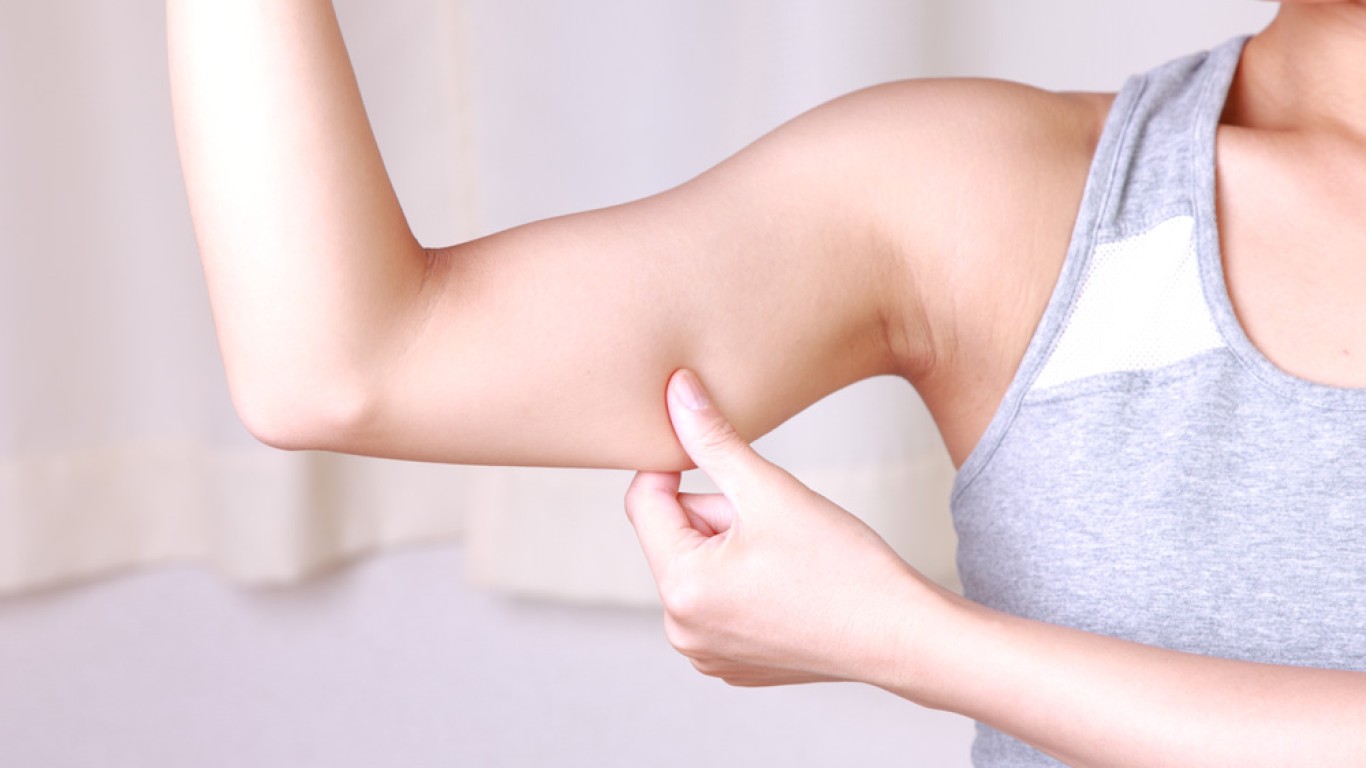
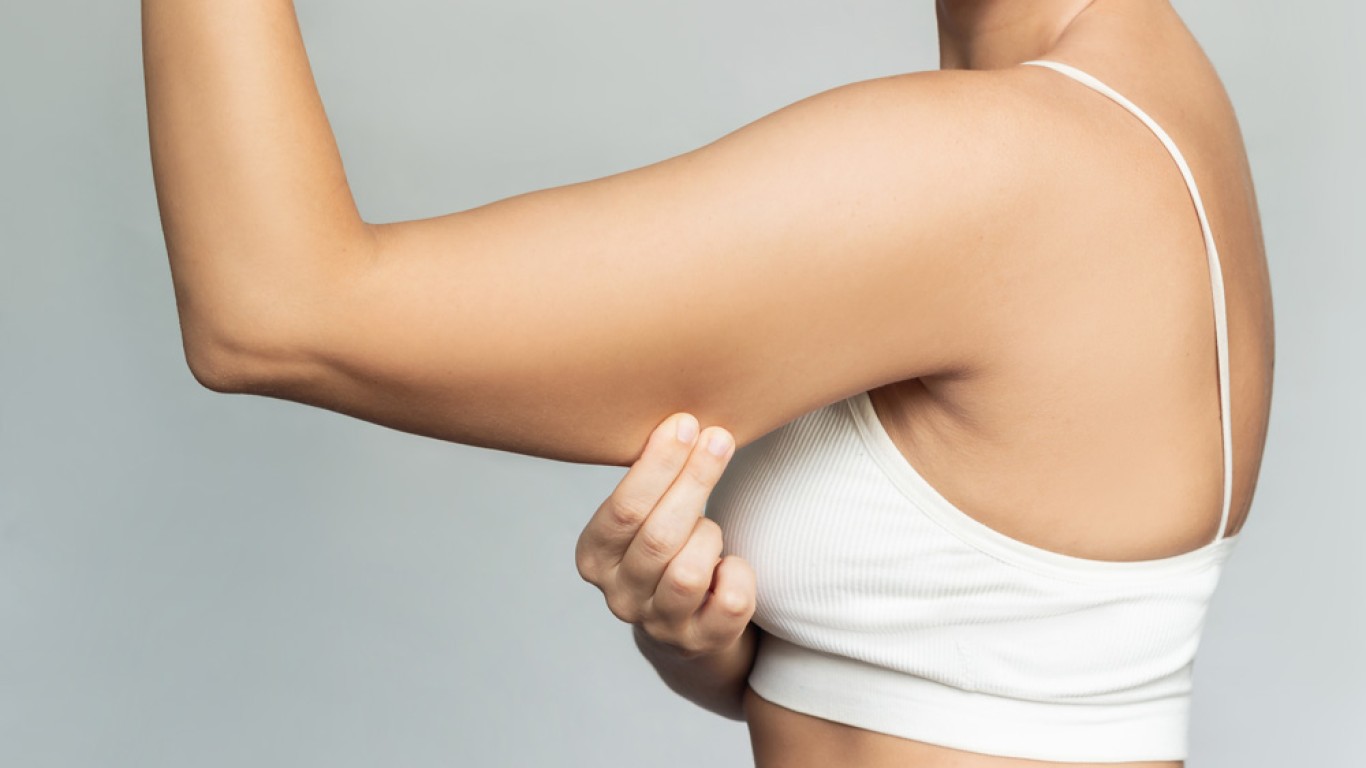
Several areas of the body respond well to targeted contouring treatments. Laser fat removal is commonly used to treat the abdomen, flanks and upper arms. These areas often accumulate stubborn fat that may resist lifestyle changes. The thighs and lower back may also be suitable treatment areas depending on individual anatomy. Smaller regions such as the chin and jawline can benefit from precise fat reduction as well. Specialists evaluate fat distribution and skin quality before recommending treatment. This evaluation helps ensure the chosen area responds effectively to the procedure. Careful treatment planning helps maintain balanced proportions between treated and untreated areas.
The Role of Skin Tightening in Laser Treatments
One advantage of laser fat removal is its potential to stimulate collagen production within the skin. As the laser energy interacts with tissue, it may encourage collagen activity beneath the skin surface. Collagen fibres provide structural support and elasticity for the skin. Increased collagen activity may help the skin adapt to contour changes after fat reduction. This effect can contribute to improved firmness and smoother skin texture over time. For many patients, this additional benefit enhances the overall outcome of treatment. Combining fat reduction with collagen stimulation supports more refined body contours.
What to Expect During the Laser Fat Removal
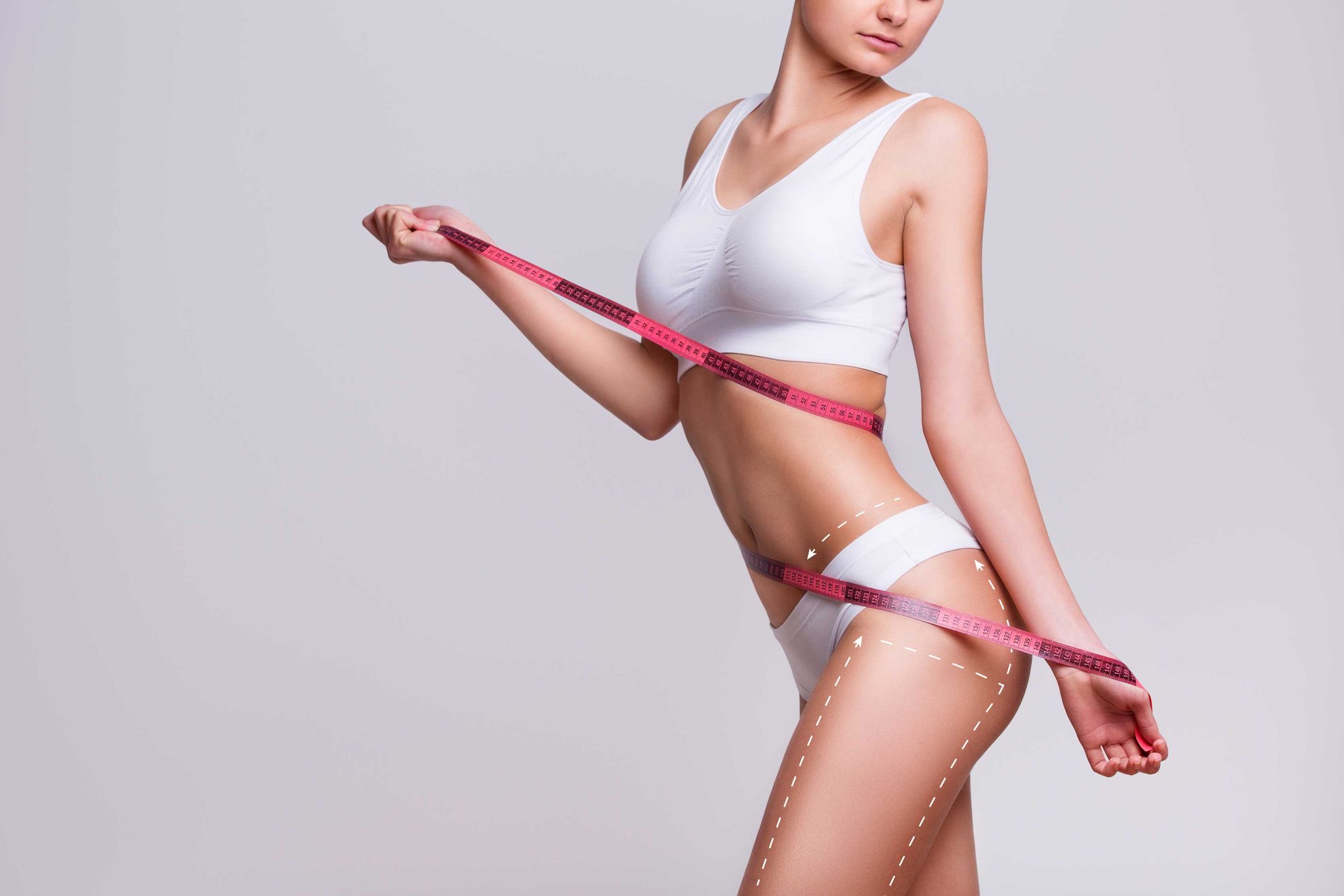
The treatment process begins with a consultation where specialists evaluate the patient’s goals and anatomy. During the procedure, a specialised laser device delivers controlled energy to the targeted area. Laser fat removal sessions are typically designed to treat localised fat deposits with precision. The duration of treatment depends on the size of the treatment area and the number of areas addressed. Many patients appreciate the focused and controlled nature of the procedure. The goal is gradual contour improvement rather than immediate dramatic change. Patients usually remain comfortable throughout the session while the device targets the fat layer beneath the skin.
Recovery and Post-Treatment Changes
Recovery after laser fat removal is usually straightforward for most individuals. Some patients may experience mild warmth or sensitivity in the treated area shortly after the session. These sensations usually improve quickly as the skin settles. As the body processes disrupted fat cells, contour improvements gradually become visible. The body continues adapting during the weeks following treatment. Patients often notice smoother transitions in the treated region as swelling subsides and fat cells are eliminated. Following aftercare recommendations helps support optimal healing and treatment outcomes.
Maintaining Results After Treatment
Maintaining treatment results involves supporting overall health and body balance through consistent habits. Laser fat removal removes targeted fat cells from specific areas. However, remaining fat cells in the body may still expand if weight increases significantly. Balanced nutrition and regular physical activity help maintain stable body composition. Strength training and cardiovascular exercise can support overall body contour and muscle tone. Healthy habits therefore play an important role in preserving treatment results. Consistency in lifestyle routines helps maintain the refined shape achieved through contouring procedures.
Who May Consider Laser Fat Removal
Laser fat removal is often suitable for individuals who have small areas of stubborn fat that persist despite healthy habits. These areas may develop due to genetics, hormonal factors or body fat distribution patterns. Candidates usually maintain stable body weight and realistic expectations about treatment outcomes. Specialists evaluate skin quality and fat distribution during consultation. Patients seeking subtle contour improvements often consider this approach. The treatment is designed to complement existing body proportions rather than dramatically alter them. Careful evaluation ensures that the treatment aligns with each patient’s goals.
Advantages of Targeted Fat Reduction Technology
Modern contouring technologies allow specialists to treat specific areas with increasing precision. Laser fat removal focuses on localised fat reduction while preserving surrounding structures. This targeted approach supports smoother and more balanced body contours. Many individuals appreciate treatments that refine body shape gradually and naturally. Improved contour can enhance how clothing fits and how individuals feel about their appearance. As aesthetic technology continues to evolve, precision-based fat reduction methods are becoming increasingly refined. These innovations expand the treatment options available for individuals seeking subtle body contour improvements.
Understanding Fat Cell Reduction in Targeted Treatments
Targeted body contouring treatments focus on reducing fat cells in specific areas rather than affecting the entire body. These procedures are designed to refine areas where fat tends to accumulate despite healthy lifestyle habits. By concentrating energy on precise locations, specialists can reshape small pockets of tissue without affecting surrounding structures. The body gradually processes the disrupted fat cells through natural metabolic pathways. This gradual process allows contour changes to develop smoothly over time. Precision-based approaches help ensure that surrounding tissues remain unaffected while the treated area becomes more refined.
Combining Contouring with Healthy Lifestyle Habits
Lifestyle habits continue to play an important role in maintaining body shape after contouring treatments. Balanced nutrition helps stabilise body weight and supports healthy metabolism. Regular exercise also contributes to improved muscle tone beneath the skin. Activities such as resistance training or cardiovascular exercise can enhance overall body definition. When these habits support contouring treatments, results often remain visible for longer periods. Patients frequently find that improved contour motivates them to maintain healthy routines. This combination of treatment and lifestyle can help preserve balanced body proportions.
Gradual Contour Improvement Over Time
One of the advantages of modern contouring technology is the gradual nature of the results. Instead of sudden dramatic change, the body adapts progressively as fat cells are processed. This gradual improvement allows the treated area to blend naturally with surrounding body contours. As the body continues to metabolise the treated fat, the area becomes smoother and more proportionate.
Conclusion
Laser fat removal offers a targeted approach to reducing stubborn fat deposits in specific body areas. The technology focuses on localised fat reduction while preserving surrounding tissue. Many patients choose this method to refine body contour and improve overall proportion. Careful planning ensures the treatment complements natural body balance. Maintaining healthy lifestyle habits helps preserve the improvements achieved through treatment.
For more information and to book a consultation visit the ACIBADEM Beauty Center Liposuction webpage.
Frequently Asked Questions
It is a contouring treatment that uses laser energy to target and disrupt fat cells.
Common areas include the abdomen, thighs, arms and chin.
No, it is designed for reducing small, localised fat deposits.
Contour improvements develop gradually as the body processes treated fat cells.
Individuals with localised fat and stable body weight often benefit from this procedure.