Ataşehir Mah. Feza Sk. No:3 İstanbul / Türkiye
 French
  English
  German
  Spanish
Introduction
Many people maintain healthy diets and regular exercise routines yet still struggle with isolated pockets of fat. These stubborn areas often resist lifestyle efforts because they are influenced by genetics and body composition. Fat removal treatments are designed to address these specific zones with precision. Rather than focusing on overall weight loss, reduction targets localised deposits to improve contour and proportion. Understanding how different techniques work helps patients choose the most suitable approach.
Why Some Areas Resist Diet and Exercise
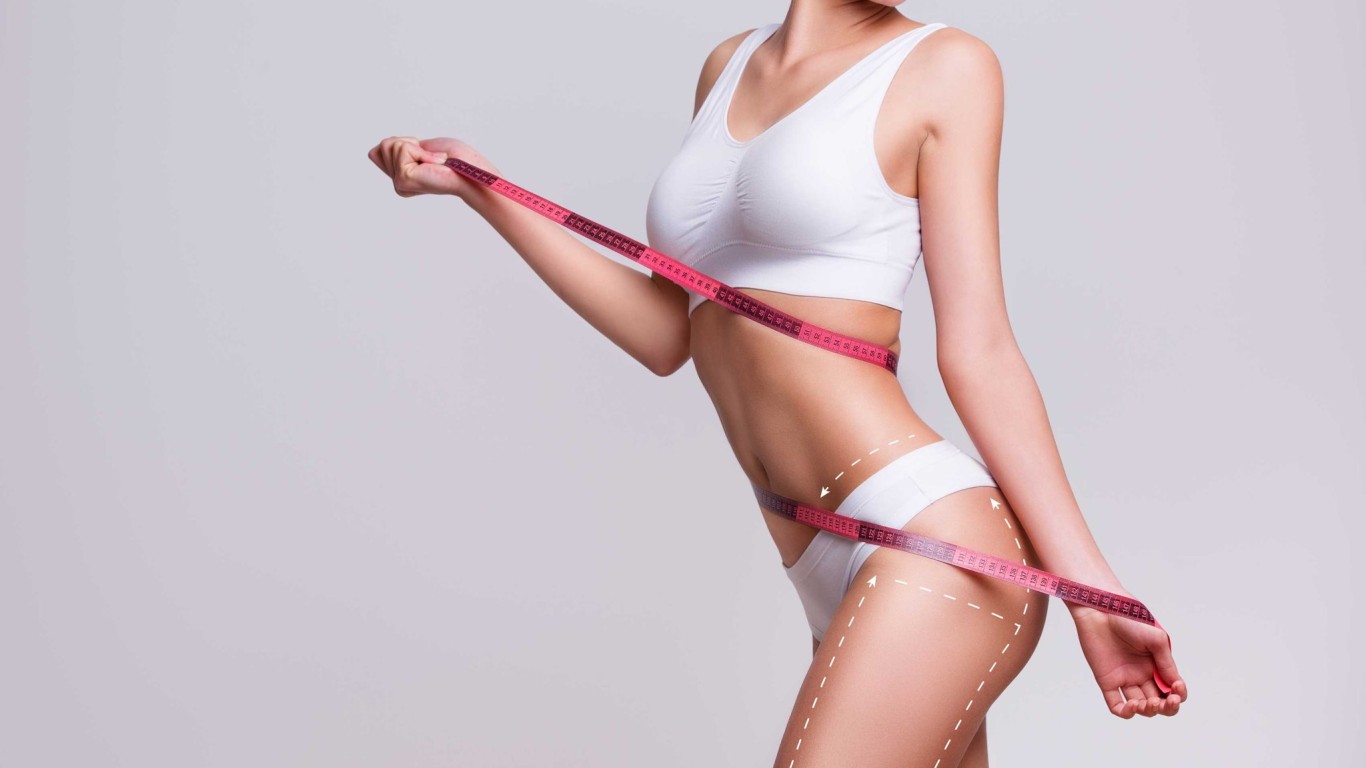
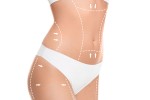
Certain parts of the body are predisposed to store fat. Common areas include the abdomen, flanks, thighs and under the chin. Hormones and genetic patterns influence how fat cells accumulate and release stored energy. Even when overall weight decreases, these zones may remain relatively unchanged. Fat removal treatments focus on these resistant pockets directly. By targeting fat cells in a controlled way, contour becomes more refined. This approach complements lifestyle efforts rather than replacing them.
Surgical Fat Removal: Liposuction Explained
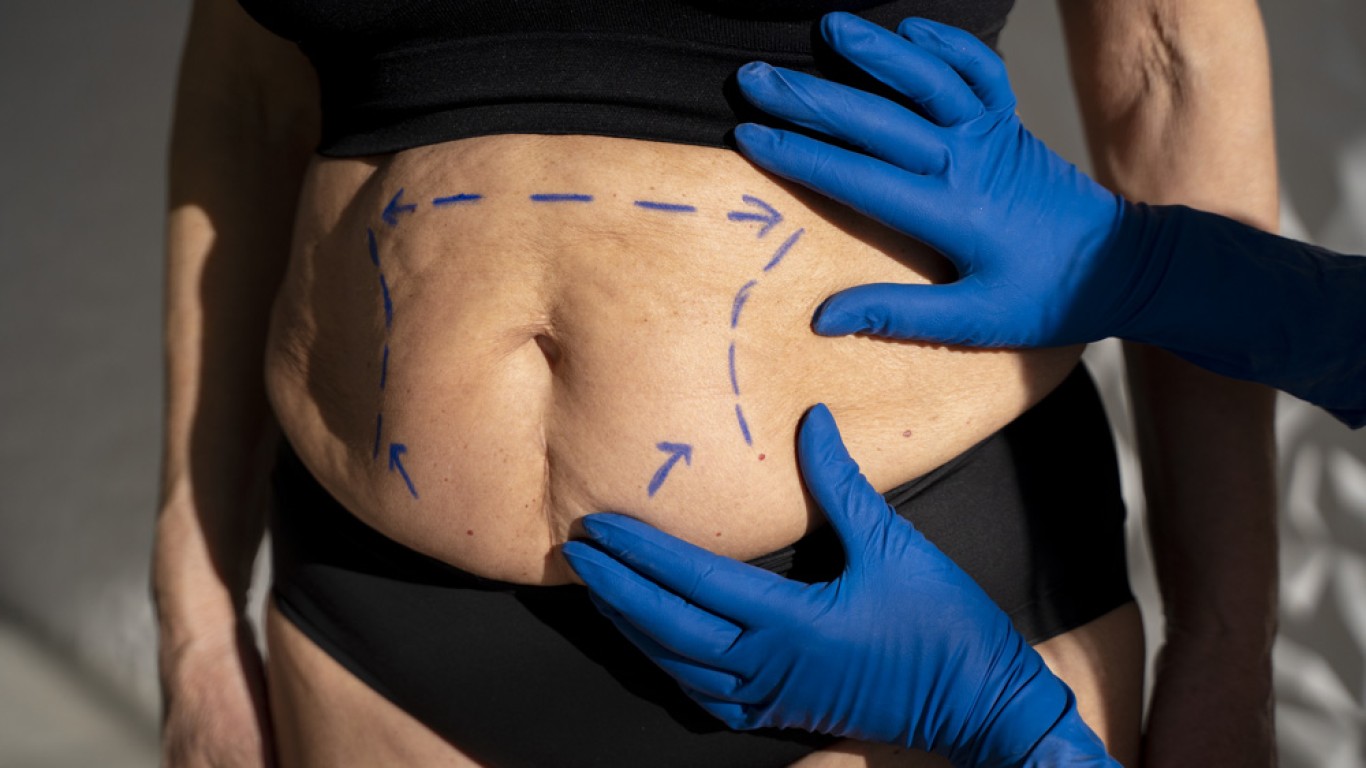
Liposuction remains one of the most established fat reduction procedures. During surgery, small incisions allow insertion of a thin cannula. Fat is loosened and suctioned from beneath the skin. Modern liposuction techniques use refined methods that preserve surrounding tissue. The aim is smooth contour rather than aggressive volume extraction. Fat removal through liposuction can treat larger areas effectively. Results become visible as swelling subsides and the body settles into its new shape.
Non Surgical Fat Removal Options
For patients seeking less invasive alternatives, non surgical fat removal treatments are available. These techniques use technologies such as controlled cooling, radiofrequency or ultrasound energy. Each method disrupts fat cells without incisions. Over time, the body naturally processes the treated cells. Non surgical fat removal is typically suited for mild to moderate pockets. The improvement develops gradually across several weeks. Many patients appreciate the minimal downtime associated with these options.
How Cryolipolysis Targets Fat Cells
Cryolipolysis uses controlled cooling to affect fat cells selectively. Fat tissue is more sensitive to cold than surrounding structures. When exposed to precise temperatures, fat cells crystallise and gradually break down. The body then metabolises these cells naturally. Cryolipolysis is a popular non surgical fat removal technique for areas such as the abdomen and flanks. The treatment does not damage skin or muscle when performed correctly. Visible changes appear progressively.
Radiofrequency and Ultrasound Based Fat Removal
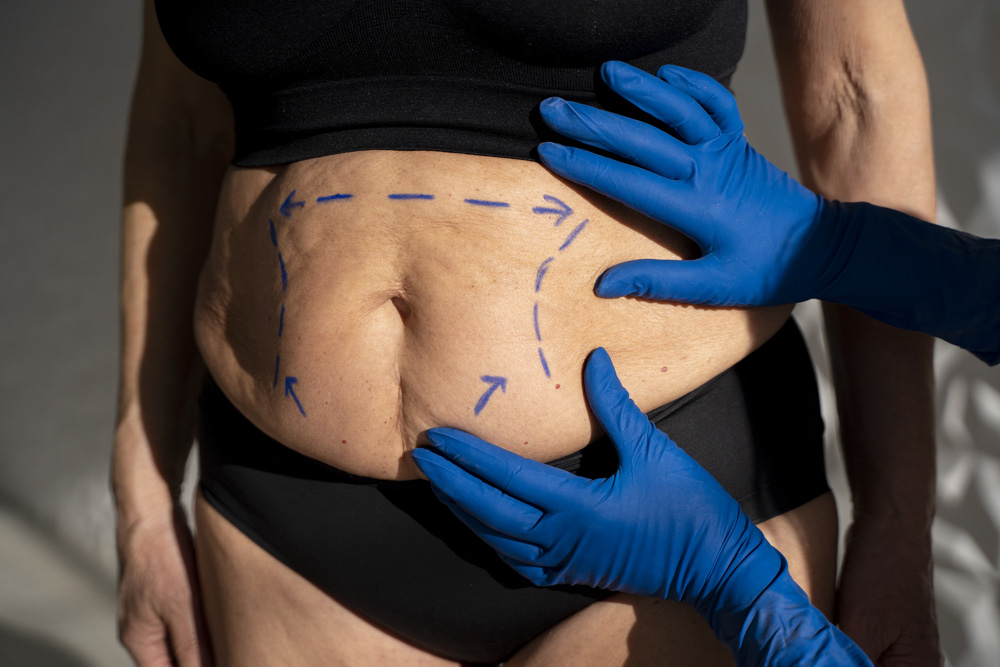
Radiofrequency and ultrasound technologies use heat or sound energy to disrupt fat cells. These methods penetrate beneath the skin while protecting surface layers. Energy based fat removal treatments can also stimulate collagen production. This may improve skin firmness in treated areas. Patients often choose these techniques when mild tightening is desired alongside contour reduction. Sessions are typically short, and recovery is minimal.
Fat Removal for the Chin and Neck
Submental fullness beneath the chin can affect profile definition. Fat reduction in this area may involve liposuction or injectable treatments. Precision is essential because the region is small and highly visible. Surgical fat reduction offers immediate contour change. Non surgical approaches gradually refine the jawline. Improved definition often enhances facial balance significantly.
Fat Removal for Abdominal and Flank Contouring
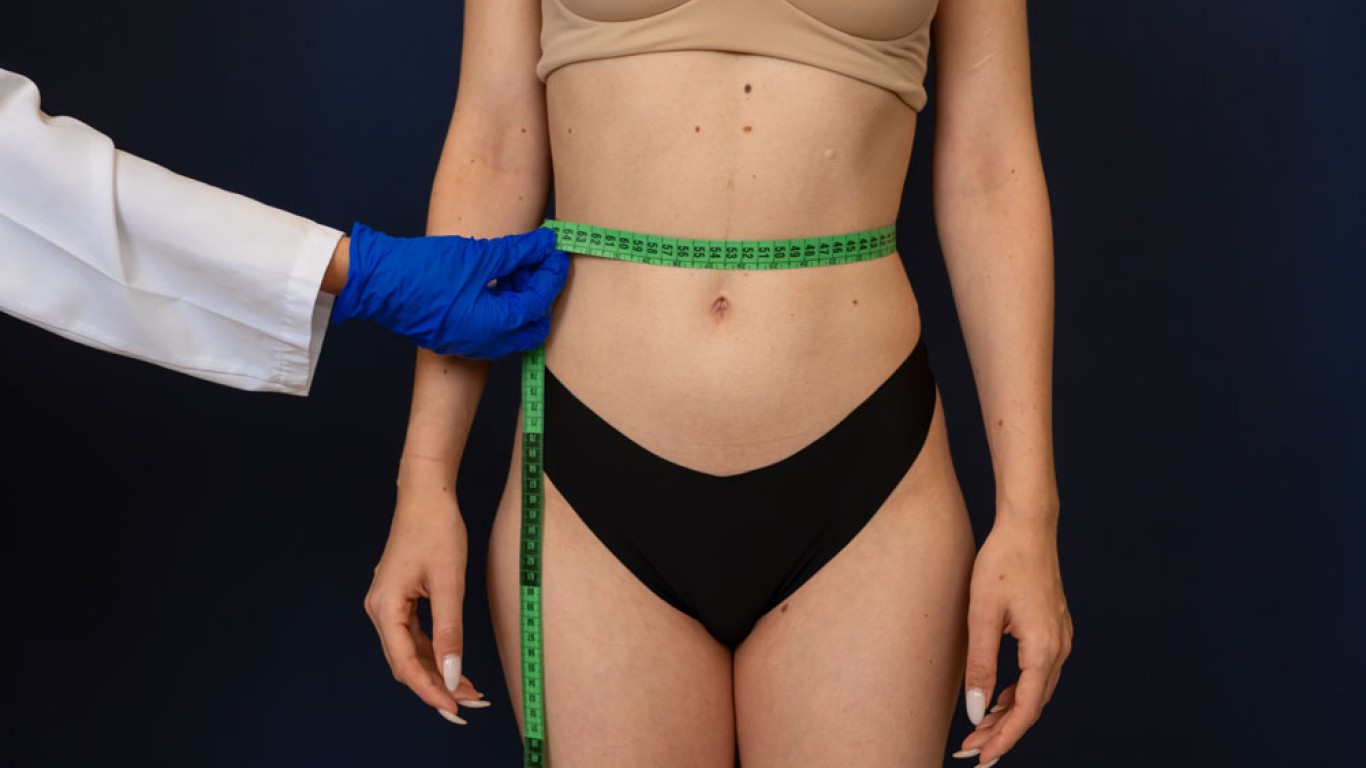
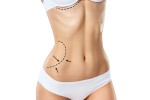
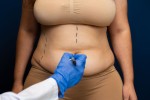
The abdomen is one of the most common areas for fat removal. Pockets around the waistline can persist despite weight management. Liposuction can reshape the abdominal contour by removing targeted deposits. Non surgical fat reduction may suit patients with smaller accumulations. Both approaches aim to enhance proportion and silhouette rather than achieve dramatic weight reduction.
Thigh and Hip Fat Removal
Inner and outer thighs frequently store resistant fat. Fat reduction in these areas can improve leg contour and clothing fit. Surgical techniques provide precise reshaping for larger deposits. Non surgical methods may be appropriate for mild refinement. Careful planning ensures that transitions between treated and untreated areas remain smooth.
Recovery and Result Timeline
Recovery varies depending on the chosen technique. Surgical fat reduction typically involves short term swelling and compression garment use. Non surgical treatments require little to no downtime. Final results develop gradually. The body continues refining shape as tissues settle. Maintaining stable weight supports long term contour consistency.
Why Many Patients Choose Turkey for Treatment
Turkey has become a recognised destination for body contouring procedures. Advanced technologies and structured consultation processes support personalised planning. Fat removal treatments in Turkey often combine surgical precision with aesthetic evaluation. Patients value the emphasis on proportion and natural shaping. Tailored care contributes to predictable and refined outcomes.
Understanding Fat Cell Biology and Reduction Methods
To understand how body contouring treatments work, it helps to consider fat cell biology. The body stores energy in specialised cells called adipocytes. These cells expand when storing excess energy and shrink when energy is used. However, in certain areas, the number of fat cells remains relatively stable even after weight loss. Targeted contouring procedures aim to either remove these cells physically or damage them so the body can eliminate them gradually. Once eliminated, these specific cells do not regenerate. This is why treated areas can maintain improved shape long term, provided overall weight remains stable.
Customising Treatment Based on Body Composition
Not all patients have the same tissue characteristics. Some individuals have thicker skin and denser tissue, while others present with softer fat and looser skin. Treatment planning takes these differences into account. A person with firm skin and moderate subcutaneous fat may respond well to non invasive technology. In contrast, someone with larger, more fibrous deposits may benefit more from surgical contouring. Tailoring the approach ensures smoother transitions and more natural silhouettes.
Combining Contouring With Skin Tightening Technologies
In many cases, reducing volume alone is not sufficient. When underlying tissue decreases, skin must adapt to the new contour. Some modern technologies stimulate collagen production while targeting fat layers. This dual effect can enhance firmness and texture over time. Radiofrequency and ultrasound systems, for example, are designed to encourage gradual tightening as the body processes disrupted cells. For patients concerned about mild laxity, combining reduction with tightening improves overall aesthetic harmony.
Treating Smaller, Hard to Reach Areas
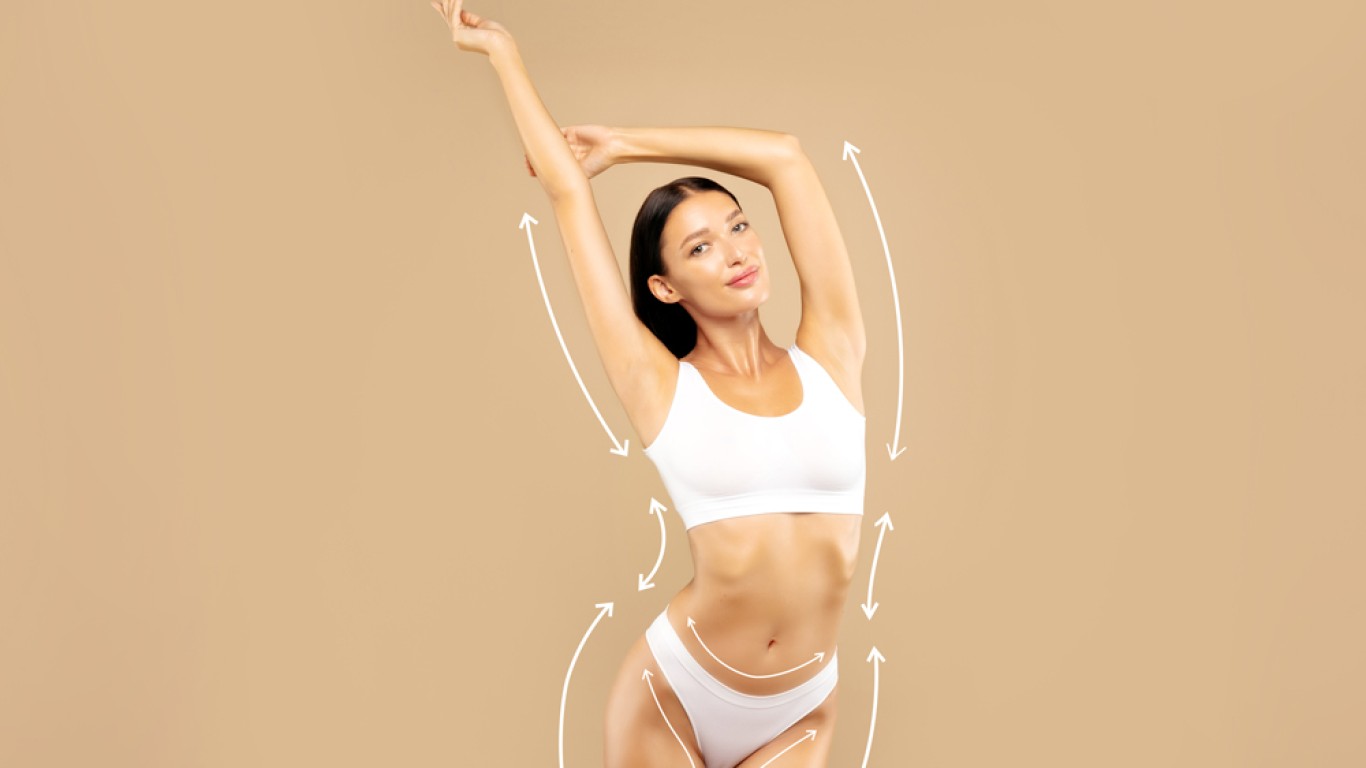
Body contouring is not limited to large zones such as the abdomen. Smaller areas often cause equal concern. Regions such as the upper arms, bra line, knees and lower back may retain localised deposits. Advanced applicators and refined surgical instruments now allow more precise targeting. Small cannulas and specialised devices help reshape delicate zones without creating irregularity. Treating these subtle areas can significantly enhance clothing fit and overall body balance. Precision is particularly important where contour changes are highly visible
The Role of Lifestyle in Maintaining Results
Although targeted treatments remove specific fat cells, the body continues to respond to overall calorie balance. Remaining fat cells can enlarge if weight increases significantly. For this reason, maintaining a stable lifestyle is crucial. Balanced nutrition and regular activity support long term contour preservation. These procedures are best viewed as refinement tools rather than substitutes for healthy habits. When lifestyle remains consistent, treated areas typically retain improved proportion for years..
Evolving Technologies in Body Contouring
Technology continues to advance rapidly in aesthetic medicine. Devices are becoming more selective, efficient and comfortable. Modern systems are designed to target fat tissue while protecting surrounding structures. Future developments are expected to improve precision further and shorten treatment times. As research evolves, combination therapies may become even more refined. Patients today benefit from a broader range of options than ever before, allowing contour solutions to be customised more accurately than in previous decades.
Conclusion
Fat removal treatments are designed to address stubborn areas that resist diet and exercise. Whether surgical or non surgical, each method targets fat cells in a controlled manner. The goal is contour improvement rather than general weight loss. Careful assessment ensures that treatment aligns with anatomy and expectations. With modern techniques and personalised planning, fat reduction can enhance proportion and restore confidence in body shape.
For more information and to book a consultation visit the ACIBADEM Beauty Center.
Frequently Asked Questions
No it is not the same, fat removal targets localised pockets rather than overall body weight.
Surgical results appear as swelling settles, while non surgical changes develop gradually.
Removed fat cells do not return, but maintaining stable weight is important.
Some energy based treatments may improve firmness, but not significantly tighten excess skin.
Common areas include the abdomen, flanks, thighs and under the chin.