Ataşehir Mah. Feza Sk. No:3 İstanbul / Türkiye
 French
  English
  German
  Spanish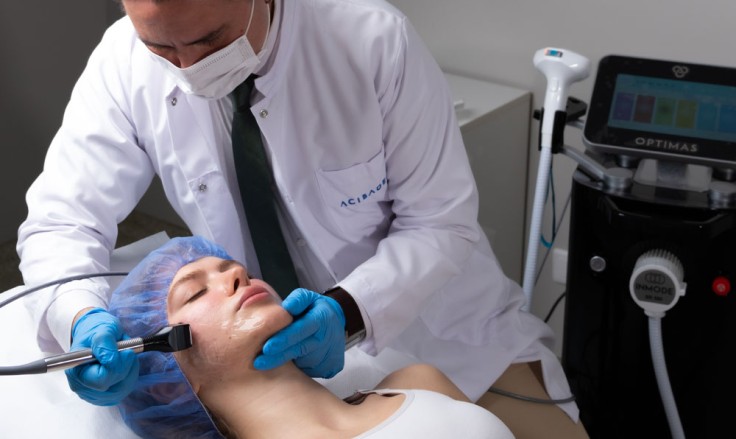
Introduction
Skin texture concerns affect confidence and overall appearance at any age. Accordingly, many people seek effective solutions that avoid surgery. Laser skin treatments have become a popular option for texture refinement and rejuvenation. These treatments focus on improving skin quality rather than altering facial structure. Consequently, they appeal to those who seek gradual, natural improvement. Advances in technology have expanded treatment possibilities significantly. This article explains how laser based treatments work, what concerns they address, and how they support long term skin rejuvenation.
What Are Laser Skin Treatments
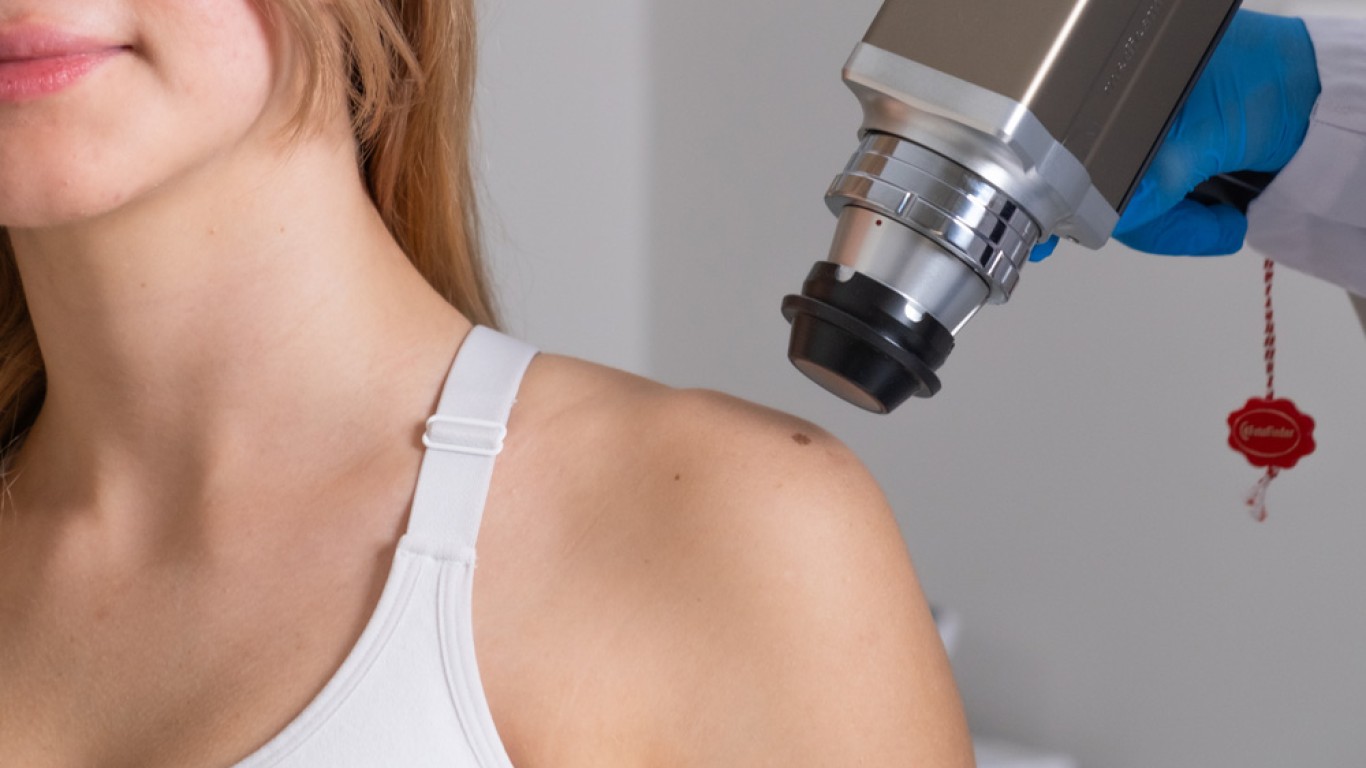
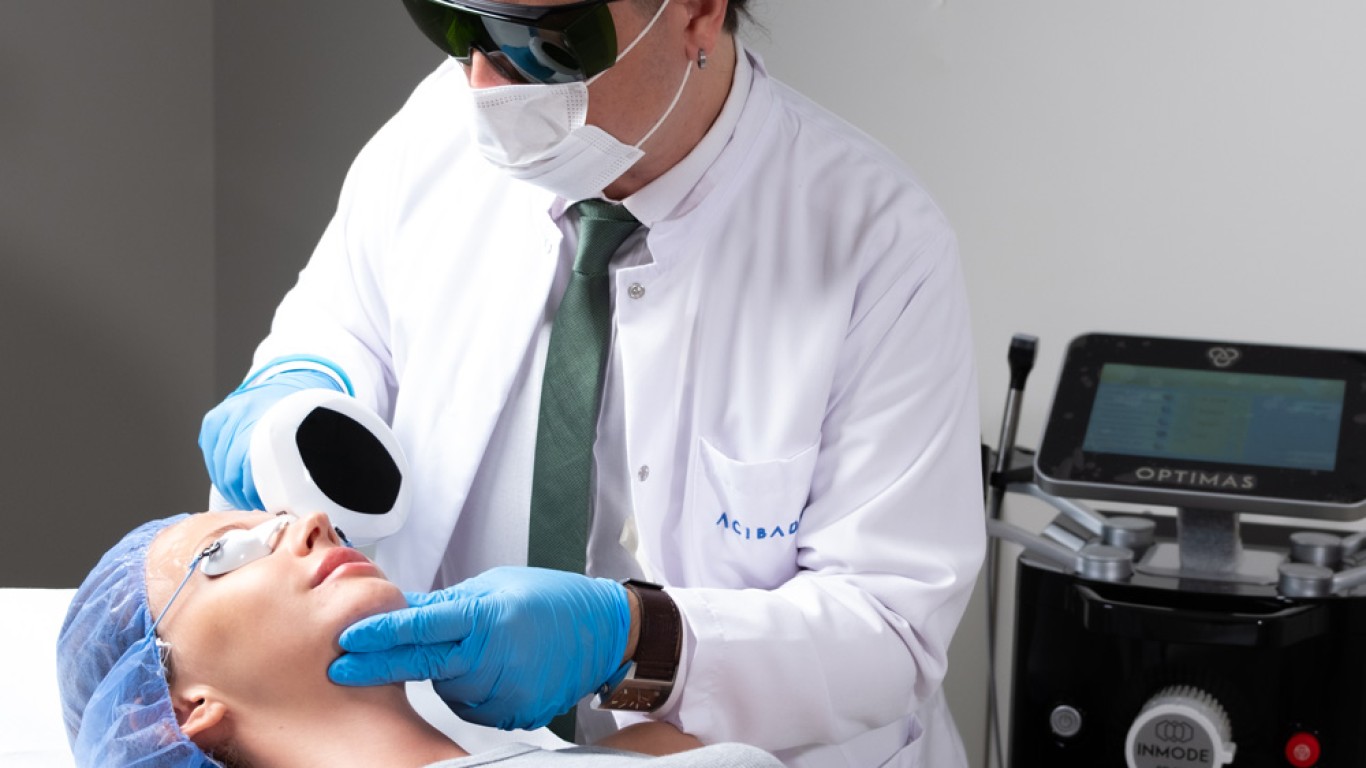
Laser skin treatments use focused light energy to target specific skin layers. The energy stimulates controlled skin renewal processes. Depending on the device, lasers may resurface the skin or stimulate collagen production. Treatments are designed to improve texture, tone, and clarity. Precision allows targeted treatment without affecting surrounding tissue unnecessarily. Different laser types suit different skin concerns. Understanding this foundation helps patients choose appropriate options.
How Lasers Improve Skin Texture
Lasers improve texture by encouraging skin regeneration. Light energy triggers collagen and elastin production. Old or damaged skin cells are gradually replaced. This process smooths rough areas and refines pores. Over time, the skin surface becomes more even. Texture changes develop progressively rather than instantly. Consistency and appropriate spacing between sessions support optimal improvement.
Skin Concerns Addressed by Laser Treatments
Laser skin treatments address a wide range of texture related concerns. These include roughness, enlarged pores, fine lines, and uneven surface tone. Some lasers also improve mild scarring. Texture irregularities caused by sun exposure often respond well. Treatment selection depends on skin type and concern severity. Comprehensive assessment ensures appropriate targeting of concerns.
Laser Rejuvenation Versus Resurfacing
Rejuvenation and resurfacing represent two different laser approaches. Rejuvenation focuses on stimulating collagen beneath the skin surface. Resurfacing removes outer skin layers to reveal smoother skin beneath. Rejuvenation usually involves minimal downtime, but resurfacing may require longer recovery periods. Both approaches will improve texture but differ in intensity. Choosing between them depends on goals and tolerance for downtime.
Fractional Laser Technology Explained
Fractional lasers treat the skin in microscopic zones. Untreated areas between zones support faster healing. This method balances effectiveness with recovery time. Fractional technology improves texture without full surface removal. It is widely used for rejuvenation purposes. Fractional approaches suit many skin types. This versatility has increased their popularity significantly.
Non Ablative Laser Skin Treatments
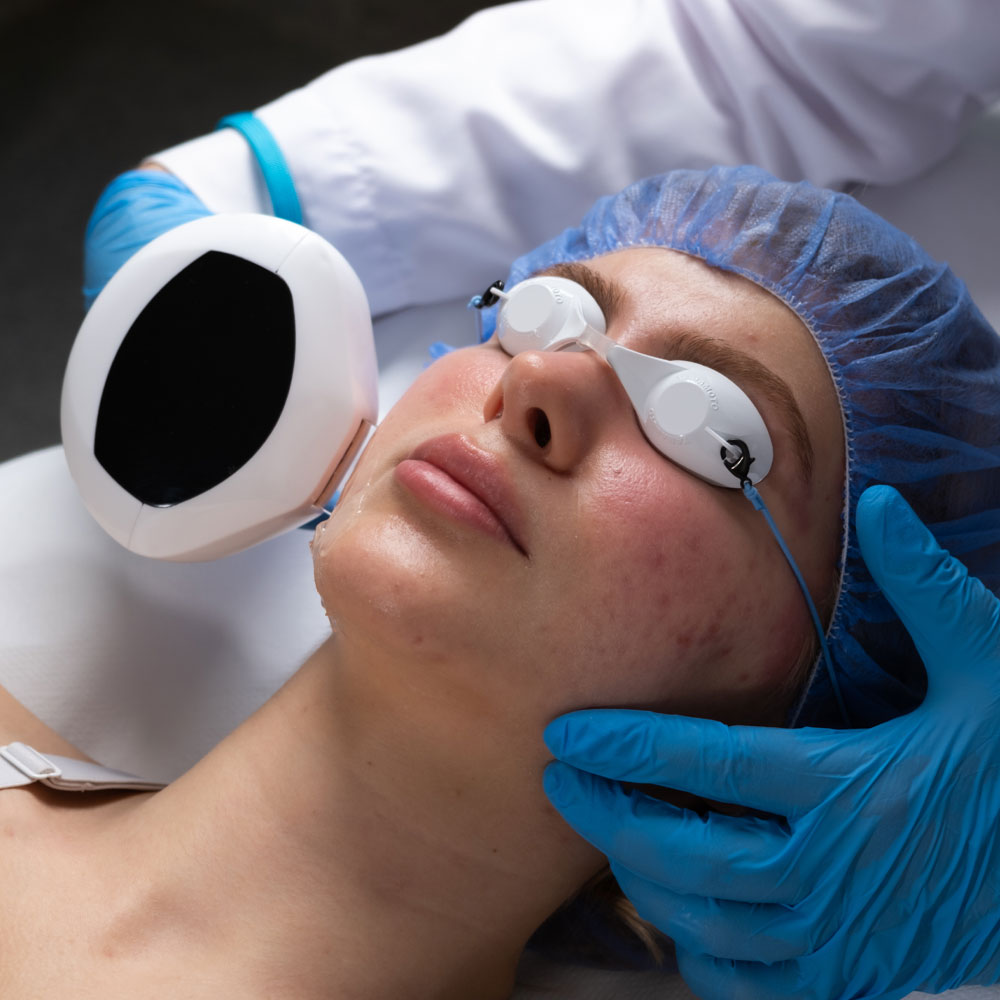
Non ablative lasers work beneath the skin surface. They do not remove the outer skin layer. These treatments stimulate collagen gently over time. Downtime is usually minimal. Non ablative options suit early texture concerns. Multiple sessions are often recommended. Gradual improvement supports natural looking results.
Ablative Laser Treatments and Texture Change
Ablative lasers remove controlled layers of skin. This encourages more dramatic surface renewal. Texture improvement can be more noticeable. However, recovery time is longer. Careful patient selection is essential. Ablative options suit more pronounced texture irregularities. Specialist guidance ensures safe and effective use.
The Importance of Skin Assessment
Proper assessment is essential before treatment. Specialists evaluate skin type, tone, and texture issues. Medical history and lifestyle factors are considered. Assessment determines laser type and settings. Personalised planning improves safety and outcomes. This step prevents inappropriate treatment selection. Consultation forms the foundation of successful rejuvenation.
Treatment Experience and Comfort
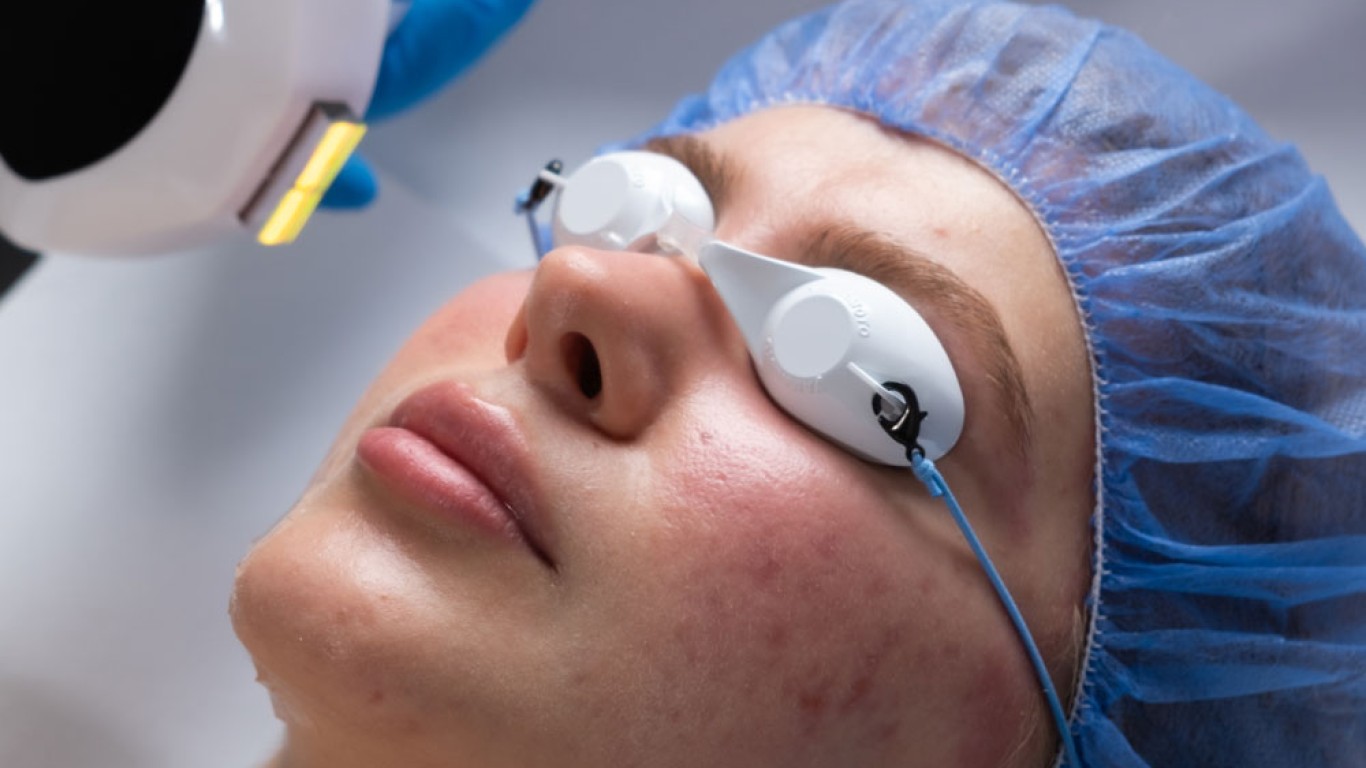
Laser skin treatments are generally well tolerated. Sensation varies depending on laser type and intensity. Cooling systems improve comfort during sessions. Treatment duration depends on the area treated. Most sessions are completed relatively quickly. Comfort management contributes to positive patient experience. Clear explanation helps reduce anxiety.
How Many Sessions Are Usually Needed
Most texture refinement treatments require multiple sessions. Sessions are spaced to allow skin recovery. Gradual improvement occurs between treatments. The number of sessions depends on concern severity. Maintenance treatments may be recommended. Planning sessions appropriately supports consistent results. Patience plays an important role in outcome satisfaction.
Results Timeline and Expectations
Results from laser skin treatments develop over time. Initial improvement may appear after the first session. Collagen production continues for several weeks. Texture refinement becomes more noticeable gradually. Final results may take months to fully develop. Understanding timelines prevents unrealistic expectations. Gradual change contributes to natural appearance.
Combining Laser Treatments With Skincare
Skin care enhances the effects of laser rejuvenation. Proper hydration supports skin repair. Active ingredients can complement collagen stimulation. Specialists often recommend tailored routines. Skincare supports maintenance between sessions. Combined approaches improve overall skin quality. Coordination ensures treatments work synergistically.
Lifestyle Factors Affecting Laser Skin Treatments Results
Lifestyle habits influence skin rejuvenation outcomes. Sun exposure affects collagen integrity. Smoking may slow skin repair. Hydration supports skin elasticity. Nutrition contributes to tissue health. Managing these factors improves treatment longevity. Lifestyle awareness enhances the value of laser skin treatments.
Consistent skincare habits between sessions help preserve collagen stimulation, enhance texture refinement, and support more even, longer lasting rejuvenation outcomes over time.
Suitability for Different Skin Types
Skin type influences laser selection significantly. Certain lasers suit lighter skin tones better. Advances have expanded options for darker skin types. Specialist expertise ensures safe settings. Customisation prevents pigment disruption. Proper selection improves safety and results. Suitability assessment remains essential.
Laser Treatments for Age Related Texture Changes
Ageing affects skin texture gradually. Collagen production decreases over time. Laser stimulation helps counteract this process. Treatments support smoother, firmer skin. Age appropriate planning ensures realistic outcomes. Laser rejuvenation adapts across different life stages. Prevention and correction work together.
Laser Treatments for Sun Damaged Skin
Sun exposure often causes texture irregularities. Laser skin treatments can improve sun related roughness. Controlled energy encourages repair of damaged tissue. Rejuvenation supports a more even skin surface. Remember, prevention remains important alongside treatment - ongoing sun protection preserves results.
Managing Downtime and Recovery
Recovery time varies by treatment type. Non ablative options involve minimal disruption. Ablative treatments require planned downtime. Specialists provide detailed aftercare guidance. Following instructions supports smooth healing. Planning recovery improves overall experience. Understanding downtime helps with scheduling.
Safety Considerations and Professional Expertise
Professional expertise is essential for safe laser use. Incorrect settings may affect skin quality. Experienced practitioners understand skin response. Modern devices include safety features. Proper training reduces risk. Choosing reputable clinics supports positive outcomes.
Long Term Planning for Skin Texture
Texture refinement works best with long term planning. Skin continues to age naturally. Periodic treatments maintain results. Maintenance sessions support collagen levels. Long term strategies prevent sudden correction needs. Consistency supports sustained rejuvenation.
Laser Skin Treatments in Turkey
Turkey has become a destination for aesthetic treatments. Clinics offer modern laser technology and experienced specialists. Patients benefit from comprehensive consultation models. High treatment volumes support refined expertise. International interest continues to grow. Structured care pathways support consistent outcomes.
Psychological Benefits of Improved Skin Texture
Improved texture often affects confidence positively. Skin may appear healthier and more vibrant. Makeup application becomes easier. Patients often feel more comfortable without coverage. Subtle changes influence self perception. Emotional benefits contribute to overall satisfaction.
Managing Expectations With Laser Treatments
Realistic expectations improve satisfaction. Laser skin treatments refine texture rather than create perfection. Results develop gradually. Maintenance remains part of the process. Education supports informed decisions. Understanding limitations prevents disappointment.
Advances in Laser Technology
Laser technology continues evolving rapidly. Devices offer better precision and comfort. Treatment predictability has improved. New wavelengths expand suitability. These advances enhance rejuvenation outcomes. Innovation supports broader treatment options.
How Seasonal Changes Influence Laser Treatment Planning
Seasonal changes play an important role in laser treatment planning and outcomes. Skin exposure to sunlight typically increases during warmer months. Increased sun exposure can affect skin sensitivity and pigment response. For this reason, specialists often adjust treatment timing and settings seasonally. Cooler months may suit more intensive texture refinement approaches. Summer treatments usually focus on gentler rejuvenation methods.
Seasonal skincare routines also support recovery and results. Understanding how seasons influence skin behaviour helps optimise treatment effectiveness. Patients who plan treatments around environmental factors often experience smoother healing. Thoughtful seasonal planning supports long term texture improvement while protecting overall skin health.
Conclusion
Laser skin treatments offer effective solutions for texture refinement and rejuvenation. They improve skin quality through controlled stimulation and renewal. Different laser types suit different concerns. Proper assessment ensures safe and personalised planning. Gradual improvement supports natural looking results. Long term strategies enhance outcome durability.
For more information and to book a consultation visit the ACIBADEM Beauty Center Laser Treatments webpage.
Frequently Asked Questions
They improve texture, tone, and overall skin quality.
Results develop gradually as collagen production increases.
Most patients require multiple sessions for optimal results.
Downtime depends on the type of laser used.
With proper assessment, many skin types can be treated safely.