Ataşehir Mah. Feza Sk. No:3 İstanbul / Türkiye
 French
  English
  German
  Spanish
Introduction
Gastric sleeve surgery produces dramatic weight reduction in the first one to two years following the procedure. However, many patients want to understand what happens in the longer term. Life gastric sleeve 10 years later is a topic that interests both prospective and existing bariatric patients. Understanding the long-term trajectory helps individuals prepare for sustained success. The procedure creates permanent changes to stomach capacity and appetite regulation. However, maintaining results over a decade requires ongoing commitment to healthy habits. This article explores what patients can realistically expect gastric sleeve 10 years later including weight stability, health outcomes and lifestyle adjustments.
Weight Maintenance Gastric Sleeve 10 Years Later
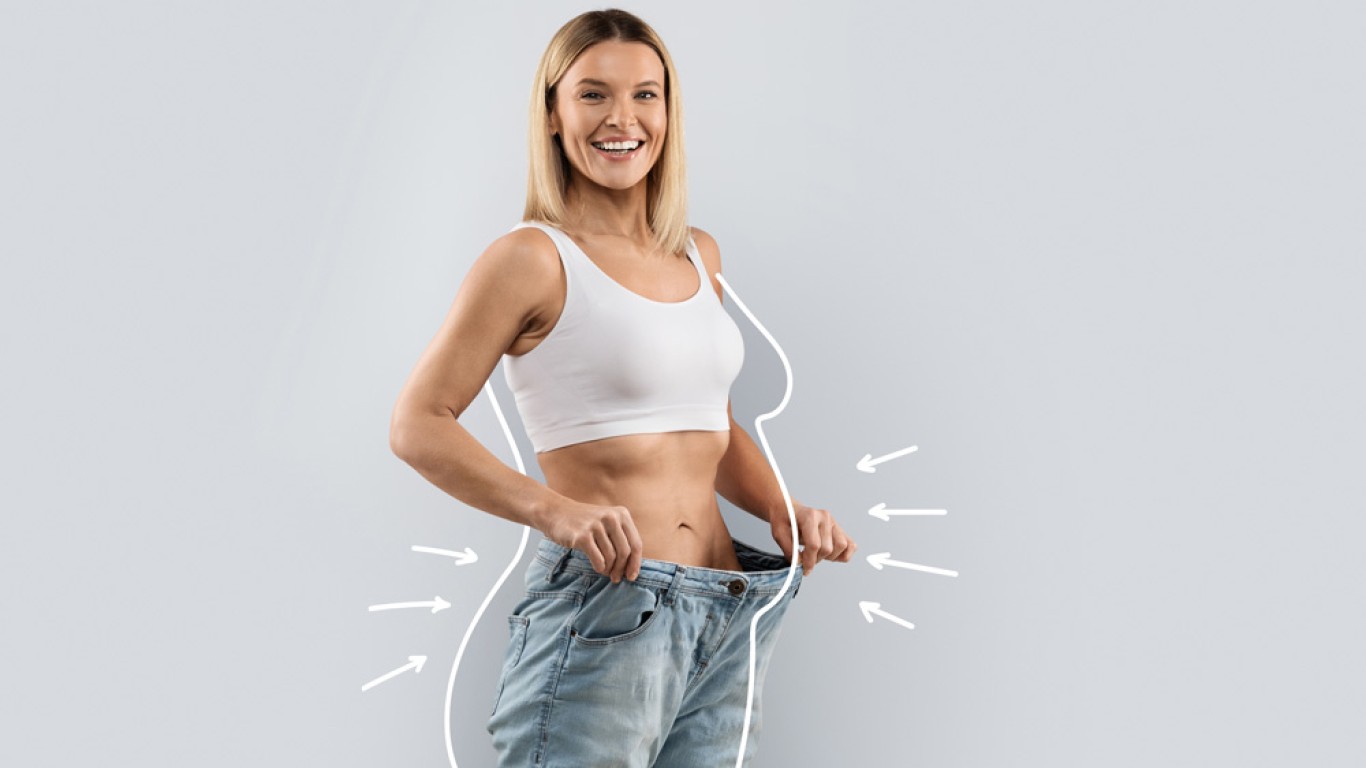
Most patients maintain a significant proportion of their initial weight loss over the long term. Studies suggest that gastric sleeve 10 years later, many individuals retain 50 to 60 percent of their excess weight loss. Some weight regain is common and typically occurs between years two and five. This is a normal part of the long-term trajectory rather than a sign of failure. The reduced stomach capacity continues to limit portion sizes. However, gradual stretching of the pouch may allow slightly larger meals over time. Patients who maintain disciplined eating habits tend to preserve the greatest proportion of their weight reduction. Regular follow-up supports accountability.
Health Benefits That Persist Gastric Sleeve 10 Years Later
Many of the health improvements achieved in the first year continue long term. Gastric sleeve 10 years later, patients frequently maintain improved blood sugar levels. Type 2 diabetes remission rates remain significant for many individuals over the decade. Blood pressure improvements often persist as well. Cholesterol levels may remain more favourable than before surgery. Joint pain and mobility improvements typically continue as long as weight remains stable. Sleep quality often stays improved for patients who previously experienced obstructive sleep apnoea. These lasting health benefits represent one of the most valuable outcomes of the procedure.
Dietary Habits and Nutrition Gastric Sleeve 10 Years Later
Long-term dietary habits play a central role in sustained success. Gastric sleeve 10 years later, patients who maintain structured eating patterns tend to achieve the best outcomes. Protein remains an important priority in the daily diet. Smaller, nutrient-dense meals support both satiety and nutritional balance. Avoiding high-sugar and high-calorie foods helps prevent unnecessary weight regain. Many patients develop a comfortable routine around meal planning over the years. Nutritional supplementation may still be recommended to address potential deficiencies. Ongoing guidance from a dietitian supports healthy eating habits throughout the decade and beyond.
Exercise and Physical Activity Gastric Sleeve 10 Years Later
Regular physical activity supports weight maintenance and overall health after bariatric surgery. Gastric sleeve 10 years later, patients who exercise consistently tend to maintain better body composition. Strength training helps preserve lean muscle mass that can decline during rapid weight loss. Cardiovascular fitness supports metabolic health and energy levels. Even moderate daily activity such as walking contributes to sustained weight stability. Exercise also supports mental wellbeing and motivation over the long term. Patients who integrate physical activity into their daily routine often report higher satisfaction with their long-term results.
Psychological and Emotional Changes
The psychological impact of gastric sleeve surgery evolves over a decade. Many patients experience significant improvements in self-esteem and body confidence during the early years. Gastric sleeve 10 years later, these benefits often persist for individuals who maintain healthy habits. Some patients find that their relationship with food continues to require attention and mindfulness. Emotional eating patterns may re-emerge during stressful periods. Access to psychological support or counselling can help manage these challenges effectively. The emotional journey is an important and often underestimated aspect of long-term bariatric success.

Potential Complications and Considerations
Long-term complications after gastric sleeve surgery are relatively uncommon but worth understanding. Nutritional deficiencies can develop over time if supplementation is not maintained. Vitamin B12, iron, calcium and vitamin D levels should be monitored regularly. Gastric sleeve 10 years later, some patients experience gastro-oesophageal reflux that may require management. Mild weight regain is possible if dietary habits are not sustained. In rare cases, revision surgery may be considered. Regular medical follow-up helps identify and address any emerging concerns early. Proactive monitoring supports the best long-term outcomes.
The Importance of Follow-Up Care
Ongoing medical follow-up is essential for long-term success after bariatric surgery. Blood tests should be conducted at regular intervals to monitor nutritional status. Gastric sleeve 10 years later, patients benefit from continued engagement with their bariatric team. Follow-up appointments provide opportunities to address weight fluctuations, dietary challenges and health changes. Many patients find that annual reviews help maintain accountability. Remote consultations make it easier for international patients to stay connected with their surgical team. Professional support reinforces the habits and strategies developed during the initial post-operative period.
Body Changes Over a Decade
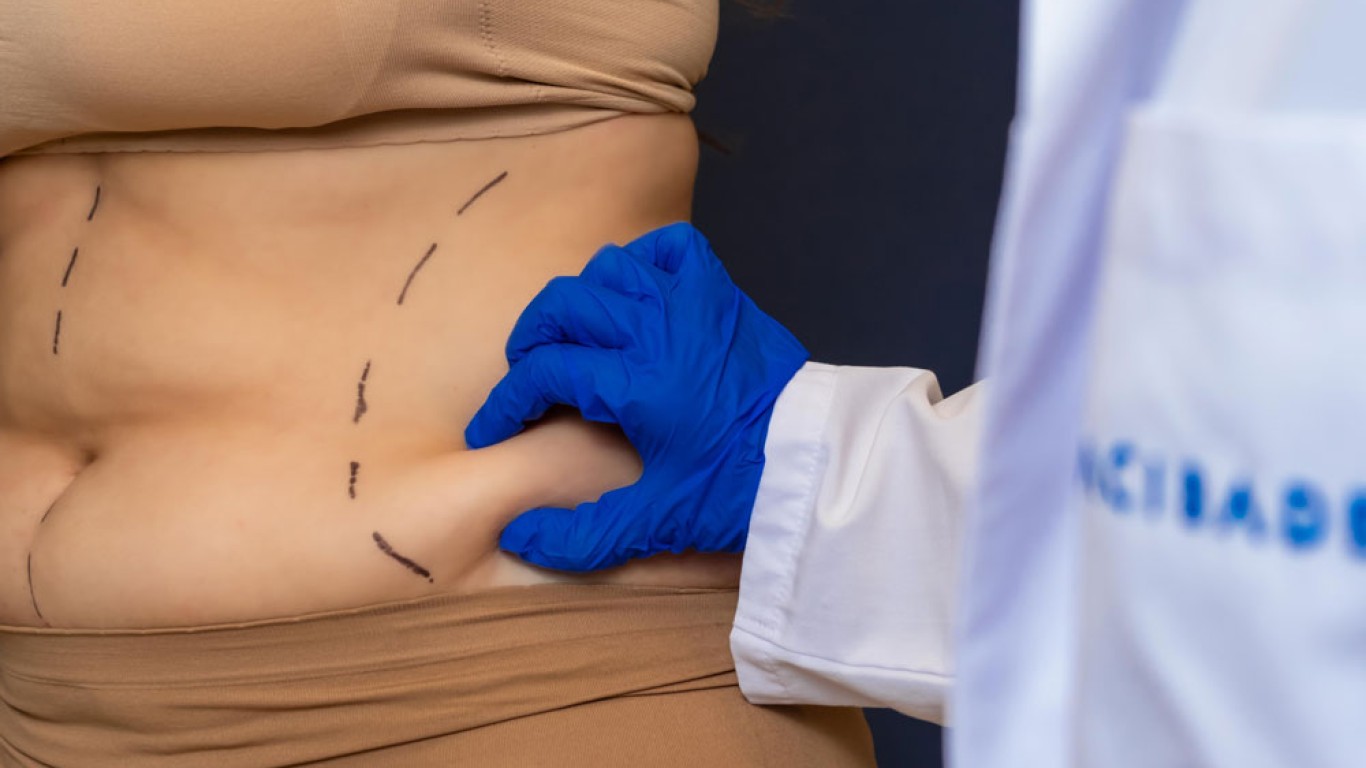
Body shape and composition continue to evolve over the years following surgery. The most dramatic changes occur during the first two years. Gastric sleeve 10 years later, the body has typically settled into a stable shape. Some patients explore body contouring procedures to address residual loose skin. Skin laxity is common after significant weight reduction and may affect the abdomen, arms and thighs. Body contouring can refine these areas and improve overall proportion. Natural ageing also contributes to gradual changes in body composition over the decade. Maintaining muscle mass through exercise supports a firmer appearance.
Social and Lifestyle Impact
Weight reduction often produces meaningful changes in social confidence and daily lifestyle. Many patients report improved participation in activities they previously avoided. Gastric sleeve 10 years later, these lifestyle improvements often feel well established and natural. Clothing choices may feel more comfortable and varied. Travel, exercise and social events often become more enjoyable. Relationships and professional confidence may also benefit from improved self-image. The cumulative impact of these changes contributes to a higher overall quality of life for many bariatric patients over the long term.
Gastric Sleeve 10 Years Later: Is It Worth It?
Patient satisfaction rates for gastric sleeve surgery remain high even after a decade. Most individuals report that the procedure was a positive turning point in their health journey. Gastric sleeve 10 years later, the combination of sustained weight reduction and improved health outcomes justifies the initial investment for many patients. Success depends on long-term commitment to dietary habits, exercise and medical follow-up. Patients who embrace these lifestyle changes often describe the surgery as one of the most important decisions they have made. The long-term perspective supports informed decision-making for individuals considering the procedure.
Nutritional Monitoring Over the Decade
Nutritional health requires ongoing attention after gastric sleeve surgery. The reduced stomach capacity limits the amount of food consumed at each meal. This can make it more difficult to obtain sufficient vitamins and minerals from diet alone. Gastric sleeve 10 years later, patients often continue taking daily supplements. Vitamin B12, iron, calcium and vitamin D are commonly supplemented throughout the decade. Regular blood tests help identify any developing deficiencies before they cause symptoms. Working with a dietitian helps patients maintain balanced nutrition while respecting the limitations of their smaller stomach capacity. Proactive nutritional monitoring is a key element of long-term success.
Relationships and Social Confidence
Significant weight reduction often influences social dynamics and personal relationships. Many patients feel more confident in social situations after achieving their weight loss goals. Gastric sleeve 10 years later, these improvements in social confidence tend to feel well established. Some patients experience changes in existing relationships as their self-image evolves. Open communication with partners and family members supports positive adjustment. Many individuals find that their improved health and energy levels allow them to participate more fully in family activities and social events. The social benefits of sustained weight management add meaningful value to the overall surgical outcome.
Conclusion
Life gastric sleeve 10 years later involves ongoing commitment to healthy habits alongside the permanent structural changes created by surgery. Most patients maintain significant weight reduction over the decade. Health benefits including improved blood sugar, blood pressure and mobility often persist. Dietary discipline, regular exercise and professional follow-up all contribute to sustained success. Understanding the long-term trajectory helps patients prepare for a lifetime of improved health and wellbeing.
For more information and to book a consultation visit the ACIBADEM Beauty Center Obesity Surgery page.
Frequently Asked Questions
Most maintain 50 to 60 percent of excess weight loss long term.
Yes, many improvements in blood sugar and blood pressure persist.
Mild regain is common and does not indicate failure.
Yes, nutritional supplementation is typically recommended long term.
Yes, regular monitoring supports sustained health outcomes.