Ataşehir Mah. Feza Sk. No:3 İstanbul / Türkiye
 English
  German
  Spanish
Introduction
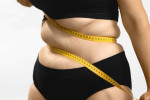
Obesity is a serious medical condition that significantly affects health and quality of life. It is defined as a BMI of forty or above. Patients with a BMI of thirty-five or above with obesity-related health conditions also qualify. The condition increases the risk of type two diabetes, heart disease, stroke and certain cancers. Morbid obesity requires medical intervention beyond diet and exercise alone. Understanding the treatment options helps patients take the first steps toward lasting change. This article explains what morbid obesity involves, when surgery is appropriate and what procedures are available.
What Is Morbid Obesity?
Morbid obesity is the most severe classification of obesity.
| BMI Range | Classification |
| 18.5 to 24.9 | Healthy weight |
| 25 to 29.9 | Overweight |
| 30 to 34.9 | Obesity class one |
| 35 to 39.9 | Obesity class two (severe) |
| 40 and above | Morbid obesity (class three) |
At a BMI of forty or above, health risks increase dramatically. Joint deterioration accelerates due to excess weight. Breathing becomes restricted. Sleep apnoea disrupts rest. Type two diabetes develops or worsens. Cardiovascular strain increases significantly. Being morbidly obese also affects mental health. Depression, anxiety and social isolation are common. Mobility limitations restrict daily activities. The condition reduces life expectancy measurably. Being morbidly obese is a complex. It involves genetic, hormonal, environmental and behavioural factors. Willpower alone is rarely sufficient to achieve lasting change at this level. Medical intervention provides the tools patients need to break the cycle.
Non-Surgical Treatment Options for Morbid Obesity
Several non-surgical approaches form part of treatment. Dietary modification under professional guidance is the foundation. Structured calorie reduction with adequate protein supports sustainable weight loss. Behavioural therapy addresses emotional eating patterns and habits. Regular physical activity supports weight management alongside dietary changes. Treatment for someone morbidly obese may include prescription medications. GLP-1 receptor agonists such as semaglutide and liraglutide produce significant weight loss in clinical trials. These medications reduce appetite and slow gastric emptying. Medical supervision ensures safe and effective use. Non-surgical treatments suit patients in earlier obesity stages or those preparing for surgery. For obesity specifically, non-surgical approaches alone rarely achieve the degree of weight loss required to resolve serious health conditions. They may serve as preparation for surgical intervention rather than a standalone solution.
When Surgery Helps for Morbid Obesity
Surgery is recommended when non-surgical treatments have not produced sufficient or lasting results. Most guidelines recommend bariatric surgery for patients with a BMI of forty or above. Patients with a BMI of thirty-five or above qualify when significant health conditions are present. Morbid obesity surgery produces the most dramatic and sustained weight loss of any treatment approach. It also delivers the strongest improvement in obesity-related health conditions. Type two diabetes remission rates exceed seventy percent after gastric bypass. Sleep apnoea resolves in the majority of surgical patients. Joint pain improves significantly as weight decreases. Surgery is recommended when the health risks of remaining at the current weight exceed the risks of the procedure itself. For most morbid obesity patients, this threshold is clearly met.
Surgical Options for Morbid Obesity
Several bariatric procedures are available. Gastric sleeve surgery reduces stomach size by approximately eighty percent. It restricts food intake significantly. Most patients lose sixty to seventy percent of excess weight. Gastric bypass creates a small stomach pouch and reroutes the intestine. It combines restriction with reduced calorie absorption. Weight loss is typically the highest among standard procedures. Morbidly obese patients with very high BMI may benefit from bypass over sleeve. Endoscopic procedures suit patients with lower BMI who prefer non-surgical alternatives. Intragastric balloons and endoscopic sleeve gastroplasty reduce stomach capacity without incisions. The surgeon recommends the most appropriate procedure based on individual BMI, health profile and goals.
Preparing for Morbid Obesity Surgery
Preparation is an important phase of treatment. Most surgeons require a pre-operative diet for two to four weeks. This diet reduces liver size and improves surgical access. Morbidly obese patients with very large livers may need a longer preparation period. Psychological assessment evaluates readiness for the lifestyle changes required after surgery. Nutritional counselling begins before the procedure. Patients learn about post-operative dietary phases and supplementation requirements. Smoking must stop at least four weeks before surgery. Fitness for anaesthesia is confirmed through blood tests, ECG and possibly cardiac assessment. Morbid obesity increases anaesthetic risk. Thorough pre-operative preparation reduces this risk significantly. Patients who engage fully with the preparation phase achieve the smoothest surgical experience and strongest outcomes.
Recovery After Morbid Obesity Surgery
Recovery follows a structured pathway. Hospital stay is typically two to four days. Pain is managed with prescribed medication. Light walking begins within hours of surgery. A liquid diet starts within twenty-four hours. Morbidly obese patients progress through dietary phases over eight weeks. Clear liquids transition to full liquids, then pureed foods, then soft foods, then regular textures. Each phase allows the stomach to heal progressively. Most patients take two to four weeks off work. Light exercise resumes at four weeks. Full activity returns at six to eight weeks. Morbidly obese patients may require additional monitoring during recovery. Higher BMI increases the importance of blood clot prevention and respiratory care. Compression stockings and early mobilisation are essential. Follow-up appointments monitor weight loss, nutritional status and healing throughout the recovery period. Good hydration supports healing and reduces the risk of dehydration during the early recovery stages.
Long-Term Outcomes After Morbid Obesity Treatment
Bariatric surgery produces transformative long-term results for morbidly obese patients. Most patients lose sixty to eighty percent of excess body weight. This weight loss occurs over twelve to twenty-four months. Health conditions improve or resolve. Type two diabetes remission is common. Blood pressure normalises in many patients. Sleep apnoea resolves. Joint pain decreases substantially. Morbidly obese patients report dramatic improvement in mobility and quality of life. However, long-term success requires permanent lifestyle changes. Lifelong vitamin and mineral supplementation is essential. Protein intake must remain high. Regular exercise supports weight maintenance. Follow-up with the bariatric team monitors nutritional status and provides ongoing support. Weight regain is possible without dietary discipline. Surgery is a powerful tool. It is not a cure without continued commitment. Regular medical reviews help identify nutritional deficiencies before they cause long-term health problems.
Morbid Obesity Treatment in Turkey
Turkey offers bariatric surgery at competitive pricing for international patients. Morbid obesity treatment packages include pre-operative assessment, surgery, hospital stay and aftercare. Experienced bariatric surgeons perform procedures at JCI-accredited hospitals. All-inclusive packages provide transparent pricing. Dietary support continues remotely after patients return home. Turkish bariatric centres manage high volumes of international patients annually. The combination of clinical quality and accessible pricing makes Turkey a strong option for obesity treatment. Professional consultation ensures the most appropriate procedure is selected for each patient's individual health profile, BMI and goals. Many clinics provide English-speaking coordinators to support international patients throughout their treatment journey.
Taking the First Step
Seeking help is the most important step. Morbid obesity is a medical condition. It is not a character failing. Professional support provides the tools to achieve lasting change. A consultation with a bariatric specialist assesses individual circumstances. Treatment options are discussed honestly. The right approach is identified based on health status, weight history and personal goals. Obesity treatment has advanced significantly in recent years. Surgical and non-surgical options are safer, more effective and more accessible than ever before. Taking the first step toward consultation is the beginning of a meaningful transformation. Every patient deserves support in pursuing better health and quality of life. Early intervention often improves treatment options and supports better long-term health outcomes.
Conclusion
Morbid obesity is a serious condition requiring medical intervention. Non-surgical treatments including medication and dietary programmes provide support. Bariatric surgery produces the most significant and lasting weight loss. Gastric sleeve, gastric bypass and duodenal switch suit different patient profiles. Morbid obesity surgery also resolves many obesity-related health conditions. Long-term success depends on sustained dietary commitment and supplementation. Professional consultation ensures personalised treatment planning. Turkey offers bariatric surgery at competitive pricing with experienced surgical teams. Ongoing specialist support helps patients maintain weight loss and improve overall health for many years.
For more information about obesity and to book a consultation visit the ACIBADEM Beauty Center Obesity Surgery page.
Frequently Asked Questions
A BMI of forty or above. BMI thirty-five or above with health conditions also qualifies.
When non-surgical treatments have not produced sufficient lasting results.
Gastric bypass or duodenal switch typically suit higher BMI patients. The surgeon recommends individually.
Most patients lose sixty to eighty percent of excess body weight.
Yes. Lifelong supplementation is essential after bariatric surgery.