Ataşehir Mah. Feza Sk. No:3 İstanbul / Türkiye
 French
  English
  German
  Spanish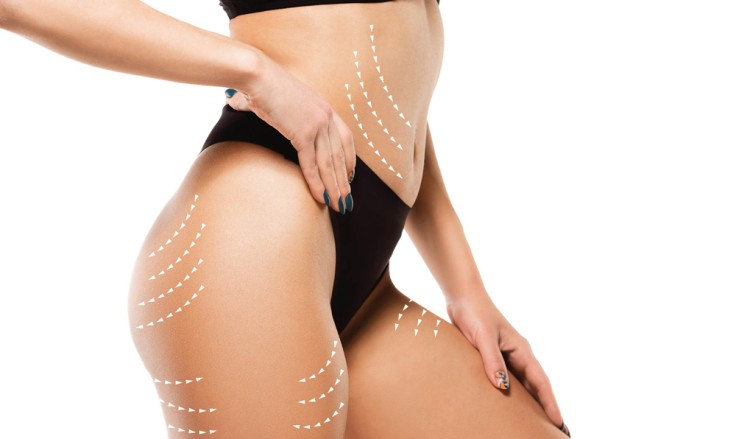
Introduction
Liposuction remains one of the most popular body contouring procedures worldwide. As technology has advanced, different techniques have emerged to address stubborn fat deposits with increasing precision. One such advancement uses ultrasound energy to assist with fat removal. Traditional liposuction relies on mechanical suction to extract fat cells directly from beneath the skin. Both aim to reshape contours and improve proportion. Understanding how VASER lipo compares with traditional methods helps patients make informed decisions. This article explores the key differences between the two techniques and what sets them apart in 2026.
What Is VASER Lipo?
VASER lipo stands for Vibration Amplification of Sound Energy at Resonance. The technique uses ultrasound energy to selectively break down fat cells before they are removed from the body. A small probe delivers ultrasound waves into the fatty tissue through tiny incisions. This energy liquefies the fat cells while preserving surrounding structures such as blood vessels, nerves and connective tissue. The technique allows more precise contouring because the emulsified fat is easier to remove smoothly. The technique is particularly effective for sculpting areas that require detailed definition. It can be used on multiple different areas of the body.
What Is Traditional Liposuction?
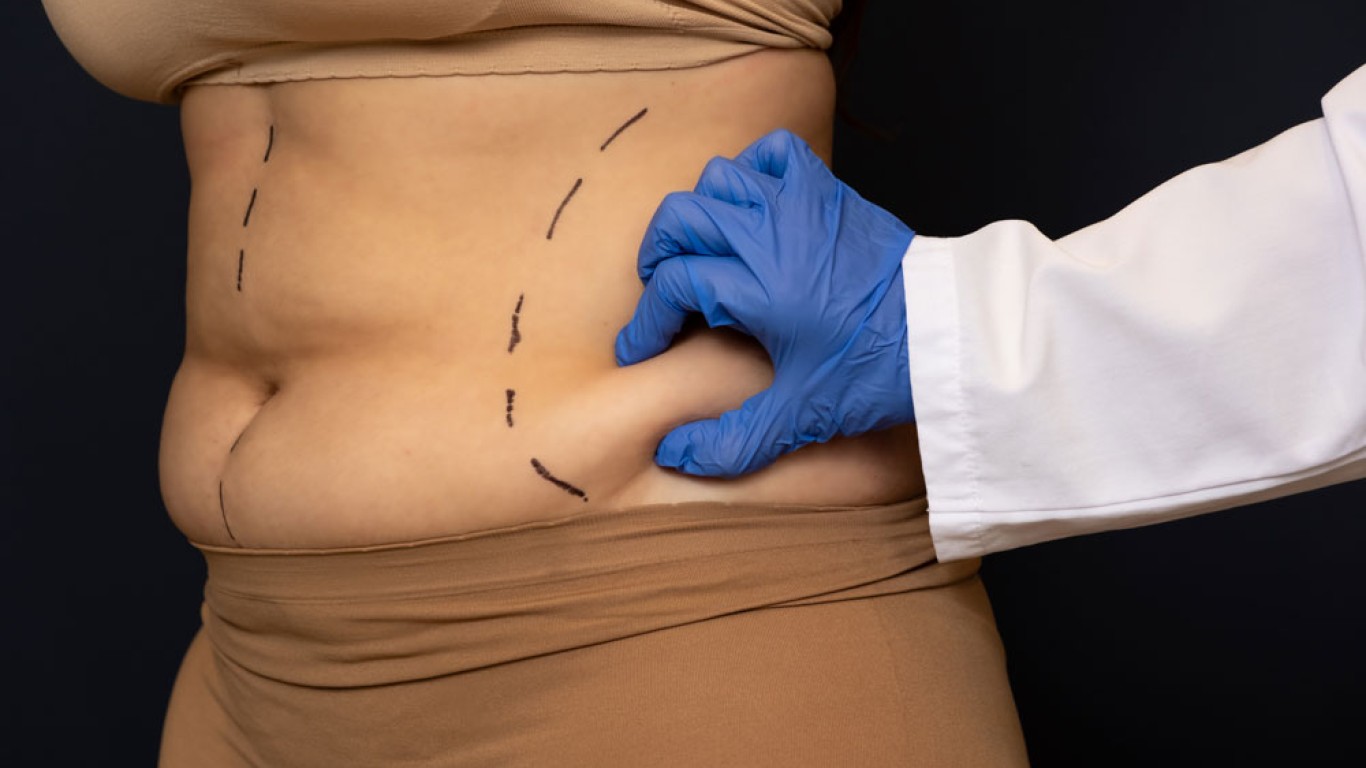
Traditional liposuction uses suction-assisted techniques to physically remove fat from beneath the skin. A cannula is inserted through small incisions and moved manually to dislodge and extract fat cells. The technique has been widely used for decades and remains effective for larger volume fat removal. Traditional liposuction works well for patients who need significant contouring across broader areas. The ultrasound approach differs because it uses energy to prepare the fat before extraction. Traditional methods rely on the surgeon's manual technique to break down and remove the tissue. Both approaches produce lasting contour improvements.
How VASER Lipo Differs from Traditional Liposuction
The primary difference lies in how fat cells are disrupted before removal. VASER uses ultrasound energy to emulsify fat selectively. This allows gentler extraction with less trauma to surrounding tissue. Traditional liposuction relies on physical force to dislodge fat cells, which can affect nearby structures more significantly. Ultrasound-assisted techniques may produce smoother results in areas requiring detailed sculpting. Traditional techniques remain effective for larger treatment areas. The choice depends on the area being treated and the desired level of definition.
Areas Commonly Treated
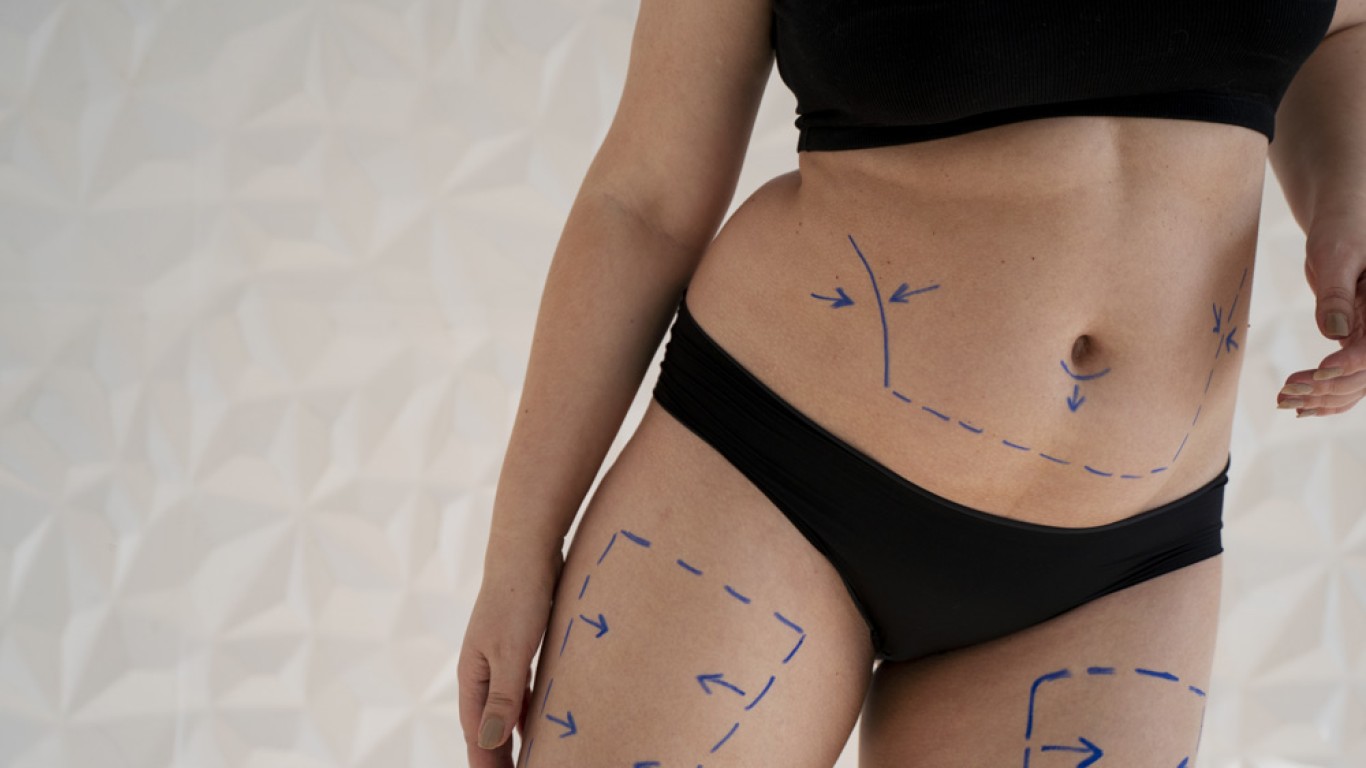
The technique is frequently used on areas that benefit from detailed contouring and precise definition. Common treatment sites include:
- The abdomen and flanks for waistline sculpting and definition.
- The chest area, particularly for male patients seeking refined contours.
- The upper arms where smooth transitions are important.
- The chin and jawline for targeted facial contouring.
- The thighs and back for overall body proportion improvement.
The technique works particularly well in areas where precision matters. The ability to target fat selectively supports smoother transitions between treated and untreated regions.
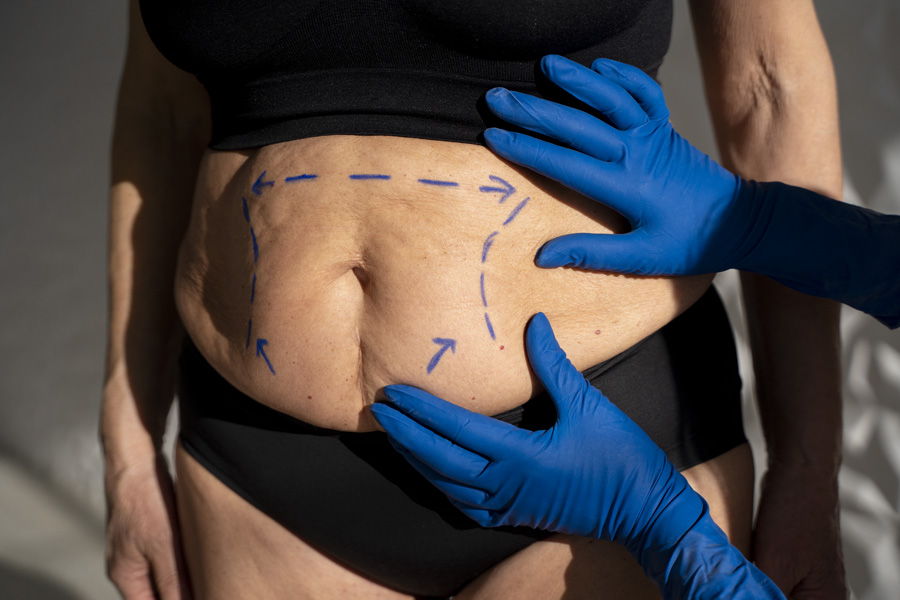
VASER Lipo vs Traditional Liposuction: Recovery Compared
Recovery experiences differ between the two approaches. Ultrasound-assisted treatment typically involves less bruising and swelling than traditional liposuction because the ultrasound energy causes less tissue disruption during the procedure. Many patients report a more comfortable recovery following the procedure. Traditional liposuction may involve more bruising due to the physical nature of fat extraction. Both techniques require compression garments to support healing and contour development. Most patients return to daily activities within around one to two weeks. Ultrasound-assisted patients may feel comfortable resuming activity slightly sooner than this.
Skin Tightening Benefits
One advantage of VASER is its potential to stimulate collagen within the skin during treatment. The ultrasound energy interacts with tissue layers and may encourage a mild tightening effect as collagen responds to the thermal stimulus. This benefit is not typically associated with traditional suction-based liposuction techniques. VASER lipo can therefore support smoother skin retraction in the treated area after fat removal. Patients with mild skin laxity may benefit from this additional tightening effect. The degree of improvement depends on individual skin quality and elasticity. While results vary, this added benefit can enhance overall contour definition. It can also reduce the likelihood of loose or uneven skin appearance following the procedure.
Who Is a Better Candidate for VASER Lipo?
The ultrasound technique is generally suited to patients seeking detailed body sculpting with precise definition. Individuals with smaller, targeted fat deposits often benefit from the technique. Patients who want high-definition contouring in areas like the abdomen or chest frequently choose this technique for this reason. Those with mild skin laxity also benefit from the potential tightening properties of ultrasound energy. Candidates should maintain a stable body weight before treatment. Good general health supports safe healing. A consultation evaluates anatomy and determines the most suitable approach.
Who Is a Better Candidate for Traditional Liposuction?
Traditional liposuction remains effective for patients requiring larger volume fat removal. Individuals with broader treatment areas may benefit from suction-assisted techniques. Ultrasound assistance may not always be necessary when detailed sculpting is not the primary goal. Traditional methods work well for contouring the abdomen, flanks and thighs at a broader level. Patients seeking significant volume reduction often find traditional liposuction effective and appropriate. The technique remains widely used by experienced surgeons worldwide. Both approaches produce lasting contour improvements when performed by qualified specialists. Surgeons often recommend this method when efficiency and volume reduction are prioritised over fine definition. It is particularly suitable for patients aiming to reshape larger areas rather than achieve highly detailed contouring.
Technology and Precision for VASER Lipo
The ultrasound technology behind VASER lipo allows surgeons to work with greater precision during the contouring process. Fat cells are emulsified before extraction, creating smoother removal and more refined results. The ultrasound technology preserves blood vessels and connective tissue more effectively than traditional mechanical disruption. This selectivity reduces trauma and supports faster recovery for many patients. The precision is particularly valuable when treating smaller areas or when patients desire visible muscle definition beneath the skin. Technological advancement continues to improve the capabilities of ultrasound-assisted techniques. These innovations allow surgeons to sculpt more accurately around natural anatomical structures. As a result, the final contour often appears smoother and more balanced.
Recovery Tips for Both Procedures
Proper aftercare supports the best healing outcome regardless of which technique is used. Compression garments should be worn as directed by the treating specialist. Light walking is encouraged from the first day to support circulation and reduce the risk of complications. Strenuous exercise should be avoided for three to four weeks. Staying hydrated and eating balanced meals supports the body's natural repair processes. Following professional aftercare guidance helps ensure smooth recovery. VASER lipo and traditional liposuction both benefit from consistent adherence to post-operative instructions throughout the healing period. Patients should also attend follow-up appointments to monitor healing progress and ensure optimal contour results over time.
How Consultation Determines the Right Approach
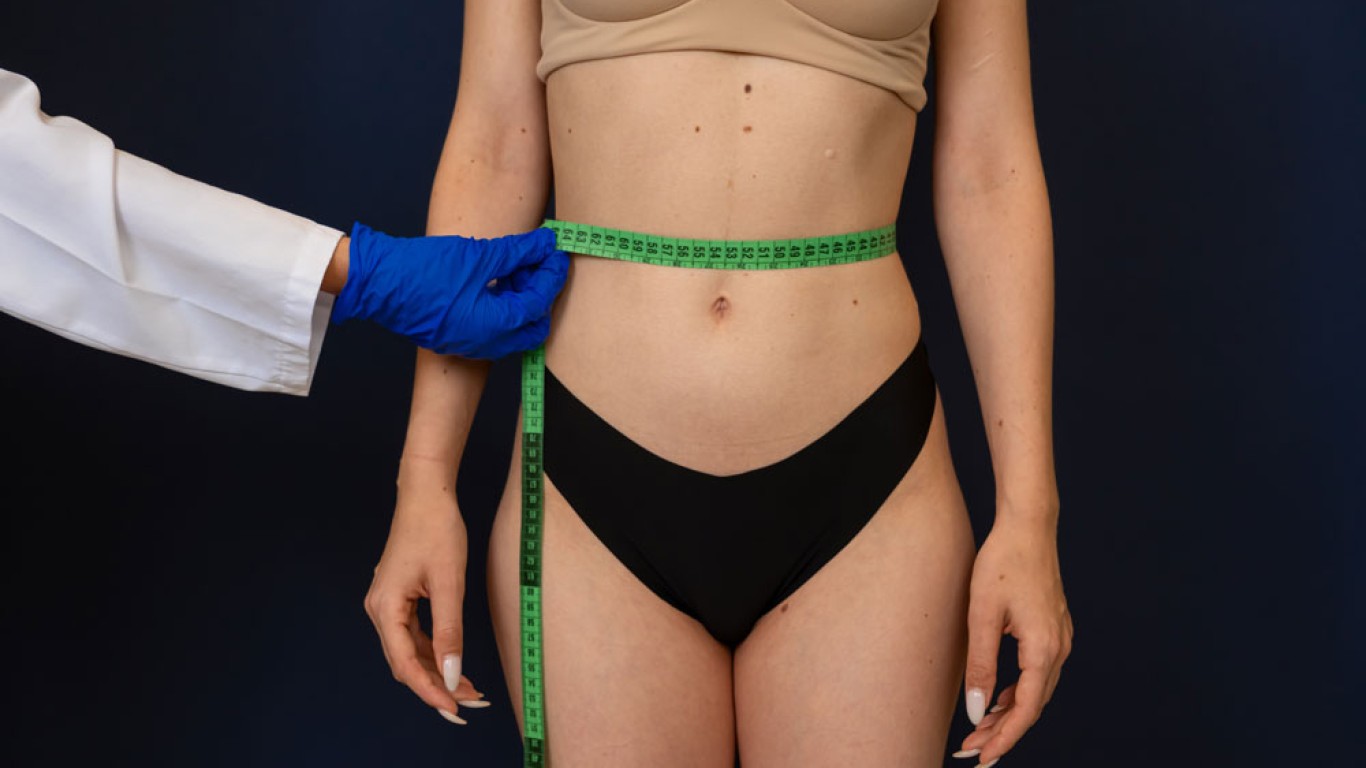
A thorough consultation is essential before choosing between the two techniques. Specialists evaluate body composition, fat distribution and skin quality during this assessment. The desired level of definition influences which approach is recommended. VASER lipo may be suggested for patients seeking detailed sculpting in specific areas. Traditional liposuction may be recommended for broader contouring across larger treatment regions. The consultation ensures patients receive personalised guidance based on their individual anatomy and aesthetic goals. Both techniques can deliver excellent results when the correct method is matched to the patient.
Long-Term Results
Both VASER lipo and traditional liposuction produce long-lasting contour improvements. Fat cells removed during either procedure do not regenerate in the treated area. Remaining fat cells can expand if significant weight gain occurs. Maintaining stable body weight supports the longevity of contouring results. Balanced nutrition and regular physical activity help preserve the improved shape. VASER lipo and traditional liposuction both represent long-term investments in body contour. Especially when supported by healthy lifestyle habits. Results from either technique can remain visible for many years.
Conclusion
VASER lipo and traditional liposuction are both effective body contouring techniques. VASER uses ultrasound energy for selective fat disruption and precise sculpting. Traditional liposuction relies on mechanical suction for broader volume reduction. Recovery, skin tightening potential and suitability differ between the two approaches. A professional consultation evaluates anatomy and goals to determine the most appropriate method. Both techniques produce lasting improvements when performed by experienced specialists.
For more information and to book a consultation visit the ACIBADEM Beauty Center Liposuction page.
Frequently Asked Questions
It is an ultrasound-assisted liposuction technique for precise body contouring.
It depends on the treatment area and patient goals.
It may stimulate mild collagen-based tightening in some patients.
Most patients resume daily activities within one to two weeks.
Yes, removed fat cells do not return when weight remains stable.