Ataşehir Mah. Feza Sk. No:3 İstanbul / Türkiye
 English
Introduction
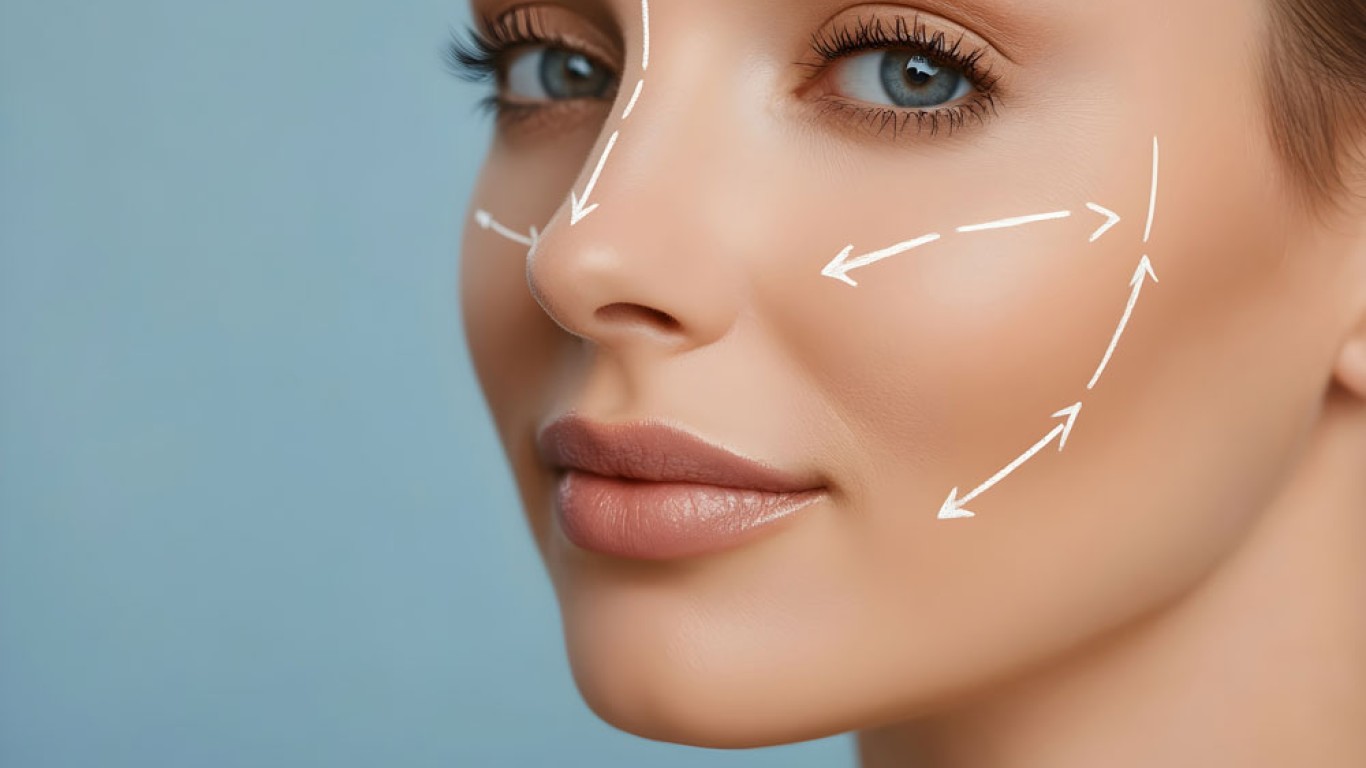
Medical aesthetics vs plastic surgery is one of the most common points of confusion for patients considering cosmetic treatment. Both fields aim to improve appearance. Both are performed by qualified practitioners. But the differences between them are significant. Understanding medical aesthetics vs plastic surgery helps patients choose the right treatment and set realistic expectations. This article covers the defining differences across procedures, training, settings, risks and outcomes.
What Is Medical Aesthetics?
Medical aesthetics refers to non-surgical cosmetic treatments delivered by medically qualified practitioners. These include injectable treatments: Botox, fillers, Profhilo and polynucleotides. Skin treatments such as chemical peels, laser resurfacing, microneedling and mesotherapy fall within this category. Energy-based treatments including radiofrequency and HIFU are also part of the medical aesthetics field. Medical aesthetics treatments are minimally invasive. They do not require general anaesthesia or a surgical setting. Most are performed in clinical rooms with no hospital stay required. Recovery is typically measured in hours to days rather than weeks. Medical aesthetics offers meaningful improvement for patients with mild to moderate concerns who wish to avoid surgical intervention.
What Is Plastic Surgery?
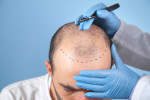
Plastic surgery involves surgical procedures performed under local or general anaesthesia. It addresses concerns that cannot be corrected with non-surgical treatment. Examples include significant skin excess, breast asymmetry and facial rejuvenation requiring lifting rather than volumising. Plastic surgery is performed in a hospital. It requires pre-operative assessment, intraoperative monitoring and a formal recovery. Results from plastic surgery are typically more dramatic and longer-lasting than those from medical aesthetics. The procedures are more extensive, the risks are greater and the recovery is more demanding. Plastic surgery produces structural changes that non-surgical treatment cannot replicate.
Medical Aesthetics vs Plastic Surgery: Training and Qualifications
Medical aesthetics practitioners include doctors, dentists and nurses with postgraduate training in aesthetics. The level of training varies considerably. Some practitioners hold extensive qualifications in facial anatomy and advanced injectable techniques. Others have completed short courses. There is no single mandatory qualification pathway in the UK for medical aesthetics, though regulation is increasing. Plastic surgeons are medical doctors who have completed a full surgical training programme and hold specialist registration. In the UK, plastic surgeons hold specialist registration with the GMC. This requires at least twelve years of medical training beyond initial medical qualification. The level of surgical training and anatomical knowledge separating the two groups is very significant.

Procedures: What Each Approach Offers
Medical aesthetics procedures address a wide range of cosmetic concerns without surgery. Botox reduces dynamic facial lines caused by muscle movement. Fillers restore volume and sculpt facial contours. Profhilo and skin boosters hydrate and improve skin texture. Laser and radiofrequency treatments resurface the skin and stimulate collagen. Chemical peels improve tone and pigmentation. These treatments suit patients who want to refresh their appearance or address mild to moderate skin concerns. Plastic surgery addresses concerns of greater severity or structural complexity. Facelifts reposition and tighten the facial and neck tissues. Rhinoplasty reshapes the nose cartilage and bone. Blepharoplasty removes excess eyelid skin. Breast surgery addresses size, shape and position. Body contouring procedures remove excess skin and fat.
Results: Medical Aesthetics vs Plastic Surgery
Medical aesthetics results are visible but limited in scope. Botox softens lines. Fillers add volume and contour. Skin treatments improve texture and tone. None of these can reposition descended facial tissue, remove significant skin excess or restructure bone and cartilage. Results from medical aesthetics typically last between three and eighteen months depending on the treatment. Regular maintenance appointments are required to sustain them. Results from plastic surgery are more dramatic and significantly more durable. A facelift result, for example, typically lasts seven to ten years or more. Rhinoplasty results are permanent in structure. Breast augmentation results last many years. The trade-off for these lasting results is the greater risk, cost and recovery associated with surgical procedures.
Recovery: Medical Aesthetics vs Plastic Surgery
Recovery from medical aesthetics is minimal. Most injectable treatments allow a return to normal activities the same day. Minor bruising and swelling are the most common side effects. Laser treatments and chemical peels may require several days of social downtime. Redness, sensitivity and peeling can occur during this period. This is manageable for most patients without taking time off work. However, recovery varies according to treatment intensity and individual skin response. Patients should follow aftercare instructions carefully to reduce irritation and support healing. Sun protection can be particularly important following resurfacing procedures.
Recovery from plastic surgery is significantly longer. Most major procedures require one to six weeks before returning to normal activities. Return to strenuous exercise takes four to six weeks. Swelling and bruising can continue after patients resume everyday activities. Final healing and scar maturation may take several months. The discomfort and activity restrictions require consideration when choosing between both approaches.
Choosing Between Medical Aesthetics vs Plastic Surgery
Choosing between medical aesthetics vs plastic surgery depends on several personal factors. These include the concern, desired outcome and tolerance for recovery. Medical aesthetics suits patients with mild to moderate concerns seeking improvement without surgery. Plastic surgery suits patients whose concerns cannot be meaningfully addressed with non-surgical treatment. A drooping brow can illustrate the distinction between these approaches. Botox may subtly alter brow position, while surgery can provide more substantial lifting. Skin quality, age and facial anatomy can also influence treatment recommendations. Budget and willingness to maintain results should also be considered. Non-surgical treatments commonly require repeat appointments to preserve their effects. Both approaches have a role. Many patients begin with medical aesthetics and later consider surgery as concerns evolve.
Conclusion
Medical aesthetics vs plastic surgery represents two distinct pathways to cosmetic improvement. Medical aesthetics is non-surgical and usually involves shorter recovery. However, results commonly require ongoing maintenance. Plastic surgery involves greater intervention and usually requires longer recovery. Surgical results can also provide longer-lasting structural changes. Neither approach is universally superior. Each can address different concerns and patient priorities. The most appropriate option depends on anatomy, expectations, health and willingness to accept recovery. Patients should also consider treatment longevity, maintenance requirements and potential risks. Professional consultation provides the strongest basis for comparing suitable options.
For more information about medical aesthetics vs plastic surgery and to book a consultation visit the ACIBADEM Beauty Center Aesthetics page.
Frequently Asked Questions
Medical aesthetics carries lower immediate procedural risk because it is non-surgical. Plastic surgery carries greater anaesthetic and procedural risk but produces more significant structural change. Both are safe when performed by appropriately qualified practitioners.
Not for significant structural concerns. Medical aesthetics can delay the need for surgery and address mild to moderate concerns effectively. It cannot replicate the results of lifting, restructuring or removing significant tissue excess.
Medical aesthetics is performed by doctors, dentists and nurses with aesthetic training. Plastic surgery is performed by surgeons on the GMC Specialist Register for plastic surgery. The training pathways and levels of clinical complexity differ significantly.
A consultation in both fields is the most reliable way to determine the right approach. Each field has procedures suited to different degrees of concern.
Yes, at accredited clinics with qualified practitioners. Istanbul offers a wide range of treatments at significantly lower cost than UK providers with comparable quality.