Ataşehir Mah. Feza Sk. No:3 İstanbul / Türkiye
 English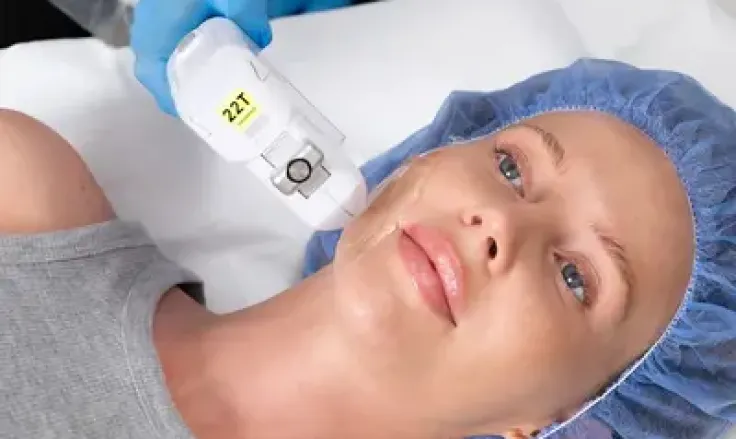
Introduction
Medical aesthetics sits between skincare and surgery. It encompasses professional treatments that improve appearance without requiring surgical intervention. Aesthetic medicine has grown enormously in recent years. The range of effective non-surgical treatments has expanded. Results that once required surgery can now be approached through injectable, energy-based and resurfacing technologies. Understanding what aesthetics includes helps patients identify the treatments that suit their concerns and comfort level. This article explains the field comprehensively.
What Is Medical Aesthetics?
Medical aesthetics describes cosmetic treatments performed by qualified medical professionals using clinical-grade products and devices. The field sits above consumer skincare products in effectiveness and below surgical intervention in invasiveness. Aesthetic medicine treatments are performed in clinics by doctors, nurses, dentists or other qualified practitioners. They use prescription-strength products, professional-grade devices and injectable substances that are not available over the counter. Aesthetic medicine differs from beauty therapy. Beauty treatments including facials, massage and basic skincare use consumer products. They produce mild, temporary improvement. Medical aesthetics uses clinical-grade interventions that produce measurable, lasting change. The difference in results is significant. Aesthetic medicine also differs from cosmetic surgery. Surgery involves incisions, anaesthesia and recovery periods. Aesthetic medicine treatments require no incisions or general anaesthesia. Most involve minimal or no downtime. The results are generally less dramatic than surgery but more significant than beauty treatments.
What Does Medical Aesthetics Include?
| Category | Treatments | What They Address |
| Injectables | Botox, dermal filler, Profhilo, PRP | Wrinkles, volume loss, skin quality |
| Skin resurfacing | Chemical peels, microneedling, laser | Texture, pigmentation, scarring, fine lines |
| Light and energy | IPL, LED, radiofrequency, HIFU | Pigmentation, redness, mild tightening |
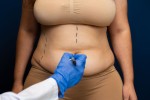
| Body contouring | Cryolipolysis, RF body, cavitation | Localised fat, mild skin laxity |
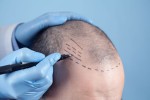
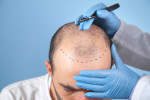
| Hair restoration | PRP, mesotherapy, low-level laser | Hair thinning, scalp health |
| Skin boosters | Mesotherapy, vitamin injections, polynucleotides | Hydration, glow, overall skin health |
Aesthetic medicine encompasses a broad range of treatment categories. Each addresses different concerns using different technologies. The field is defined by the use of professional-grade tools and products by qualified practitioners. Aesthetic medicine treatments are clinical interventions even when they are minimally invasive. They carry potential side effects and require appropriate training to perform safely. The practitioner's qualification and experience determine both the safety and the quality of the result.
Medical Aesthetics: Injectable Treatments
Injectables are the foundation of aesthetics. Botox relaxes wrinkle-causing muscles. It smooths forehead lines, frown lines and crow's feet. Botox takes ten to fifteen minutes. Results develop within days. No downtime is needed. Botox is the most widely performed aesthetics treatment globally. Dermal filler restores facial volume and contours features. Hyaluronic acid is injected into the cheeks, lips, jawline, chin and under-eyes. Results are immediate. Filler lasts six to twenty-four months. It is the second most popular aesthetics treatment. Profhilo delivers ultra-pure hyaluronic acid for skin bioremodelling. It improves hydration, firmness and luminosity. PRP uses the patient's own blood-derived growth factors to stimulate skin regeneration. Medical aesthetics injectables produce the most immediately visible improvement of any non-surgical approach. They address wrinkles, volume loss, skin quality and facial contour with precision and minimal disruption.
Skin Resurfacing
Resurfacing treatments renew the skin surface. Aesthetic medicine resurfacing includes chemical peels, microneedling and laser treatments. Chemical peels use acid solutions to remove damaged outer layers. New skin regenerates beneath. Pigmentation clears. Texture improves. Fine lines soften. Aesthetic medicine microneedling creates controlled micro-injuries. Collagen production increases. Skin quality improves progressively over a treatment course. RF microneedling adds radiofrequency energy for enhanced remodelling. Medical aesthetics laser resurfacing uses light energy to stimulate collagen and remove damaged tissue. Fractional CO2 laser produces the most dramatic skin quality improvement available without surgery. Non-ablative alternatives provide milder improvement with shorter recovery. Aesthetic medicine skin resurfacing suits patients wanting to improve texture, tone, pigmentation, scarring and fine lines. The specific treatment is selected based on the concern severity, skin type and acceptable downtime.
Light and Energy Treatments
Technology-based treatments use light, radiofrequency and ultrasound energy. Medical aesthetics IPL addresses pigmentation and vascular concerns. It treats sun damage, rosacea and broken capillaries. LED light therapy stimulates cellular activity. It supports collagen production and reduces inflammation. Aesthetic medicine radiofrequency heats the deeper skin layers. Collagen contracts and remodels. Mild tightening results. HIFU focuses ultrasound energy at specific tissue depths. It produces mild lifting and tightening. Aesthetic medicine energy-based treatments suit patients wanting progressive improvement with no downtime. The results are milder than resurfacing or injectables for most patients. They provide maintenance between more intensive treatments and suit patients wanting the gentlest possible approach.
Medical Aesthetics: Who Is It For?
Medical aesthetics suits a broad patient demographic. Patients in their twenties and thirties use preventive Botox and skin treatments. Patients in their forties and fifties use injectables and resurfacing to address established ageing signs. Patients in their sixties and beyond use aesthetics alongside or instead of surgical options. Aesthetic medicine suits patients who want visible improvement without surgery. Those not ready for surgical commitment find aesthetics provides meaningful enhancement at lower risk and cost. Patients who have had surgery use aesthetics for maintenance between procedures. Medical aesthetics also suits patients with specific concerns that do not require surgery. Pigmentation, skin texture, mild volume loss and early ageing signs all respond well to non-surgical treatment. Surgery is not necessary or appropriate for every cosmetic concern. Aesthetic medicine fills the gap between consumer skincare and surgical intervention for millions of patients.
Medical Aesthetics vs Cosmetic Surgery
The two are complementary rather than competing. Medical aesthetics produces genuine but more modest improvement than surgery. Surgery produces more dramatic and lasting results but requires greater commitment. The choice depends on the concern severity, the patient's risk tolerance and their desired degree of change. Aesthetic medicine suits mild to moderate concerns. Surgery suits moderate to severe concerns. Many patients use both. Aesthetic medicine maintains surgical results between procedures. Non-surgical treatment bridges the gap before a patient feels ready for surgery. After surgery, aesthetics extends and refines the result. The most comprehensive aesthetic care combines both approaches strategically over the patient's lifetime.
Conclusion
Medical aesthetics encompasses non-surgical cosmetic treatments performed by qualified professionals. Injectables, skin resurfacing, light and energy treatments, non-surgical body contouring, hair restoration and skin boosters all fall within the field. Aesthetic medicine produces genuine, measurable improvement without surgery. It suits patients wanting visible enhancement with minimal downtime and lower risk than surgical intervention. Practitioner qualification determines safety and results. Aesthetic medicine complements rather than competes with cosmetic surgery. Professional consultation identifies the most appropriate treatments. Turkey offers comprehensive aesthetics at competitive pricing. Ultimately, personalised planning and appropriate treatment selection support natural-looking results. Regular reassessment can also ensure future treatments remain suitable as individual needs change.
For more information about aesthetics and to book a consultation visit the ACIBADEM Beauty Center Skin Treatments page.
Frequently Asked Questions
Non-surgical cosmetic treatments performed by qualified medical professionals using clinical-grade products and devices.
No incisions, no general anaesthesia, minimal downtime. Results are more modest but require less commitment.
Botox. It is the most widely performed aesthetic medicine treatment worldwide.
Qualified medical professionals with specific aesthetic training. Verify credentials independently.
For mild to moderate concerns, often yes. For significant structural changes, surgery remains more effective.