Ataşehir Mah. Feza Sk. No:3 İstanbul / Türkiye
 English
  German
  Spanish
Introduction
Cellulite affects the vast majority of women at some point. The dimpled, uneven skin texture appears most commonly on the thighs and buttocks. It is caused by the interaction between fat, connective tissue and skin structure. Many treatments claim to address cellulite. Mesotherapy for cellulite is one option that has gained attention. The treatment uses microinjections of active ingredients beneath the skin surface. Understanding how effective the approach actually is helps patients make informed decisions. This article examines the evidence, explains the mechanism and sets realistic expectations.
What Is Mesotherapy for Cellulite?
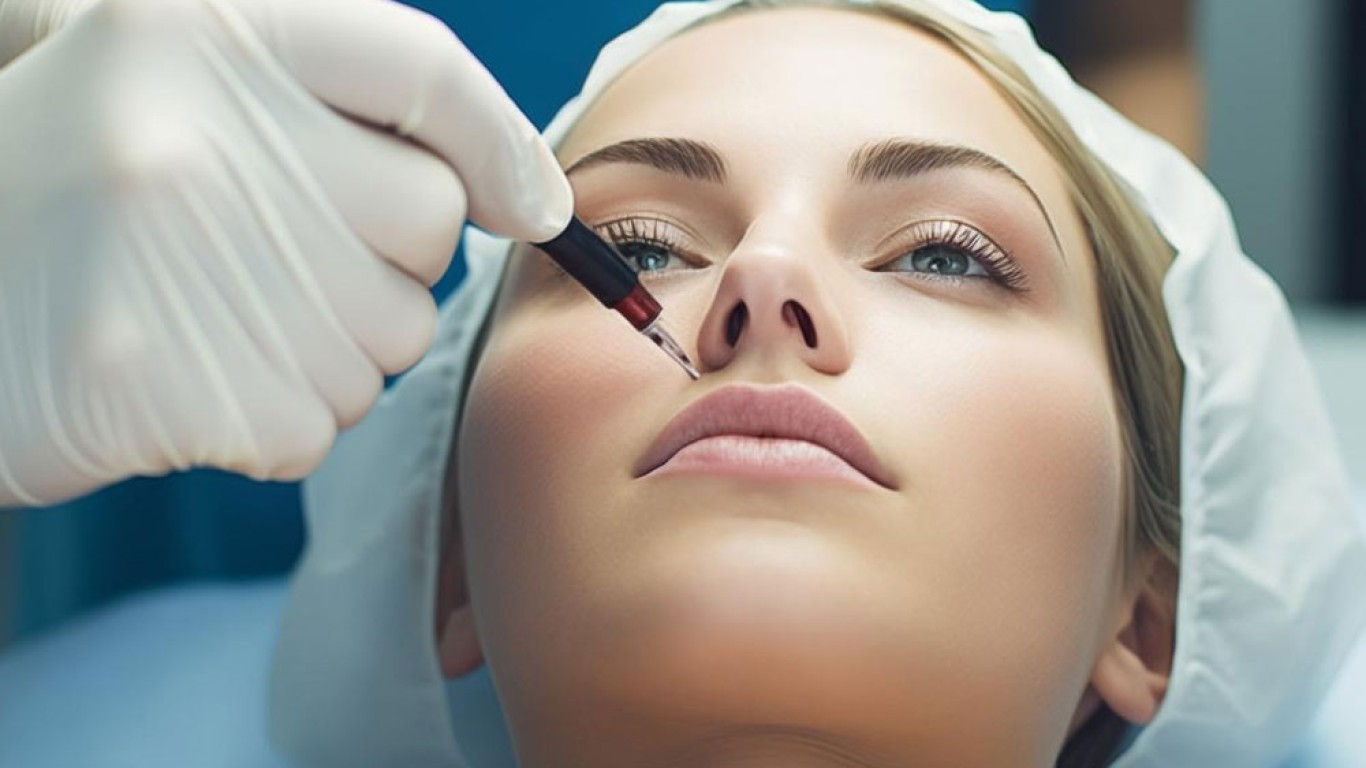
Mesotherapy for cellulite involves microinjections into the affected skin areas. A cocktail of ingredients is injected into the mesoderm layer. Common ingredients include phosphatidylcholine, caffeine, amino acids and vitamins. Some formulations include deoxycholic acid or carnitine. These ingredients aim to break down localised fat and target the connective tissue bands that create dimpling. Mesotherapy delivers active compounds directly to the treatment area. This localised approach bypasses the digestive system. Higher concentrations reach the target tissue than with oral supplementation. The treatment is non-surgical and no anaesthesia is required. Sessions take thirty to sixty minutes depending on the treatment area size.
How Mesotherapy for Cellulite Works
Cellulite results from fat pushing through weakened connective tissue bands. These bands create the characteristic dimpled appearance. Mesotherapy for cellulite aims to address both components. Fat-dissolving agents reduce the volume of fat pressing against the skin, while caffeine and aminophylline improve local circulation and fluid drainage. This reduces the puffy, water-logged appearance associated with cellulite. Vitamins and antioxidants support skin quality and elasticity. Improved skin thickness and firmness reduce the visibility of underlying dimpling. Mesotherapy works through multiple pathways simultaneously. The combined effect of fat reduction, circulation improvement and skin quality enhancement addresses the condition from several angles. Each ingredient contributes to the overall improvement. The localised delivery ensures adequate concentration reaches the treatment area.
Is Mesotherapy for Cellulite Effective?
Effectiveness is the central question. The evidence for mesotherapy for cellulite is mixed. Some studies report visible improvement in skin texture and cellulite grade. Patient satisfaction surveys often show positive results. However, large-scale randomised controlled trials are limited. The evidence base is not as strong as for some other cellulite treatments. Mesotherapy produces modest improvement in many patients, but complete elimination of cellulite is not achievable with any current treatment. Results vary significantly between individuals. The specific formulation used affects outcomes. Practitioner technique also influences results. Patients should approach the treatment with realistic expectations. Mesotherapy for cellulite is best viewed as one component of a broader cellulite management approach rather than a standalone solution. Combining mesotherapy with exercise, healthy nutrition and other treatments may produce more noticeable improvement.
Mesotherapy for Cellulite: Treatment Course
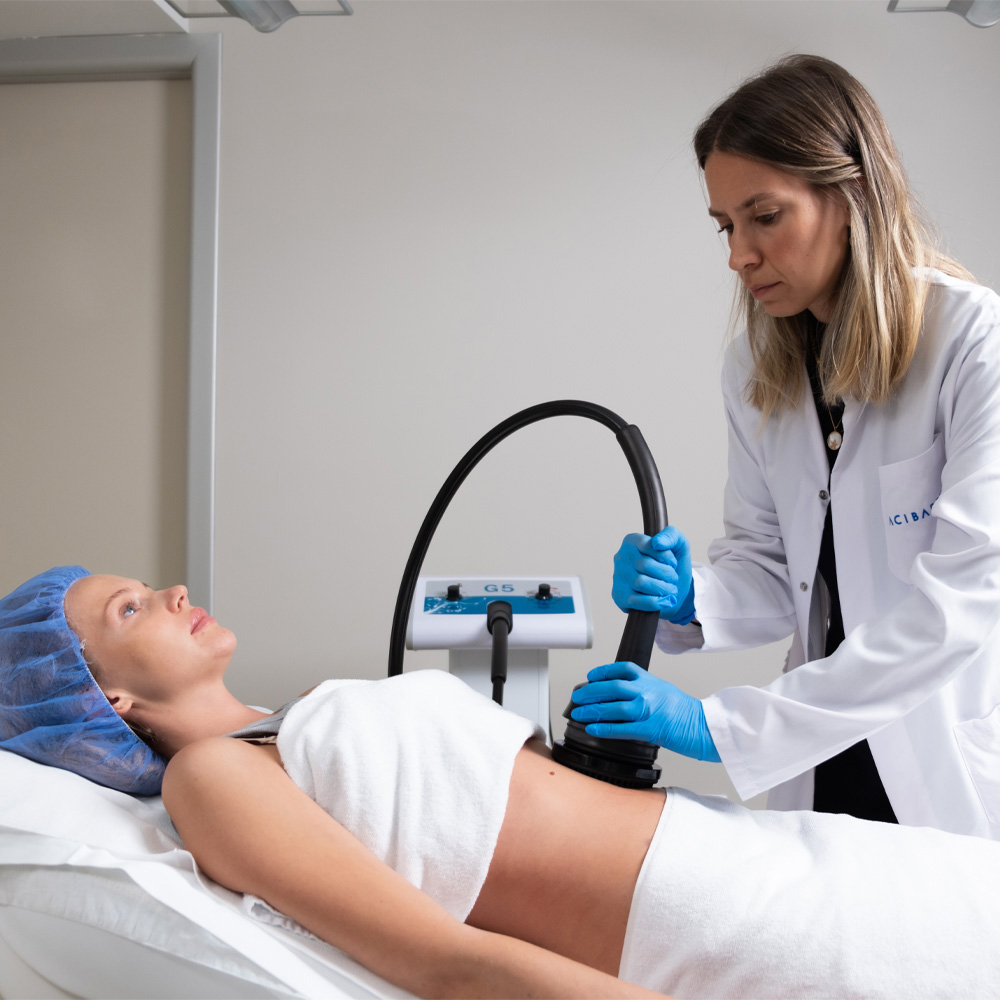
A typical course involves six to twelve sessions. Sessions are spaced one to two weeks apart, and each one builds on the effect of previous treatments. Mesotherapy for cellulite produces cumulative results across the full course. Early sessions may show subtle improvement. More visible change develops from session four onwards. Each session takes approximately thirty to sixty minutes. The practitioner injects the solution across the affected area systematically. Multiple small injections are placed using a fine needle or specialised injection device. Mesotherapy treatment is well tolerated by most patients. Mild stinging during injection is common and no significant downtime is required. Maintenance sessions every one to three months may sustain results. Without maintenance, the cellulite typically returns over time. Lifestyle factors including diet, exercise and hydration influence how long results persist.
Mesotherapy for Cellulite vs Other Treatments
Several treatments address cellulite:
- Radiofrequency devices heat the skin and stimulate collagen - they improve skin tightness and may reduce dimpling.
- Acoustic wave therapy breaks down connective tissue bands mechanically.
- Subcision surgically releases individual dimples.
- Laser-assisted treatments combine energy and mechanical disruption.
- Mesotherapy for cellulite offers a non-surgical injectable approach.
Each method has different evidence support and suitability. Radiofrequency has moderate evidence. Acoustic wave therapy has growing clinical support. Subcision is effective but more invasive. Mesotherapy occupies a middle ground - it is less invasive than surgical approaches. Its evidence is less robust than some energy-based devices. However, it remains a popular option. Many patients appreciate the injectable approach and the convenience of no-downtime sessions. Combining mesotherapy with other modalities often produces the most comprehensive results.
Recovery and Side Effects
Recovery after mesotherapy for cellulite is minimal. The most common side effects are related to the injection process. Mild bruising at injection sites may occur. Small welts or redness resolve within a few days. Temporary tenderness in the treated area is normal. Swelling may be present for twenty-four to forty-eight hours. Mesotherapy for cellulite requires no downtime and patients return to normal activities immediately. Exercise can resume the same day. Avoiding hot baths and saunas for twenty-four hours is commonly recommended. Allergic reactions to the injected ingredients are possible but rare. Patients should disclose any allergies during consultation. Infection risk is low when treatment is performed in a clean clinical environment with sterile technique. The treatment is generally well tolerated and most patients describe the experience as manageable and straightforward.
Who Suits Mesotherapy for Cellulite?
Mesotherapy for cellulite suits patients with mild to moderate cellulite. Those in the early to mid stages of cellulite development respond most favourably. The treatment works best on patients who maintain an active lifestyle alongside treatment. Exercise improves circulation and supports the fat reduction effects. Patients at a stable, healthy weight see the most predictable results. Mesotherapy is not a weight loss treatment, it targets localised fat and skin quality in specific areas. Patients with severe cellulite may need combination treatment. Those with extremely thin skin may not tolerate the injections as comfortably. Realistic expectations are essential. The treatment improves cellulite appearance but it does not eliminate it entirely. Consultation assesses individual suitability and recommends the most appropriate approach for each patient's cellulite type and severity.
Mesotherapy for Cellulite: Cost and Availability
The treatment is available at aesthetic clinics worldwide. UK pricing typically ranges from £150 - £400 per session. A full course represents a meaningful investment. Turkey offers mesotherapy for cellulite at competitive pricing. Turkish aesthetic clinics provide the treatment alongside other body contouring services. The treatment can be combined with radiofrequency or other modalities during the same visit. All-inclusive packages simplify the experience for international patients. Mesotherapy pricing in Turkey is significantly lower than UK equivalents. The lower per-session cost makes completing the full recommended course more accessible. Professional consultation ensures the most appropriate and cost-effective treatment plan.
Lifestyle Factors That Influence Outcomes
Lifestyle factors significantly influence mesotherapy for cellulite outcomes. Patients who combine treatment with regular cardiovascular exercise see better results. Exercise improves circulation, reduces body fat and supports lymphatic drainage - these effects complement the mechanisms targeted by mesotherapy. Hydration also plays an important role. Well-hydrated skin appears smoother and firmer. Dehydrated tissue exaggerates the dimpled appearance of cellulite. Dietary improvements support fat reduction alongside the treatment. Reducing processed foods, sugar and excess sodium decreases fluid retention. Mesotherapy works most effectively when patients actively support the treatment through healthy habits. The injections provide a targeted stimulus. Lifestyle factors determine how well the body responds and how long results are maintained. Patients who view mesotherapy as part of a comprehensive programme achieve the most noticeable and lasting improvement.
Conclusion
Mesotherapy for cellulite uses microinjections to deliver active ingredients to the treatment area. The approach targets fat, circulation and skin quality simultaneously. Evidence shows promise but is less robust than for some alternative treatments. Most patients experience modest improvement. Complete cellulite elimination is not achievable with any current method. Mesotherapy for cellulite works best as part of a comprehensive approach including exercise and healthy nutrition. Three to twelve sessions produce cumulative results. Professional consultation determines individual suitability. Turkey offers the treatment at competitive pricing with experienced practitioners.
To find out more about mesotherapy for cellulite, and to book a consultation, visit the ACIBADEM Beauty Center Skin Treatments page.
Frequently Asked Questions
Evidence shows modest improvement. Results vary between individuals and formulations.
Six to twelve sessions spaced one to two weeks apart.
Mild stinging during injection is common. Most patients tolerate it well.
No. Patients return to normal activities immediately after treatment.
No current treatment eliminates cellulite entirely. Mesotherapy reduces its appearance.