Ataşehir Mah. Feza Sk. No:3 İstanbul / Türkiye
 French
  English
  German
  Spanish
Introduction
Regenerative aesthetics continues to evolve as patients seek treatments that work with the body's natural repair mechanisms. Among the most exciting developments in this field is the use of cellular signalling technology to promote tissue renewal. Exosome therapy for skin has emerged as a promising approach that supports regeneration at a cellular level. The treatment delivers concentrated biological messengers directly to the skin to stimulate repair and rejuvenation. Understanding how exosome therapy for skin works helps patients evaluate whether this advanced treatment aligns with their aesthetic goals. This article explains the science, benefits and practical considerations of this innovative approach to skin regeneration.
What Are Exosomes?
Exosomes are tiny extracellular vesicles released naturally by cells throughout the body. They carry proteins, growth factors and genetic material that communicate important signals between cells. These vesicles play a key role in tissue repair and immune regulation. In aesthetic medicine, exosome therapy for skin harnesses these natural messengers to promote regeneration. The exosomes used in clinical treatments are typically derived from stem cell cultures under controlled laboratory conditions. They are purified and concentrated before application. Their small size allows them to penetrate the skin effectively. The treatment leverages the body's own communication pathways to support healing and renewal.
How Exosome Therapy for Skin Works
Exosome therapy for skin works by delivering concentrated signalling molecules to the treatment area. These molecules stimulate fibroblasts, the cells responsible for producing collagen and elastin. Increased collagen production improves skin firmness and structure. Elastin production supports flexibility and resilience. The exosomes also promote cellular turnover, helping replace damaged skin cells with healthier ones. Anti-inflammatory signals within the exosomes help calm irritated or sensitised skin. The treatment triggers a cascade of regenerative processes beneath the surface. Results develop gradually as the skin responds to these biological signals over the following weeks and months.
What Conditions Can Exosome Therapy for Skin Address?
The treatment addresses a range of aesthetic and restorative concerns. Common applications include:
- Fine lines and wrinkles caused by collagen depletion.
- Uneven skin texture and rough surface quality.
- Dull or fatigued skin lacking vitality and glow.
- Post-procedure healing after laser or microneedling treatments.
- Mild scarring from acne or previous skin damage.
The treatment supports overall skin quality improvement rather than targeting a single concern. Its regenerative properties make it suitable for patients seeking comprehensive skin health enhancement.
The Treatment Process
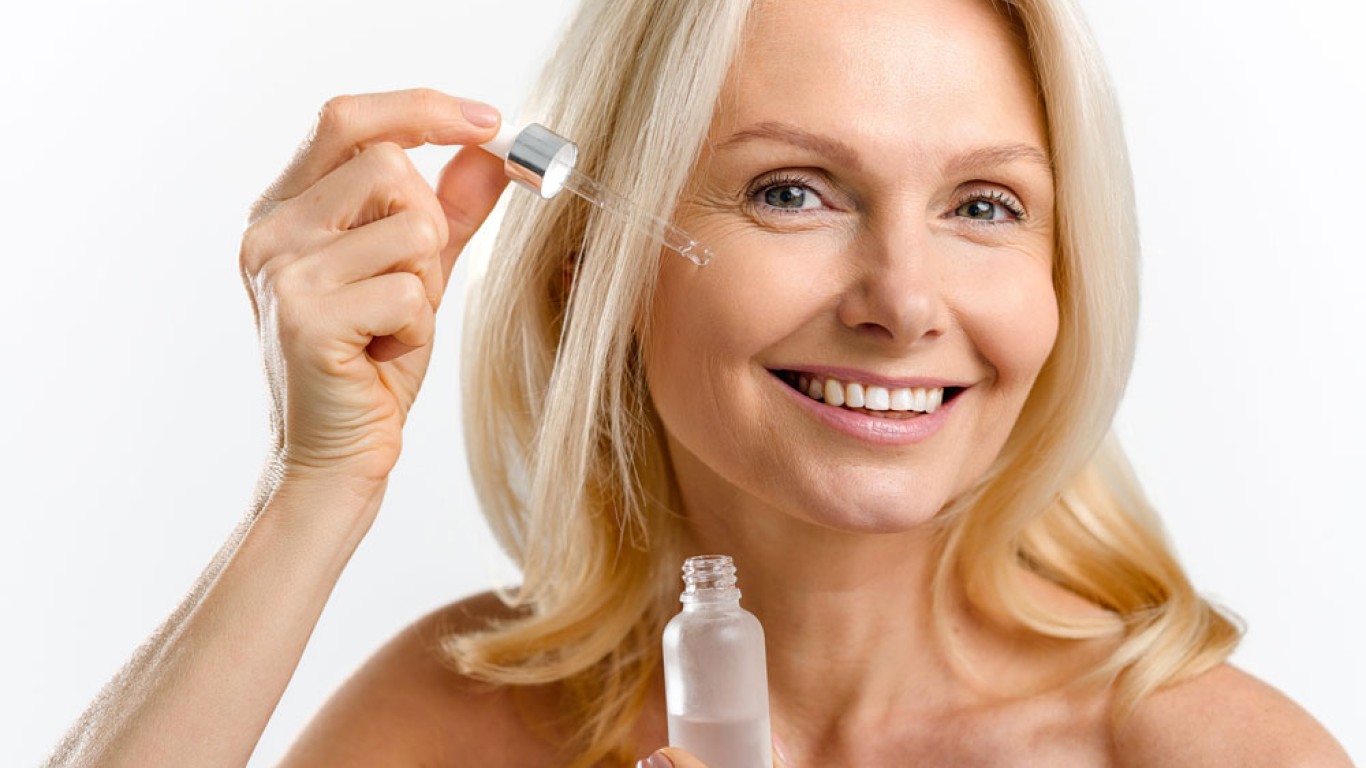
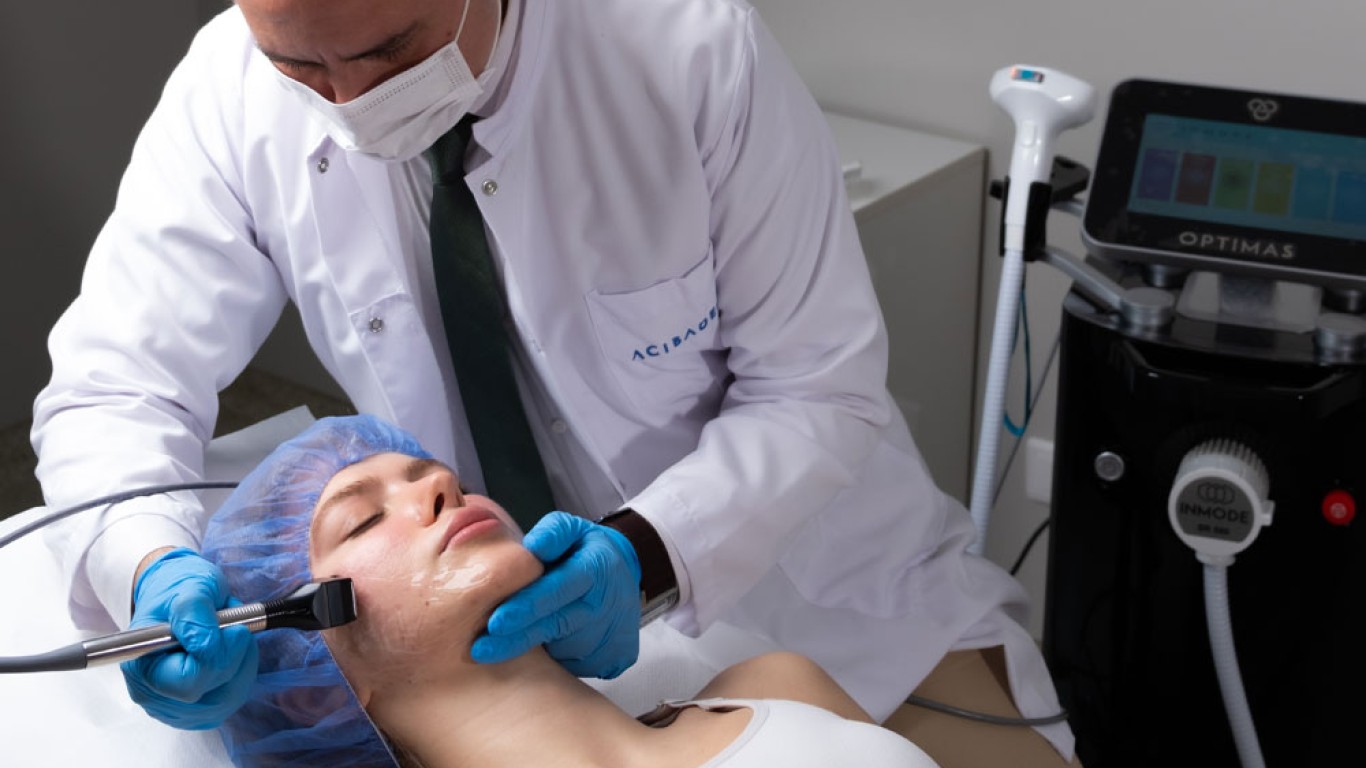
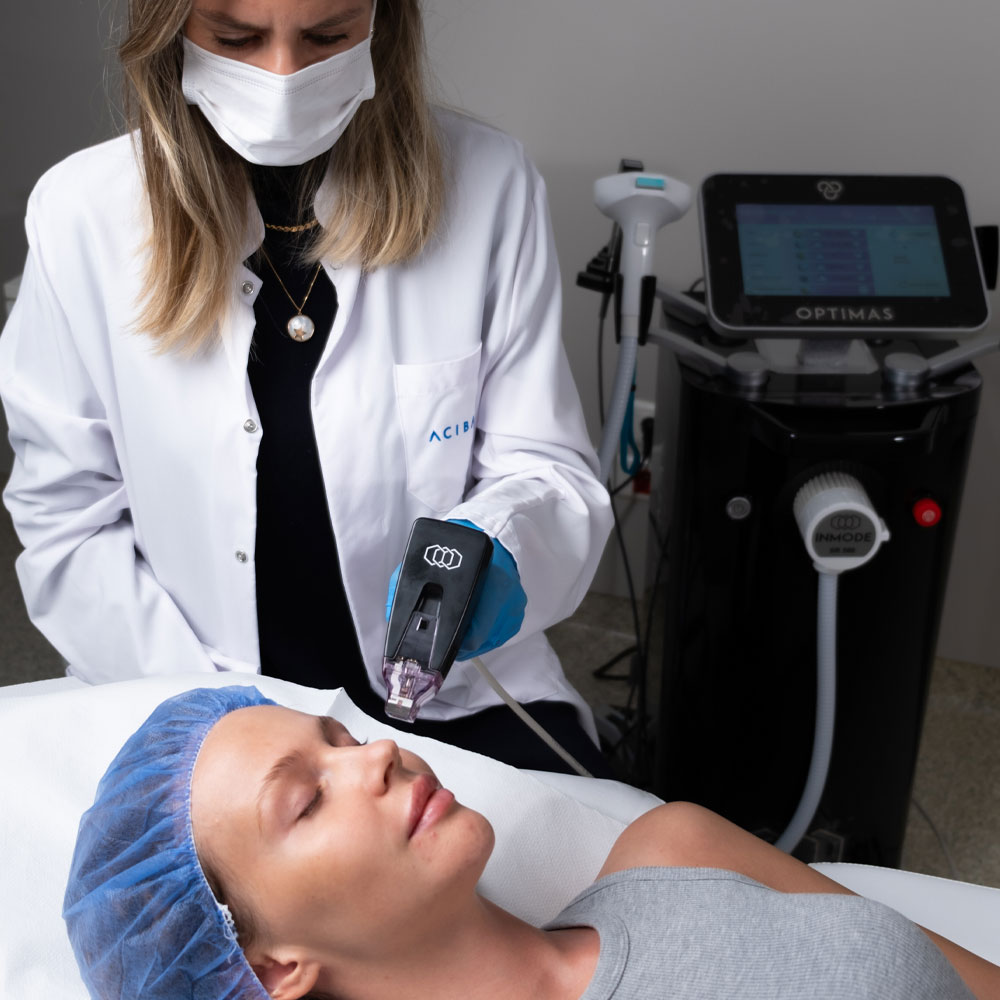
Treatment is typically performed in a clinical setting. The treatment begins with thorough skin cleansing. Exosomes may be applied topically after microneedling to enhance penetration into the deeper skin layers. Alternatively, they can be delivered through mesotherapy-style injections. The procedure takes approximately thirty to sixty minutes depending on the delivery method. Most patients experience minimal discomfort. Redness or mild sensitivity may occur immediately after treatment but typically resolves within twenty-four hours. No significant downtime is required. Patients can usually return to normal activities the same day.
Exosome Therapy for Skin vs PRP
Patients often compare exosome therapy for skin with platelet-rich plasma treatments. Both approaches use biological components to stimulate regeneration. PRP uses the patient's own blood, which is processed to concentrate growth factors. Exosome therapy delivers a broader range of signalling molecules from external stem cell sources. The exosome approach may offer more consistent potency because the exosomes are produced under controlled conditions. PRP potency varies depending on the patient's individual blood composition. Both treatments support collagen production. However, exosome therapy for skin delivers a higher concentration of regenerative signals in a single application.
Who Is a Good Candidate for Exosome Therapy for Skin?
Exosome therapy for skin suits patients seeking to improve overall skin quality and appearance. Individuals noticing early signs of ageing such as fine lines and reduced firmness may benefit. Patients recovering from ablative treatments such as laser resurfacing may use exosomes to support faster healing. Those with dull or dehydrated skin may notice improved radiance after treatment. Candidates should be in good general health. The treatment is suitable for most skin types. A professional consultation determines whether exosome therapy for skin aligns with the patient's specific concerns and goals.
How Many Sessions Are Recommended?
The number of sessions depends on individual skin condition and treatment goals. Most practitioners recommend an initial course of three to four sessions spaced two to four weeks apart. This allows cumulative regenerative benefits to develop. Maintenance treatments every three to six months help sustain improvements over time. The treatment produces gradual results that build with each session. Some patients notice improvement after a single treatment. However, the most significant and lasting benefits come from a structured treatment course. A personalised treatment plan is developed during the initial consultation.
Results and What to Expect
Results from exosome therapy for skin develop gradually over weeks as cellular renewal processes activate. Skin texture typically begins to improve within two to four weeks after the first session. Firmness and radiance continue to develop over the following months. Fine lines may appear softer as collagen production increases. Skin tone often becomes more even. The full benefit of a complete treatment course becomes apparent over two to three months. Results are subtle and natural in appearance. Patients often describe their skin as looking healthier and more refreshed rather than dramatically changed.
Safety and Side Effects
Exosome therapy for skin is generally well tolerated with a favourable safety profile. The most common side effects are temporary redness and mild sensitivity at the treatment site. These typically resolve within twenty-four hours. Because exosomes are cell-free, the risk of immune rejection is minimal. There are no live cells transferred during the procedure. Allergic reactions are rare. Practitioners ensure that exosome products are sourced from reputable laboratories with quality certifications. Choosing a qualified specialist who uses verified products supports the safest possible treatment experience.
Combining Exosome Therapy with Other Treatments
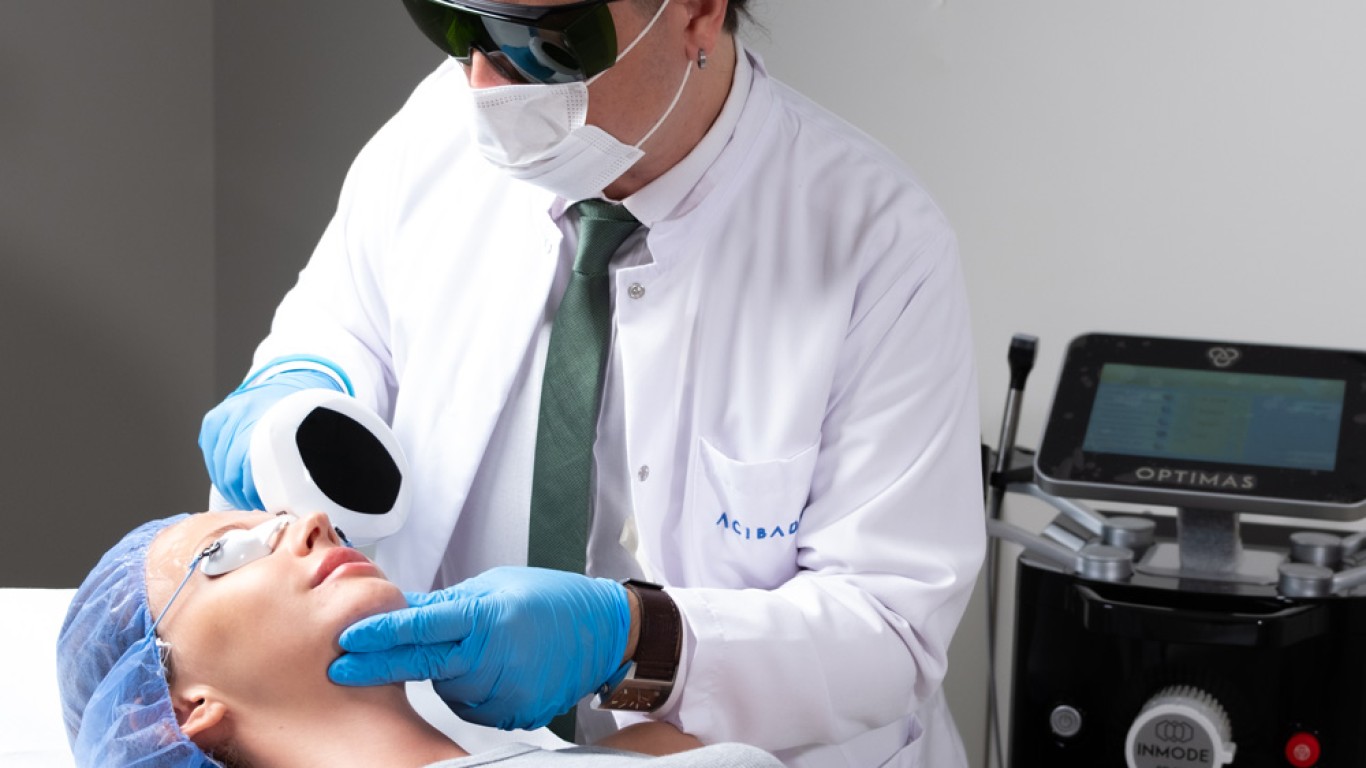
Exosome therapy for skin is frequently combined with other aesthetic procedures. Microneedling paired with exosomes enhances both penetration and regenerative effect. Laser treatments followed by exosome application may support faster healing and improved results. Some practitioners combine exosomes with PRP for a layered regenerative approach. Exosome therapy for skin works as both a standalone treatment and a complement to more intensive procedures. Combining treatments creates a synergistic effect that amplifies the regenerative response. Treatment planning determines the most effective combination for each patient.
The Future of Exosome Therapy for Skin
Research into exosome applications continues to expand in aesthetic medicine. Advances in production technology are improving the consistency and potency of clinical-grade exosomes. New delivery methods are being developed to enhance absorption and targeted effect. As understanding of cellular signalling deepens, treatment protocols are becoming more refined. The treatment is expected to become an increasingly central part of regenerative aesthetics. Clinical studies continue to evaluate long-term outcomes and optimal treatment parameters. The field represents an exciting frontier in science-based skin rejuvenation.
Aftercare and Post-Treatment Guidance
Post-treatment care supports the regenerative process initiated by exosome therapy for skin. Practitioners typically recommend gentle skincare products for the first twenty-four hours. Sun protection is important during the days following treatment. Avoiding active ingredients such as retinol for several days allows the skin to respond to the exosome signals without interference. Staying hydrated supports the body's natural repair processes. Most patients resume their normal skincare routine within two to three days. Following aftercare guidance helps maximise the regenerative benefits and supports the best possible results from each session.
Conclusion
Exosome therapy for skin offers an advanced approach to regeneration that works with the body's natural cellular communication pathways. The treatment supports collagen production, improves texture and promotes overall skin health. Results develop gradually over weeks and months. The procedure is safe, minimally invasive and requires no significant downtime. Combining exosomes with other treatments can enhance overall outcomes. Professional consultation ensures personalised planning for each patient. Ongoing research continues to expand understanding of exosome applications, highlighting their potential in addressing a wider range of skin concerns. As techniques and formulations improve, exosome therapy is expected to become an increasingly effective option for achieving long-lasting, natural skin rejuvenation.
For more information and to book a consultation visit the ACIBADEM Beauty Center Skin Treatments page.
Frequently Asked Questions
It improves texture, fine lines, dullness and supports post-procedure healing.
Most patients benefit from three to four sessions.
No significant downtime is required.
Exosomes deliver a broader range of regenerative signals from external sources.
Improvement typically begins within two to four weeks.