Ataşehir Mah. Feza Sk. No:3 İstanbul / Türkiye
 French
  English
  German
  Spanish
Introduction
Facial asymmetry is extremely common and often subtle. Most faces are naturally uneven due to genetics, development, and daily habits. However, noticeable imbalance can affect how facial features align and interact. People seeking how to fix asymmetrical face concerns usually want improved balance rather than perfection. Modern aesthetic medicine focuses on proportion and harmony. Treatment approaches vary depending on whether asymmetry involves bone, muscle, fat, or skin. Understanding the cause helps guide appropriate solutions.
Understanding the Causes of Facial Asymmetry
Facial asymmetry can originate from several factors. Genetics often influence bone structure and muscle dominance. Developmental differences may affect jaw position or cheek height. Ageing also plays a role as volume loss occurs unevenly. Lifestyle habits can contribute over time. Chewing preference, sleeping position, and facial expressions are all factors that influence muscle activity. Injuries or dental alignment issues may also affect symmetry. Identifying the underlying cause is essential when exploring how to fix asymmetrical face concerns. Accurate assessment guides effective treatment planning.
Assessing Facial Balance Professionally
Professional facial assessment focuses on proportions rather than isolated features. Specialists examine alignment between eyes, brows, nose, lips, and jaw. Muscle movement is assessed both at rest and in expression. This dynamic evaluation reveals functional imbalance. Photographic analysis is often used for precision. Facial thirds and midline symmetry are reviewed carefully. When addressing how to fix asymmetrical face issues, assessment ensures treatments enhance natural structure. Individual anatomy determines recommendations. Personalised planning and preparation supports natural-looking results.
How to Fix Asymmetrical Face: Non-Surgical Options
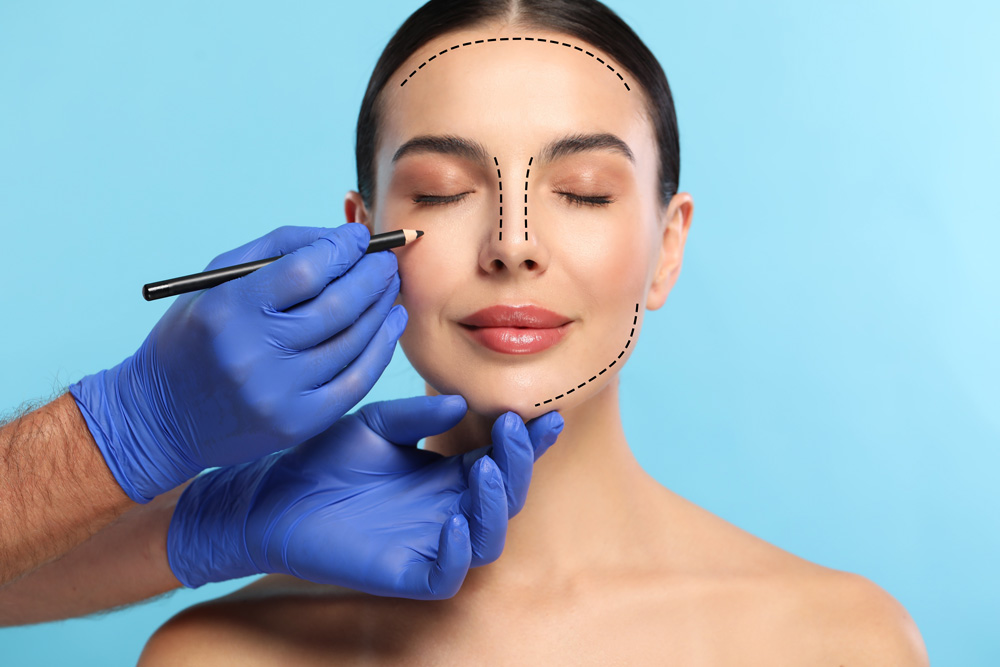
Non-surgical treatments are often suitable for mild to moderate asymmetry. Injectable fillers can restore volume to underdeveloped areas. Strategic placement balances cheeks, jawline, or chin contours. Results are gradual and adjustable. Botulinum toxin may help where muscle imbalance contributes. Relaxing overactive muscles can improve facial alignment. Skin tightening treatments may also support symmetry. For many patients, non-surgical methods provide effective solutions when learning how to fix asymmetrical face concerns without surgery.
How to Fix Asymmetrical Face: Dermal Fillers for Volume Imbalance
Dermal fillers are commonly used to correct uneven facial volume. One side of the face may naturally lose volume faster. Fillers restore balance by enhancing deficient areas, so subtle placement is key. Fillers can improve cheek projection, jaw definition, and lip symmetry. Results aim for harmony rather than dramatic change. When considering how to fix an asymmetrical face, fillers offer flexibility. With fillers, gradual adjustments can be made over time. Natural contour remains the priority.
How to Fix Asymmetrical Face: Muscle-Based Treatments
Muscle activity plays a significant role in facial balance. Dominant muscles can pull features unevenly. Injectables that relax muscles may restore alignment. This approach is often used for brow or jaw asymmetry. Facial movement patterns are analysed carefully. Treating only one side may be necessary. When exploring how to fix asymmetrical face issues, muscle-based treatments can complement volume correction. Balance improves both at rest and in motion.
How to Fix Asymmetrical Face: Surgical Options
Surgery may be recommended when asymmetry involves bone or significant tissue difference. Procedures such as rhinoplasty or chin surgery can realign facial structure. Jaw surgery may be considered in complex cases. Surgical approaches address root causes rather than surface appearance. Results are long lasting and comprehensive. For patients researching how to fix asymmetrical face solutions related to structure, surgery provides definitive correction. Thorough consultation with the chosen medical provider is essential.
How to Fix Asymmetrical Face: Combining Treatments
Many cases benefit from combined treatment approaches. Fillers may be paired with muscle treatments. Surgical correction can be refined with non-surgical enhancements. Combination planning maximises harmony. Staged treatment allows gradual improvement. This reduces overt correction and supports natural results. When addressing concerns over an asymmetrical face, combination strategies often provide the most refined outcome. The ability to customise your treatment ensures balance across features.
How Long Results Take to Appear
Result timelines vary by treatment type. Non-surgical results may appear immediately or within days. Surgical outcomes develop gradually as healing progresses. Patience is part of the process. Facial balance often improves incrementally. Subtle refinements become more apparent over time. Understanding timelines helps manage expectations. When considering how to fix an asymmetrical face, realistic pacing supports satisfaction.
Treating Facial Asymmetry in Turkey
Turkey has become a destination for facial aesthetic treatments. Clinics offer advanced diagnostic tools and tailored treatment plans. Specialists focus on proportion and facial harmony rather than uniformity. Centres such as Acibadem provide structured assessment and follow-up. Patients receive guidance through each stage of treatment. When exploring how to go about fixing an asymmetrical face, many choose Turkey for experience and personalised care. Planning emphasises subtle, natural results.
Facial Asymmetry Caused by Dental and Bite Issues
Dental alignment plays a significant role in facial balance. An uneven bite can shift jaw positioning over time. This may affect cheek height, chin alignment, and smile symmetry. Many people do not realise dental factors influence facial appearance. Orthodontic assessment can reveal bite-related asymmetry. Correcting tooth alignment may improve facial proportions gradually. In some cases, dental work is combined with aesthetic treatments. When learning how to fix asymmetrical face, oral structure should not be overlooked. Addressing the foundation supports balanced results.
The Role of Fat Distribution in Facial Imbalance
Fat distribution across the face is rarely symmetrical. One side may naturally hold more volume. Ageing can exaggerate these differences over time. This often affects cheeks, temples, and under-eye areas. Targeted volume restoration can rebalance these regions. Treatments focus on subtle correction rather than equalisation. When exploring solutions for how to fix asymmetrical face, understanding fat compartments is essential. Restoring harmony improves overall facial flow. This kind of precision supports natural contours.
How Posture and Neck Tension Influence Facial Symmetry
Posture and muscle tension can influence facial balance subtly. Chronic neck tension may affect facial muscle engagement. Habitual head positioning can encourage uneven muscle use. Over time, this may contribute to asymmetry. Addressing posture supports overall balance. Some patients benefit from physiotherapy or posture awareness. Facial treatments work best when supported by muscle balance. Considering these factors helps when planning how to fix elements of an asymmetrical face. Whole-body alignment plays a role.
Age-Related Asymmetry and Volume Loss Patterns
Ageing rarely affects both sides of the face equally. Volume loss often occurs unevenly. One cheek may descend faster than the other. Skin laxity may also progress at different rates. Age-related asymmetry is common and expected. Treatments aim to restore balance rather than reverse ageing. When addressing how to fix an asymmetrical face later in life, subtle correction is key. Gentle enhancement supports refreshed appearance. Overcorrection is avoided.
Temporary Versus Long-Term Correction Approaches
Some treatments provide temporary improvement. Others offer longer-lasting structural change. Choosing between them depends on goals and comfort level. Temporary options allow flexibility and gradual refinement. Long-term approaches may suit structural concerns. Combining temporary and longer-lasting methods is common. When deciding what to do about an asymmetrical face, understanding treatment longevity matters. Planning aligns outcomes with expectations. Balance between adaptability and durability is important.
Facial Asymmetry in Motion Versus at Rest
Asymmetry can appear differently when the face moves. Smiling, speaking, or raising brows may exaggerate imbalance. At rest, the face may appear more even. Dynamic assessment reveals these differences. Treatments often focus on movement patterns. Muscle-based approaches address asymmetry during expression. When learning how to fix asymmetrical face issues, movement analysis is essential. Results aim for balance both static and dynamic. Natural expression is preserved.
Setting Realistic Goals for Facial Symmetry
Perfect symmetry is neither natural nor achievable. The goal is improved harmony rather than uniformity. Small refinements often create significant visual improvement. Expectations should align with anatomy. Clear discussion helps define success. Visual balance matters more than mathematical symmetry. When considering how to approach a solution for an asymmetrical face, realistic goals support satisfaction. Refinement feels natural when expectations are grounded. Subtlety leads to confidence.
Conclusion
Facial asymmetry is a natural variation rather than a flaw. Modern treatments focus on restoring balance while respecting individual features. Non-surgical and surgical options can be tailored based on the underlying cause. Understanding anatomy, muscle activity, and volume distribution is essential. Those seeking how to fix asymmetrical face concerns benefit from personalised assessment and planning. With expert guidance, facial harmony can be enhanced in a refined and natural way.
For more information and to book a consultation visit the ACIBADEM Beauty Center Aesthetics webpage.
Frequently Asked Questions
Yes, most people have some degree of natural facial asymmetry.
Yes, fillers can correct volume-related imbalance effectively.
Ageing can increase asymmetry due to uneven volume loss.
No, many cases are managed with non-surgical treatments.
Turkey offers experienced specialists and personalised aesthetic care.