Ataşehir Mah. Feza Sk. No:3 İstanbul / Türkiye
 French
  English
  German
  Spanish
Introduction
Interest in natural-looking nasal refinement continues to grow, and rhinoplasty trends for 2026 reflect this shift clearly. People want subtle definition, balanced proportions, and a nose that complements their facial structure. Instead of dramatic alteration, today’s approach focuses on gentle shaping and controlled refinement. Understanding these trends helps clarify where rhinoplasty is heading. And how modern methods support natural appearance. This guide breaks down the key techniques shaping 2026. As well as the tools specialists use, and the evolving expectations around nasal aesthetics.
Why Natural Results Lead Rhinoplasty Trends for 2026
The focus on natural outcomes remains stronger than ever. People want results that blend with their features rather than announce a change. This influences planning, shaping, and postoperative refinement. Soft definition, balanced lines, and subtle contour are valued across global rhinoplasty discussions. Surgeons consider structural requirements and the surrounding features when designing the nasal profile. This ensures a more grounded, proportional outcome.
Soft Profile Shaping Becomes Standard
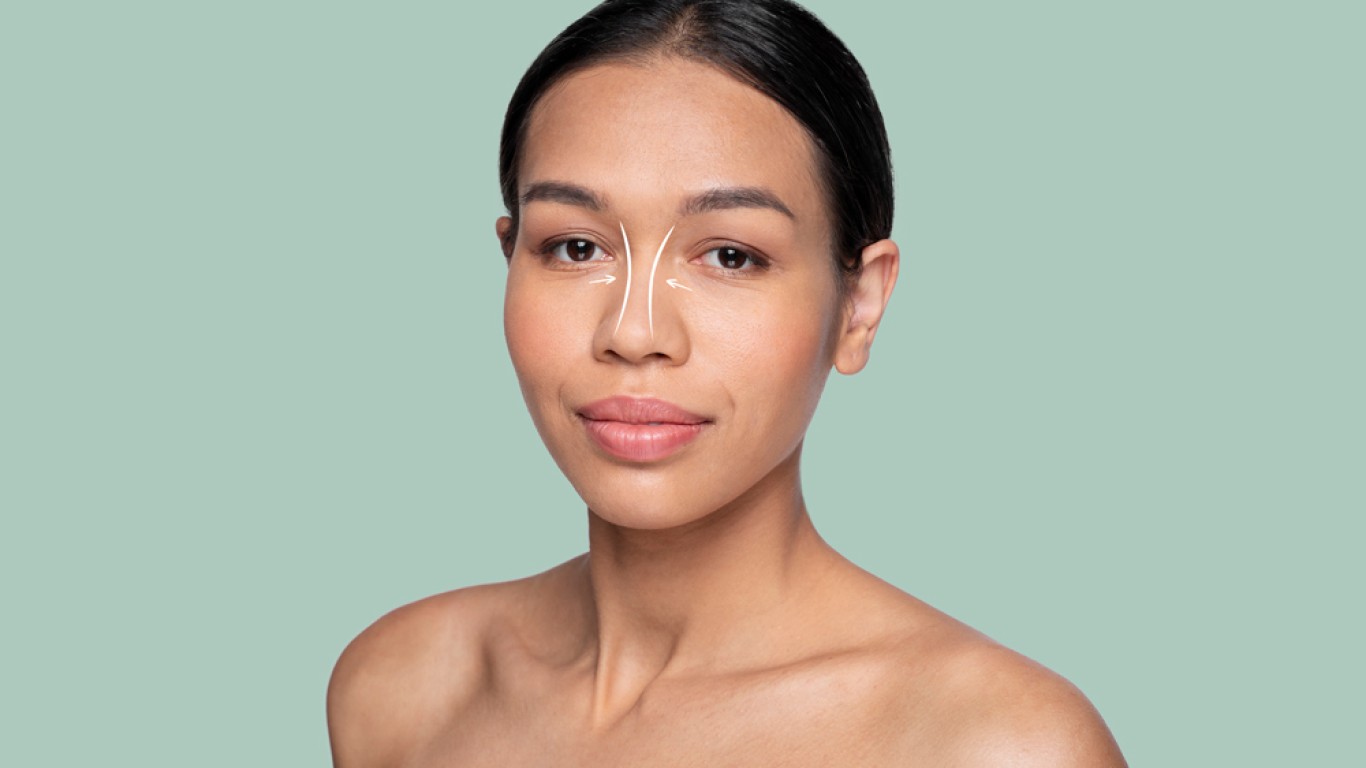
One of the central rhinoplasty trends for 2026 is soft profile shaping. Harsh angles are no longer popular. Instead, the aim is consistent curvature that reflects natural bone and cartilage behaviour. This approach supports facial harmony. The slope is adjusted with minor movement rather than aggressive reduction. These gentle refinements help maintain long-term stability.
Preservation Techniques Remain Highly Requested
Preservation rhinoplasty continues to influence modern practice. This method keeps natural cartilage and bone structures intact. Rather than removing tissue, specialists reposition or modify it subtly. This creates dependable support and a softer appearance. Preservation techniques suit people who want refinement without losing their original nasal character.
Subtle Tip Definition Gains Popularity
Tip refinement forms an essential part of the 2026 landscape. Instead of pointed tips or sharp highlights, the trend leans toward smooth, rounded shaping. Small structural adjustments help define the area without making it look narrow. Sutures, graft support, and controlled rotation create subtle but effective definition. This approach reflects the desire for understated enhancement.
Focus on Structural Balance and Stability
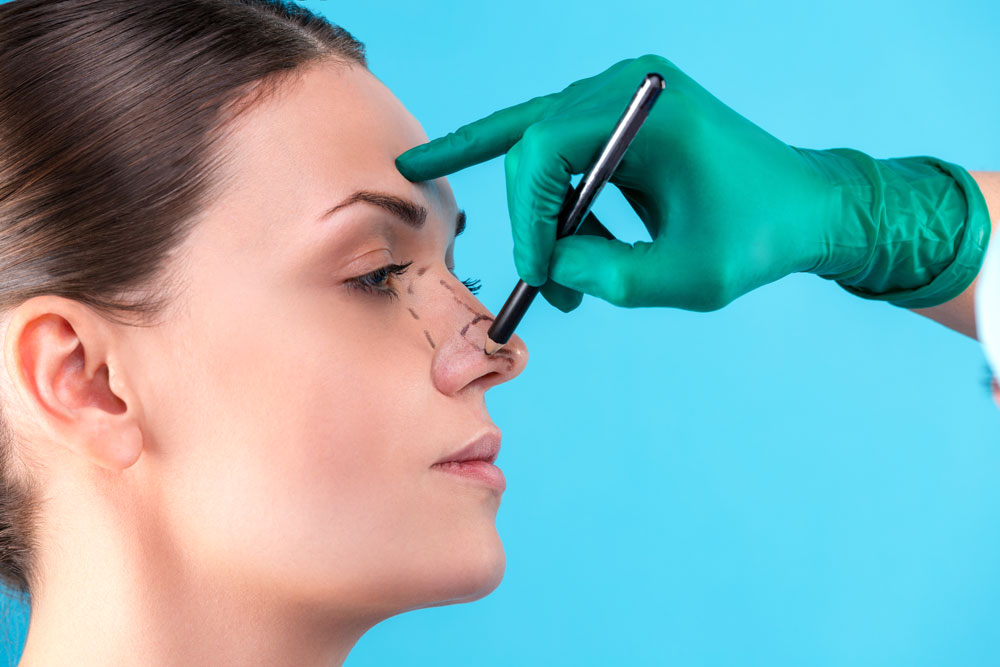
Natural-looking results depend on reliable structure. A steady foundation prevents collapse or distortion over time. Rhinoplasty trends for 2026 highlight reinforced frameworks that protect the nasal airway and maintain shape. Specialists use measured grafting to support the bridge and tip. This ensures steady alignment as tissue settles.
Individualised Planning Becomes More Detailed
Planning has become more personalised. Surgeons examine facial lines, cheek projection, jaw shape, and smile dynamics. These factors guide how the nasal proportions are adjusted. A tailored plan helps produce a natural outcome. Subtle contour choices follow personal symmetry rather than universal standards. This shift supports results that feel distinctive yet harmonious.
Refinement for Different Demographic Needs
Rhinoplasty remains diverse. People from different backgrounds seek refined results that match their heritage. Rhinoplasty trends for 2026 highlight solutions that respect natural anatomy. This includes bridge height variation, tip definition levels, and nostril shape. Specialist knowledge ensures structure aligns with the person’s features rather than creating a uniform look.
Shaping for Facial Expression Compatibility
Modern rhinoplasty considers how the nose behaves during expression. Smiling, speaking, and head movement influence how contour appears. Maintaining harmony between the resting and expressive states forms a central guide for 2026 shaping. Specialists refine support to prevent tip droop during movement. This ensures consistency throughout daily expression.
Contouring for Profile and Front View Alignment
Both profile and front view results matter equally. Natural outcomes require balance across angles. The front view receives greater attention in 2026 designs. Smoother lines, soft symmetry, and gentle highlight shifts support understated refinement. The profile is shaped to complement these choices rather than dominate them. This multidimensional planning keeps results cohesive.
Small Changes Replace Large Transformations
Understated change remains a defining trend. People prefer slight adjustments instead of bold modifications. Minor bridge smoothing, controlled tip rotation, and subtle shaping create visible improvement without altering identity. This approach aligns with the demand for subtle, elegant contour.
Breathing Function Integrated Into All Planning
Comfort and airflow form part of every modern rhinoplasty. Maintaining or enhancing nasal function supports long-term satisfaction. Subtle internal refinements help stabilise the airway and keep the nose comfortable. These steps blend seamlessly into cosmetic plans. Functional consideration remains a natural part of the 2026 approach.
Demand for Stable Long-Term Results
People want predictable outcomes that remain steady as tissues mature. Material selection, cartilage positioning, and grafting play essential roles. Specialists aim for results that remain consistent for years. Stability sits at the centre of rhinoplasty trends for 2026. Supporting natural appearance over the long term.
Natural Bridge Lines Remain a Priority
Bridge shaping trends favour gentle curves. Excessive reduction appears outdated. Subtle smoothing and balanced narrowing support a natural contour. The bridge integrates with the forehead and tip lines confidently. This method keeps the profile elegant without exaggeration.
Refined Nostril Shaping for Natural Symmetry
Symmetry receives careful attention, yet not at the expense of natural variation. Slight asymmetry occurs normally in human anatomy. Rhinoplasty trends for 2026 emphasise nostril shapes that align with natural placement rather than perfect matches. This yields believable, grounded results.
Healing Expectations for Natural-Looking Results
Healing follows a gradual pattern. Early swelling settles slowly, revealing a more balanced structure. People reach clearer definitions after several months. Proper guidance ensures shape evolves predictably. Patience remains essential as natural refinement continues throughout the year.
Why People Prefer Natural Enhancements for Rhinoplasty Trends for 2026
Natural-style results align with broader aesthetic preferences. People appreciate outcomes that complement their existing features. The trend supports quiet refinement and long-term integration. It reflects modern ideas about identity and proportion, reinforcing the shift away from dramatic change.
Techniques Supporting Subtle Contour in 2026
Several techniques enhance precision while maintaining subtlety:
- Structural graft placement for stability
- Refined tip suturing for soft rotation
- Measured cartilage repositioning
- Controlled dorsal preservation
These steps ensure final results appear smooth and proportionate.
Planning for Different Face Shapes
Face shape influences every rhinoplasty decision. Longer faces may require moderate tip rotation. Rounder faces benefit from gentle bridge contour. Square faces suit soft lines that blend with sharp angles. Rhinoplasty trends for 2026 highlight these considerations clearly.
How Specialists Achieve the Natural Look
Natural outcomes require careful planning and precise execution. Specialists shape each area according to bone lines, cartilage behaviour, and overall structure. Fine adjustments across the bridge, tip, and nostrils support long-lasting harmony.
Conclusion
Rhinoplasty trends for 2026 highlight subtle refinement, structural balance, and personalised shaping. The focus remains on natural lines, proportional design, and long-term stability. A modern approach blends technique and careful planning to achieve understated and cohesive results.
For more information and to book a consultation visit the ACIBADEM Beauty Center rhinoplasty webpage.
Frequently Asked Questions
Soft shaping, gentle contour, and balanced proportions define this trend.
It maintains structure and supports subtle refinement.
Requests increasingly favour understated adjustments.
Profile and front view alignment remain equally important.
Yes, techniques adapt to individual proportions.