Ataşehir Mah. Feza Sk. No:3 İstanbul / Türkiye
 English
  German
  Spanish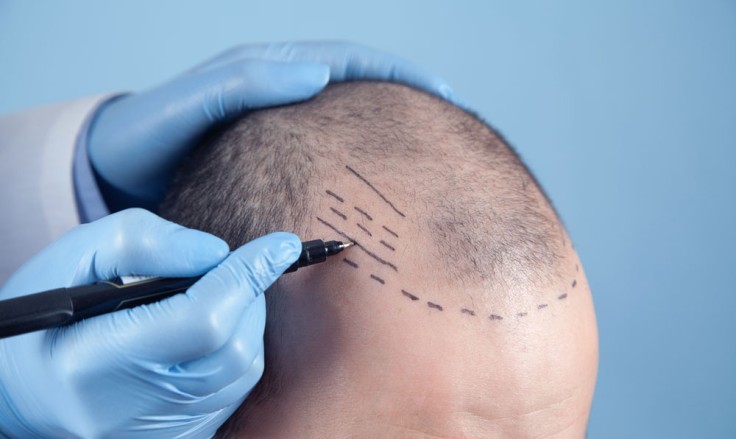
Introduction
One of the first questions patients ask about hair transplantation is how many grafts they need. Hair transplant density determines how full and natural the result appears. Too few grafts create sparse, unconvincing coverage. Too many grafts risk depleting the donor area. Understanding hair transplant density helps patients plan their procedure effectively. This article explains how density is calculated, what different areas require and how to achieve the most natural-looking result.
What Is Hair Transplant Density?
Hair transplant density refers to the number of follicular units placed per square centimetre in the recipient area. Natural scalp density varies between sixty and one hundred twenty follicular units per square centimetre. Hair density in restored areas typically ranges from twenty-five to fifty follicular units per square centimetre. This is lower than natural density. However, it creates convincing visual coverage. Transplant density does not need to match original density to look full. The eye perceives coverage rather than counting individual follicles. Strategic placement at the right angles and distribution creates the illusion of greater density than is mathematically present. Hair transplant density planning balances coverage area against available donor supply. Achieving high density in one area means fewer grafts for other areas. The surgeon distributes grafts strategically for the most natural overall result.
How Hair Transplant Density Is Calculated
The calculation involves several variables. The bald or thinning area is measured in square centimetres. Hair transplant density goals are set for each zone. The total graft count is calculated by multiplying the area by the target density. Higher priority areas receive higher density. The hairline needs the highest hair density. It frames the face and is seen at close range. The mid-scalp can receive moderate density. The crown is the largest area and receives the most grafts overall despite lower per-centimetre density. Hair transplant denseness calculations must account for donor supply limitations. The donor area has a finite number of available grafts. Extracting too many thins the donor area visibly. The surgeon balances the ideal hair transplant density plan against what the donor realistically supports. Conservative extraction preserves donor appearance while achieving satisfactory recipient coverage.
Hair Transplant Density by Area
| Treatment Area | Typical Graft Range | Density Goal |
| Hairline only | 800 – 1,500 | High (most visible area) |
| Frontal zone | 1,500 – 2,500 | High to moderate |
| Mid-scalp | 1,000 – 2,000 | Moderate |
| Crown | 1,500 – 3,500 | Moderate (large area) |
| Full coverage (front to crown) | 3,500 – 5,500+ | Strategic distribution |
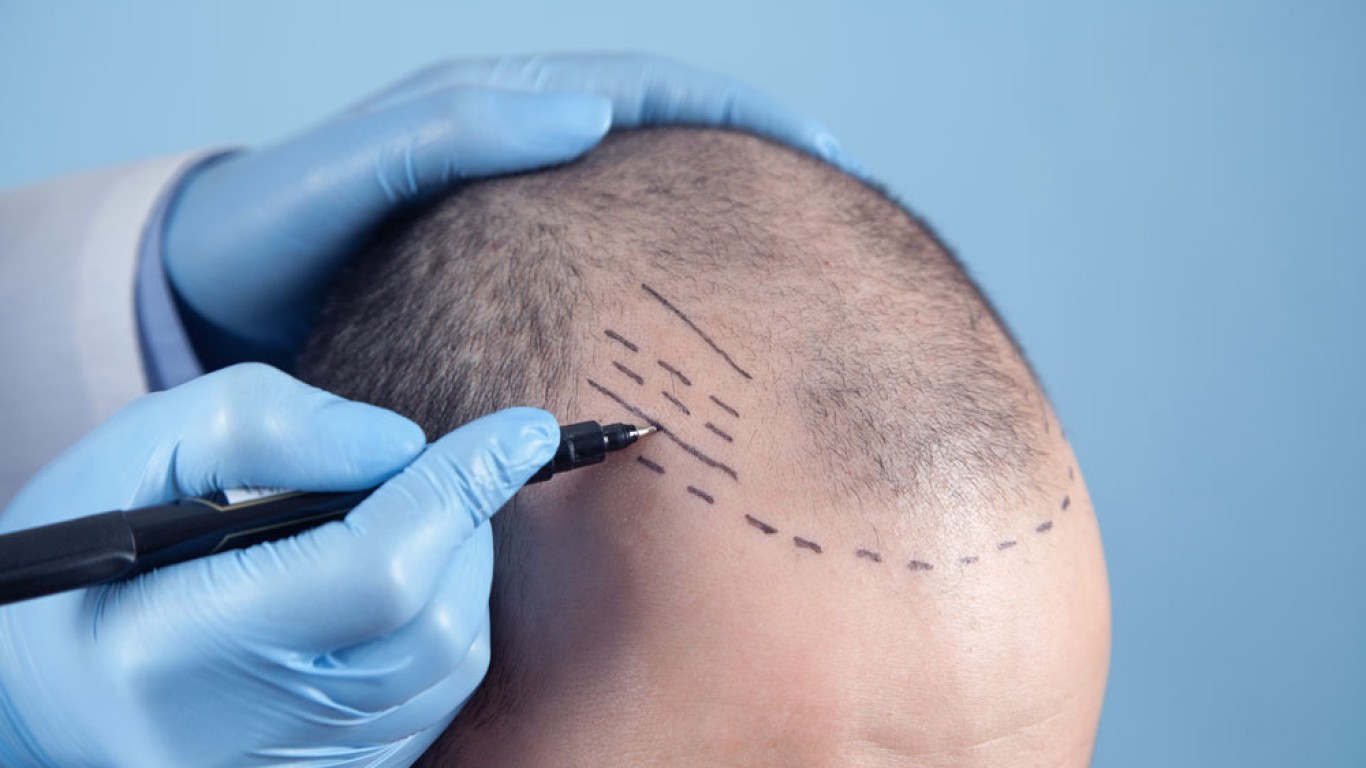
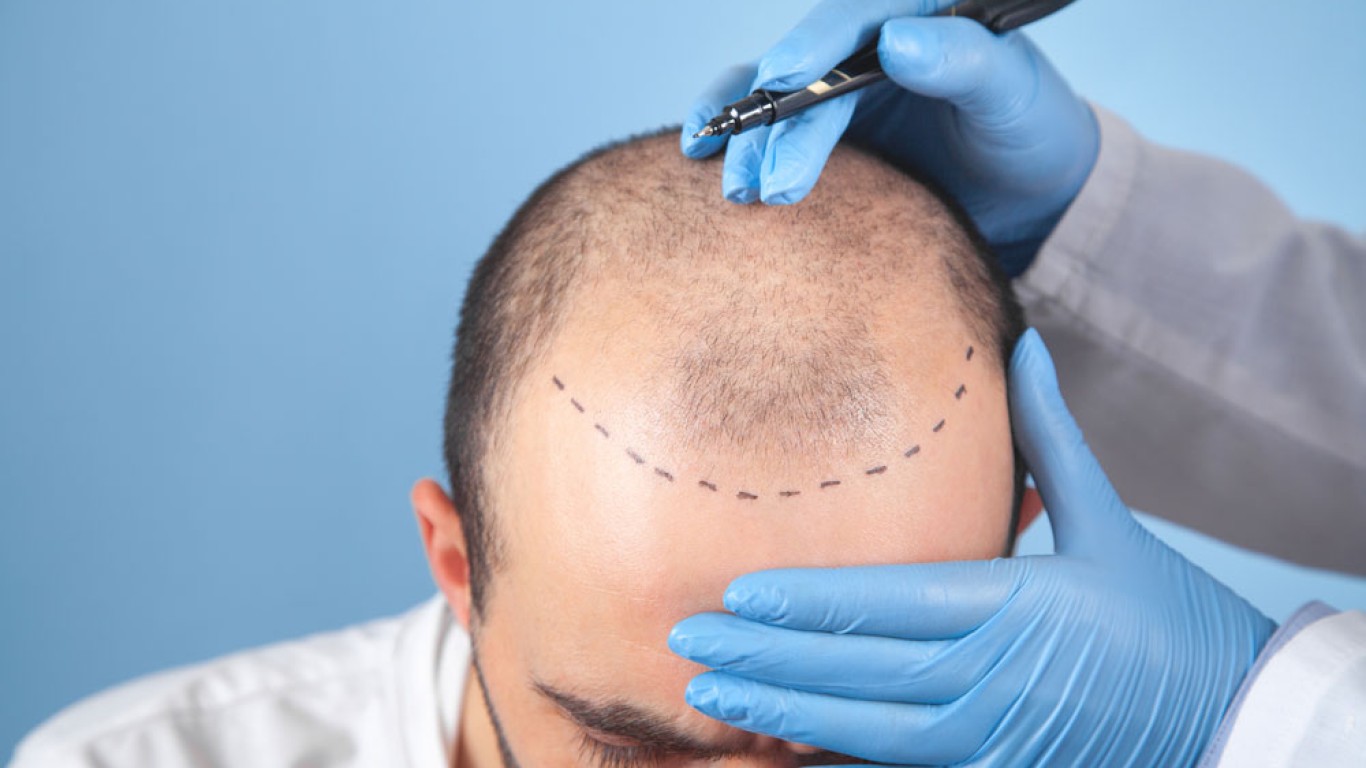
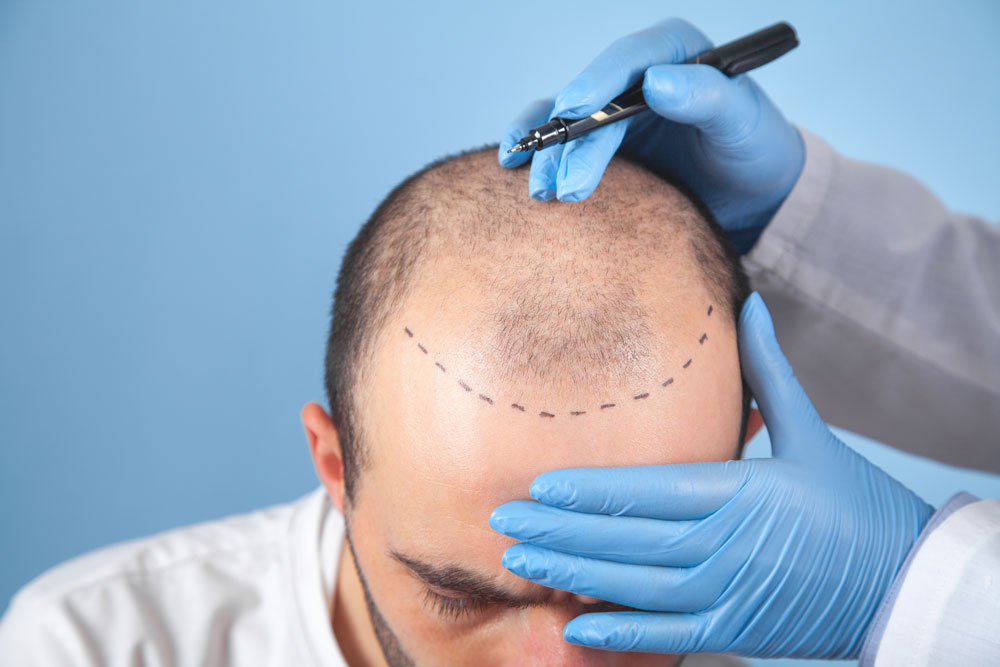
Hair transplant density requirements vary significantly between areas. The hairline demands the most concentrated placement. It creates the visible frame. Gaps at the hairline are immediately noticeable. Hair transplant denseness at the hairline uses single-hair grafts at the very front. These create a soft, natural transition. Behind this zone, two and three-hair grafts increase density. The mid-scalp requires moderate hair density. It bridges the hairline and crown. The crown is the largest treatment area. Hair transplant denseness at the crown needs more grafts in total but can use slightly lower per-centimetre density because it is viewed from above rather than at eye level.
Factors That Affect Hair Transplant Density
Several factors influence the achievable density. Hair characteristics are the most significant. Thick, dark hair provides more visual coverage per graft. Fine, light hair provides less. Hair density perception depends heavily on these characteristics. A patient with thick, curly hair achieves the appearance of greater density than a patient with fine, straight hair at the same graft count. Skin contrast matters. Dark hair on light skin makes thinning more obvious. Hair density must be higher to compensate. Light hair on light skin or dark hair on dark skin is more forgiving. The degree of existing native hair affects the result. Hair density adds to whatever native hair remains.
Patients with some surviving native density need fewer grafts for visual fullness. Those with complete baldness in the treatment area need higher hair density to create coverage from scratch. Donor supply is the ultimate constraint. Hair transplant density goals are adjusted based on available grafts.
How Many Grafts for a Natural Result?
Natural-looking results require adequate graft numbers placed at correct angles and distribution. Hair density at twenty-five to thirty-five grafts per square centimetre creates convincing coverage for most patients. Higher density produces thicker appearance but requires more donor investment. Hair density above fifty grafts per square centimetre approaches natural levels but demands substantial graft numbers. Most patients achieve excellent results at moderate density when placement technique is precise. The angle, direction and grouping of grafts matter as much as the number. Hair density placed by experienced surgeons looks fuller than the same number placed by less skilled practitioners. Artistry in placement maximises the visual impact of every graft. This is why surgeon selection influences the result as much as graft count. Hair transplant density is a technical measurement. The visual result depends on how those grafts are placed.
Hair Transplant Density: Mega Sessions vs Multiple Sessions
Patients sometimes debate whether to achieve hair transplant density in one large session or multiple smaller ones. Mega sessions place three thousand to five thousand or more grafts in a single procedure. This achieves comprehensive hair density in one recovery period. The approach suits patients with stable hair loss who want maximum coverage immediately. Multiple sessions spread graft placement across two or more procedures separated by months or years. Hair density builds incrementally. This approach suits younger patients whose hair loss may progress. It preserves donor capacity for future needs. Hair density achieved through staged procedures allows the surgeon to assess results and adjust the plan. The first session addresses the highest priority area. Subsequent sessions add density or cover newly thinning zones. Both approaches produce excellent results. The choice depends on the patient's age, hair loss stability and long-term planning goals.
Conclusion
Hair transplant density determines how full and natural the result appears. Graft requirements vary by treatment area, hair characteristics and degree of existing loss. The hairline requires the highest per-centimetre density. The crown requires the most grafts in total. Hair density must balance coverage goals against donor supply limitations. Surgical artistry in graft placement maximises the visual impact of every graft. Medical treatment enhances overall density by preserving native hair. Professional consultation ensures personalised density planning. Turkey offers hair transplant at competitive pricing with experienced surgeons who plan density meticulously. Long-term satisfaction depends on realistic planning, careful graft placement and preserving the donor area for future needs. A personalised approach consistently delivers the strongest aesthetic outcome.
To find out more information about hair transplants and to book a consultation visit the ACIBADEM Beauty CenterHair Transplant page.
Frequently Asked Questions
It depends on the treatment area and degree of loss. Hairline alone needs eight hundred to one thousand five hundred. Full coverage needs three thousand five hundred or more.
Twenty-five to fifty grafts per square centimetre creates convincing natural-looking coverage.
Yes significantly. Thick, curly hair provides more coverage per graft than fine, straight hair.
Yes. Preserving native hair with medication enhances overall visual density.
Yes. Multiple sessions allow density to be built incrementally as needs evolve.