Ataşehir Mah. Feza Sk. No:3 İstanbul / Türkiye
 French
  English
  German
  Spanish
Introduction
The ponytail facelift has become one of the most discussed cosmetic procedures of recent years. The technique creates a lifted, tightened facial appearance. It is similar to the effect of pulling the hair into a tight ponytail. Many younger patients are drawn to the procedure as a less invasive alternative to traditional facelift surgery. The approach uses small incisions hidden in the hairline. Understanding what the ponytail facelift involves helps patients evaluate whether it suits their goals. This article explains the techniques, recovery process and considerations every prospective patient should weigh before booking treatment.
What Is the Ponytail Facelift?
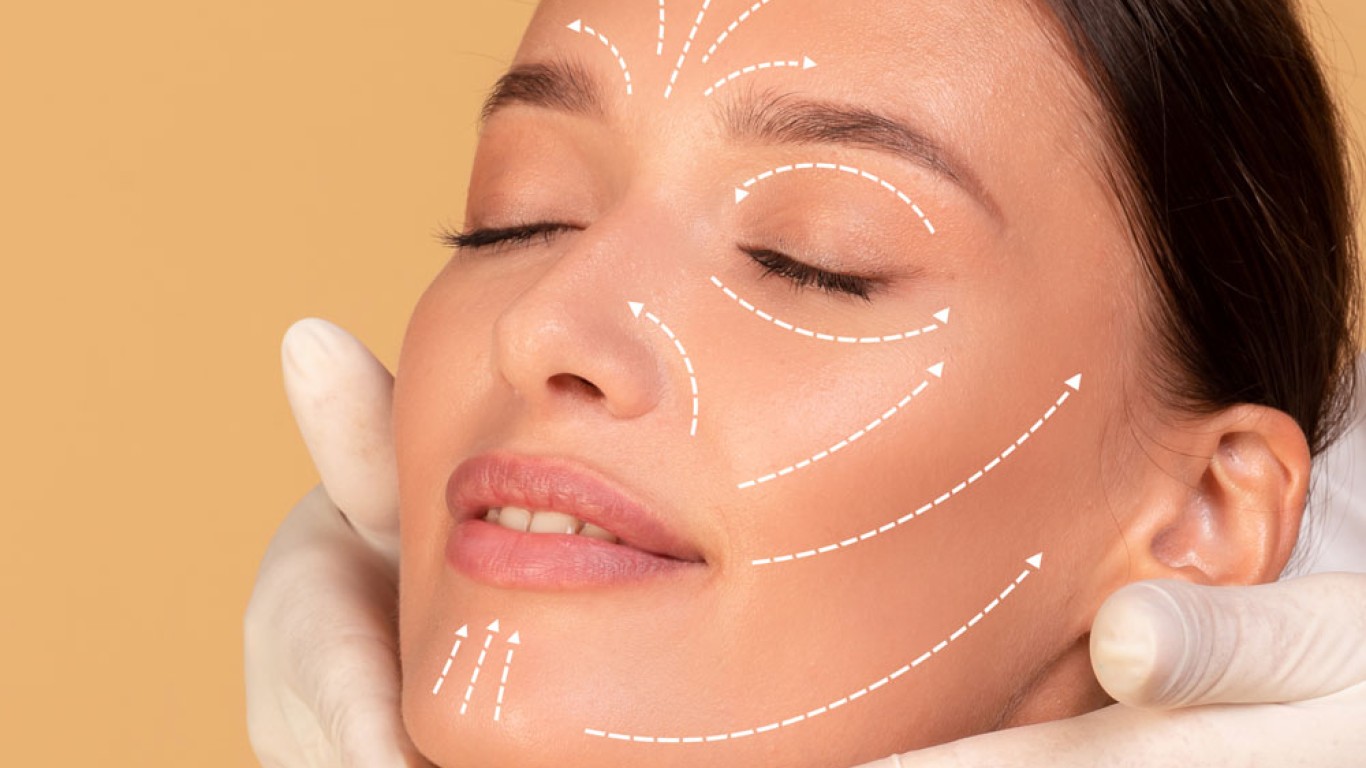
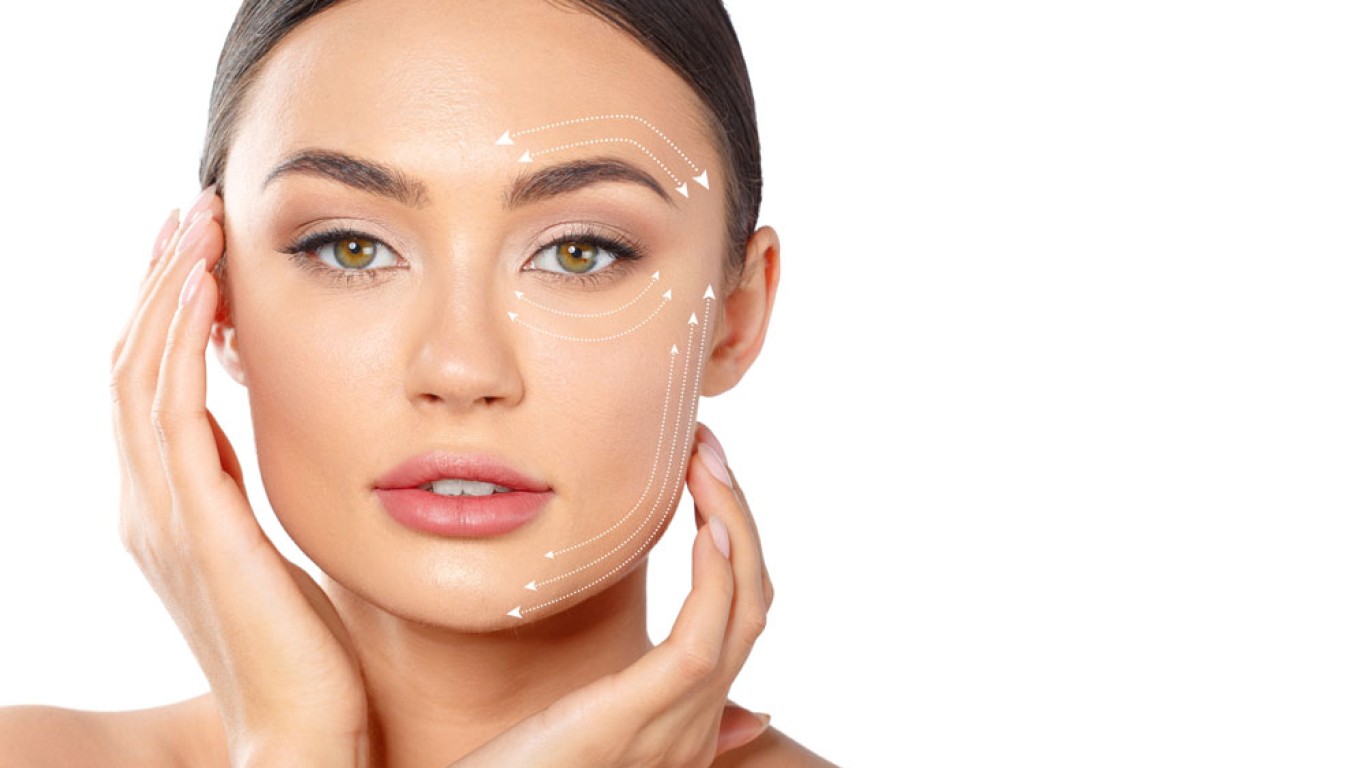
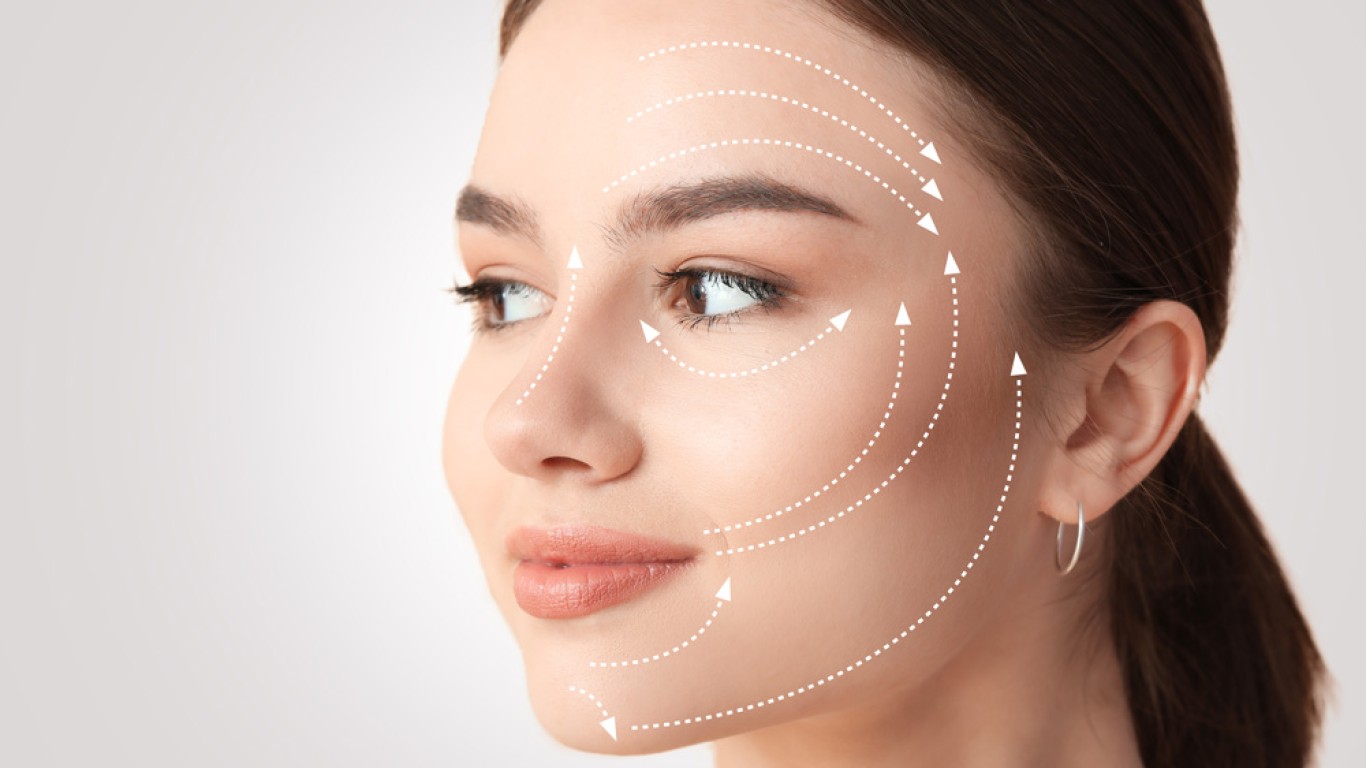
The ponytail facelift is a cosmetic procedure that lifts the upper face and outer eye area. The technique uses small incisions hidden within the hairline. Sutures are then used to lift the underlying tissues upward and outward. The result mimics the tightened appearance created when the hair is in a high ponytail. The procedure is less invasive than a traditional facelift. It targets the upper face rather than the lower face and neck. The ponytail rhytidectomy suits younger patients seeking subtle rejuvenation. Surgery is typically performed under local anaesthesia with sedation. Or, sometimes general anaesthesia is used depending on the extent of work required.
Why the Ponytail Rhytidectomy Has Become Popular
Several factors have driven the popularity of the ponytail facelift. Social media has increased awareness of the procedure. Younger patients seek subtle rejuvenation without committing to traditional facelift surgery. The technique offers shorter recovery times compared with more extensive procedures. Incisions are hidden in the hairline, leaving no visible scarring. The aesthetic appeal of a lifted upper face has become widely sought after. Celebrity culture has further normalised cosmetic enhancement. The ponytail rhytidectomy represents a natural progression for patients who have already tried non-surgical treatments. It offers more lasting results than injectables or thread lifts.
How the Ponytail Rhytidectomy Works
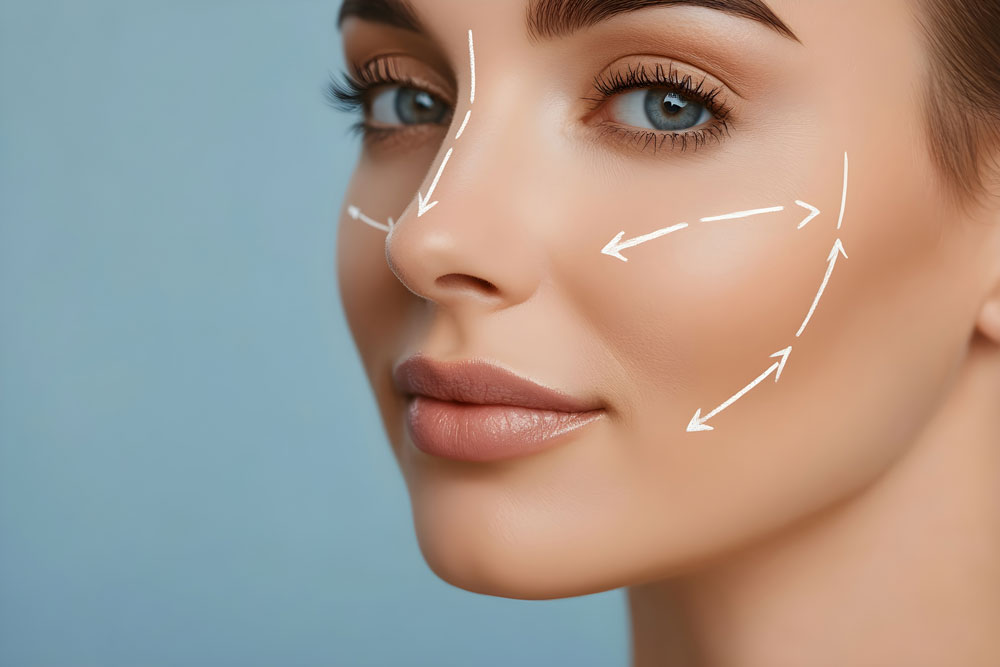
The ponytail facelift uses precise techniques to lift the upper face. The surgeon makes small incisions hidden within the temporal hairline. Through these openings, the underlying tissues are accessed and gently repositioned. Strong sutures secure the tissues in their new lifted position. Brow tail and outer eye area are elevated. The midface may also be lifted depending on the patient’s needs. The procedure typically takes one to two hours. Incisions are placed in areas that the hair will naturally cover. The result is a lifted appearance that looks natural and refreshed. This is without the more dramatic changes associated with traditional facelift surgery.
Ponytail Facelift vs Traditional Facelift
The ponytail facelift differs from traditional facelift surgery in several ways. Traditional facelifts address the lower face, jowls and neck. The ponytail rhytidectomy focuses on the upper face including the brow and outer eye area. Traditional facelifts involve longer incisions around the ears. The ponytail rhytidectomy uses small incisions hidden in the hairline. Recovery from traditional facelifts typically takes two to three weeks. The ponytail facelift recovery is generally shorter at one to two weeks. Traditional facelifts produce more dramatic and comprehensive results. The ponytail rhytidectomy is better suited to younger patients seeking subtle change. Both procedures have valid roles depending on individual needs.
Who Is Suited to the Ponytail Facelift?
The ponytail facelift suits patients with early signs of facial ageing. Those with mild brow descent or upper face laxity are good candidates. The procedure works best for patients in their thirties and forties. Older patients with significant skin laxity may need a more extensive traditional facelift. Good skin elasticity supports the best results. Patients should be in good general health and have realistic expectations. Smoking should be stopped for several weeks before and after surgery. The procedure is not suitable for patients seeking dramatic transformation. A consultation evaluates each patient’s individual anatomy. The surgeon advises whether the technique will achieve the desired result.
Combining the Ponytail Facelift with Other Procedures
The ponytail facelift is often combined with other procedures for comprehensive results. Blepharoplasty addresses loose skin and fat around the eyes. Canthoplasty enhances the shape of the outer eye corner. Non-surgical treatments such as injectables can complement the surgical lift. Some patients combine the procedure with fat transfer to add volume. Combining multiple procedures in a single session reduces overall recovery time. It also provides more complete rejuvenation than any single procedure alone. The surgeon evaluates which combinations will best achieve the patient’s goals during consultation. Comprehensive planning ensures the most effective treatment approach.
The Consultation Process
A thorough consultation is essential before the ponytail rhytidectomy. The surgeon examines facial structure, skin quality and areas of concern. Photographs are taken from multiple angles for planning purposes. Digital imaging may preview potential outcomes. The consultation explores the patient’s aesthetic goals in detail. Reference images can help illustrate the desired result. The surgeon advises on what is realistically achievable given the patient’s anatomy. Open communication ensures both surgeon and patient share a clear vision. The consultation also covers risks, recovery expectations and aftercare requirements. This dialogue builds trust and supports a positive surgical experience.
Recovery After the Ponytail Facelift
Recovery from the ponytail rhytidectomy follows a predictable timeline. Mild swelling and bruising are expected during the first week. Cold compresses help manage these effects in the early days. Most patients return to social activities within seven to ten days. The face may feel tight during the initial healing phase. Patients should sleep with their head elevated for the first few nights. Avoiding strenuous exercise is important for two to three weeks. Sun protection helps the incision sites heal optimally. Hair can typically be washed gently after a few days. Final results develop gradually as residual swelling resolves over the following months.
Risks and Considerations
The ponytail rhytidectomy carries the same risks as any cosmetic procedure. Swelling, bruising and temporary asymmetry are expected during recovery. Infection is rare when proper protocols are followed. Excessive lifting can create an unnatural appearance. The result depends on the body’s healing response as well as surgical technique. Choosing an experienced facial surgeon significantly reduces these risks. Realistic expectations support better satisfaction with the result. Patients should understand that the procedure produces subtle change rather than dramatic transformation. The most natural-looking results come from conservative surgical planning. The ponytail rhytidectomy is not a substitute for a traditional facelift. Especially for patients with significant skin laxity.
Choosing the Right Surgeon
Selecting a surgeon with specific experience in the ponytail facelift is essential. Not all facial surgeons perform this technique. The procedure requires precise technical skill and detailed knowledge of facial anatomy. Reviewing before-and-after photographs provides insight into the surgeon’s aesthetic style. Patients should ask about case volume specifically related to the procedure. A surgeon who regularly performs the ponytail rhytidectomy develops refined judgement. Communication during consultation should feel clear and comfortable. The surgeon should explain the planned approach in accessible language. Trust between surgeon and patient supports the best outcomes from this delicate procedure.
Conclusion
The ponytail facelift offers a less invasive alternative to traditional facelift surgery. The technique lifts the upper face and outer eye area through small incisions hidden in the hairline. Recovery takes one to two weeks with final results developing gradually. The procedure suits younger patients seeking subtle rejuvenation rather than dramatic transformation. Individual anatomy and skin quality influence both suitability and outcome. Realistic expectations support the best satisfaction with results. Professional consultation ensures personalised planning for each patient.
For more information and to book a consultation visit the ACIBADEM Beauty Center Facelift page.
Frequently Asked Questions
A less invasive technique that lifts the upper face through hairline incisions.
It targets the upper face rather than the lower face and neck.
Younger patients with mild facial laxity tend to achieve the best results.
Most patients return to social activities within seven to ten days.
Yes, conservative surgical planning produces natural-looking results.